Accurately measuring a steel beam for industrial use—whether for warehouse construction, bridge projects, or structural frameworks—is critical for safety, compliance, and load-bearing integrity. This calibration checklist empowers QA/QC teams, construction engineers, and steel manufacturers to verify dimensions, tolerances, and weight against international standards (ASTM, EN, GB). From I-beam weight calculation and beams weight charts to real-time I-beam weight calculator inputs, precision starts with proper measurement protocol. As a trusted structural steel manufacturer and exporter from China, Hongteng Fengda supports global buyers with certified I-beam weight specifications, traceable calibration workflows, and ISO-aligned quality assurance—ensuring every beam meets engineering requirements across the USA, Europe, and beyond.
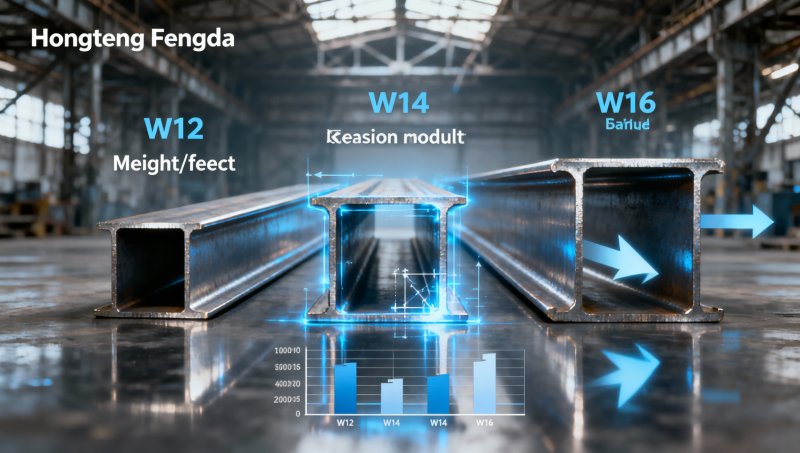
Why Accurate Beam Measurement Matters Across Industrial Applications
In industrial warehouse construction, even a 2 mm deviation in flange width or web thickness can compromise column-to-beam connections under dynamic loading. For bridge projects, cumulative dimensional errors across dozens of I-beams risk misalignment during erection—delaying timelines and triggering costly rework. QA/QC teams face mounting pressure: clients demand full traceability per EN 1090-2, while procurement managers audit weight variance against I beam weight calculator for construction engineers outputs before payment release. That’s why measurement isn’t just about tape measures—it’s about calibrated verification aligned to ASTM A6/A6M tolerance tables and GB/T 706–2016 geometric limits.
Misjudging a beam’s actual weight also distorts crane lift planning. A 5% overestimation inflates equipment rental costs; a 3% underestimation risks sling failure. Real-world cases show that beams weight calculation for structural steel must integrate mill test reports, surface condition (e.g., mill scale vs. blasted finish), and coating mass—especially when specifying fireproofing or corrosion-resistant layers like Color Coated Galvanized Roof Sheet PPGI for adjacent cladding systems.
Calibration Checklist: 7 Critical Steps for QA/QC Verification
Adopt this field-proven workflow before accepting any shipment of structural steel beams. Each step ties directly to ISO/IEC 17025 traceability requirements and supports audit readiness for both internal QA and third-party certification bodies.
- Verify beam identification tags against mill test report (MTR): grade, heat number, standard (ASTM A992 / EN 10025-2 S355JR)
- Measure depth (D), flange width (B), web thickness (tw), and flange thickness (tf) at three locations: mid-span and both ends
- Confirm straightness per EN 1090-2: max 1/1000 length deviation, measured with laser level + digital inclinometer
- Weigh sample beams using calibrated floor scales (±0.1% accuracy); cross-check against theoretical I beam weight specifications for warehouse construction
- Validate surface finish: roughness (Ra ≤ 25 μm) and absence of laminations via ultrasonic testing (UT)
- Record environmental conditions: temperature (±2°C), humidity (30–70% RH) — critical for thermal expansion compensation
- Archive all data digitally with timestamped photos and signed calibration certificates
International Weight Standards & Cross-Reference Chart
Weight discrepancies often arise not from measurement error—but from mismatched unit systems and outdated reference tables. Below is a verified comparison of common I-beam weight benchmarks used by engineers in key markets. All values assume ASTM A6-grade carbon steel (density = 7850 kg/m³).
Common Pitfalls & How Hongteng Fengda Mitigates Them
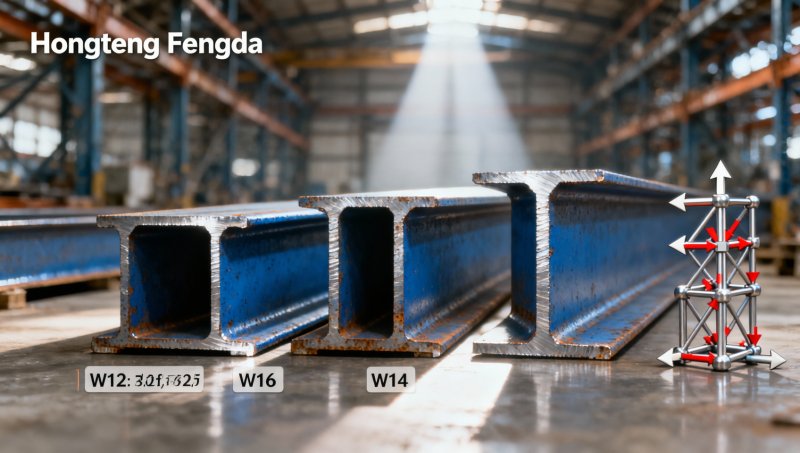
QA/QC teams frequently encounter these hidden traps: using uncalibrated calipers on hot-rolled surfaces (causing 0.3–0.8 mm reading drift), applying imperial-based I beam weight calculator for construction engineers to metric-dimensioned beams, or accepting MTRs without verifying heat-specific tensile test curves. At Hongteng Fengda, every batch undergoes dual-weight verification—first via high-precision belt weigher (±0.05%), then cross-checked against theoretical mass derived from laser-scanned 3D geometry. Our ERP system auto-generates calibration logs compliant with ISO 9001:2015 Clause 7.1.5, eliminating manual transcription errors.
We also embed QR-coded traceability tags on each bundle—scannable to access live weight deviation reports, EN 10204 3.1 certifications, and real-time beams weight calculation for structural steel tools. For project managers overseeing how to measure a steel beam for bridge projects, this means zero delays during site inspection handover.
Why Choose Hongteng Fengda as Your Structural Steel Partner?
As a certified structural steel manufacturer and exporter from China, Hongteng Fengda delivers more than product—we deliver process confidence. Our integrated QA/QC lab features coordinate measuring machines (CMM), universal testing machines (UTM), and spectrometers—all calibrated to NIST-traceable standards. Whether you need how to measure a steel beam for industrial warehouse support or OEM-grade I beam weight for construction projects validation, our team provides on-site measurement training, pre-shipment dimensional audits, and bilingual technical documentation (English + client’s local language).
With production capacity exceeding 500,000 MT/year and facilities certified to ISO 9001, ISO 14001, and OHSAS 18001, we help distributors reduce sourcing risk, enable contractors to lock in lead times, and empower end-users to meet stringent safety compliance—across North America, Europe, the Middle East, and Southeast Asia. Ready to streamline your next structural steel procurement? Contact Hongteng Fengda today for customized beam measurement protocols and certified I beam weight specifications for warehouse construction.
- structural steel
- steel beams
- structural steel beams
- Structural Steel
- I-Beam
- Structural Steel Beams
- Steel Beams
- S355JR
- Galvanized
- Steel Beam
- carbon steel
- weight of i beam
- i beam weight
- how to measure a steel beam
- beams weight
- I beam weight for construction projects
- Weight of I beam in USA
- Beams weight calculation for structural steel
- I beam weight specifications for warehouse construction
- How to measure a steel beam for bridge projects
- Weight of I beam supplier in Europe
- Beams weight chart for steel manufacturers
- I beam weight calculator for construction engineers
- How to measure a steel beam for industrial warehouse
Related recommendations
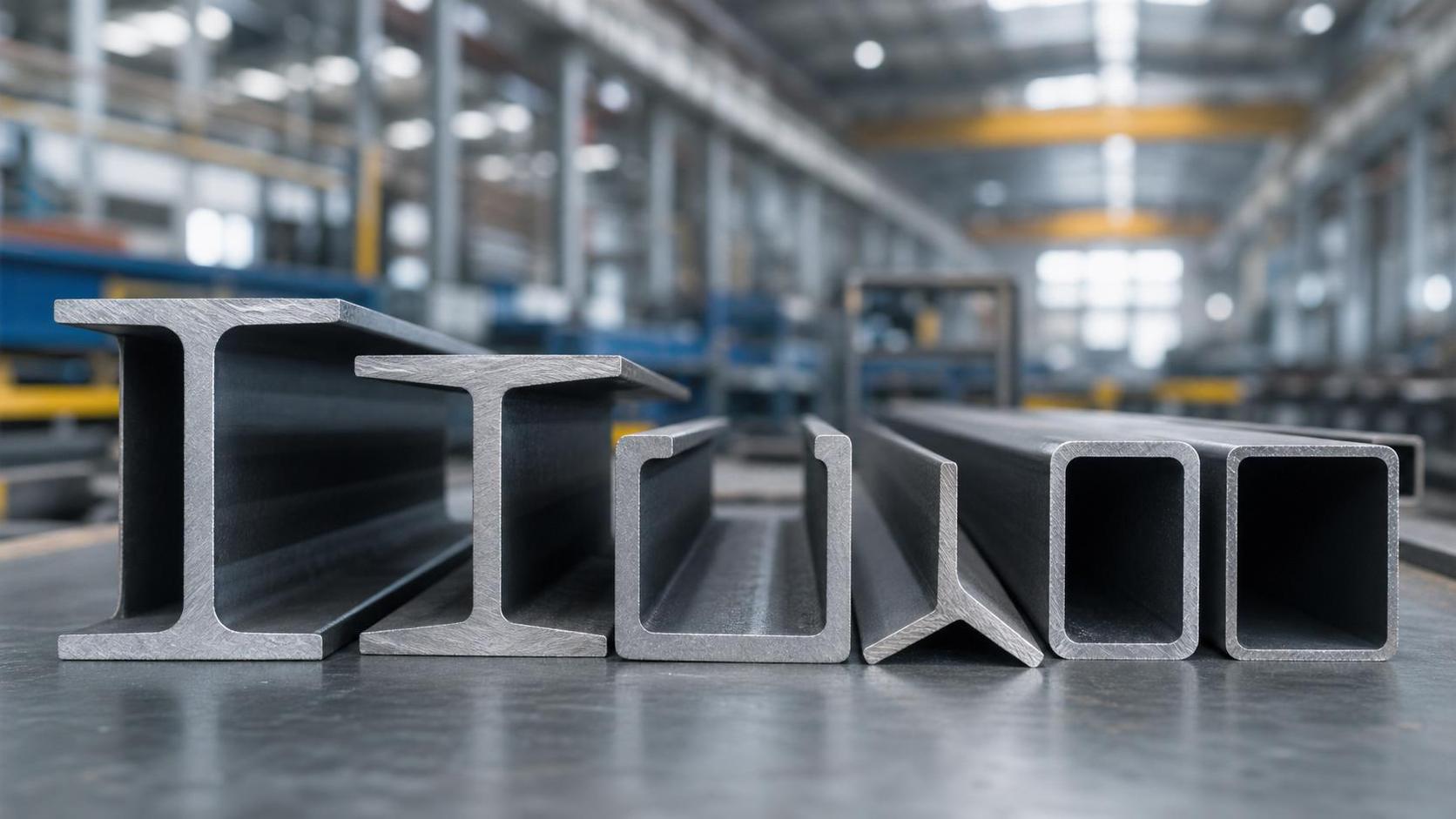
 What Is a Steel Profile? Common Shapes, Uses, and Selection BasicsProfile selection starts with shape, but performance depends on load, fabrication, and standards. Learn common steel profile types, uses, and smart selection basics.
 Steel Roofing Types Explained: Corrugated, Standing Seam, and Metal ShinglesSteel Roofing guide comparing corrugated panels, standing seam, and metal shingles. Discover costs, durability, weather performance, and how to choose the best roof for your home.
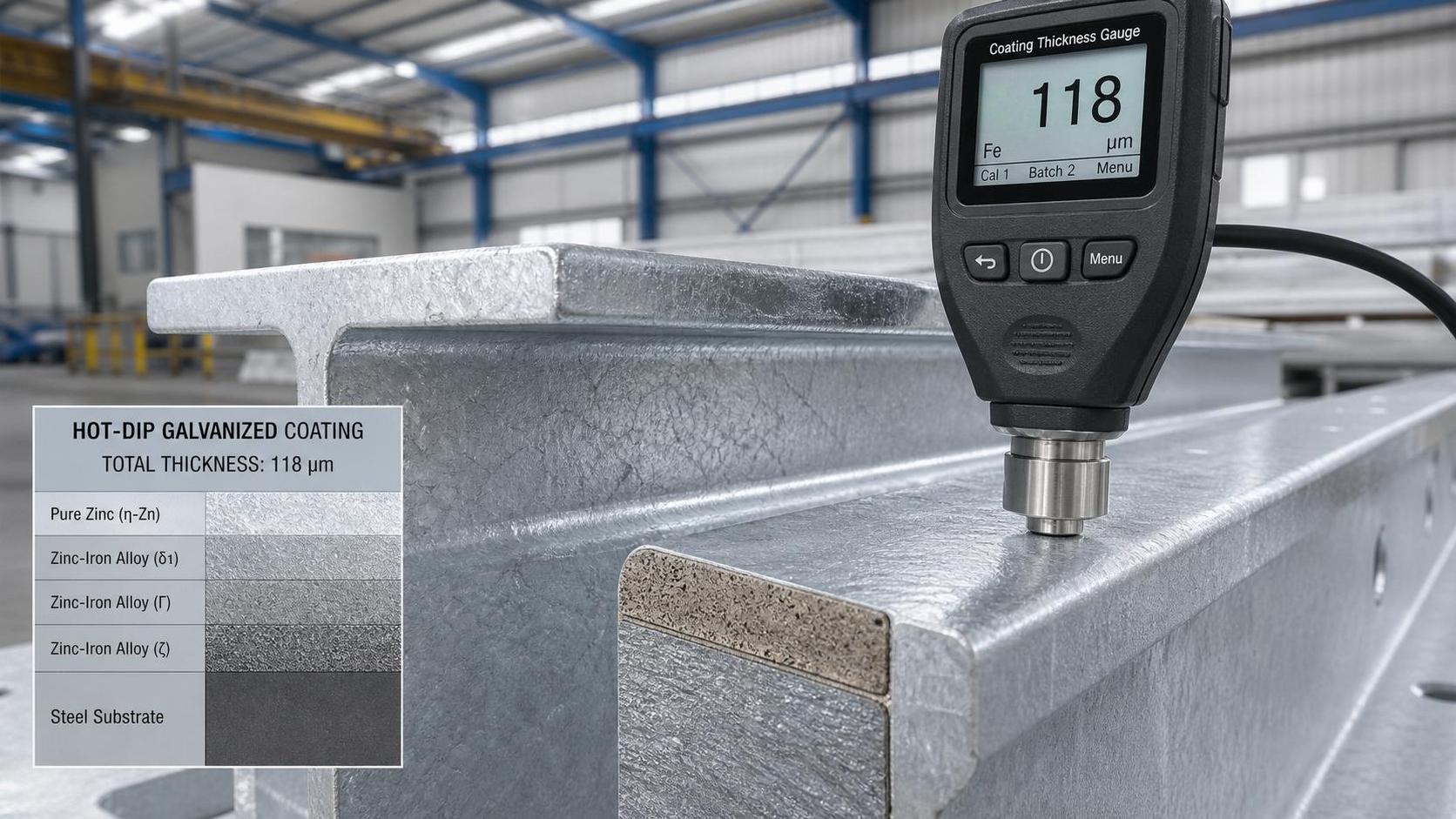
 How Hot-Dip Galvanized Coating Thickness Affects Service LifeHot-dip galvanized coating thickness directly affects steel service life. Learn how the right zinc layer improves corrosion protection, controls cost, and supports smarter project decisions.
 Pipe Stainless Grades Explained: 304 vs 316 for Corrosion ResistancePipe stainless grades explained: compare 304 vs 316 for corrosion resistance, cost, and service life. Learn which stainless pipe grade fits marine, chemical, and water system applications.


Please give us a message


Please enter what you want to find