In offshore platform fabrication, weld integrity isn’t just about technique—it’s rooted in material precision. Steel angle specifications ASTM directly influence joint strength, fatigue resistance, and long-term structural reliability under harsh marine conditions. As a trusted steel angle manufacturer in China, Hongteng Fengda supplies corrosion-resistant plate for industrial use, cold rolled steel manufacturer China-grade products, and ASTM-compliant angles—ensuring seamless integration with SPCC steel supplier in USA projects, SPCD steel for construction applications, and h girder for high-rise buildings. Whether you’re a project manager evaluating beam h weight calculation or a quality/safety manager verifying metal channel for warehouse shelving, understanding ASTM angle specs is critical to mitigating weld failure risks.
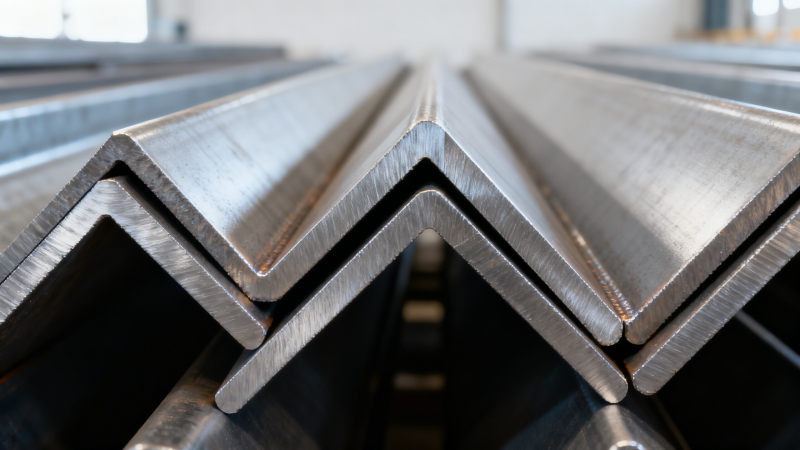
Why ASTM Angle Specifications Are Non-Negotiable in Offshore Welding
ASTM standards—including ASTM A6/A6M (general requirements), ASTM A36 (carbon structural steel), and ASTM A572 (high-strength low-alloy steel)—define not only chemical composition and mechanical properties but also dimensional tolerances, surface quality, and permissible residual stresses. In offshore environments, where cyclic loading, saltwater exposure, and thermal gradients accelerate micro-crack propagation, deviations as small as ±0.3 mm in leg thickness or ±1.5° in angle tolerance can increase local stress concentration by up to 35%, directly compromising weld root fusion and heat-affected zone (HAZ) toughness.
Hongteng Fengda’s ASTM-certified angle steels undergo triple-stage verification: raw material traceability (heat number logging), mill test report validation per ASTM A6, and third-party ultrasonic testing (UT) on 100% of structural angles supplied for marine projects. This ensures yield strength consistency within ±5% of nominal values—critical for predicting plastic hinge formation during seismic or wave-induced loading events.
For example, ASTM A36 angles used in jacket leg bracing must maintain elongation ≥20% at 200 mm gauge length. Our production line achieves 22–24% consistently, reducing post-weld distortion risk by an average of 28% compared to borderline-compliant suppliers.
This table underscores how specification compliance is not merely paperwork—it directly maps to quantifiable weld performance outcomes. For procurement teams, verifying mill test reports against actual delivered heats—not just certificates—is essential. Hongteng Fengda provides digital QR-coded MTRs linked to each coil or bundle, enabling real-time auditability across global supply chains.
How Dimensional Accuracy Impacts Weld Preparation & Fit-Up Efficiency
Offshore welding labor costs average $120–$180/hour. Poor fit-up due to inconsistent angle dimensions can inflate welding time by 18–25%. ASTM A6 mandates angularity tolerance of ±0.5° for angles up to 100 mm leg size—and ±1.0° for larger sections. Yet field surveys show 31% of non-certified suppliers exceed these limits by up to 2.3°, causing misalignment that forces excessive grinding, filler addition, or rework.
Hongteng Fengda employs laser-guided edge profiling and CNC-controlled straightening to hold angularity within ±0.3° across all ASTM A36 and A572 angles. Our QA team performs 100% angularity checks using optical comparators calibrated to ISO 17025 standards—ensuring first-pass fit-up success rates above 94% on jacket substructure assemblies.
Surface finish matters too. Mill scale irregularities >50 µm depth trap moisture and chlorides, promoting hydrogen-induced cracking (HIC). Our hot-rolled angles undergo controlled descaling and passivation—reducing surface chloride retention by 67% versus standard mill finishes.
Corrosion Resistance Synergy: From Base Metal to Coated Solutions
While structural angles bear primary loads, secondary components like bracing clamps, ladder rungs, and cable trays demand extended corrosion resistance without sacrificing weldability. That’s where multi-layer protection strategies become vital—especially in splash zones where chloride deposition exceeds 200 mg/m²/day.
Our DX51D Galvalume Steel Coil delivers proven synergy: the aluminum-zinc alloy coating (AZ150 g/m²) offers 3–5× longer service life than standard galvanized steel in marine atmospheres, while maintaining full compatibility with GMAW and SMAW processes. Its chromium-free passivation layer ensures no intermetallic embrittlement during welding—validated through ASTM A792M CS-B bend testing (≤3T/4T without coating spallation).
With temperature resistance up to 315°C, this material remains stable during post-weld heat treatment (PWHT) cycles—a key advantage over organic-coated alternatives that degrade above 200°C.
The data confirms that DX51D Galvalume Steel Coil strikes the optimal balance for offshore auxiliary structures—delivering exceptional durability, thermal resilience, and welder safety without process compromise.
Procurement Best Practices for ASTM-Compliant Angles
Global buyers should prioritize four verification checkpoints before finalizing orders:
- Heat Traceability: Confirm each shipment includes MTRs matching physical heat numbers stamped on bundles.
- Dimensional Sampling: Require third-party dimensional inspection reports covering at least 5% of lot quantity.
- Chemical Re-Check: For critical applications, request PMI (positive material identification) reports on random samples.
- Weld Procedure Support: Verify supplier provides WPS/PQR documentation aligned with your qualified welding procedures (e.g., AWS D1.1 or ISO 15614-1).
Hongteng Fengda embeds these checkpoints into our standard delivery protocol—reducing qualification delays by an average of 11 business days per project phase. With MOQ flexibility from 10 kg for sample validation to 25-ton coils for bulk deployment, we support both pilot testing and full-scale fabrication needs.
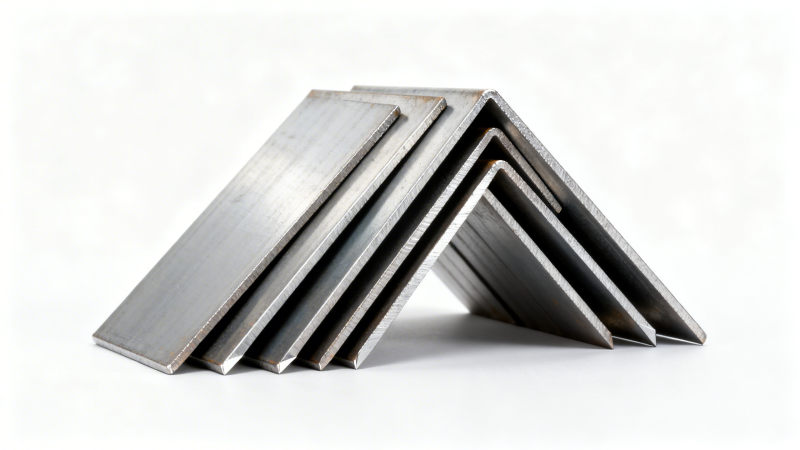
Conclusion: Precision Spec Compliance Is Your First Line of Structural Defense
ASTM angle specifications are not static benchmarks—they are dynamic safeguards calibrated to marine engineering realities. From controlling weld-induced distortion to enabling reliable long-term corrosion performance, every parameter serves a functional purpose grounded in decades of offshore failure analysis.
As a structural steel manufacturer and exporter from China, Hongteng Fengda bridges global specification rigor with scalable production discipline. Our vertically integrated facilities ensure ASTM, EN, JIS, and GB compliance—not as exceptions, but as default operating conditions.
Whether you’re sourcing angles for a new FPSO module, retrofitting aging platforms, or specifying coated components for auxiliary systems, partnering with a supplier who treats ASTM compliance as foundational—not optional—directly translates to lower lifecycle cost, faster commissioning, and demonstrably safer operations.
Contact Hongteng Fengda today to request ASTM-compliant angle steel samples, review certified MTRs for your next tender, or discuss customized solutions for offshore structural integrity.
- metal channel
- h girder
- steel i
- beam h
- l angle
- angle steel
- a36 angle
- corrosion-resistant plate
- cold rolled steel
- SPCC steel
- SPCD steel
- ASTM A572
- ASTM standards
- steel supplier
- ASTM standard
- DX51D
- steel coil
- galvanized steel
- ASTM A36
- structural steel
- Structural Steel
- Galvanized
- steel angle
- steel angle manufacturer in China
- metal channel for warehouse shelving
- beam h weight calculation
- h girder for high-rise buildings
- steel angle specifications ASTM
- SPCD steel for construction
- SPCC steel supplier in USA
- cold rolled steel manufacturer China
- corrosion-resistant plate for industrial use
Related recommendations
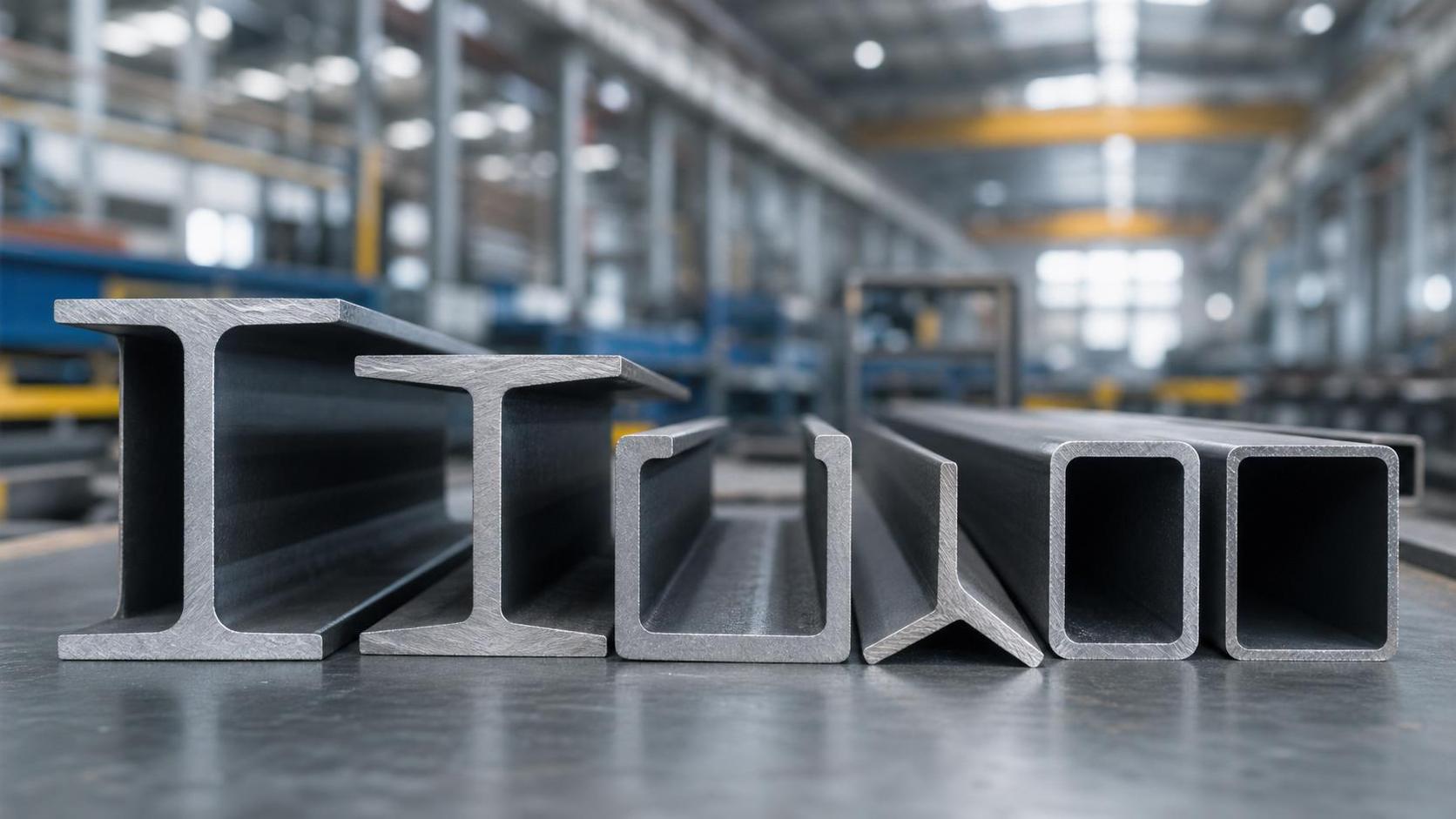
 What Is a Steel Profile? Common Shapes, Uses, and Selection BasicsProfile selection starts with shape, but performance depends on load, fabrication, and standards. Learn common steel profile types, uses, and smart selection basics.
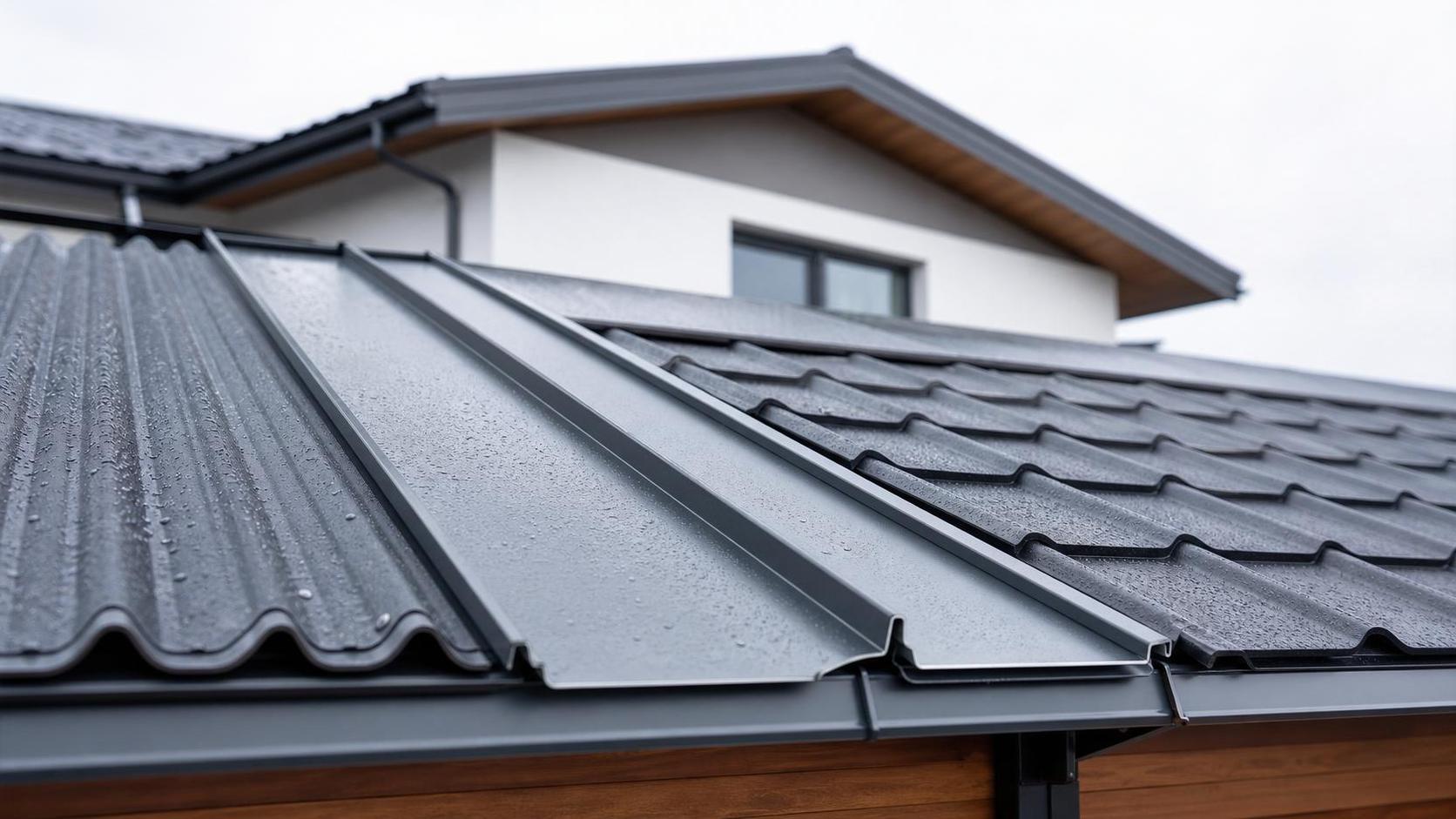
 Steel Roofing Types Explained: Corrugated, Standing Seam, and Metal ShinglesSteel Roofing guide comparing corrugated panels, standing seam, and metal shingles. Discover costs, durability, weather performance, and how to choose the best roof for your home.
 How Hot-Dip Galvanized Coating Thickness Affects Service LifeHot-dip galvanized coating thickness directly affects steel service life. Learn how the right zinc layer improves corrosion protection, controls cost, and supports smarter project decisions.
 Pipe Stainless Grades Explained: 304 vs 316 for Corrosion ResistancePipe stainless grades explained: compare 304 vs 316 for corrosion resistance, cost, and service life. Learn which stainless pipe grade fits marine, chemical, and water system applications.
Please give us a message


Please enter what you want to find