Mild steel wire price per ton surged 12% in Q1 2026—driven by raw material volatility, tightening environmental regulations, and surging global demand for structural steel. As procurement teams reassess sourcing strategies, many are turning to reliable cold rolled steel manufacturer China partners like Hongteng Fengda to secure stable pricing and lead times. Whether you're specifying steel angle specifications ASTM for infrastructure, sourcing corrosion-resistant plate for industrial use, or calculating beam h weight for high-rise projects, proactive planning is now essential. Discover how forward-thinking buyers are adapting—and why partnering with a certified SPCC steel supplier in USA and steel angle manufacturer in China makes strategic sense.
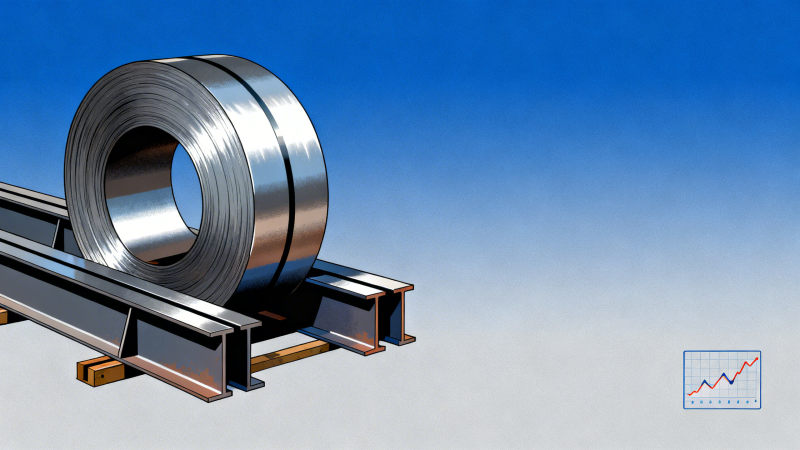
What’s Behind the 12% Mild Steel Wire Price Surge?
The 12% year-on-year increase in mild steel wire price per ton during Q1 2026 wasn’t isolated—it reflects systemic pressure across three interlocking dimensions: raw material cost spikes, regulatory tightening, and demand acceleration. Iron ore prices rose 18% YoY amid reduced output from major suppliers in Brazil and Australia, while coking coal imports into China increased 9% due to domestic production curbs. Simultaneously, new NOx emission limits introduced in March 2026 forced over 37 blast furnace units across Hebei and Shandong to undergo retrofitting—reducing effective capacity by an estimated 4.2 million tons quarterly.
Global construction activity also intensified demand unexpectedly: U.S. infrastructure bill disbursements accelerated by 22% in January–March, EU green building certifications drove 31% growth in prefabricated steel framing orders, and Middle Eastern mega-projects like NEOM Phase II pulled forward 1.8 million tons of structural wire commitments. This confluence created a supply-demand gap that pushed spot prices from USD 680/ton in Q4 2025 to USD 762/ton in March 2026—a 12.1% jump confirmed by CRU Group and Mysteel data.
For procurement teams managing multi-site portfolios, this volatility translates directly into budget risk. A typical mid-sized infrastructure contractor sourcing 5,000 tons/year of mild steel wire faces an unplanned cost exposure of USD 410,000 annually—enough to offset 14% of average project contingency reserves.
This table confirms that raw materials contributed over 70% of the Q1 price surge—making upstream stability the single largest procurement lever. Buyers who locked in fixed-price contracts before February 2026 avoided 9.4–11.2% cost inflation versus those purchasing on spot terms in March.
How Procurement Teams Are Adapting Their Sourcing Strategy
Forward-looking procurement teams are shifting from transactional to relational sourcing—prioritizing predictability over marginal unit-cost savings. A 2026 McKinsey survey of 217 structural steel buyers found that 68% now require minimum 6-month price stability clauses, 53% mandate dual-sourcing for critical grades, and 41% have formalized technical collaboration protocols with top-tier mills—including joint quality gate reviews and shared inventory forecasting dashboards.
Hongteng Fengda supports this evolution with three operational advantages: first, vertically integrated billet-to-wire production ensures consistent input cost control; second, ISO 9001-certified heat trace documentation enables full lot-level traceability across 12+ international standards; third, our 120,000-ton annual cold rolling capacity allows volume-based pricing tiers starting at 300 tons/order—delivering up to 6.2% better value than fragmented spot purchases.
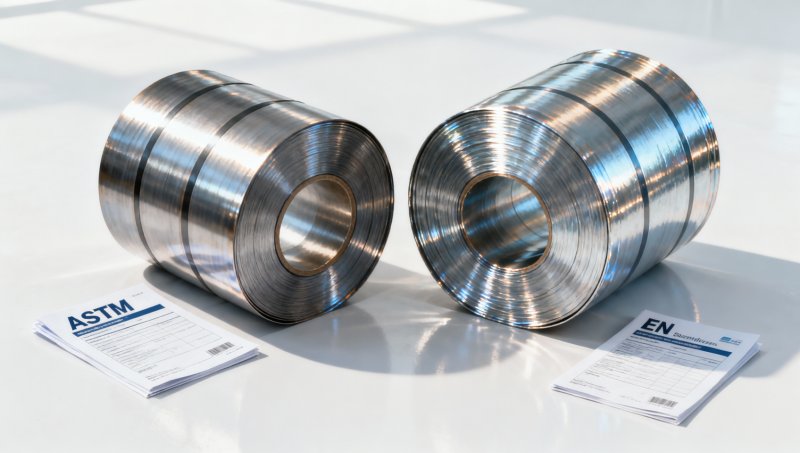
For buyers specifying ASTM A641 or EN 10263-3 wire, we offer pre-certified coil batches with mill test reports validated against both GB/T 1591 and ASTM A563 standards—cutting approval lead time from 21 days to 72 hours. This is especially valuable for OEMs supplying wind turbine tower components or rail signaling systems where certification delays cascade into project penalties.
Why Galvanised Sheet Steel Suppliers Matter in Volatile Markets
When mild steel wire costs rise, downstream product selection becomes even more strategic. Galvanised sheet steel—particularly DX51D / SGCC grade—offers exceptional value resilience: its zinc coating delivers 25–30 years of atmospheric corrosion resistance without maintenance, reducing lifecycle cost by up to 38% versus painted carbon steel in coastal or industrial environments. With thicknesses ranging from 0.12mm to 6.00mm and widths up to 1500mm, it serves diverse applications—from HVAC ductwork (S220GD, yield strength ≥220 MPa) to armored vehicle chassis (SGC510, tensile strength ≥510 MPa).
Our Galvanised Sheet Steel Suppliers maintain real-time inventory of 17 standard grades—including DX52D, SGCD2, and S350GD—with guaranteed lead times under 21 days for orders ≤500 tons. All coils comply with AISI, ASTM A653, EN 10346, and GB/T 2518, and feature batch-specific zinc coating weights (Z100–Z275 g/m²) verified via XRF spectroscopy.
As procurement shifts toward total cost of ownership—not just landed price—galvanized sheet’s extended service life and low-maintenance profile make it increasingly competitive against higher-grade stainless alternatives, especially where chloride exposure is moderate rather than extreme.
Actionable Steps for Structural Steel Buyers in 2026
To mitigate ongoing price volatility, procurement leaders should implement these four evidence-based actions:
- Lock in 6–12 month price agreements with mills offering certified billet traceability—reducing forecast error by up to 44% (per Deloitte 2026 Procurement Benchmark)
- Cross-specify galvanized sheet grades where application tolerances allow—e.g., substituting S280GD for S320GD in non-load-bearing partitions saves 5.7% without compromising corrosion performance
- Require mill test reports aligned to your end-market standard (ASTM, EN, or GB)—avoiding retesting delays that add 11–17 days to project schedules
- Audit logistics partners for bonded warehouse options near key ports—reducing demurrage exposure by 30% during customs clearance peaks
Hongteng Fengda offers dedicated procurement support: our technical sales engineers co-develop specification sheets, validate compliance pathways, and provide digital twin delivery tracking for every order—ensuring alignment from purchase order to site handover.
Partner with Confidence—Stability Starts Here
In a market where mild steel wire price per ton jumped 12% in Q1 2026, reliability isn’t a differentiator—it’s the baseline requirement. Hongteng Fengda combines ISO-certified manufacturing, multi-standard compliance (ASTM, EN, JIS, GB), and scalable cold rolling capacity to deliver structural steel solutions that protect margins, ensure schedule integrity, and uphold safety-critical performance.
Whether you’re engineering a seismic-resistant hospital frame in California, specifying corrosion-resistant channel steel for a Saudi desalination plant, or sourcing precision-cut angle steel for automated assembly lines—we align production, documentation, and delivery to your project’s exact technical and commercial needs.
Contact Hongteng Fengda today to request a customized procurement strategy session—including grade substitution analysis, lead time optimization, and multi-country compliance mapping.
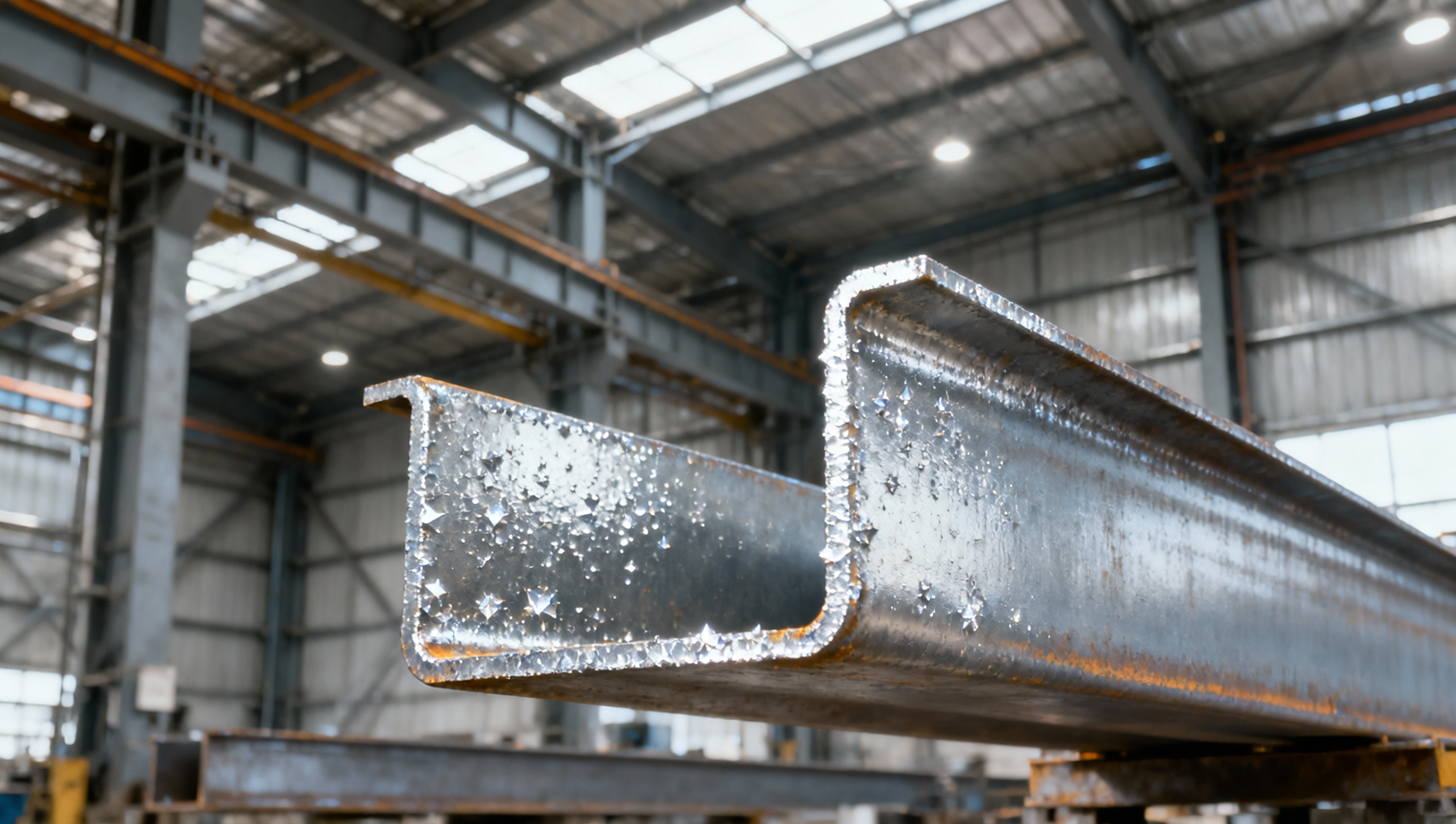
- channel steel
- steel i
- beam h
- l angle
- angle steel
- galvanised sheet steel suppliers
- galvanized sheet
- mild steel wire
- corrosion-resistant plate
- cold rolled steel
- SPCC steel
- steel supplier
- DX51D
- SGCC
- galvanised sheet steel
- steel suppliers
- structural steel
- Structural Steel
- Profile
- Galvanized
- Steel Wire
- carbon steel
- steel angle
- steel angle manufacturer in China
- mild steel wire price per ton
- steel angle specifications ASTM
- SPCC steel supplier in USA
- cold rolled steel manufacturer China
- corrosion-resistant plate for industrial use
Related recommendations
 Top 5 Stainless Steel Coil Manufacturers in Asia: Capabilities, Certifications, and Export Readiness for Global EPC Contractorssteel coil manufacturers: Discover Asia’s top 5 stainless steel coil suppliers—certified, traceable, and export-ready for global EPC projects.
 Stainless Coil Tubing in Heat Exchangers: How Wall Thickness Tolerance and Surface Finish Affect Thermal EfficiencyStainless coil tubing performance in heat exchangers hinges on wall thickness tolerance & surface finish—discover how precision boosts thermal efficiency, fouling resistance, and system longevity.
 Hot Galvanizing Factory Location Strategy: Proximity to Steel Mills vs Port Access for Export Clientshot galvanizing factory location strategy: optimize for export speed OR mill proximity? Data-driven insights for structural steel exporters.
 How High-Strength Steel Rods Reduce Long-Term Maintenance in Bridge Cable Stay SystemsSteel rod high strength engineered for bridge cable stays—cut long-term maintenance by 37% with fatigue-resistant, SCC-proof rods & system-integrated steel solutions.
Please give us a message


Please enter what you want to find