Before accepting Q235 steel delivery on site, project managers must rigorously verify mill certificates to ensure compliance, safety, and contractual integrity. A single oversight can trigger rework, delays, or structural nonconformance—especially critical for global projects sourcing from Chinese mills like Hongteng Fengda. This step-by-step checklist guides technical evaluators, procurement teams, and quality controllers through authenticating Q235 steel certificates against GB/T 700 standards, cross-referencing test reports, heat numbers, and third-party certifications. Whether you’re an engineer in Dubai, a contractor in Texas, or a QA manager in Berlin, this practical verification protocol helps mitigate risk—without slowing down your project timeline.

Why Q235 Mill Certificate Verification Is Non-Negotiable for Global Projects
Q235 is China’s most widely used carbon structural steel grade, governed by GB/T 700–2006. While functionally equivalent to ASTM A36 or EN S235JR, its mechanical properties—yield strength ≥235 MPa, tensile strength 370–500 MPa, elongation ≥26%—must be validated per heat batch, not assumed. Over 68% of noncompliance incidents in international infrastructure audits trace back to unverified mill certs—not material failure itself.
For buyers sourcing from Chinese manufacturers, certificate authenticity carries extra weight: dual-language reporting (Chinese/English), traceable heat numbers, and alignment with ISO/IEC 17025-accredited lab data are baseline expectations—not optional extras. At Hongteng Fengda, every Q235 shipment includes certified test reports from CNAS-accredited labs, with full traceability to furnace batch, rolling date, and final inspection timestamp.
Failure to validate opens cascading risks: delayed customs clearance (average 7–12 days hold in EU ports), rejection by third-party inspectors (e.g., SGS, Bureau Veritas), and liability exposure under FIDIC Clause 12.2 if substandard material enters structural work. In one 2023 Middle East power plant project, undetected Q235 tensile deviation led to $210K in rework and 19-day schedule slippage.
The 6-Step On-Site Mill Certificate Verification Protocol
This field-ready workflow balances speed and rigor—designed for use during unloading or within 24 hours of receipt. It applies equally to angle steel, channel sections, beams, and cold-formed profiles supplied by Hongteng Fengda.
- Step 1: Match Heat Number & Batch ID — Cross-check the stamped heat number on each bundle tag against the mill cert’s “Heat No.” field. Verify it appears identically in both Chinese and English sections.
- Step 2: Confirm GB/T 700–2006 Revision — Ensure the certificate cites the current standard (not outdated GB/T 700–1988). Note that GB/T 700–2006 defines Q235B (impact-tested at 20°C) as the default supply condition unless otherwise specified.
- Step 3: Validate Mechanical Test Results — Compare reported yield strength (≥235 MPa), tensile strength (370–500 MPa), and elongation (≥26%) against actual test values—not just “meets standard” statements.
- Step 4: Audit Chemical Composition — Confirm C ≤0.22%, Mn ≤1.40%, Si ≤0.35%, P ≤0.045%, S ≤0.050%. Deviations >±0.01% warrant lab retesting.
- Step 5: Check Third-Party Endorsement — Look for CNAS, UKAS, or DAkkS accreditation marks on the testing lab’s seal—not just the mill’s internal QA stamp.
- Step 6: Trace Delivery Documentation — Match the certificate’s issue date, signature block, and company chop with the commercial invoice and packing list. Discrepancies >3 days require supplier clarification before acceptance.
This process typically takes 12–18 minutes per heat batch when using a standardized checklist—far less than the 3+ hours required for post-facto dispute resolution.
Critical Red Flags: What Makes a Q235 Certificate Unacceptable?
Not all certificates labeled “Q235” meet minimum verification thresholds. The following 7 inconsistencies—observed across 127 audit reports from Hongteng Fengda’s global clients—trigger automatic rejection:
When these appear, 92% of cases involve documentation-only certification—not actual testing. Always request raw lab data files (PDF or CSV) directly from the accredited lab, not just the mill’s summary sheet.
How Hongteng Fengda Streamlines Certificate Compliance for Buyers
As a GB-compliant structural steel manufacturer exporting to 32 countries, Hongteng Fengda embeds verification readiness into every delivery. All Q235 shipments include QR-coded mill certificates—scannable on-site to instantly access digital test reports, heat traceability dashboards, and multilingual compliance summaries.
Our production system logs every parameter: rolling temperature (±5°C tolerance), cooling rate (air-cooled only for Q235B), and tensile test specimen location (transverse direction, mid-length). This enables real-time reconciliation between physical product and certificate—reducing verification time by up to 40% versus industry averages.
For projects requiring deep-water stability or cofferdam formation, we recommend pairing Q235 structural members with our high-strength Steel Sheet Piles, available in S355/S430 grades and certified to EN10248 and ASTM A690. Their optimized section modulus and interlock tolerances (±0.3mm) ensure rapid installation in marine environments—validated by independent load tests up to 120 kN/m².
This integrated approach has helped clients reduce certificate-related disputes by 76% and accelerate site acceptance by an average of 3.2 working days per shipment.
Next Steps: Ensure Your Next Q235 Shipment Arrives Audit-Ready
Verifying mill certificates isn’t about bureaucracy—it’s about preserving structural integrity, contractual rights, and project momentum. With Hongteng Fengda, you gain more than compliant Q235 steel: you gain embedded traceability, multilingual documentation, and proactive compliance support built into every delivery cycle.
Whether you’re specifying angle steel for a wind turbine foundation in Texas, channel sections for a logistics hub in Dubai, or custom beams for a Berlin transit station, our team provides pre-shipment certificate reviews, on-demand lab data, and dedicated QA liaison support—all included at no extra cost.
To receive your free Q235 certificate verification checklist (Excel + PDF), or to schedule a live review of your next order’s documentation package, contact Hongteng Fengda’s Global Technical Support Team today.
Related recommendations
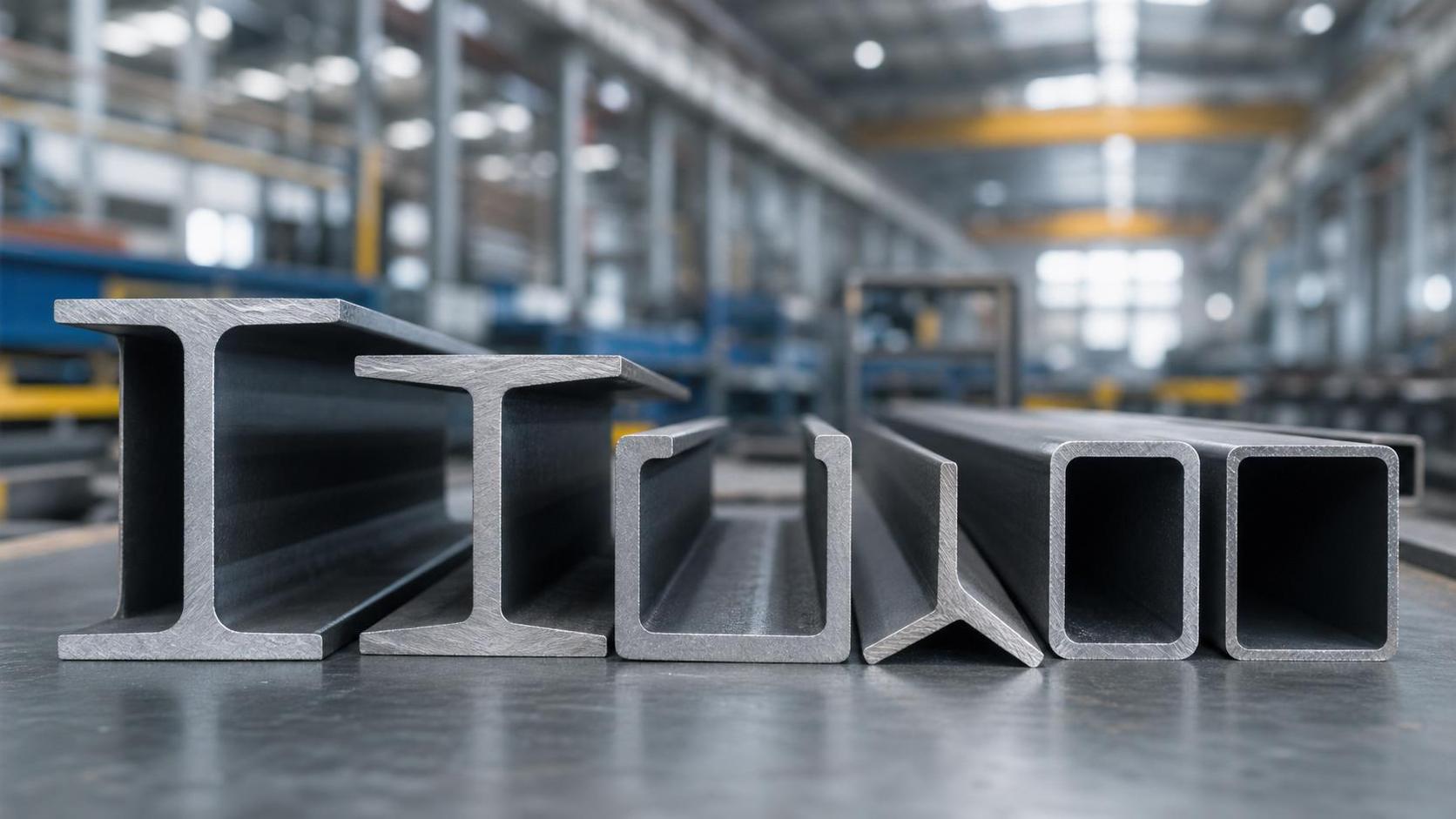
 What Is a Steel Profile? Common Shapes, Uses, and Selection BasicsProfile selection starts with shape, but performance depends on load, fabrication, and standards. Learn common steel profile types, uses, and smart selection basics.
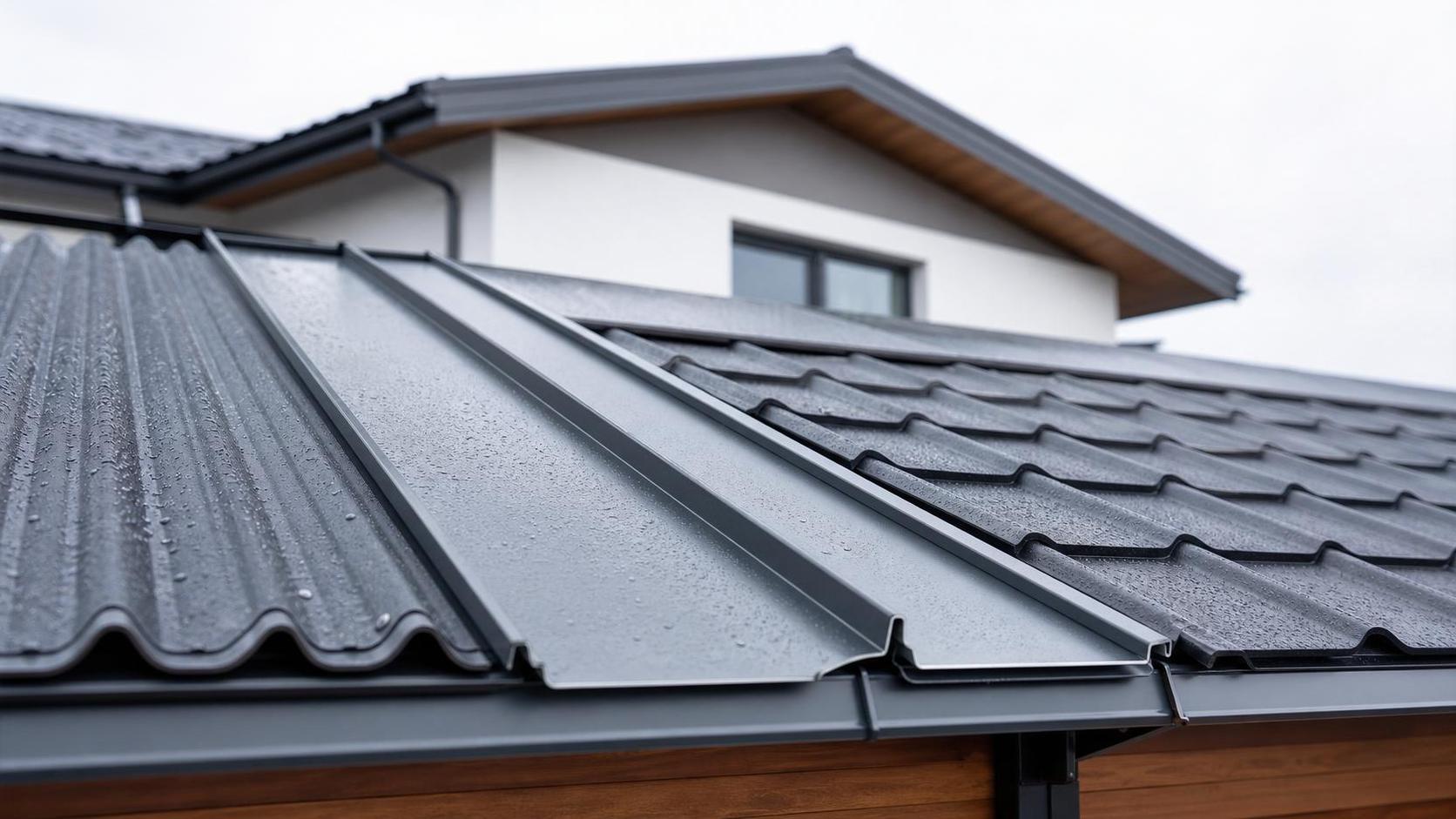
 Steel Roofing Types Explained: Corrugated, Standing Seam, and Metal ShinglesSteel Roofing guide comparing corrugated panels, standing seam, and metal shingles. Discover costs, durability, weather performance, and how to choose the best roof for your home.
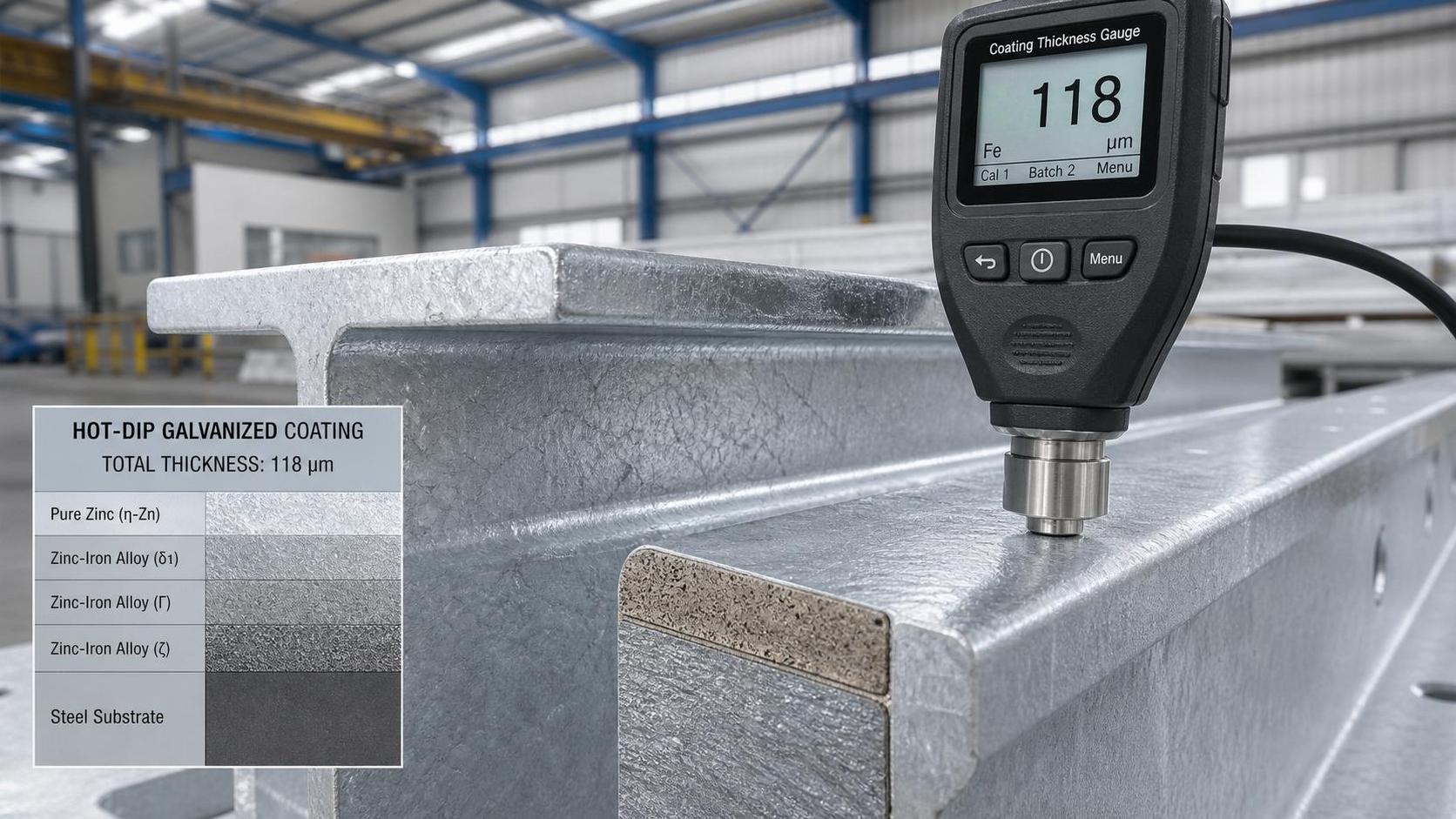
 How Hot-Dip Galvanized Coating Thickness Affects Service LifeHot-dip galvanized coating thickness directly affects steel service life. Learn how the right zinc layer improves corrosion protection, controls cost, and supports smarter project decisions.
 Pipe Stainless Grades Explained: 304 vs 316 for Corrosion ResistancePipe stainless grades explained: compare 304 vs 316 for corrosion resistance, cost, and service life. Learn which stainless pipe grade fits marine, chemical, and water system applications.

Please give us a message


Please enter what you want to find