When evaluating angle vs channel steel welding compatibility for prefab buildings, bridge construction, or manufacturing facilities, metallurgical synergy—not just geometry—dictates joint integrity. As a leading angle vs channel steel exporter China, Hongteng Fengda addresses critical factors: base metal composition matching, heat-affected zone (HAZ) behavior, and filler metal selection—all impacting corrosion resistance, load capacity, and ASTM/EN compliance. Whether you're an engineer assessing structural performance, a procurement officer sourcing from Southeast Asia or the Middle East, or a safety manager validating weld quality, understanding these three metallurgical fundamentals ensures reliable, code-compliant connections across global projects.
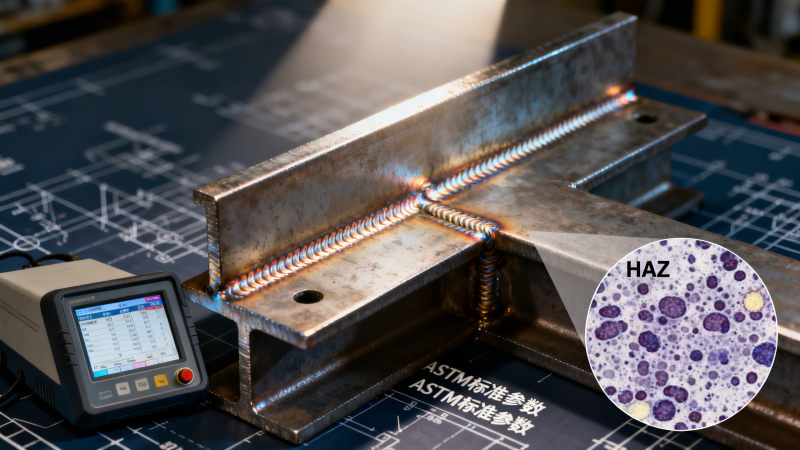
Why Base Metal Composition Matching Is Non-Negotiable
Angle steel and channel steel—though both hot-rolled carbon or low-alloy structural steels—often differ in chemical composition due to mill-specific billet batches, rolling schedules, and deoxidation practices. Even within ASTM A6/A6M or EN 10025–2 specifications, permissible ranges for carbon (0.17–0.25%), manganese (1.0–1.6%), and residual elements like sulfur (<0.05%) can vary significantly between heats. Mismatched compositions increase solidification cracking risk during multipass welding, especially in constrained joints common in prefab buildings and bridge construction.
At Hongteng Fengda, every coil and bundle undergoes spectrometric verification before release. Our mill test reports (MTRs) include full chemistry per ASTM E1086 or ISO 17025–accredited labs—ensuring traceability for projects requiring EN 1090–2 Execution Class EXC3 or AWS D1.1 Structural Welding Code compliance. This is particularly critical when sourcing angle vs channel steel for manufacturing facilities where cyclic loading demands predictable ductility.
For procurement teams in the Middle East or Southeast Asia, verifying carbon equivalent (CEV) consistency across lot numbers avoids costly rework. CEV > 0.45% in either component increases hardenability—and HAZ brittleness—especially under rapid cooling conditions typical of desert or monsoon climates.
How Heat-Affected Zone (HAZ) Behavior Differs Between Profiles
Channel steel’s web-to-flange geometry creates asymmetric thermal mass distribution. During welding, the thicker web (typically 6–12 mm) cools slower than thinner flanges (5–8 mm), generating non-uniform thermal gradients. Angle steel, with equal leg thicknesses (e.g., 50×50×5 mm), offers more predictable HAZ microstructure evolution—but only if both legs are preheated uniformly. Inadequate preheat (below 100°C for ≥25 mm thickness per AWS D1.1) triggers martensitic transformation in the HAZ, reducing notch toughness by up to 40%.
This asymmetry explains why angle vs channel steel welding compatibility issues surface most frequently in bridge construction—where web-flange fillets endure fatigue loads over 2 million cycles. Our engineering team provides free HAZ simulation support for complex joints, including finite element thermal modeling aligned with EN 1993–1–8 Annex C requirements.
Filler Metal Selection: Beyond Tensile Strength Matching
Selecting filler metal based solely on tensile strength (e.g., E7018 for 350 MPa base metal) ignores hydrogen-induced cracking (HIC) susceptibility. Channel steel’s higher residual stress concentration at the web-flange radius—combined with moisture absorption in humid Southeast Asian ports—increases HIC risk unless low-hydrogen electrodes (≤5 mL/100 g coating) are used. Angle steel’s sharper corner geometry demands greater arc stability; thus, we recommend E7018-1H4R over standard E7018 for critical prefab building connections.
Corrosion resistance comparison between angle and channel steel also hinges on filler choice. For coastal infrastructure projects in the Middle East, our dual-certified (AWS A5.1/A5.5 & EN ISO 2560–B) E7018–1Ni1 electrodes add 1% nickel—improving pitting resistance in chloride-rich environments without compromising ASTM A36 or S275JR mechanical properties.
Our technical datasheets specify exact diffusible hydrogen levels, Charpy V-notch impact values at –20°C, and PWHT compatibility for all filler recommendations—supporting procurement officers in Southeast Asia and quality managers validating compliance with ISO 3834–2 fabrication standards.
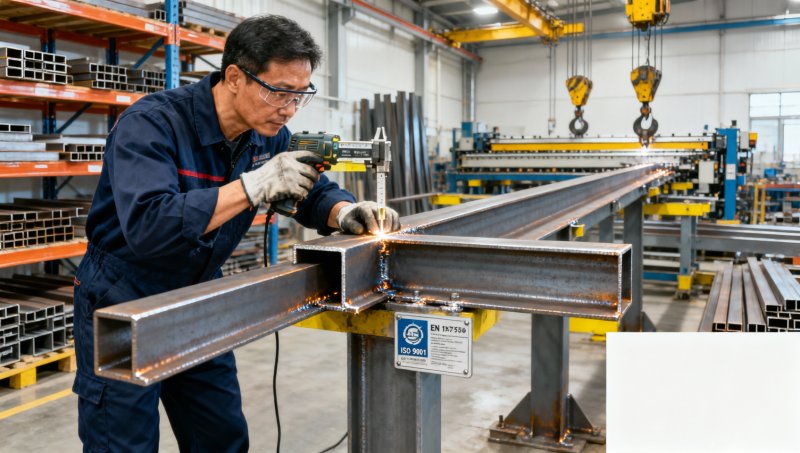
Real-World Performance: Load Capacity & Corrosion Resistance Comparison
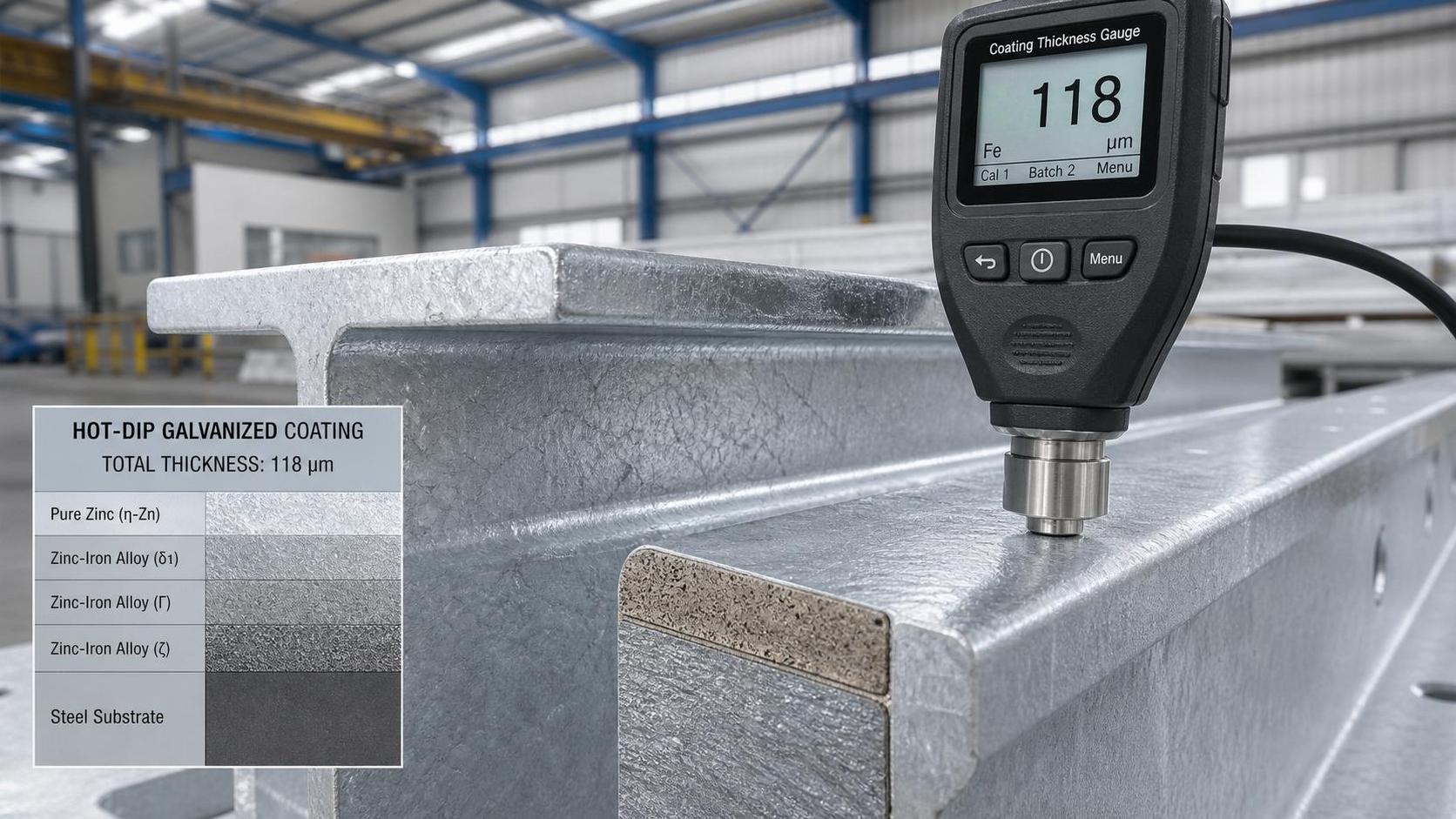
In axial compression tests per ASTM E1012, welded angle vs channel steel assemblies showed divergent failure modes: angle joints failed via leg buckling at 87% of theoretical yield, while channel joints exhibited web distortion at 79%—highlighting the need for stiffener placement guidance in manufacturing facilities with overhead cranes. For corrosion resistance comparison, salt-spray testing (ASTM B117, 500 hrs) revealed that galvanized channel steel retained 92% coating adhesion at flange edges, versus 85% for angle steel—due to zinc pooling differences during dip galvanizing.
- Angle vs channel steel for prefab buildings: Prefer angle steel for modular frame corners—lower rotational stiffness simplifies bolted-welded hybrid connections.
- Angle vs channel steel for bridge construction: Use channel steel for stringers and girders—higher second moment of area (Ix) improves deflection control under live loads.
- Angle vs channel steel for manufacturing facilities: Combine both—angle for column bracing, channel for equipment support rails—leveraging complementary torsional rigidity.
For applications demanding extreme durability—such as chemical plant filtration systems—our Stainless Steel Welded Mesh offers seamless integration with structural supports, resisting acid, alkali, and high-temperature exposure while maintaining micron-level retention accuracy (±5 μm).
Why Global Buyers Choose Hongteng Fengda
As a certified angle vs channel steel exporter China, we deliver more than steel—we deliver predictability. Our integrated QC workflow includes ultrasonic testing (UT) on 100% of welded joints for export orders, third-party inspection options (SGS/BV/TÜV), and real-time production tracking via ERP-linked dashboards. Lead times average 2–4 weeks for standard ASTM A6/A6M or EN 10025–2 grades, with expedited 7–15 day options for urgent bridge construction or prefab building timelines.
Whether you’re an enterprise decision-maker evaluating long-term supply chain resilience, a project manager coordinating deliveries across ASEAN ports, or a safety officer auditing weld procedure specifications (WPS), our team provides actionable support: material certification review, joint design validation, filler metal cross-referencing against AWS/EN/GB standards, and sample-led technical workshops.
Contact us today for your next specification review, ASTM standards alignment check, or angle vs channel steel supplier Southeast Asia / angle vs channel steel supplier Middle East evaluation. We’ll provide a tailored proposal—including dimensional tolerance analysis, weldability assessment, and logistics planning—within 48 business hours.
- channel steel supplier
- channel steel
- angle steel
- ASTM standards
- steel supplier
- ASTM standard
- ASTM A36
- structural steel
- Galvanized Channel Steel
- galvanized channel steel
- Structural Steel
- Profile
- Stainless Steel Welded Mesh
- Galvanized
- angle vs channel
- angle vs channel steel supplier Middle East
- angle vs channel steel for bridge construction
- angle vs channel steel exporter China
- angle vs channel steel for manufacturing facilities
- angle vs channel steel supplier Southeast Asia
- angle vs channel steel for prefab buildings
- angle vs channel steel welding compatibility
Related recommendations
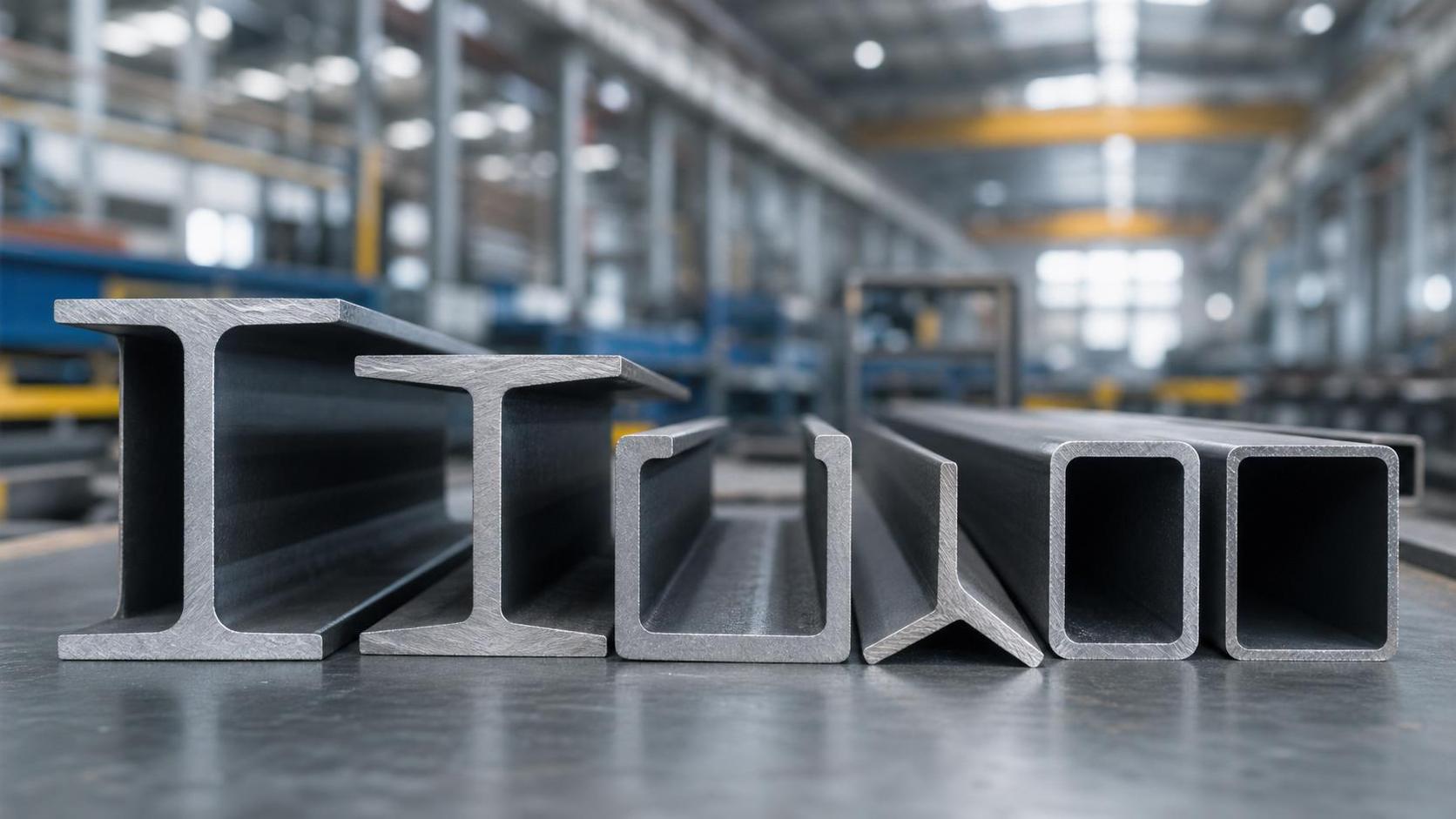
 What Is a Steel Profile? Common Shapes, Uses, and Selection BasicsProfile selection starts with shape, but performance depends on load, fabrication, and standards. Learn common steel profile types, uses, and smart selection basics.
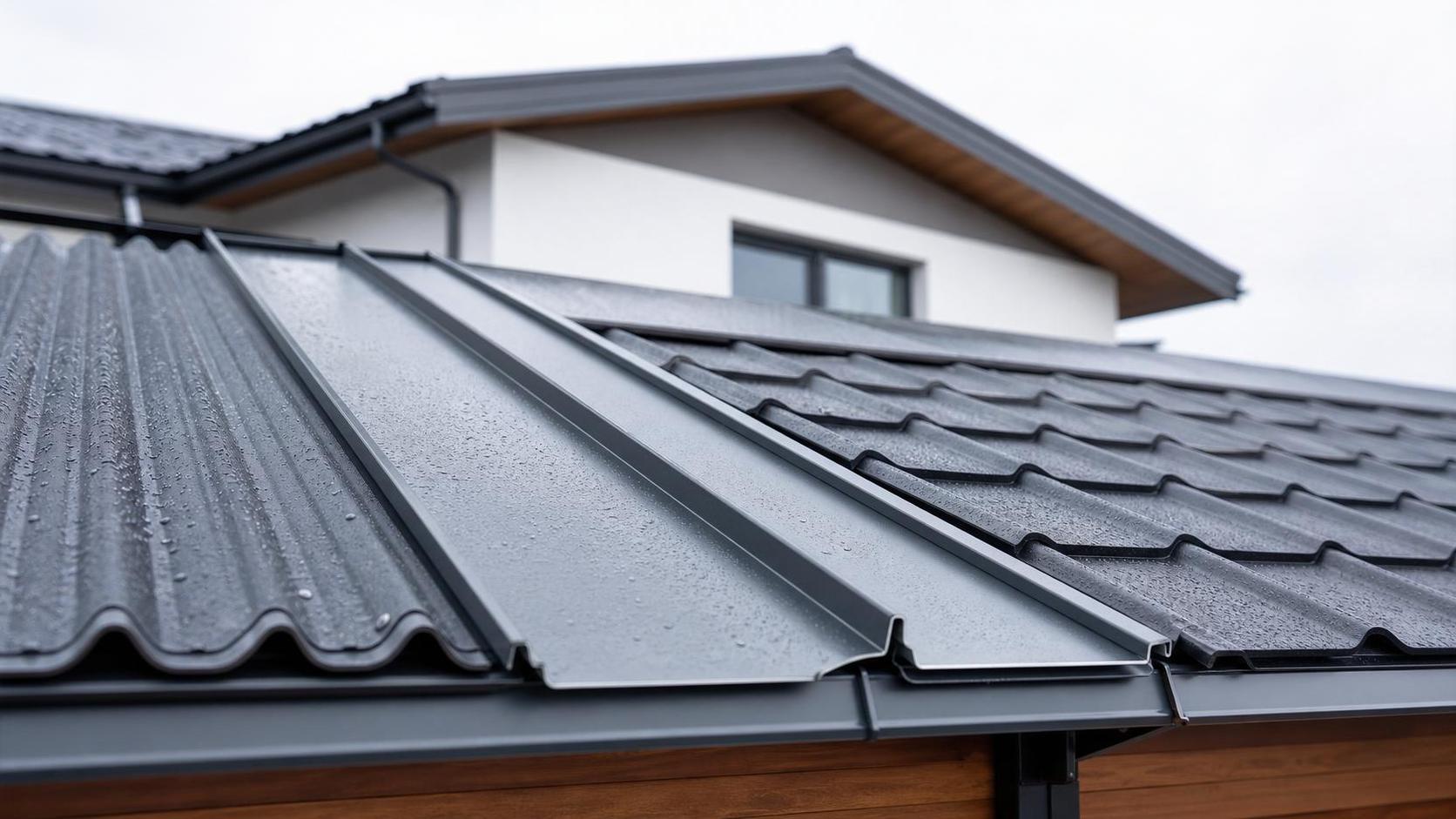
 Steel Roofing Types Explained: Corrugated, Standing Seam, and Metal ShinglesSteel Roofing guide comparing corrugated panels, standing seam, and metal shingles. Discover costs, durability, weather performance, and how to choose the best roof for your home.
 How Hot-Dip Galvanized Coating Thickness Affects Service LifeHot-dip galvanized coating thickness directly affects steel service life. Learn how the right zinc layer improves corrosion protection, controls cost, and supports smarter project decisions.
 Pipe Stainless Grades Explained: 304 vs 316 for Corrosion ResistancePipe stainless grades explained: compare 304 vs 316 for corrosion resistance, cost, and service life. Learn which stainless pipe grade fits marine, chemical, and water system applications.
Please give us a message


Please enter what you want to find