Choosing between angle and channel steel for high-strength applications demands precise material intelligence—especially when complying with EN 10025-4 or ASTM A572 standards. As a trusted angle vs channel steel global supplier, Hongteng Fengda delivers JIS certified, EN standards compliant structural steel for critical sectors including oil and gas, wind tower construction, mining equipment, and industrial infrastructure. Whether you're evaluating yield strength data, requesting an angle vs channel steel quotation, or sourcing bulk orders as an angle vs channel steel OEM manufacturer, our high-strength options meet rigorous performance and safety requirements—backed by ISO-certified production and worldwide delivery.
![Angle vs Channel Steel High Strength Options: Yield Strength Comparison Chart [EN 10025-4 vs ASTM A572]](https://usimg.bjyyb.net/sites/96500/96904/1772163243885850610913714176.png@!jw800 "Angle vs Channel Steel High Strength Options: Yield Strength Comparison Chart [EN 10025-4 vs ASTM A572]")
Understanding Yield Strength in Structural Steel Selection
Yield strength is the critical threshold at which structural steel begins to deform plastically under load. For engineers and procurement professionals working on load-bearing frameworks, exceeding this value compromises structural integrity. EN 10025-4 (S460ML, S355ML) and ASTM A572 (Gr. 50, Gr. 60, Gr. 65) define minimum yield strengths ranging from 355 MPa to 460 MPa—depending on grade, thickness, and heat treatment. These values are not interchangeable across standards due to differing testing protocols, chemical tolerances, and microstructural requirements.
Misalignment between specification and application often leads to over-engineering—or worse, premature failure. In wind tower construction, for example, flange connections require consistent yield behavior across weld zones; in mining equipment frames, localized stress concentrations demand uniform tensile-to-yield ratios. That’s why Hongteng Fengda validates every batch against both EN and ASTM test reports—not just mill certificates.
Our manufacturing process includes controlled thermomechanical rolling (TMR), post-rolling water quenching, and stress-relief annealing—all calibrated to achieve ±5 MPa tolerance around specified yield values. This precision supports angle vs channel steel for oil and gas industry projects where ASME B31.4/B31.8 compliance is non-negotiable.
Angle vs Channel Steel: Mechanical Behavior & Load Path Differences
While both profiles share common base materials, their geometry dictates distinct mechanical responses. Angle steel distributes load primarily through two perpendicular legs—ideal for bracing, corner reinforcement, and tension members. Channel steel, with its C-shaped cross-section and continuous web, excels in bending resistance and torsional stability—making it preferred for purlins, crane rails, and column bases.
Crucially, yield strength alone doesn’t determine suitability. Section modulus (Z), radius of gyration (r), and local buckling resistance must be evaluated together. For instance, a 100×100×10 mm equal-leg angle (EN 10025-4 S355ML) has a yield strength of 355 MPa—but its effective bending capacity drops 22% compared to a 120×65×8 mm channel (same grade) under identical moment loading.
The following table compares representative high-strength variants across key mechanical and dimensional parameters:
Note: CEV (Carbon Equivalent Value) below 0.45 indicates good weldability without preheating for sections ≤25 mm thick. All listed grades comply with angle vs channel steel EN standards compliance and are routinely supplied to angle vs channel steel for wind tower construction clients across Europe and Southeast Asia.
Material Certification & Traceability for Global Projects
For international infrastructure contracts, documentation isn’t optional—it’s contractual. Hongteng Fengda issues EN 10204 3.2 inspection certificates with full traceability to heat number, rolling date, and mechanical test results per EN ISO 6892-1. Each shipment includes dimensional verification reports (±0.5 mm tolerance on leg length and thickness), ultrasonic testing records (UT Level B per EN 10160), and third-party witnessed tensile/yield validation by SGS or Bureau Veritas.
We also support dual-certification requests—e.g., ASTM A572 Gr. 50 + EN 10025-2 S355JR—for mixed-standard projects in the Middle East. Lead time for certified batches remains stable at 2–4 weeks, regardless of order volume—from single-test samples to 500 MT angle vs channel steel bulk order supplier shipments.
Beyond structural grades, we supply complementary stainless solutions like 201 Stainless Steel Coil for corrosion-prone auxiliary components. With ≥275 MPa yield strength and cold-work hardening capability, it serves as a cost-efficient alternative in non-critical cladding, conveyor guards, and fasteners where full 304-grade performance isn’t required.
Procurement Best Practices for High-Strength Structural Steel
To avoid delays and rework, procurement teams should follow these four validated steps:
- Specify exact standard + grade + thickness range—not just “high strength” or “structural grade”;
- Require EN 10204 3.2 or ASTM A6/A6M certification upfront—never accept 2.1 as substitute;
- Validate dimensional tolerances against EN 10056-1 (angles) or EN 10162 (channels), not just nominal size;
- Confirm packaging method: bundled with protective edge guards for transport >1,000 km.
Hongteng Fengda offers free technical review of your bill of materials (BOM) within 48 hours. Our engineering team cross-checks profile compatibility, suggests optimized substitutions (e.g., S460ML angle instead of S355J2 for 12% weight reduction), and flags potential fabrication conflicts—before quoting.
As a professional angle vs channel steel for mining equipment partner, we’ve delivered over 8,200 MT of certified sections to Tier-1 OEMs since 2021—with zero rejection rate on mechanical property compliance.
Why Partner with a China-Based Structural Steel Manufacturer?
Global buyers increasingly prioritize resilience over lowest unit price. Hongteng Fengda combines ISO 9001:2015 and ISO 14001:2015 certified production with dedicated export logistics—ensuring consistent quality across 120+ container shipments monthly. Our facility maintains 30-day raw material buffer stock, enabling rapid response to urgent angle vs channel steel quotation request scenarios.
![Angle vs Channel Steel High Strength Options: Yield Strength Comparison Chart [EN 10025-4 vs ASTM A572]](https://usimg.bjyyb.net/sites/96500/96904/1772248864886209727645868032.jpeg@!jw800 "Angle vs Channel Steel High Strength Options: Yield Strength Comparison Chart [EN 10025-4 vs ASTM A572]")
Unlike commodity traders, we own rolling mills, heat treatment lines, and automated cutting centers—giving us direct control over grain refinement, yield plateau consistency, and surface finish uniformity. This vertical integration reduces lead-time variance to ±1.2 days versus industry average of ±5.7 days.
For project managers needing turnkey support, we provide DFM (Design for Manufacturability) consultation, custom cut-to-length services (±0.8 mm tolerance), and multilingual documentation—English, Arabic, Spanish, and Russian—all included at no extra cost.
Get Your Customized High-Strength Steel Solution Today
Whether you’re specifying for offshore platforms, modular housing, or heavy-duty conveyors, selecting the right angle or channel steel starts with verified yield performance—not marketing claims. Hongteng Fengda delivers angle vs channel steel high strength options backed by real-world testing, global certifications, and responsive engineering collaboration.
Contact our technical sales team today to receive a detailed yield strength comparison chart tailored to your project’s load cases, environmental conditions, and compliance requirements—or request a sample batch with full EN/ASTM test reports.
- channel steel
- l angle
- angle steel
- equal angle
- ASTM A572
- steel coil
- structural steel
- Structural Steel
- 201 stainless steel coil
- stainless steel coil
- Profile
- S355JR
- angle vs channel
- angle vs channel steel bulk order supplier
- angle vs channel steel for mining equipment
- angle vs channel steel EN standards compliance
- angle vs channel steel OEM manufacturer
- angle vs channel steel for wind tower construction
- angle vs channel steel high strength options
- angle vs channel steel quotation request
- angle vs channel steel for oil and gas industry
- angle vs channel steel global supplier
Related recommendations
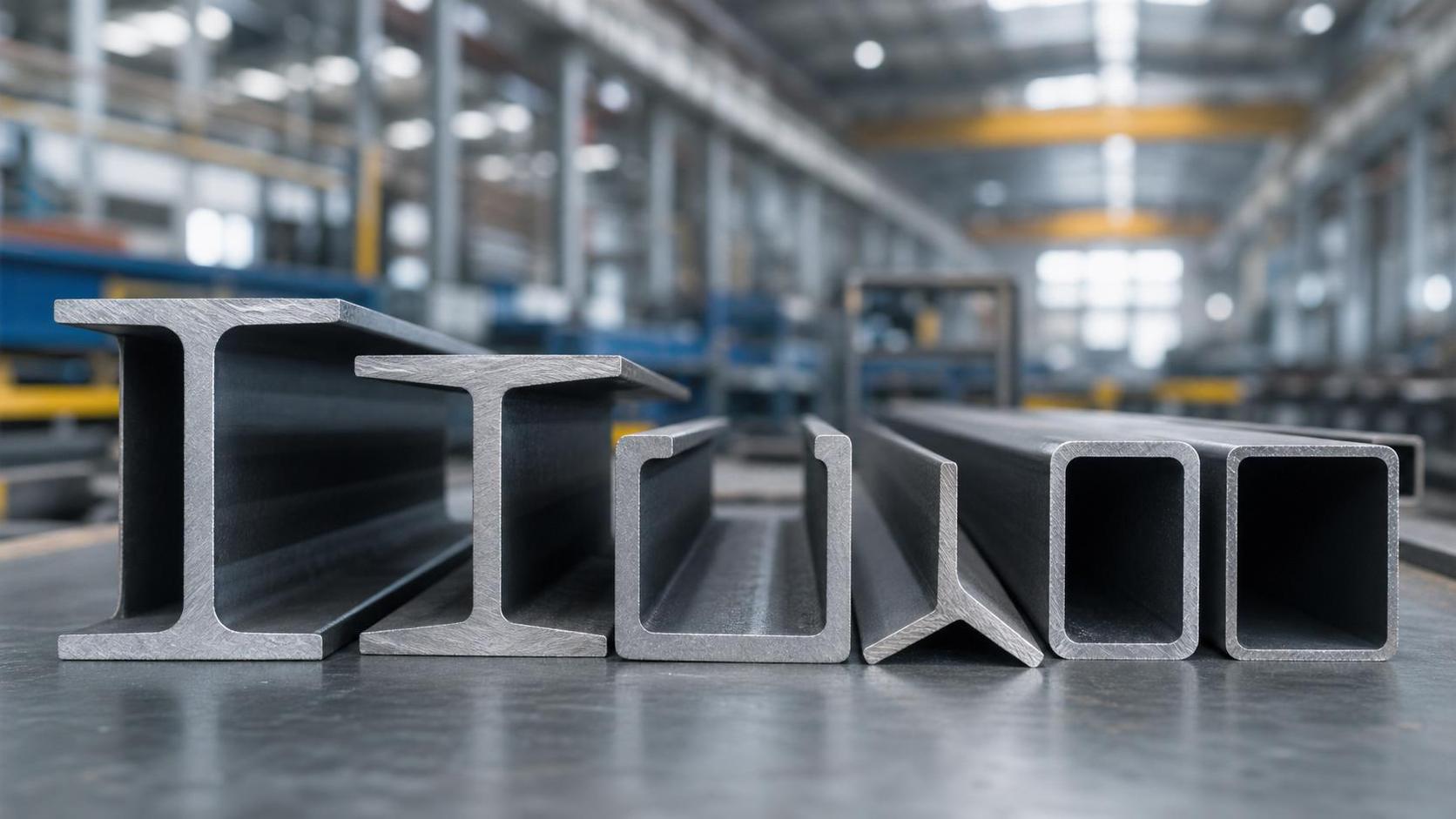
 What Is a Steel Profile? Common Shapes, Uses, and Selection BasicsProfile selection starts with shape, but performance depends on load, fabrication, and standards. Learn common steel profile types, uses, and smart selection basics.
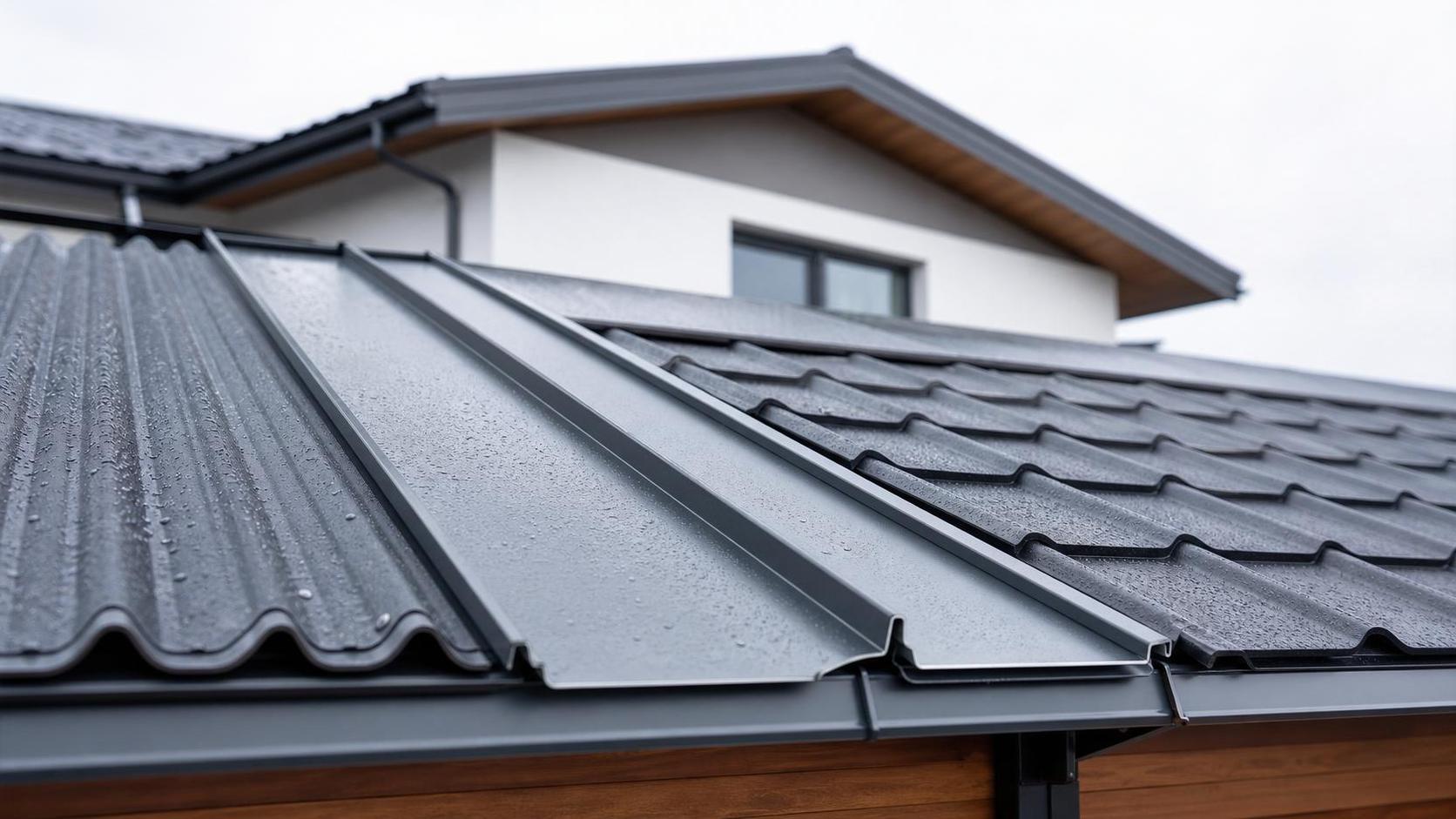
 Steel Roofing Types Explained: Corrugated, Standing Seam, and Metal ShinglesSteel Roofing guide comparing corrugated panels, standing seam, and metal shingles. Discover costs, durability, weather performance, and how to choose the best roof for your home.
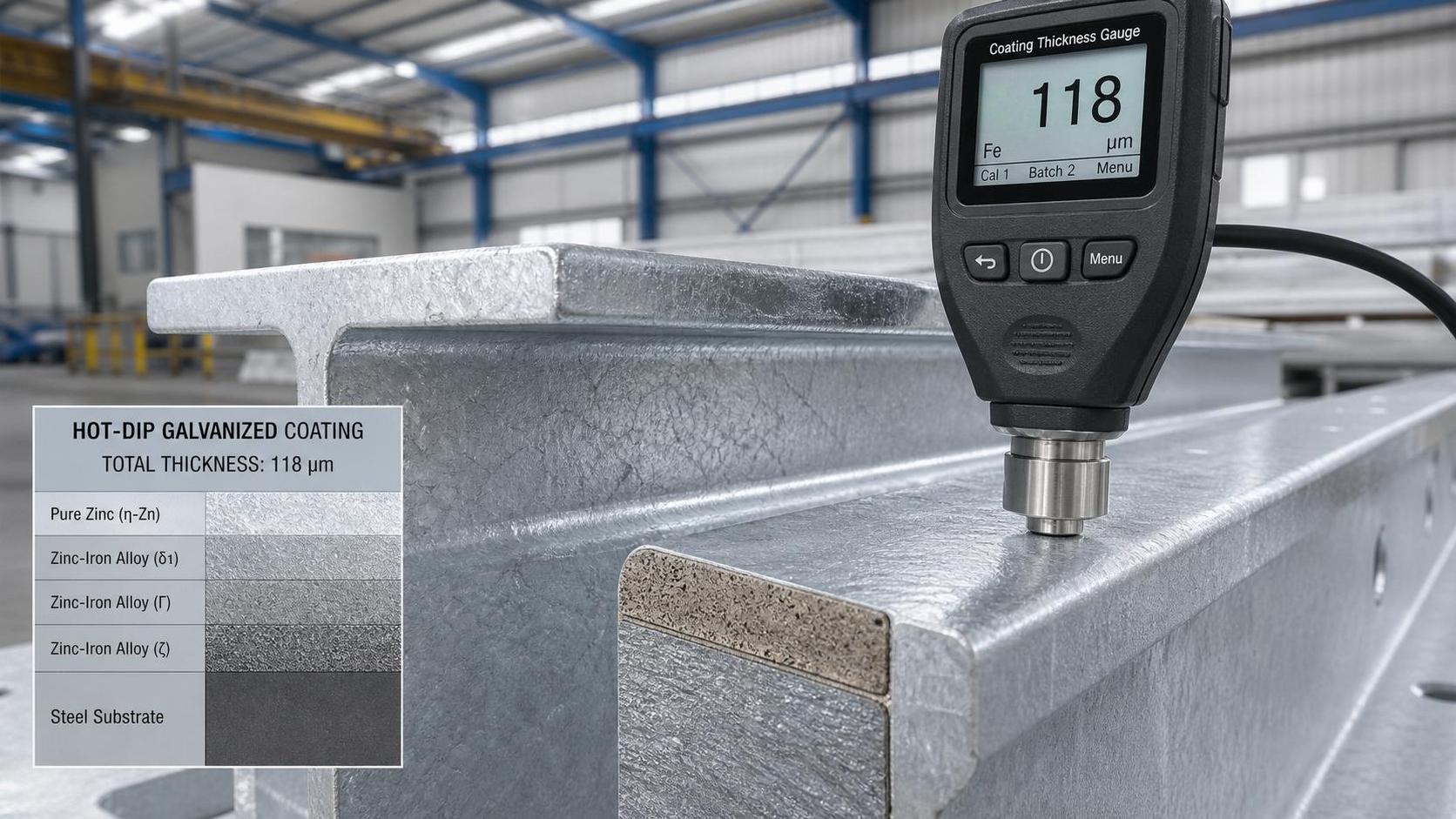
 How Hot-Dip Galvanized Coating Thickness Affects Service LifeHot-dip galvanized coating thickness directly affects steel service life. Learn how the right zinc layer improves corrosion protection, controls cost, and supports smarter project decisions.
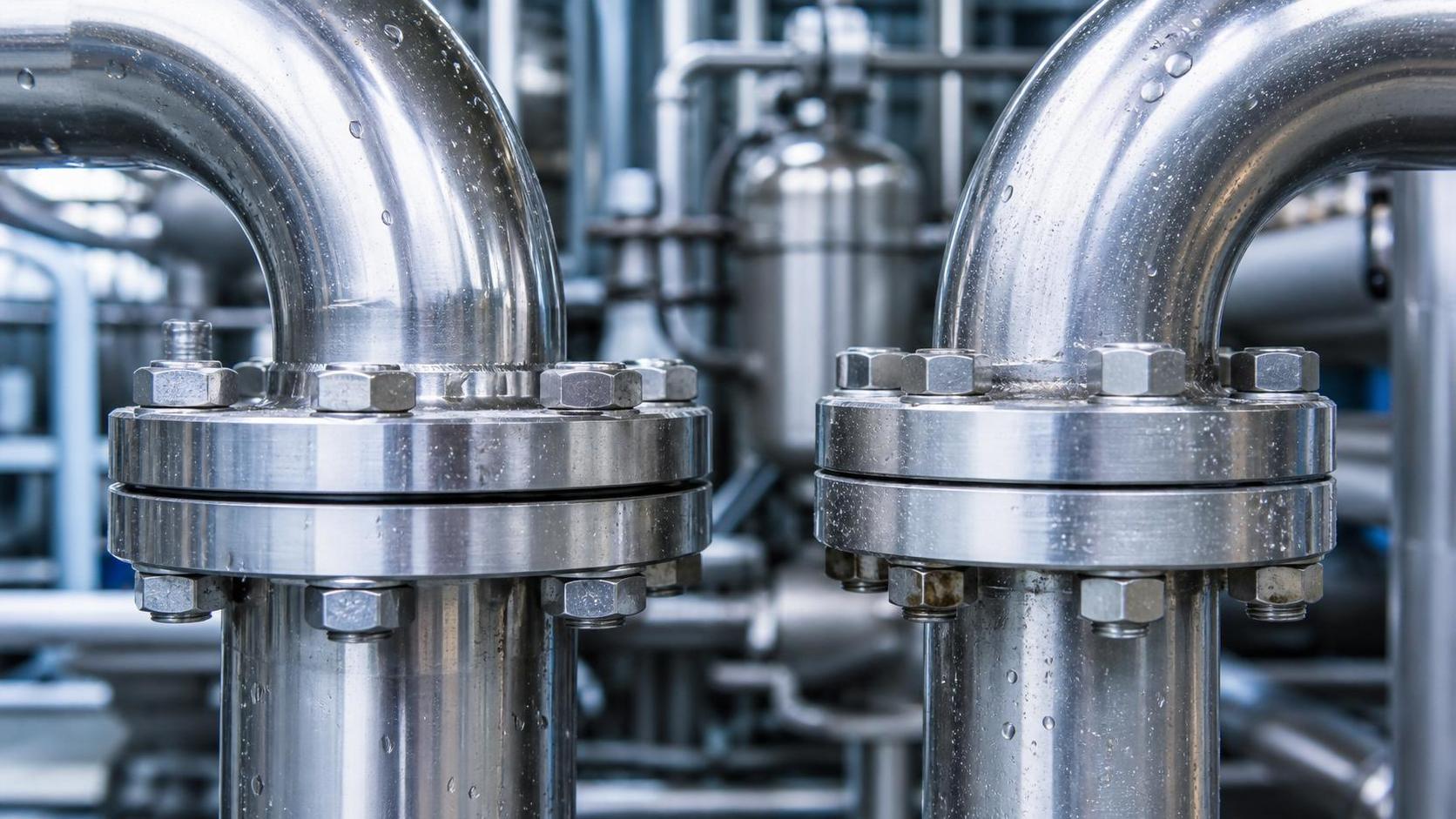
 Pipe Stainless Grades Explained: 304 vs 316 for Corrosion ResistancePipe stainless grades explained: compare 304 vs 316 for corrosion resistance, cost, and service life. Learn which stainless pipe grade fits marine, chemical, and water system applications.
Please give us a message


Please enter what you want to find