For QA managers overseeing structural steel fabrication, understanding ASTM A6 tolerances isn’t optional—it’s foundational to compliance, safety, and project success. This guide breaks down 5 critical dimensional control points you must verify—especially when sourcing from global mills where mill order meaning directly impacts tolerance adherence. Whether evaluating Hot rolled Carbon Steel Round Bar, HRB600 steel rebar, or custom cold-formed profiles, deviations beyond ASTM A6 specs risk rejection, rework, or field failures. As a China-based structural steel manufacturer & exporter, Hongteng Fengda ensures every shipment meets ASTM, EN, and GB standards—backed by in-house QA protocols and traceable mill test reports. #sstlavar
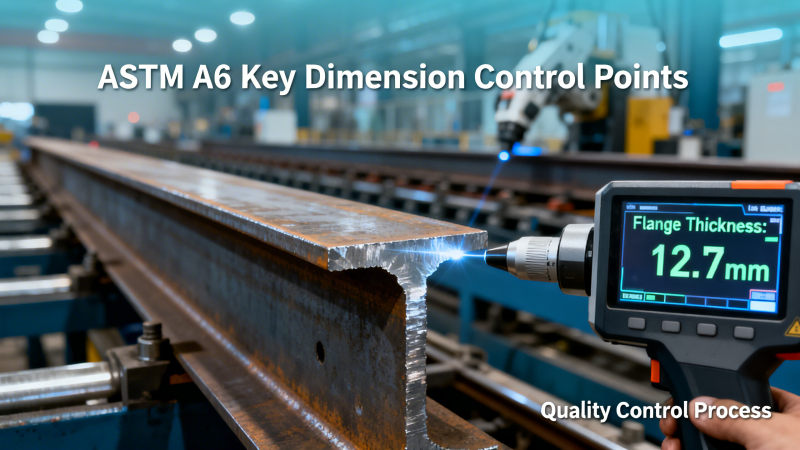
What Is ASTM A6—and Why Does It Anchor Structural Steel Quality?
ASTM A6 is the standard specification for general requirements for rolled structural steel bars, plates, shapes, and sheet piling. It does not define material chemistry or mechanical properties—that’s covered under ASTM A36, A572, or HRB600—but rather governs how tightly dimensions must be held across hot-rolled products. In essence, ASTM A6 is the “ruler rulebook” for dimensional integrity.
For global procurement teams, misinterpreting mill order meaning can trigger cascading quality risks. A mill order isn’t just a purchase request—it’s a binding technical agreement specifying exact tolerances, surface finish, testing frequency, and documentation scope. When suppliers treat ASTM A6 as optional guidance instead of mandatory baseline, dimensional drift begins—even before the first bar leaves the rolling mill.
Hongteng Fengda embeds ASTM A6 verification into every production stage: pre-roll calibration, online profile monitoring, post-cooling dimensional scanning, and final QA audit. Our certified labs cross-check all shipments against both ASTM A6 Table 1 (for shapes) and Table 2 (for plates/bars), ensuring full traceability from heat number to mill test report.
Critical Dimensional Control Point #1: Flange Thickness Tolerance (for Beams & Channels)
Flange thickness deviation is the most frequent cause of bolt-hole misalignment in field erection. Per ASTM A6 Section 12.2, allowable variation depends on nominal thickness—but crucially, it also depends on whether the shape is rolled in a single pass (tighter) or multi-pass (relaxed). For example, a W12×50 beam with 0.640″ nominal flange thickness permits ±0.030″ per A6, but only if produced on a modern continuous mill with real-time gauge control.
At Hongteng Fengda, we use laser profilometers to measure flange thickness at 12+ points per foot—far exceeding ASTM A6 sampling requirements. This enables us to flag micro-variations early and adjust roll gap settings before batch completion. Buyers sourcing ASTM A36 round bar or HRB600 steel rebar benefit from the same metrology rigor applied to our billet conditioning lines.
Critical Dimensional Control Point #2: Web Depth & Parallelism
Web depth tolerance defines vertical clearances for shear connectors and embedded plates. ASTM A6 allows ±1/8″ for depths up to 24″, but parallelism—how consistently the web maintains perpendicularity to flanges—is often overlooked. Non-parallel webs induce torsional stress during welding and reduce load transfer efficiency.
Our automated vision inspection system captures 3D web geometry across full-length beams. Deviations >0.015″/ft trigger automatic sorting and corrective grinding. This capability extends to custom cold-formed steel profiles—where even minor web waviness compromises connection stiffness in modular construction.
Critical Dimensional Control Point #3: Leg Length & Toe Radius (Angles & Tees)
Angle steel leg length affects gusset plate fit-up and moment-resisting frame continuity. ASTM A6 Table 1 sets ±1/16″ for legs ≤3″, but toe radius—the curvature where leg meets heel—must also conform to minimum radii to prevent stress concentration. Too sharp? Cracking during bending. Too blunt? Interference with adjacent components.
We validate both parameters using coordinate measuring machines (CMM) calibrated to ISO 17025 standards. Every angle shipment includes a CMM report showing actual vs. nominal values at 5 standardized locations—giving your QA team full confidence before cutting or drilling.
ASTM A6 vs. EN 10034 vs. GB/T 706: A Practical Comparison
Global projects often require dual-certified materials. Understanding tolerance differences avoids costly rejections:
Critical Dimensional Control Point #4: Straightness & Camber
Straightness defines axial deviation over length; camber measures lateral bow. ASTM A6 limits camber to L/1200 for beams ≥12m long. But many fabricators fail to check straightness *after* handling—especially for Hot rolled Carbon Steel Round Bar, where thermal distortion during bundling can exceed tolerance.
Hongteng Fengda applies tension-leveling after cooling and performs laser-straightness validation on 100% of long products. We also supply certified straightness reports—critical for crane runway beams or seismic bracing where alignment errors compound under cyclic loading.
Critical Dimensional Control Point #5: Surface Imperfections & Edge Condition
ASTM A6 Section 15 defines permissible scale, scratches, and edge defects—but doesn’t quantify “acceptable roughness.” That’s where experience matters. Excessive mill scale hides subsurface cracks; jagged edges compromise weld penetration and corrosion resistance.
Our finishing line includes high-pressure descaling, edge rounding (R0.5–R1.2), and visual grading by ASNT Level II inspectors. Every coil, bar, or beam carries a surface condition code—e.g., “SC-2” for architectural-grade finish—so your team knows exactly what to expect before unloading.
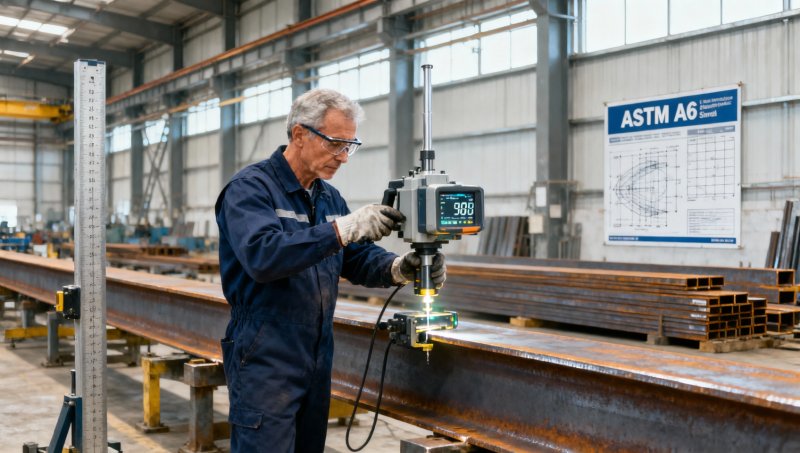
Why Global Buyers Choose Hongteng Fengda for ASTM-Compliant Structural Steel
Sourcing structural steel across time zones demands more than competitive pricing—it requires predictability, transparency, and partnership. Hongteng Fengda delivers:
- Zero-tolerance QA protocol: All ASTM A6 checks performed in-house—not outsourced—using NIST-traceable equipment.
- Mill order clarity: Every quotation includes explicit tolerance commitments aligned to your project’s ASTM, EN, or GB requirements—not generic “to standard” language.
- Full documentation: Mill test reports (MTRs), dimensional inspection reports, and third-party certs (SGS, BV, TÜV) shipped with every container.
- Custom flexibility: From ASTM A36 round bar to HRB600 steel rebar or OEM cold-formed sections—we adapt to your spec, not the other way around.
Whether you’re a procurement manager vetting Tier-1 suppliers, a QA lead auditing mill certifications, or a project engineer validating shop drawings—Hongteng Fengda provides the dimensional certainty your build schedule and safety margins depend on.
Ready to eliminate tolerance-related delays? Contact our engineering sales team today for a free dimensional compliance review of your next structural steel order—including sample MTRs, tolerance charts, and logistics planning support.
Related recommendations
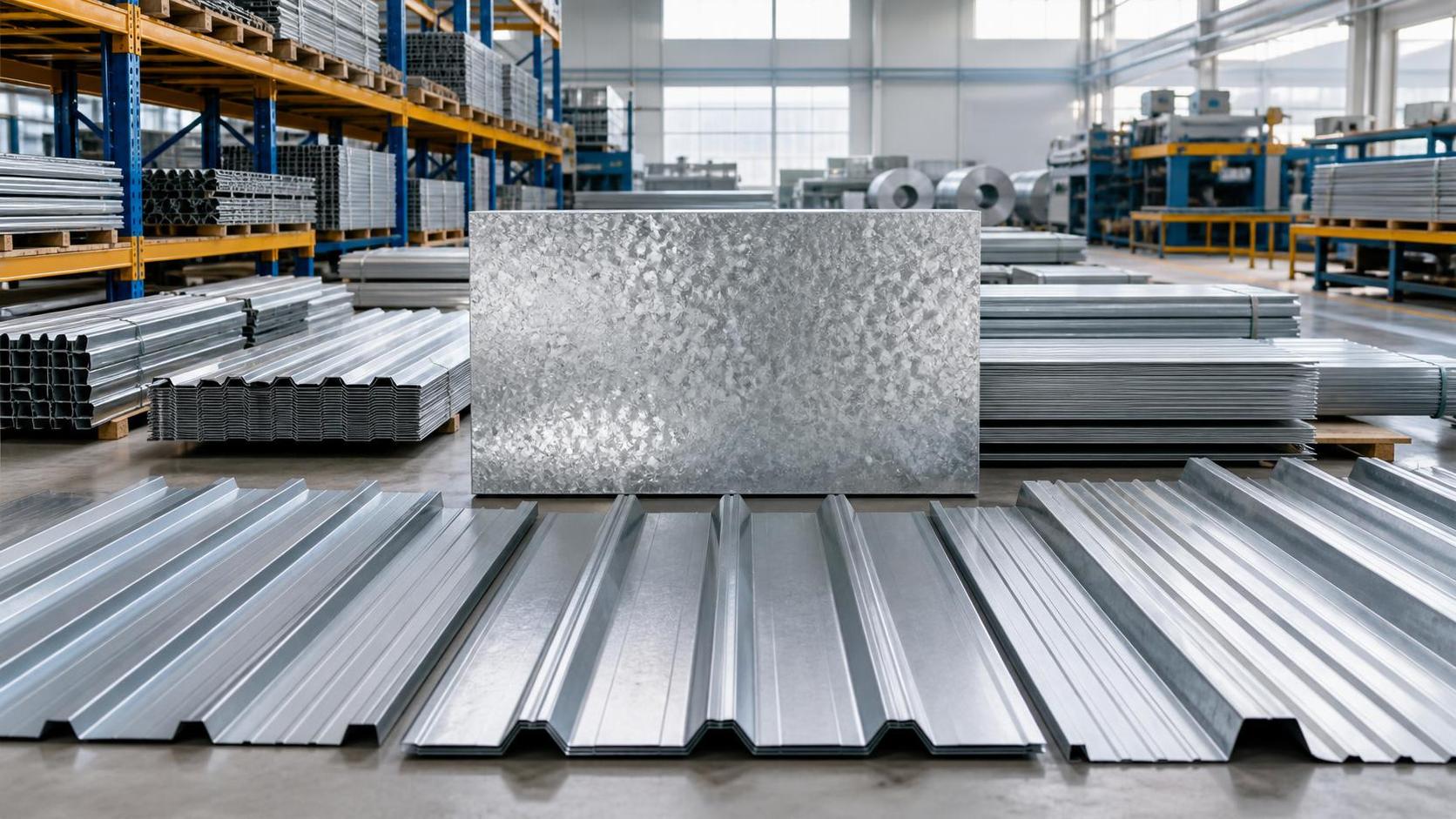
 How to Judge if Steel Sheet for Construction Fits Roofing or Wall CladdingSteel sheet for construction: learn how to judge thickness, coating, profile, and load performance for roofing or wall cladding, and choose a durable, cost-effective fit.
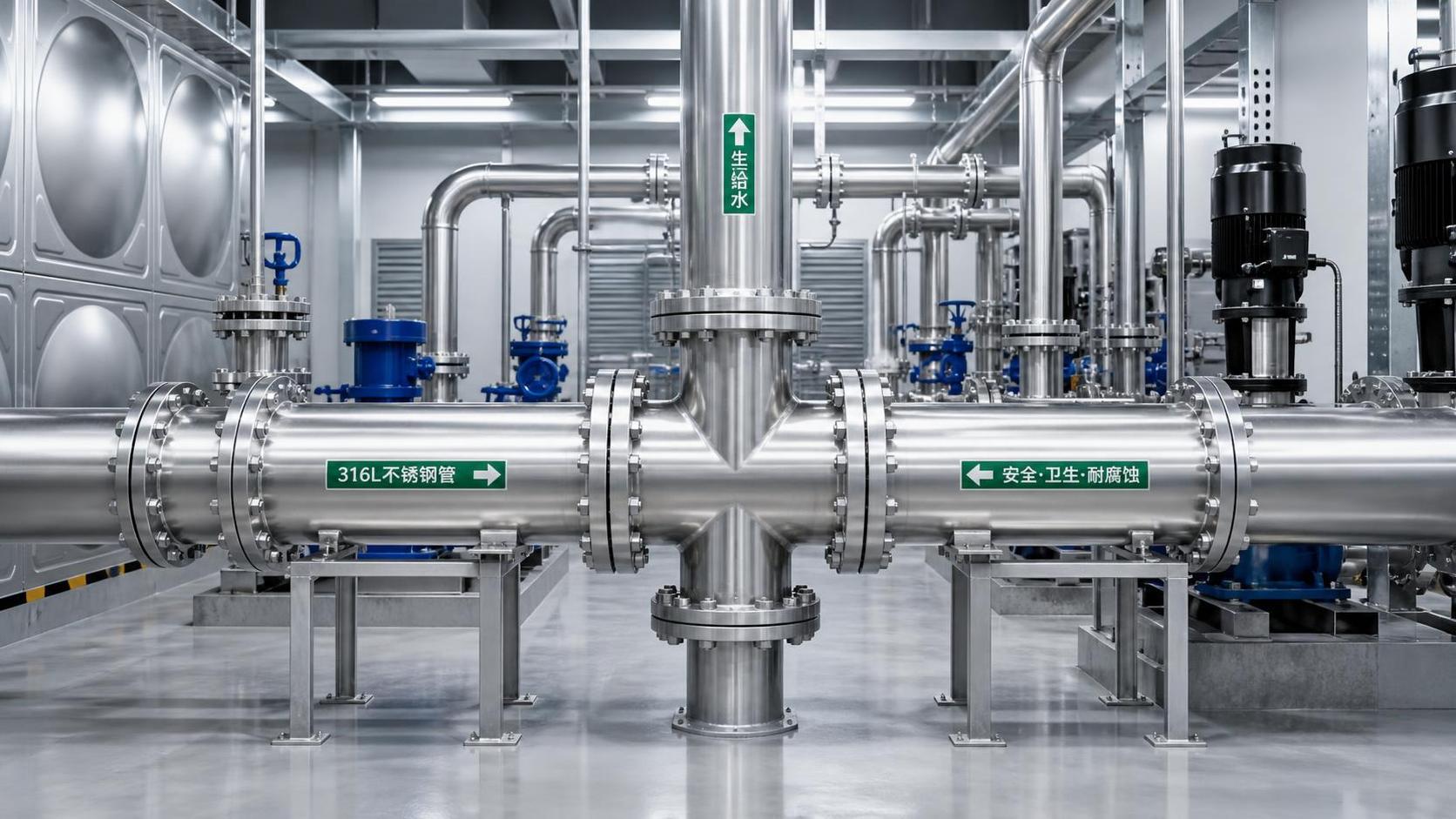
 How to Choose SS Pipe for Water Supply in Corrosion-Prone BuildingsSS pipe for water supply selection guide for corrosion-prone buildings. Compare 304 vs 316 grades, water chemistry, specs, and lifecycle cost to choose a safer, longer-lasting system.
 Steel Wire Rope Manufacturer Standards That Matter in Lifting ApplicationsSteel wire rope manufacturer standards for lifting: learn how to assess traceability, testing, compliance, and real quality control before choosing a safer, more reliable supplier.
 When a Steel Channel Supplier Should Provide Mill Test CertificatesSteel Channel supplier guide on when mill test certificates should be provided for quality control, compliance, and safer procurement.
Please give us a message


Please enter what you want to find