In 2024, the steel wire rope industry for construction is being reshaped by innovation, evolving standards, and global supply chain transitions. As a trusted steel wire rope manufacturer in China, Hongteng Fengda offers high strength and corrosion resistant steel wire rope products for lifting, mining, and infrastructure applications. Whether sourcing OEM solutions or reviewing steel wire rope specifications, engineers, buyers, and project managers can rely on our expertise to ensure quality, compliance, and performance in international projects. The construction sector continues to rely on steel wire rope for lifting heavy components, stabilizing structural systems, and ensuring operational safety under extreme conditions. As materials science progresses, demand for enhanced tensile strength, anti-fatigue performance, and environmentally friendly coatings underscores the industry’s evolution toward higher technical standards and integrated supply solutions.
Definition and Overview of Steel Wire Rope in Construction
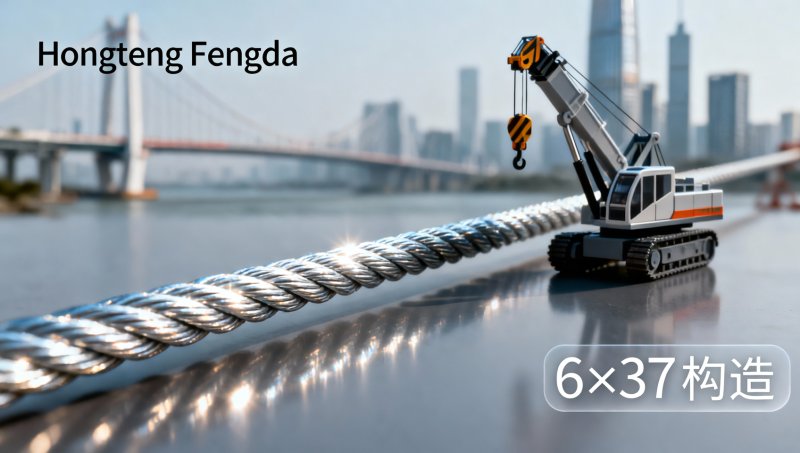
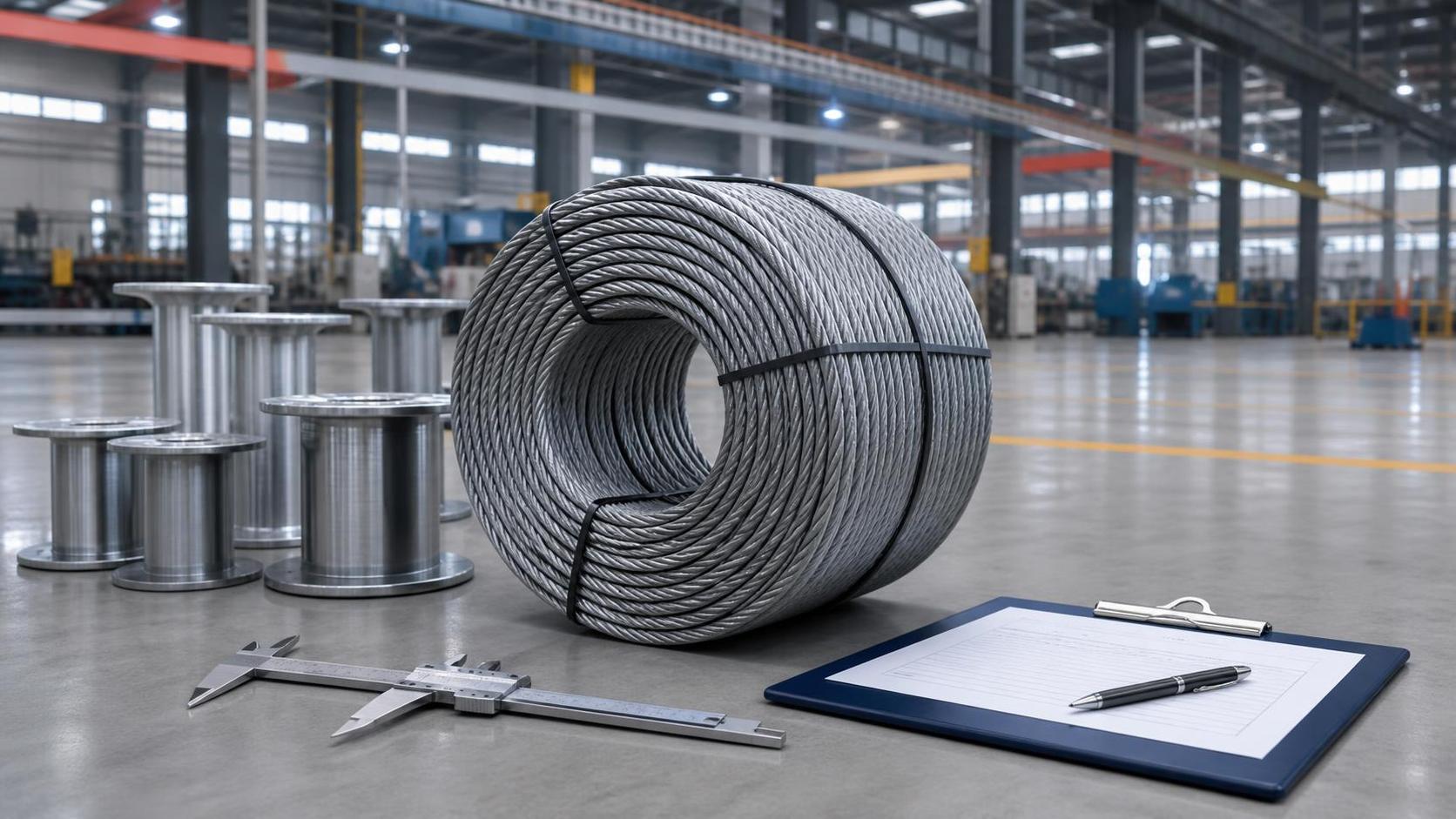
Steel wire rope for construction refers to a multi-strand assembly of high-carbon steel wires twisted together to form a flexible, strong, and durable mechanical element designed for transmitting tensile forces. It consists primarily of wires, strands, and a core, with configurations such as 6×19, 6×37, or compacted ropes widely applied for cranes and hoisting. A typical steel wire rope OEM manufacturer provides both galvanized and ungalvanized options to meet various project needs. These ropes are produced through processes involving pickling, drawing, stranding, closing, and surface treatment. With advancements in metallurgy, modern high strength steel wire ropes exhibit superior fatigue life, reduced elongation, and improved corrosion resistance. European markets demand products complying with EN 12385 standards, while global suppliers emphasize ASTM and ISO verifications to ensure transitional trade convenience. In construction engineering, wire ropes are indispensable in tower cranes, concrete bucket hoisting, suspension bridges, offshore platforms, and tunneling machinery, thereby connecting safety and performance throughout project life cycles.
Market Overview and Global Supply Chain Trends
The global market for steel wire rope is undergoing rapid transformation as new infrastructure programs accelerate in Asia, North America, and Europe. In 2024, steel wire rope suppliers in Europe seek stable cooperation with trusted partners from China such as Hongteng Fengda to mitigate supply disruptions and manage cost fluctuations. Rising steel prices, logistics constraints, and energy cost pressures have encouraged end-users to evaluate diversified sourcing channels and OEM manufacturing capabilities. For construction projects, especially those using heavy cranes and suspension systems, buyers prioritize consistent quality and compliance with CE and SGS certifications. The steel wire rope price list is increasingly influenced by raw material grades (e.g., carbon, alloyed, or stainless steel), coating technology, and sustainability requirements. Suppliers adopting digital traceability and smart manufacturing achieve higher transparency across procurement chains. In parallel, international collaborations enhance access to specialized products like corrosion resistant steel wire rope for marine bridge and coastal construction, further strengthening the integration between global demand drivers and localized production resources.
Technical Performance and Specifications
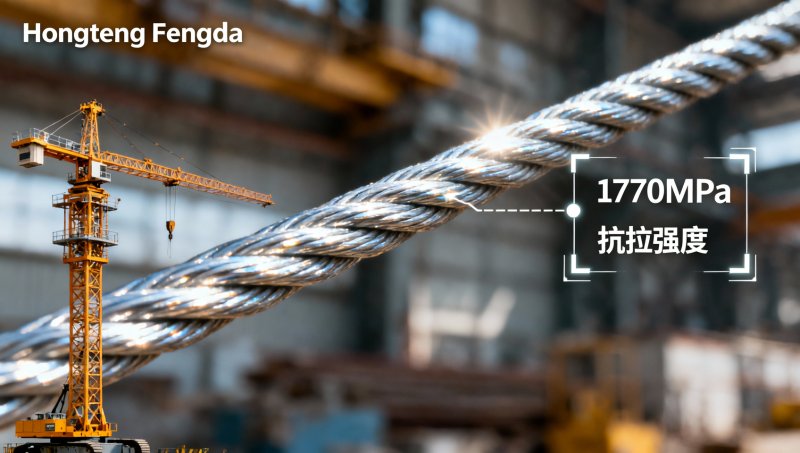
The performance of steel wire rope for construction depends on microscopic metallurgy, precise stranding, and surface finishing technologies. Modern ropes are designed to provide ultimate tensile strength above 1770 MPa and endurance under cyclic stress environments. Core compositions include fiber core (FC), steel core (IWRC), and polymerized core variants offering enhanced flexibility or stability. To facilitate compliance, steel wire rope specifications adhere to standards such as ASTM A1023/A1024, EN 12385, JIS G3525, and GB/T 20118. Typical performance indicators include breaking load, bending fatigue strength, lubrication retention, and corrosion resistance under salt spray testing. For example, high strength steel wire rope for lifting cranes ensures minimal stretch, while anti-rotation designs prevent twisting under load. Surface coatings with zinc or aluminum-zinc alloy provide extended lifespan under offshore humidity. An innovative integration is seen in construction components like the Z-beam, manufactured in materials such as Q345B or S355 and used with wire rope systems for lightweight roofs and brackets, ensuring overall structural efficiency. By combining steel sections and premium ropes, modern buildings achieve higher load-bearing performance and reduced maintenance costs. Technical data transparency now serves as a foundation for purchase evaluation, enabling engineers to compare rope designs via specification charts or tensile test certificates.
Application Scenarios and Industry Cases
Construction machinery, bridges, and mining sites remain dominant users of steel wire rope for lifting operations. In tower cranes, the rope connects boom sections, supporting dynamic loads during height adjustments. In tunneling and mining, steel wire rope for mining is exposed to abrasive dust and extreme tension, hence requiring enhanced wear resistance lubrication and precise diameter control. Offshore wind energy installations deploy corrosion resistant steel wire rope to resist saltwater deterioration. Case studies demonstrate that infrastructure projects using OEM-manufactured ropes from China achieve significant lifecycle savings due to consistent metallurgy and certified heat treatment. Hongteng Fengda’s export experience allows adaptation to regional standards, ensuring each shipment’s compliance documentation aligns with CE or ISO labeling. The company’s structural steel components, like the Z-shaped steel profile used in wall beams or mechanical columns, integrate seamlessly with wire rope connection systems. Such engineering synergies demonstrate not only manufacturing capability but also design optimization for safety-critical applications. European distributors value long-term guarantees and low variance in quality, while project managers focus on installation speed and fatigue reliability for heavy lifting cranes and prefabricated modules.
Procurement Guide and Cost Considerations
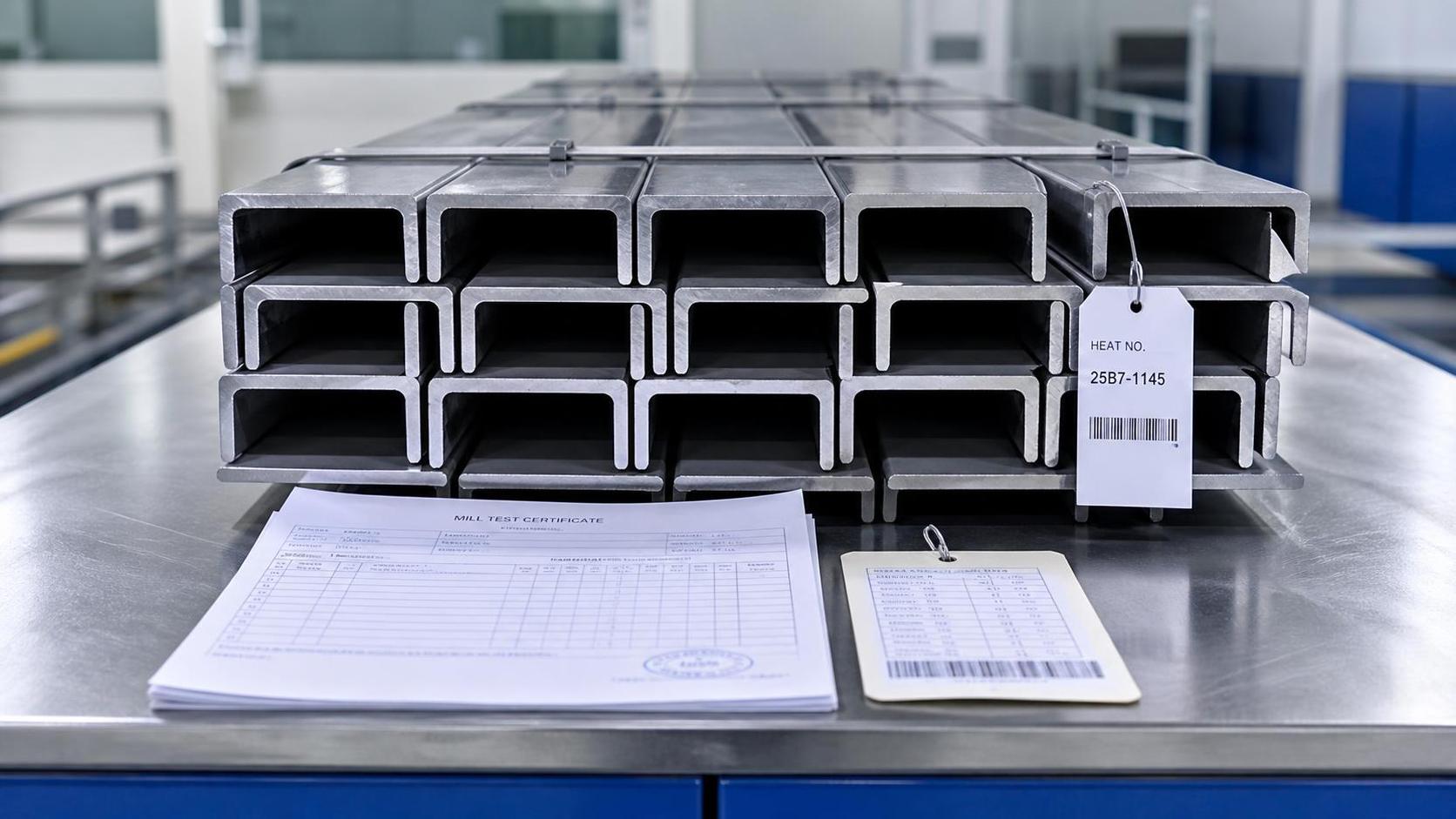
Selecting the right steel wire rope requires assessing mechanical properties, application environment, and budget constraints. Procurement officers should verify specifications including rope diameter, construction type, core form, and tensile grade. For construction firms, OEM customization is crucial when cranes or elevators demand specific flexibility or abrasion resistance. Competitive suppliers in China provide tailored production schedules, advanced galvanization, and packaging aligned with international shipping standards. Buyers in Europe and the Middle East often evaluate suppliers based on traceability documents and mill certificates. The steel wire rope price list differs by coating method, wire composition, and structural complexity. For example, compacted ropes may cost 10–20% more than standard 6×37 ropes but deliver double lifespan under fluctuating loads. Project decision-makers can leverage long-term contracts to secure material stability amidst market volatility. A focus on corrosion resistant steel wire rope ensures minimized maintenance and reduced downtime. Through its integrated supply network, Hongteng Fengda maintains competitive pricing and stable lead times, helping clients achieve project efficiency and total lifecycle value. Cost optimization without quality compromise has become an essential procurement philosophy across modern construction industries seeking sustainable growth.
Standards, Certification, and Quality Control
Mandatory compliance with international standards defines the credibility of every steel wire rope manufacturer in China. Quality management systems integrated under ISO 9001, environmental compliance under ISO 14001, and product approvals such as CE, SGS, and BV underscore credibility in global markets. Each production stage from wire drawing to closing must undergo tension and torsion testing. Incoming material analysis ensures carbon content uniformity, while non-destructive testing verifies internal defects. For specialized lifting applications, adherence to EN10264 galvanized coating specifications is essential. In construction environments where safety certification is legally required, rope identification markings and traceability logs support on-site verification. Structural steel manufacturing complements this rigor, as Hongteng Fengda’s facilities maintain computerized monitoring for dimensional precision on both profiles and steel ropes. The synergy between certified steel components and reliable wire ropes significantly enhances site safety compliance. As regulations evolve, suppliers implementing digital inspection files and online certificate validation streamline cross-border audits for international buyers. Continued investment in laboratory testing and operator training ensures every delivered steel wire rope meets mechanical requirements and exceeds client expectations across diversified engineering disciplines.
Trends and Future Insights
Emerging trends in 2024 and beyond indicate that steel wire rope innovation will emphasize sustainability, smart monitoring, and hybrid material integration. As sensor technologies become embedded within lifting assemblies, real-time strain and fatigue data allow predictive maintenance and reduced downtime. Composite core ropes using polymer reinforcement are gaining attention for lighter weight with comparable strength. Digital twin concepts will support simulation-driven design, predicting failure points with higher accuracy. Meanwhile, the shift to low-carbon production will lead steel wire rope OEM manufacturers to adopt green galvanization and energy-saving furnaces. In logistics, blockchain-based supply documentation enhances trust among global contractors. The construction industry’s demand for longer service life and safer operations continues to drive research into nano-coatings and bio-lubricant improvements. Steel beam fabrication, cold-formed profiles, and connected wire rope systems are expected to converge as integrated structural solutions, reducing component redundancy. China’s manufacturing base, led by firms like Hongteng Fengda, remains pivotal in driving these global standards shifts by delivering verified, high-performance steel solutions to worldwide markets. As architectural design complexity evolves, choosing the right supplier ensures not only compliance but also productivity enhancement and reduced operational risks.
FAQ and Misconceptions
1. Is every galvanized steel wire rope corrosion proof? Not entirely. While galvanization provides surface protection, continuous exposure to acidic or marine environments requires advanced coatings and regular maintenance. 2. Does rope diameter directly decide lifting capacity? No, tensile grade and rope construction are equally decisive. A smaller but higher-grade rope may outperform a thicker low-grade alternative. 3. How can one verify if a steel wire rope supplier in Europe complies with EN standards? Buyers should check for CE documentation, batch test certificates, and supplier traceability. 4. Why are Chinese OEM manufacturers becoming preferred partners? They combine scale efficiency with certification rigor, ensuring timely supply and competitive pricing backed by international quality assurance. 5. What is the difference between standard and compacted ropes? Compacted ropes have a denser structure achieved through pressure compaction, offering higher breaking strength and smoother surfaces, beneficial in cranes or hoisting applications. Clarifying these misconceptions supports procurement accuracy and minimizes project risks. Engineers and project managers should always align rope selection with specific dynamic load requirements and environmental factors.
Why Choose Hongteng Fengda
Hongteng Fengda stands out as a reliable structural steel and steel wire rope manufacturer in China renowned for technical expertise and consistent quality. Backed by modern facilities, automated forming equipment, and experienced engineering teams, it empowers clients across North America, Europe, the Middle East, and Southeast Asia. Whether providing high strength steel wire rope for construction, corrosion resistant options for marine projects, or structural components such as Z-shaped steel profiles, the company ensures compliance with ASTM, EN, JIS, and GB standards. By offering both standard and OEM services, it helps global partners control sourcing risk, maintain stable costs, and improve supply predictability. Quality control at every stage, fast logistics, and customer-centric service make Hongteng Fengda a preferred long-term partner. For inquiries, specifications, or customization requests, construction professionals can directly contact the technical sales team to discuss tailored solutions that enhance efficiency, safety, and profitability for complex international projects.
- galvanized steel wire
- carbon steel wire
- a steel wire
- galvanized steel
- structural steel
- steel profiles
- Structural Steel
- Corrosion Resistant Steel
- Profile
- Galvanized Steel Wire Rope
- Z-beam
- Galvanized
- Steel Beam
- Steel Wire
- High Strength Steel Wire
- carbon steel
- steel profile
- steel wire rope
- steel wire rope for construction
- high strength steel wire rope
- steel wire rope manufacturer in China
- steel wire rope price list
- corrosion resistant steel wire rope
- steel wire rope for mining
- steel wire rope supplier in Europe
- steel wire rope specifications
- steel wire rope for lifting
- steel wire rope OEM manufacturer
Related recommendations
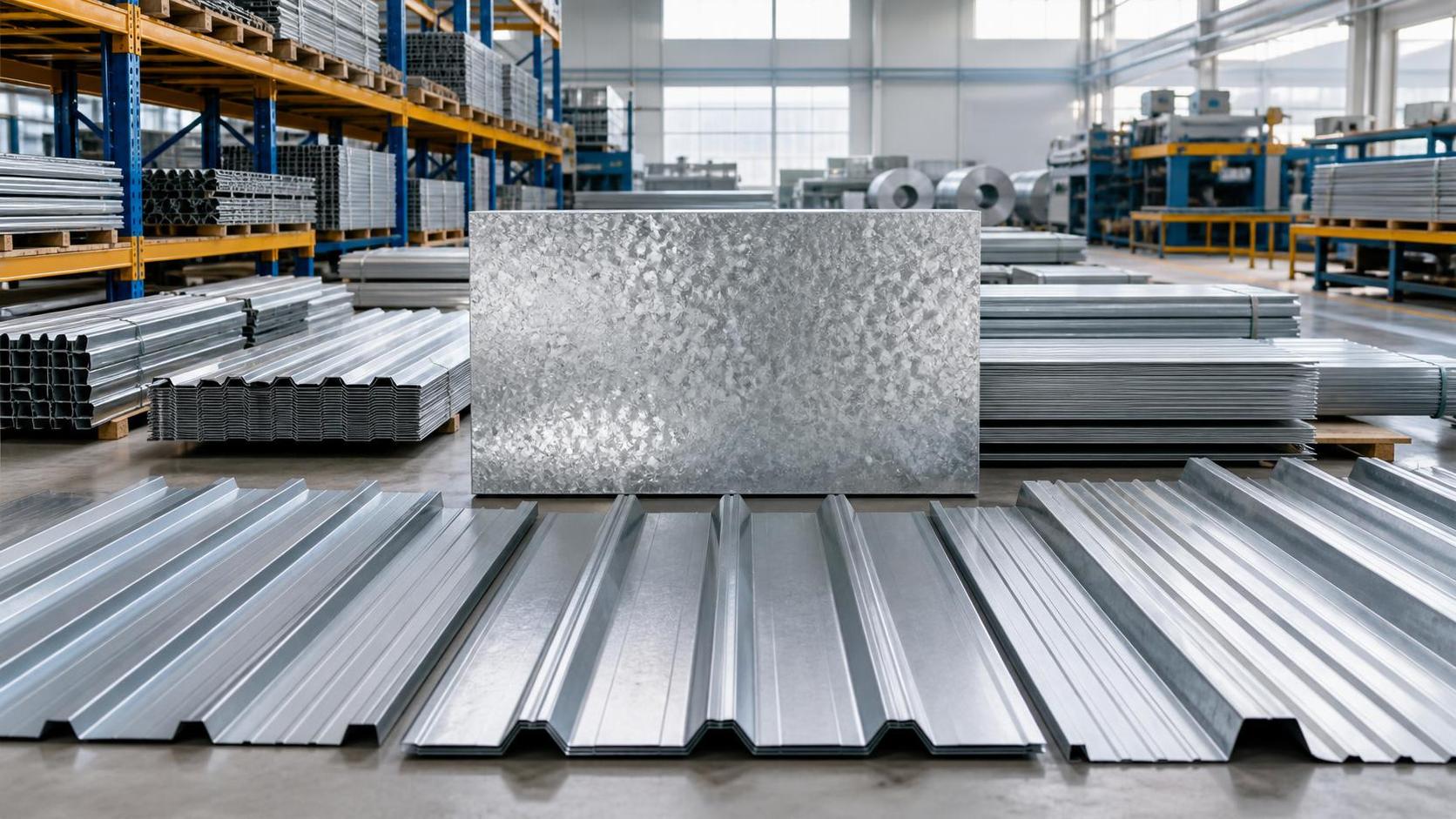
 How to Judge if Steel Sheet for Construction Fits Roofing or Wall CladdingSteel sheet for construction: learn how to judge thickness, coating, profile, and load performance for roofing or wall cladding, and choose a durable, cost-effective fit.
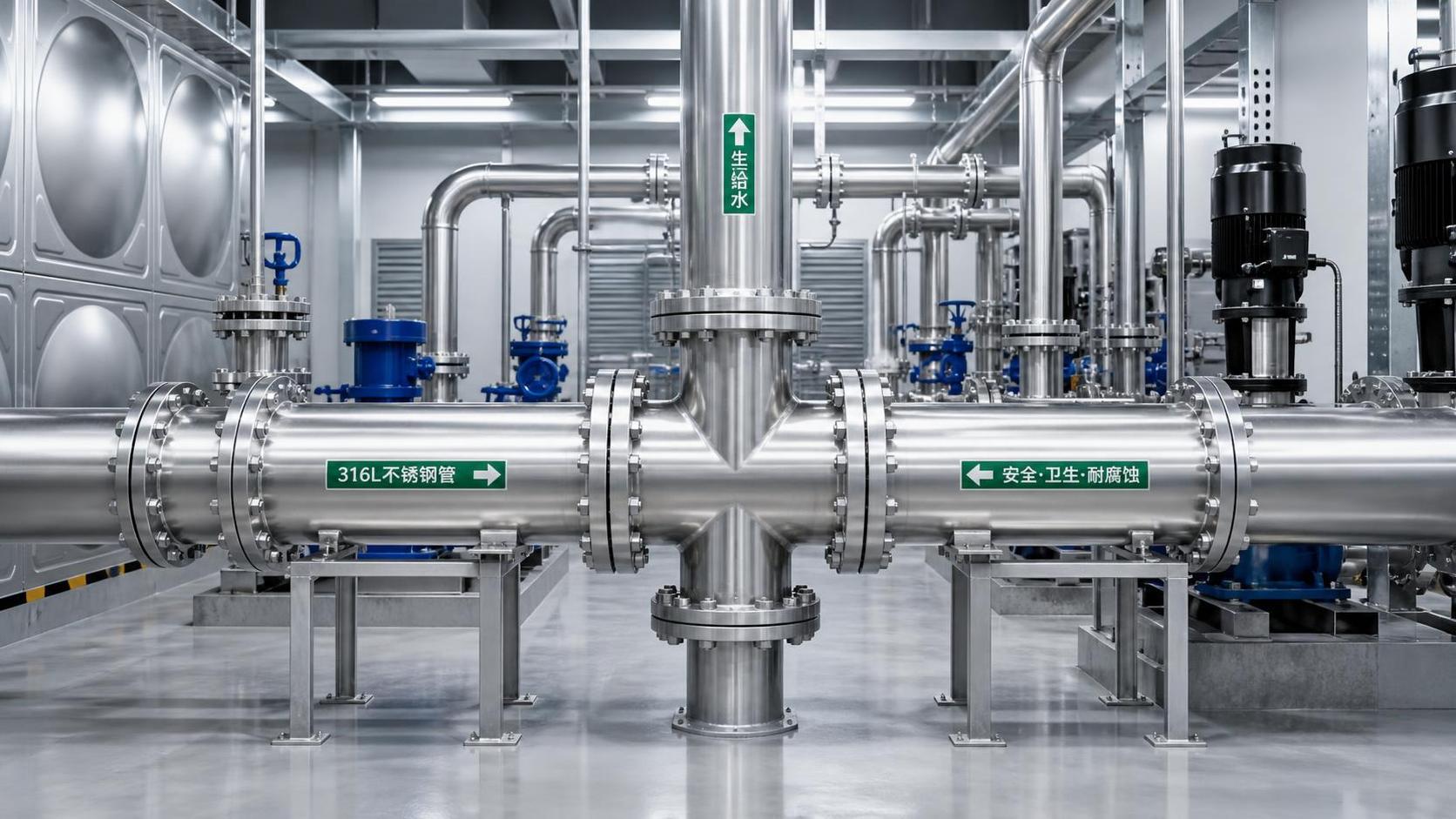
 How to Choose SS Pipe for Water Supply in Corrosion-Prone BuildingsSS pipe for water supply selection guide for corrosion-prone buildings. Compare 304 vs 316 grades, water chemistry, specs, and lifecycle cost to choose a safer, longer-lasting system.
 Steel Wire Rope Manufacturer Standards That Matter in Lifting ApplicationsSteel wire rope manufacturer standards for lifting: learn how to assess traceability, testing, compliance, and real quality control before choosing a safer, more reliable supplier.
 When a Steel Channel Supplier Should Provide Mill Test CertificatesSteel Channel supplier guide on when mill test certificates should be provided for quality control, compliance, and safer procurement.
Please give us a message


Please enter what you want to find