Steel wire rope for mining plays a crucial role in ensuring safety, durability, and efficiency in demanding extraction environments. As a trusted steel wire rope OEM manufacturer and supplier in Europe and worldwide, Hongteng Fengda delivers high strength and corrosion resistant solutions that meet strict international standards. Whether for lifting, construction, or heavy-duty mining operations, our steel wire rope specifications and quality-focused production help clients achieve maximum performance with reliable and cost-effective results. Through advanced production techniques and precise quality inspection, our mining wire ropes exhibit superior mechanical stability and long service life even under extreme load and abrasion conditions. For engineering leaders, safety managers, and procurement officers, choosing the right steel wire rope for mining operations not only enhances productivity but also reduces maintenance downtime and overall operational costs. This introduction lays the foundation for understanding why a technically compliant and corrosion resistant steel wire rope manufacturer in China like Hongteng Fengda can significantly improve industrial reliability and project sustainability.
Definition and Key Characteristics of Steel Wire Rope for Mining
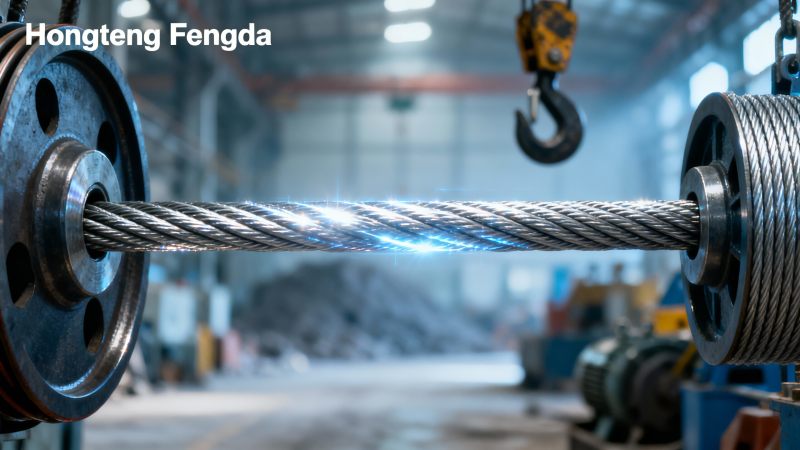
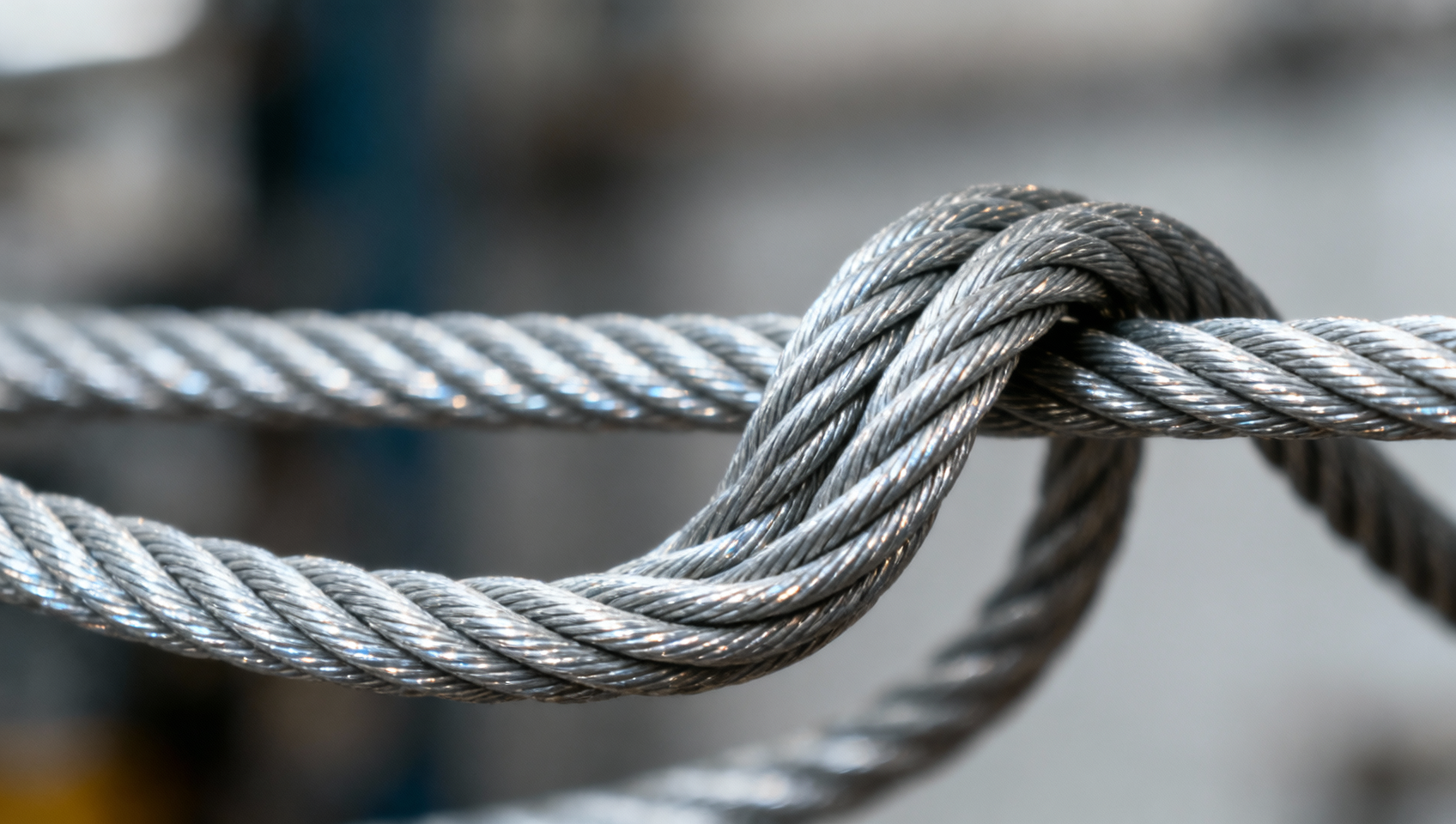
Steel wire rope is a multi-strand mechanical assembly composed of high-tensile steel wires twisted around a core, designed to resist traction, bending, and fatigue in tasks such as hoisting and conveying. In mining, these ropes serve in shafts, draglines, and winches, where tension and wear are constant challenges. A technical evaluation of a steel wire rope for lifting or mining involves reviewing its construction—usually 6, 8, or more strands—wire diameter, lay direction, lubrication, and the type of core, which may be fiber, steel, or plastic coated. Steel wire rope specifications differ according to mine depth and operational load, often defined under international standards such as ISO 2408, EN 12385, and ASTM A1023. High strength steel wire rope typically uses carbon or alloy steel wires with optimized tensile grades from 1570 MPa up to 2160 MPa. Corrosion resistant steel wire rope gains its durability through zinc or aluminum coatings and specialized galvanic protection, ensuring better longevity in humid or chemically aggressive environments underground. For OEM manufacturers, precise adherence to metallurgy and wire drawing parameters determines the final performance profile and internal balance of the product.
Market Overview and Industrial Importance
The global demand for steel wire rope for mining continues to grow, driven by expanding infrastructure, renewable energy projects, and the modernization of extraction facilities. Europe, Australia, and China remain major producers, with China leading in production scale and export. Industrial buyers in Europe, where strict safety regulations apply, require certified steel wire rope suppliers to meet EU directives regarding mechanical safety and corrosion testing. As an established steel wire rope manufacturer in China, Hongteng Fengda positions itself strategically by offering customizable OEM services to global partners. The combination of engineered strength and cost competitiveness allows project managers to procure high quality mining ropes at stable price levels. Continuous investment in metallurgical technology, robotic wire drawing systems, and non-destructive testing distinctions define competitiveness in today’s steel market. The influence of environmental policies also leads to increased use of recyclable steel materials and green smelting processes, where oxidation control and surface treatment improve sustainability. The global steel wire rope price list reflects fluctuating raw material costs—mainly wire rod and zinc—but manufacturers like Hongteng Fengda stabilize pricing through large-scale sourcing and process optimization. In future decades, mechanized mining and automated lifting systems will require even stricter tolerance levels on wire uniformity and fatigue resistance.
Technical Performance and Specifications
In evaluating technical performance, several key parameters define the efficiency and reliability of a steel wire rope for mining. First, tensile strength and breaking load values determine its ability to sustain operational stress without deformation. Multi-layer wire structures such as 6×36WS or 8×19S are common configurations optimized for flexibility and load-bearing. Corrosion protection can be achieved by hot-dip galvanizing, polymer coating, or using stainless steel wires. Lubrication methods—mineral or synthetic grease—extend fatigue life and prevent strand corrosion. Fatigue testing demonstrates that well-lubricated wires offer up to 40% longer service intervals. Modern production integrates laser-diameter measurement to ensure dimensional accuracy, while electromagnetic flaw detectors scan inner cores for discontinuities. Hongteng Fengda’s steel wire rope for lifting and mining adheres to ASTM A586 and EN 12385-4 standards, meeting tensile grade requirements and modulus of elasticity ranges essential for dynamic applications. For clients managing procurement across international sites, technical compliance provides confidence that the ropes perform identically in Europe, the Middle East, or Southeast Asia, reducing maintenance complexity. One of the comparative benchmarks includes bending ratio tests, where the rope maintains performance even when coiled over small sheaves. By incorporating consistent tension testing in production control, Hongteng Fengda ensures every steel wire rope specification aligns exactly with the stated safety factor requirements.
Application Scenarios and Cross-Industry Integration
In mining operations, steel wire ropes are essential in shafts, haulage systems, skip hoisting, and dragline excavators. They endure heavy cyclic loads and exposure to abrasive elements. A corrosion resistant steel wire rope also finds use in offshore drilling, port cranes, and elevator lifting systems where operational safety is critical. For construction and infrastructure, high strength wire ropes reinforce pre-stressed concrete and suspension bridge cables, ensuring stability against wind and seismic loads. OEM manufacturers like Hongteng Fengda extend customization solutions by integrating precisely matched rope lengths and end fittings for specific projects. The use of advanced materials in other steel products, such as the Color Coated Galvalume Steel Coil PPGL, further illustrates how surface treatment and coating technologies contribute to weather resistance and durability in similar environmental conditions. Its heat resistance and anti-corrosion features mirror the coating philosophy used in galvanizing steel wire ropes, thus ensuring consistent performance standards across product lines. Combining multiple steel solutions within one supplier enables procurement officers to streamline logistics, documentation, and compliance certifications, improving project efficiency from design to completion. Mining safety managers also rely on regular inspection activities, using magnetic flux leakage detectors to predict potential wire breaks before critical failure, thereby maintaining operational continuity.
Standards, Certification, and Compliance
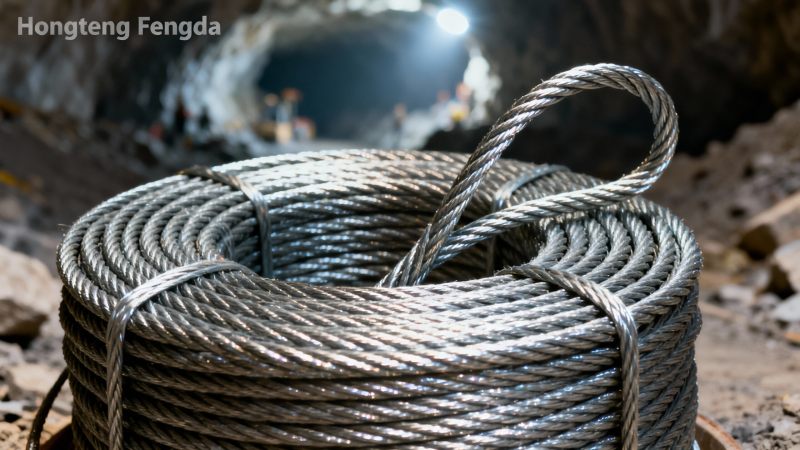
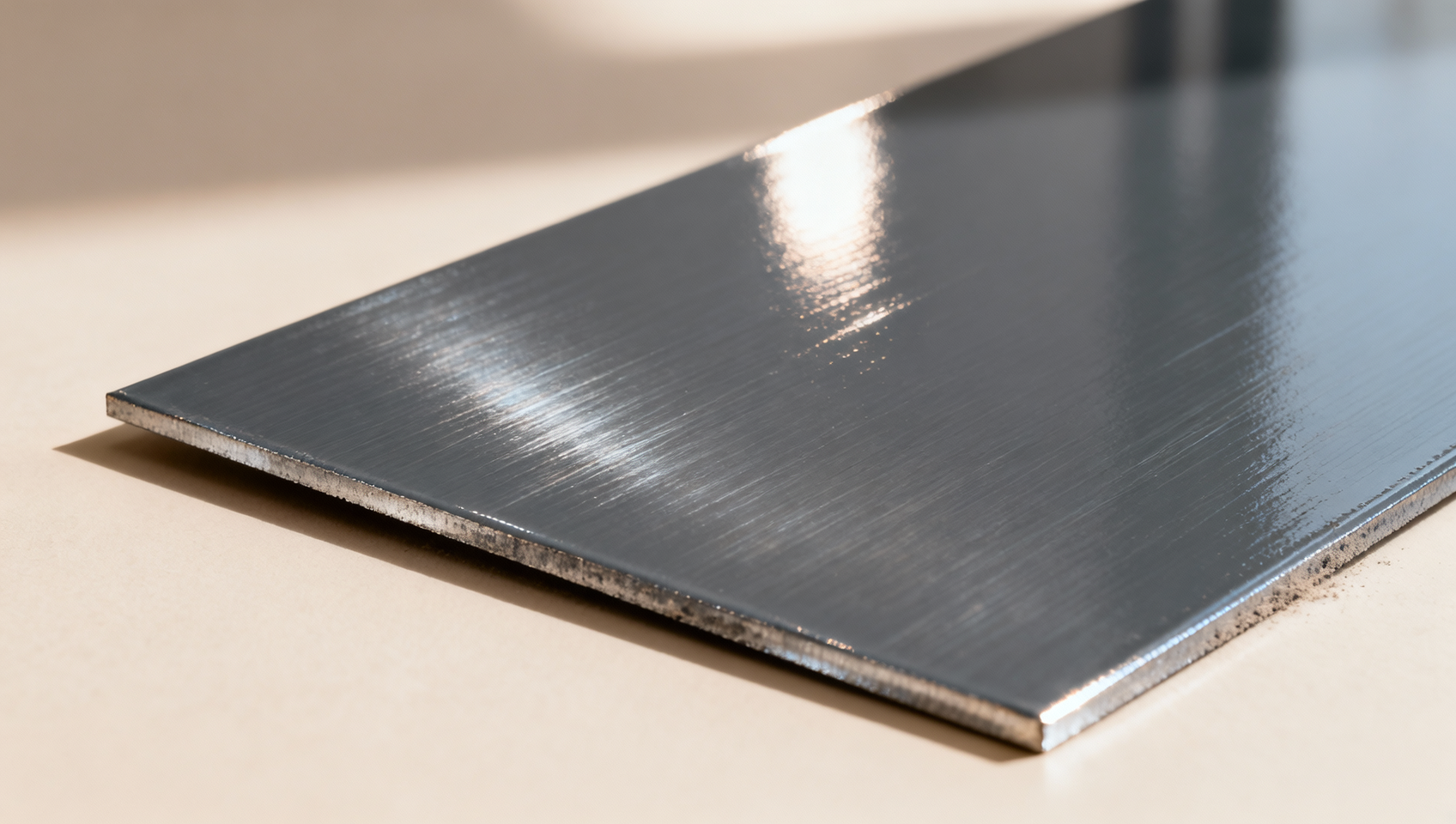
Compliance with international standards ensures that each batch of steel wire rope meets or exceeds mechanical performance expectations. Hongteng Fengda follows ASTM, EN, JIS, and GB standards for tensile testing, coating thickness evaluation, and fatigue resistance measurement. For mining ropes, EN 12385-5 specifies requirements relating to rotation-resistant wire designs, while ISO 10425 provides guidance for offshore cranes. Certification bodies like SGS, BV, or TÜV verify test results, offering assurance for clients engaged in safety-critical industries. Quality control systems include statistical process monitoring, traceable inspection reports, and mechanical certification documentation for every reel delivered. A reliable steel wire rope supplier in Europe or Asia must combine compliance transparency with material traceability. By maintaining full digital records and barcoded coil tracking, Hongteng Fengda guarantees that each steel wire rope can be verified for metallurgical origin and process history. This system also applies to related coated products such as Color Coated Galvalume Steel Coil PPGL, where the paint and primer layers (PE, SMP, PVDF) meet specific RAL color parameters and coating thickness standards of 10–30 microns. Integrating documented quality systems reassures end-users that both structural and surface-treated steel products uphold consistent durability and aesthetic integrity.
Maintenance and Lifecycle Management Strategies
Effective maintenance of steel wire rope for mining directly impacts safety and cost efficiency. Inspection teams should record rope diameter, visible corrosion, and broken wire count per strand as specified by ISO 4309 recommendations. Lubrication management reduces friction between internal wires, extending service life under high bending cycles. Predictive maintenance techniques, including acoustic emission monitoring and spectral lubricant analysis, help detect fatigue cracks before functional failure. Re-lubrication intervals depend on environmental moisture levels and operational load but are typically scheduled every 500 operational hours in mining shafts. The use of corrosion resistant steel wire ropes in underground or marine environments mitigates chemical degradation. Maintenance managers must also compare actual wear rates with classified performance grades provided in the steel wire rope specifications during initial procurement. Hongteng Fengda supports clients worldwide by supplying inspection checklists, tension calibration tools, and field training to ensure technicians adhere to preventive maintenance best practices. Lifecycle data collected from installations in mines across Southeast Asia demonstrate that optimized lubrication routines can reduce replacement frequency by 25%, highlighting the importance of systematic planning in extending operational sustainability.
Procurement Guide and Cost Factors
Selecting a steel wire rope manufacturer in China requires comprehensive evaluation of material composition, tensile certification, and after-sales support. Procurement officers should request detailed steel wire rope price lists that outline specification ranges and applicable international testing standards. When comparing suppliers, buyers must assess not only unit pricing but also wire consistency, delivery lead times, and packaging integrity—factors that influence total project value. Hongteng Fengda’s OEM customization services allow clients to define rope length, construction type, and surface treatment while ensuring compliance with applicable mining safety codes. For bulk procurement in Europe, importers may consider integration with logistics consolidation services that minimize customs lead time. A holistic cost approach incorporates maintenance and replacement frequency, emphasizing how a higher-grade corrosion resistant wire rope yields lower lifetime ownership cost. Misconceptions often persist regarding the equivalence of galvanized versus stainless wire rope; technical evaluation reveals that alloy stability and surface passivation significantly affect performance in mixed-acid environments. With increasing project demands on sustainability and traceability, partnering with a reliable steel wire rope OEM manufacturer becomes vital for maintaining competitive procurement standards and industrial reliability.
Case Studies and Success Practices
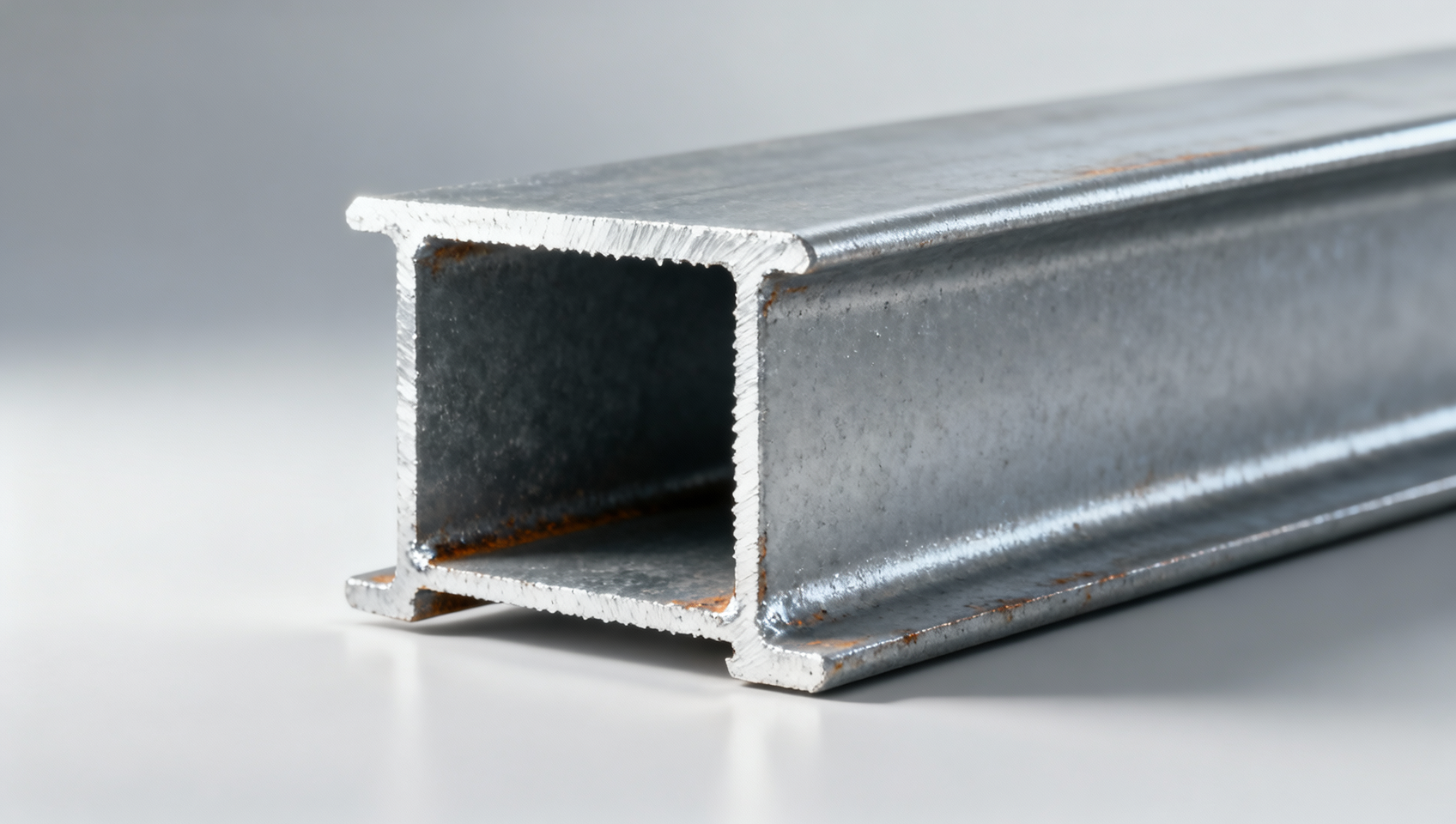
In one mining project located in northern Europe, the introduction of Hongteng Fengda’s high strength wire rope reduced mechanical downtime by 18% over a six-month evaluation. The local distributor required ropes capable of operating at sub-zero temperatures while retaining flexibility. Using specialized lubricant and corrosion-resistant galvanization, the solution sustained load cycles beyond expected fatigue limits. Another case in Southeast Asia involved an open-pit mine transitioning from local suppliers to an OEM manufacturer offering advanced inspection reports and standard conformity. The shift resulted in improved traceability and fewer warranty claims. Across the construction sector, many structural integrators have adopted the same rigorous approach when partnering with Hongteng Fengda for structural steel beams or channel profiles, leveraging synergies between lifting equipment and supporting frameworks. These success stories affirm that long-term collaboration with a professional supplier ensures better alignment with safety regulations, more predictable logistics, and improved cost efficiency. Engineering teams often highlight the responsiveness of Hongteng Fengda’s technical department, which provides finite element simulation data and microstructure analysis for client-specific designs, enhancing confidence in complex industrial contexts where equipment uptime is crucial.
Trends and Future Insights
Future development in steel wire rope technology will focus on improving fatigue life through hybrid material combinations, such as steel-polymer composites that reduce internal wear. Automation will play a large role in predictive maintenance, using sensors to monitor tension, elongation, and corrosion continuously. Global energy transition trends will drive further demand for mining raw materials, and consequently, for advanced steel wire rope for lifting and hoisting equipment. Environmental sustainability will influence steel wire rope manufacturers in China and Europe alike to adopt low-carbon steelmaking processes using electric arc furnaces and recycled feedstock. Furthermore, coating innovations, such as nano-ceramic protective films, promise longer corrosion resistance and better compatibility with environmentally safe lubricants. For large infrastructure and mining consortiums, harmonized performance standards will allow cross-border acceptance of inspection certificates, streamlining supply chain coordination. With increasing complexity in mine safety and lifting regulations, the role of experienced OEM suppliers like Hongteng Fengda becomes indispensable for consistent material performance and responsible environmental practices. As the steel material sector continues to evolve, partnerships built on trust, certification, and shared technical insight remain the key to sustainable global growth.
Why Choose Hongteng Fengda
Hongteng Fengda is a leading structural steel manufacturer and exporter from China, delivering comprehensive solutions that exceed industry benchmarks. Our production system integrates advanced forming and testing technologies to meet the stringent demands of construction, mining, and industrial applications. With compliance to ASTM, EN, JIS, and GB standards, we provide global clients with steel wire rope for mining and lifting tasks at competitive terms backed by reliable quality control. Our advantage lies in the ability to offer OEM and customized solutions, ensuring every technical specification matches the project’s unique load and environmental requirements. Serving customers across North America, Europe, the Middle East, and Southeast Asia, Hongteng Fengda supports stable production capacity and dependable lead times. Choosing us means working with a partner dedicated to continuous innovation, sustainable material sourcing, and technical expertise. For further technical consultation, product customization, or procurement inquiries, clients are encouraged to contact Hongteng Fengda’s professional team to explore tailored solutions ensuring project safety, longevity, and operational efficiency.
- wire rod
- ss steel wire
- stainless steel wire
- stainless wire
- alloy steel wire
- ss wire
- a steel wire
- Corrosion Resistant Wire
- steel coil
- structural steel
- steel beams
- structural steel beams
- Structural Steel
- Structural Steel Beams
- Steel Beams
- Corrosion Resistant Steel
- Profile
- Galvanized
- Steel Beam
- Steel Wire
- High Strength Steel Wire
- carbon steel
- steel wire rope
- high strength steel wire rope
- steel wire rope manufacturer in China
- steel wire rope price list
- corrosion resistant steel wire rope
- steel wire rope for mining
- steel wire rope supplier in Europe
- steel wire rope specifications
- steel wire rope for lifting
- steel wire rope OEM manufacturer
Related recommendations
 How long does acero prepintado retain gloss and color stability in direct desert sunlight?Acero prepintado gloss & color stability in desert sun? Discover real-world performance data, PVDF vs. polyester longevity, and spec-critical insights for GCC projects.
 Does acero pregalvanizado maintain coating integrity after cold bending to 90 degrees?Acero pregalvanizado maintains coating integrity after 90° cold bending — when engineered right. Discover how Hongteng Fengda guarantees real-world performance, adhesion & corrosion resistance.
 Do the advantages of galvanized steel include reduced fire risk compared to untreated carbon steel?Advantages of galvanized steel include measurable fire-risk reduction vs. untreated carbon steel—learn how zinc delays ignition, buys critical escape time, and enhances safety without false 'fireproof' claims.
 What is the minimum bend radius for 12mm steel wire rope without permanent deformation?12mm steel wire rope capacity depends on bend radius — discover the safe 72–96mm minimum to prevent permanent deformation, fatigue & failure. Expert rigging insights inside.
Please give us a message


Please enter what you want to find