Choosing between 201 and 304 stainless steel can greatly influence your material budget and long-term performance in 2024. While the 201 stainless steel plate thickness for decoration offers cost savings, understanding the 201 vs 304 stainless steel cost difference is crucial for selecting the right solution for your industrial, construction, or manufacturing needs. This guide helps you compare their pricing, durability, and applications to make a well-informed purchasing decision.
Definition and Basic Understanding of 201 and 304 Stainless Steel
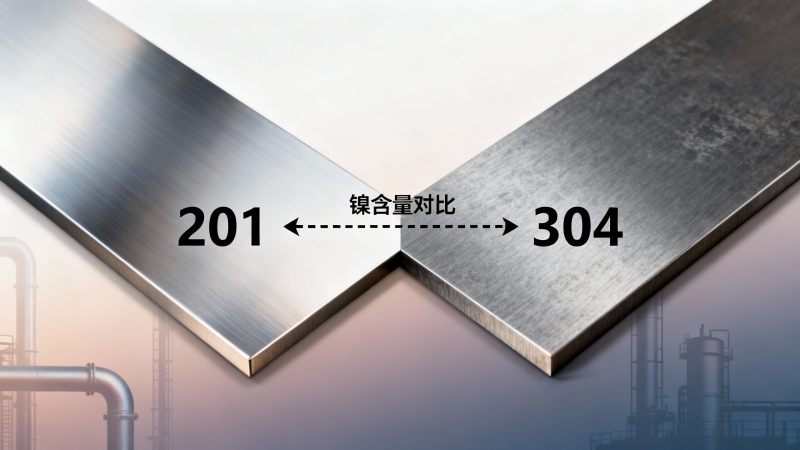
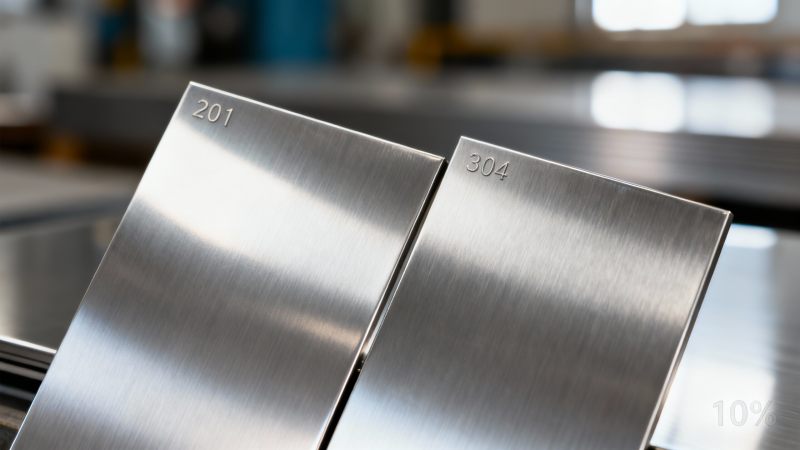
When discussing stainless steel options, both 201 and 304 stand out as common types used across industries. Stainless steel is primarily an alloy containing iron, chromium, and nickel, with varying elements added to enhance corrosion resistance or mechanical performance. The 201 series represents an economical grade, characterized by a lower nickel content and higher manganese and nitrogen levels. In contrast, 304 stainless steel falls under the 300 series, with higher nickel and chromium ratios, ensuring exceptional corrosion resistance and durability. The key chemical composition difference between these two lies in the nickel and manganese balance. 201 has approximately 4.5% nickel content, while 304 contains around 8-10%. This distinction significantly impacts both cost and performance. For projects emphasizing decorative utility, where surface aesthetics and moderate corrosion resistance suffice, 201 stainless steel plate thickness for decoration delivers competitive pricing. On the other hand, 304 is the preferred choice for environments requiring longevity, chemical resistance, and safety compliance, such as food processing or medical equipment fabrication.
Market Overview: Global Price Shifts and Cost Dynamics in 2024
In 2024, international commodity markets continue to experience fluctuations in nickel and chromium prices. The cost swing directly influences the 201 vs 304 stainless steel cost structure. As nickel remains expensive due to limited supply and rising demand from battery industries, the price of 304 stainless steel fluctuates more sharply compared with 201. Manufacturers and procurement professionals must therefore monitor raw material indices before finalizing bulk purchase contracts. Globally, demand for cost-effective alternatives is increasing, especially in developing markets across Southeast Asia, where decorative and structural applications drive massive consumption of 201 stainless steel. In contrast, the higher-end manufacturing sectors in North America and Europe show enduring demand for 304 stainless steel in critical-use cases like sanitary piping and mechanical systems. Hongteng Fengda, a professional structural steel manufacturer and exporter from China, understands these dynamics and provides optimized sourcing strategies to global clients. By maintaining stable production capacity, they balance material costs with corrosion resistance needs, supporting industrial buyers and project planners to reduce procurement risks.
Technical Performance Comparison
From a technical perspective, the differences between 201 and 304 stainless steel extend far beyond cost. 304 offers superior resistance to oxidation and acid corrosion, performing reliably in humid, chemical, or saline environments. It also maintains thermal stability across a broader temperature range. Meanwhile, 201 performs well in indoor, dry, or decorative conditions, with tensile strength roughly 520 MPa compared to 304’s approximately 620 MPa. Below is a summarized table comparing their main features:
Application Scenarios Across Industries
201 stainless steel often appears in architectural decoration, elevator panels, kitchen accessories, and furniture tubing, where aesthetic surface finishes are more critical than exposure to corrosive agents. The 201 stainless steel plate thickness for decoration offers a visually appealing finish that retains a polished look while cutting material costs. In contrast, 304 stainless steel finds its place in more demanding sectors like food and beverage processing, pharmaceuticals, and chemical manufacturing. Its hygienic properties and resistance to rust make it indispensable for equipment that must undergo frequent cleaning or contact with moisture. Additionally, structural and piping systems employing 304 maintain strength and integrity over long life cycles. Hongteng Fengda’s standardized products, such as beams and cold-formed steel profiles, can be integrated seamlessly within both stainless and carbon steel assemblies, enabling engineers to balance strength with cost-effectiveness in diverse project conditions.
Procurement Guide: Selecting Between 201 and 304 for Your Project
When developing a procurement strategy for industrial or commercial projects, buyers and decision-makers should assess key factors such as environmental exposure, maintenance schedules, and lifecycle costs. Although the 201 vs 304 stainless steel cost difference may initially steer budgets toward the more affordable 201 option, hidden maintenance and replacement expenses should not be overlooked. For example, in outdoor or coastal installations, selecting 304 from the outset may deliver better long-term returns by reducing corrosion-related repairs. Conversely, interior decorative applications such as handrails or paneling can safely adopt 201 at a fraction of the cost. Hongteng Fengda offers sample testing, thickness customization, and flexible delivery solutions to help clients determine the most efficient material choice. Their experience with ASTM, JIS, EN, and GB standards ensures that both grades meet global compliance requirements for quality and reliability.
Cost & Alternatives: Balancing Investment and Performance
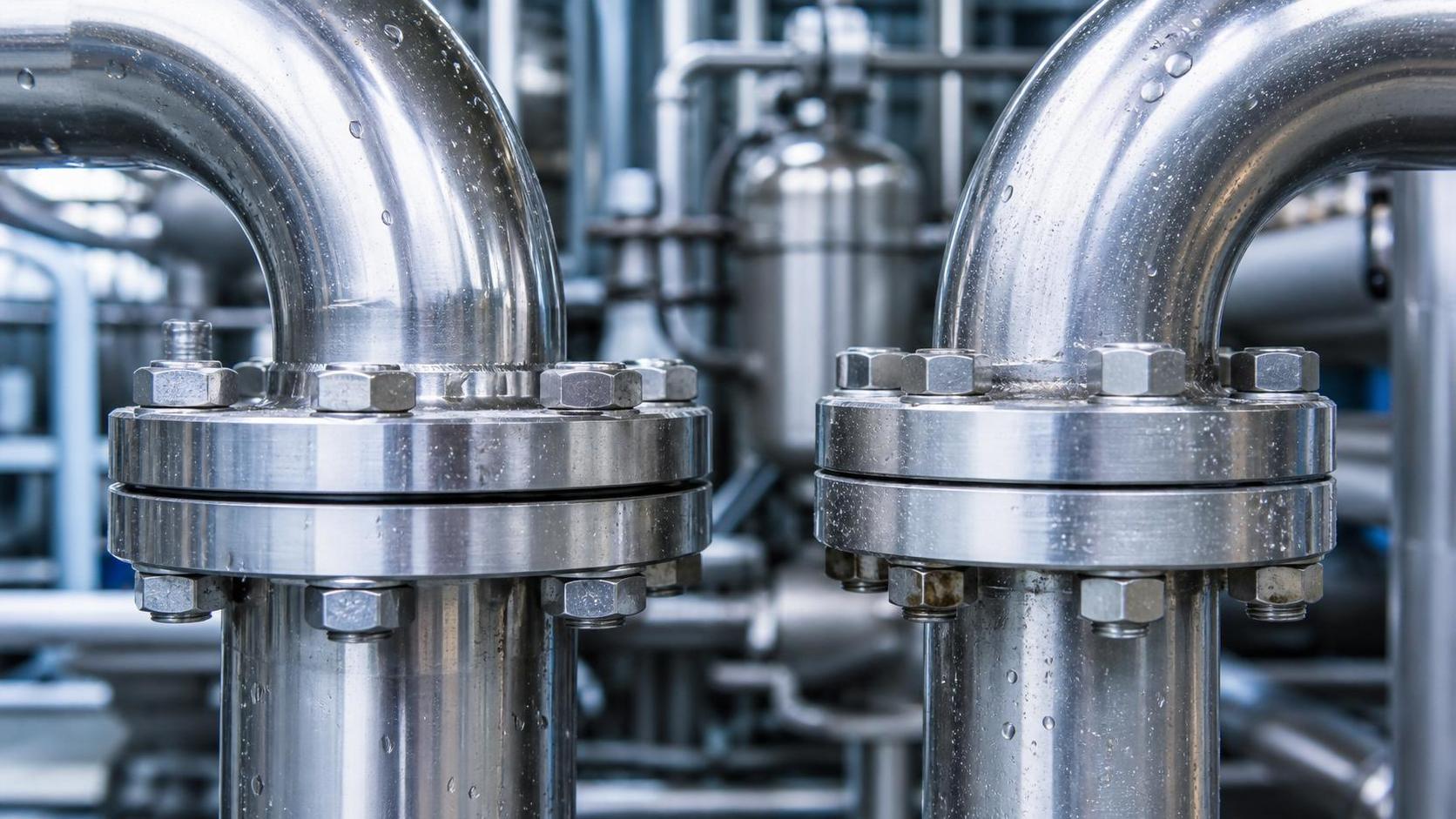
Given the rising costs of raw materials, selecting the proper stainless steel grade has become crucial for optimizing total project budgets. The average price gap between 201 and 304 stainless steels may range from 20% to 40%, depending on regional supply and alloy composition. Many industries adopt a hybrid approach—using 304 stainless components for high-risk sections while integrating 201 for less exposed structural parts. An alternative worth mentioning includes the duplex stainless category, such as Duplex 2205 or Duplex 2507 series, which combine the advantages of ferritic and austenitic structures offering better mechanical performance and moderate pricing. Meanwhile, products like the 304 Stainless steel pipe embody an ideal compromise for those requiring robustness, ductility, and corrosion defense around fluid systems or decorative frameworks.
Trend and Insights: Sustainability and Innovation in Stainless Steel
In 2024, sustainability and lifecycle management are top priorities in global manufacturing. Both 201 and 304 stainless steel are fully recyclable materials, but their environmental impact differs due to alloy contents. 201 requires less nickel mining, thus generating a smaller carbon footprint in production. However, 304’s extended service life reduces waste generation over time, aligning with green construction trends. Advanced production technologies like vacuum melting, automated surface treatment, and digital QA systems are improving yield rates and quality consistency. Hongteng Fengda’s modern facilities incorporate these technologies, ensuring each batch of structural or stainless product adheres to strict tolerance limits while minimizing waste. As customers transition to low-emission supply chains, suppliers capable of balancing cost, quality, and sustainability—like Hongteng Fengda—will continue to shape the global industrial steel landscape.
FAQ and Common Misconceptions
Q1: Is 201 stainless steel completely rust-proof? No. While 201 resists rust better than carbon steel, it can still corrode when exposed to moisture or salt environments over prolonged periods. Q2: What is the standard thickness range for 201 stainless steel plate thickness for decoration? Typical decorative sheets range from 0.4mm to 2.0mm, depending on application and finish preference. Q3: Can 201 be welded as easily as 304? Yes, but the welding process may require adjusted parameters because its higher manganese content affects thermal conductivity. Q4: How do I choose between them for food-grade applications? Always choose 304 or higher grades, as their cleanliness and corrosion resistance meet international standards such as ASTM A240 and EN 10088. Q5: Does appearance vary dramatically? Both can be polished to high gloss finishes like No.1, 2B, BA, 2K, or 8K, yet 304 retains its luster longer under industrial exposure.
Why Choose Hongteng Fengda
Hongteng Fengda serves as a trusted Chinese structural steel manufacturer and exporter supporting buyers worldwide across North America, Europe, the Middle East, and Southeast Asia. With competitive production capabilities and rigorous quality systems, the company ensures consistency in steel beams, channels, angle steels, and custom cold-formed profiles. Each product complies with leading international standards including ASTM, EN, JIS, and GB. For clients seeking the right balance between 201 vs 304 stainless steel cost and performance, Hongteng Fengda provides guidance based on project environment, safety requirements, and operational cycles. Their customer-oriented service helps project managers and procurement teams minimize sourcing risks, enhance reliability, and meet delivery timelines. Contact Hongteng Fengda today to explore customized stainless steel solutions that combine efficiency, cost control, and quality assurance for your next industrial or architectural venture.
- steel i
- angle steel
- 201 stainless steel plate
- Industrial Steel
- steel pipe
- structural steel
- steel beams
- steel profiles
- Structural Steel
- Steel Beams
- stainless steel plate
- 304 stainless steel pipe
- stainless steel pipe
- ss steel plate
- 1 stainless steel plate
- steel plate
- Profile
- Steel Beam
- 201 vs 304 stainless steel cost
- 201 stainless steel plate thickness for decoration
Related recommendations
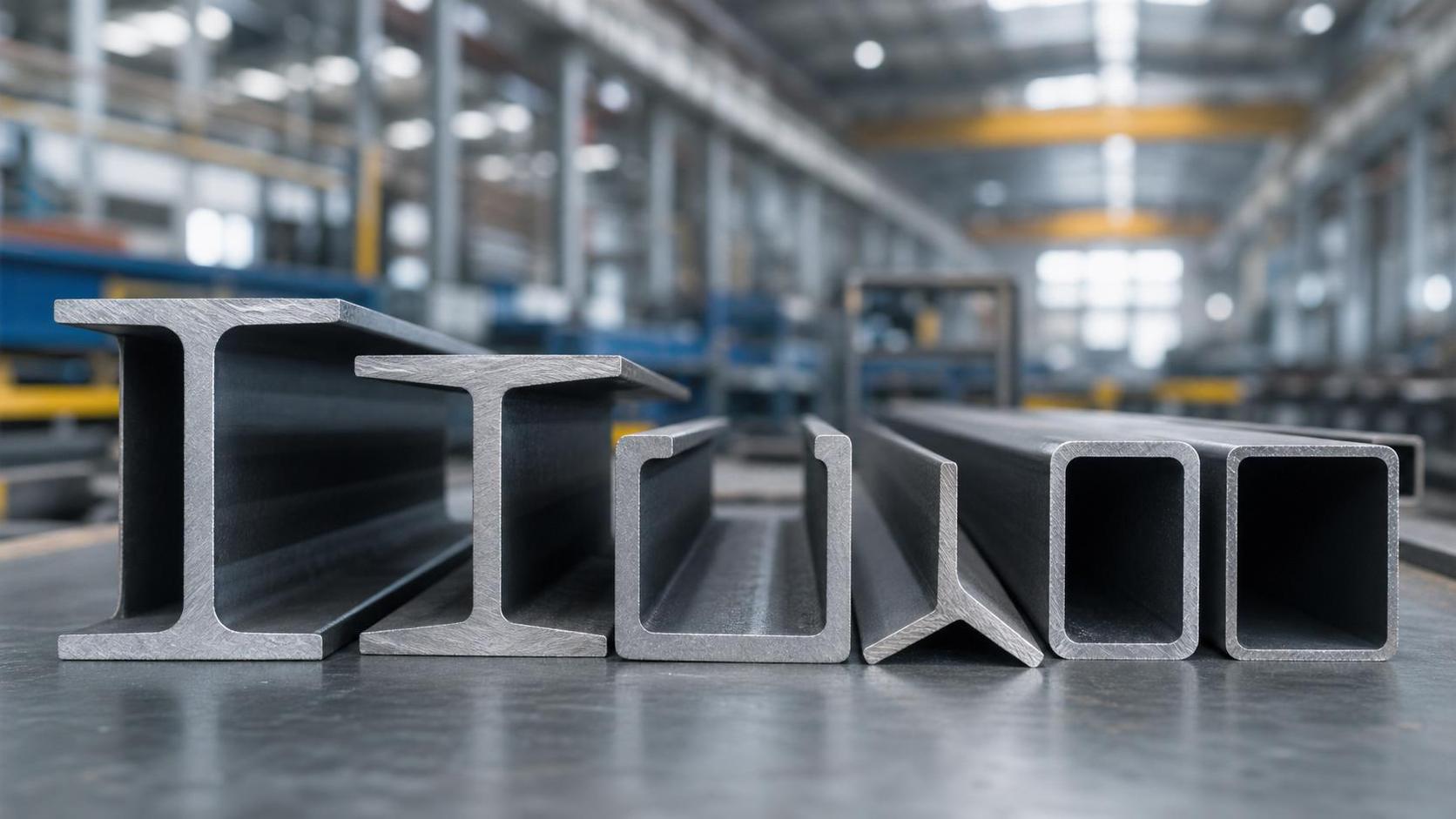
 What Is a Steel Profile? Common Shapes, Uses, and Selection BasicsProfile selection starts with shape, but performance depends on load, fabrication, and standards. Learn common steel profile types, uses, and smart selection basics.
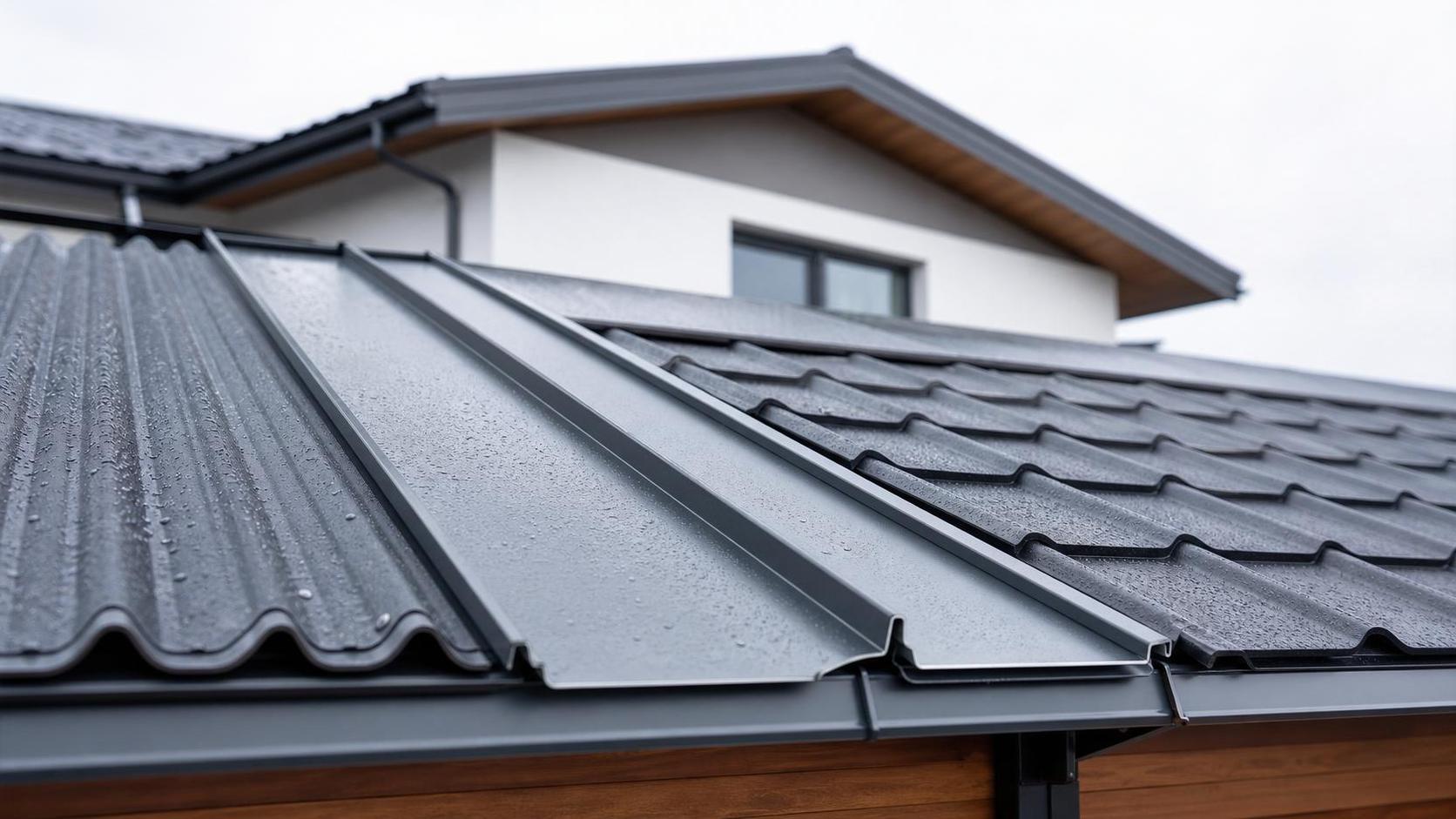
 Steel Roofing Types Explained: Corrugated, Standing Seam, and Metal ShinglesSteel Roofing guide comparing corrugated panels, standing seam, and metal shingles. Discover costs, durability, weather performance, and how to choose the best roof for your home.
 How Hot-Dip Galvanized Coating Thickness Affects Service LifeHot-dip galvanized coating thickness directly affects steel service life. Learn how the right zinc layer improves corrosion protection, controls cost, and supports smarter project decisions.
 Pipe Stainless Grades Explained: 304 vs 316 for Corrosion ResistancePipe stainless grades explained: compare 304 vs 316 for corrosion resistance, cost, and service life. Learn which stainless pipe grade fits marine, chemical, and water system applications.
Please give us a message


Please enter what you want to find