Selecting the ideal 201 stainless steel plate thickness for decoration is essential to achieve both durability and aesthetic appeal in your 2024 projects. Whether you are comparing 201 vs 304 stainless steel cost or seeking the optimal balance between strength, corrosion resistance, and budget, this guide helps you make informed decisions. Backed by Hongteng Fengda’s expertise as a leading structural steel manufacturer and exporter from China, you’ll gain practical insights to enhance your decorative and architectural applications. The right thickness ensures that your designs remain sleek while maintaining mechanical strength and longevity, even in demanding environments such as humid interiors or semi-outdoor façades. As stainless steel continues to shape modern architecture, knowing how to choose the correct material specifications becomes an integral part of every successful project.
Definition and Key Characteristics of 201 Stainless Steel
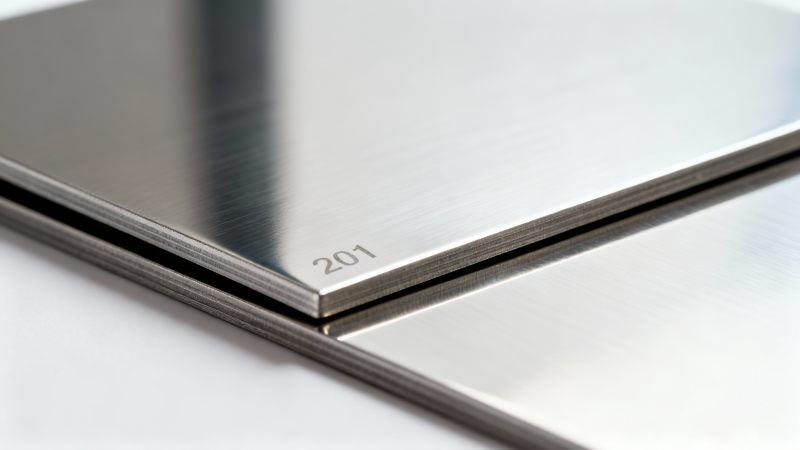
201 stainless steel is an austenitic chromium-nickel-manganese alloy that serves as a cost-effective substitute for 304 stainless steel in decorative and structural applications. It provides moderate corrosion resistance, high hardness, and excellent formability, making it suitable for applications that demand both visual appeal and mechanical strength. The 201 stainless steel plate thickness for decoration usually ranges between 0.3 mm and 3 mm depending on whether it will be used for wall panels, elevator interiors, kitchen surfaces, or decorative trim. Its chemical composition includes a lower nickel content than 304 stainless steel, replaced partly by manganese and nitrogen, allowing it to retain durability while reducing the cost significantly. Users, from designers to procurement professionals, must also consider surface finish options—mirror polish, brushed, or color-coated—to meet design goals and functional requirements.
Market Overview: 2024 Decorative Steel Trends
In 2024, global demand for decorative metals continues to expand across commercial and residential projects. The construction boom in Southeast Asia and the industrial modernization in Europe and North America are driving higher consumption of stainless steel plates for aesthetic applications. The shift toward eco-friendly materials has made stainless steel popular for its recyclability and long service life. Project managers and designers are seeking sustainable yet affordable materials, making 201 stainless steel highly attractive compared with higher-grade alternatives. The 201 vs 304 stainless steel cost difference remains a decisive factor: with many architectural projects aiming to balance budget limitations without compromising visual quality. According to industry analysts, mid-thickness plates between 1.0 and 1.5 mm are expected to dominate the market for interior decorative panels, while heavier ranges up to 3 mm are gaining traction in exterior designs such as facades and public installations.
Technical Performance and Recommended Thickness Selection
When determining the appropriate 201 stainless steel plate thickness for decoration, several factors need to be evaluated—mechanical load, environmental exposure, finishing process, and installation conditions. Thinner materials (around 0.5–0.8 mm) are ideal for interior ceilings, elevator doors, or decorative strips where the main goal is visual texture. Medium thicknesses (1.0–1.5 mm) provide sufficient rigidity for wall cladding or signage panels exposed to moderate handling or vibration. For outdoor structures and façades, 2–3 mm plates ensure resistance to wind pressure and temperature fluctuation. Compared with 304 stainless steel, 201 exhibits slightly lower pitting resistance but provides a higher yield strength in cold-worked state, allowing thinner gauges to achieve similar geometric stability. Manufacturers like Hongteng Fengda follow stringent international standards such as ASTM A240 and GB/T 3280 to ensure consistent mechanical and chemical performance. Proper polishing and passivation further improve the anti-fingerprint and corrosion resistance for decorative use.
Comparison Analysis: 201 vs 304 Stainless Steel Cost and Application Balance
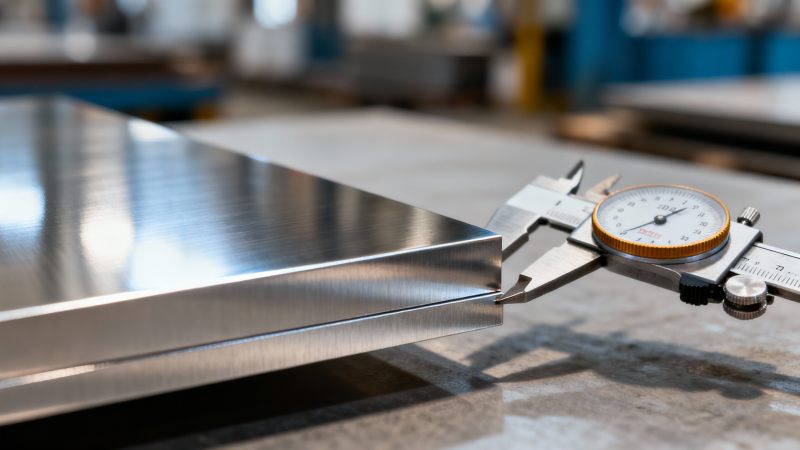
When evaluating 201 vs 304 stainless steel cost, buyers will notice a significant price gap due to their different nickel content. In many regions, 201 stainless steel can reduce material costs by 35–45% compared with 304 while maintaining acceptable corrosion resistance for indoor environments. However, in high‑humidity or coastal areas, additional surface treatments like PVD coating or anti-rust films are recommended. Engineers and project decision makers often conduct life cycle cost analysis (LCC) before material selection. For decorative projects with limited exposure, 201 stainless steel provides the ideal balance between aesthetic flexibility and budget efficiency. Conversely, 304 or even 316L may be preferred in heavy-duty industrial or marine installations. By analyzing performance versus cost, Hongteng Fengda helps global clients optimize resource allocation and maintain both quality and profitability, reinforcing the value of engineered stainless steel selection.
Applications and Integration with Structural Components
The decorative use of 201 stainless steel plates extends from commercial interiors—showrooms, hotels, rail stations—to architectural exteriors like canopy undersides or façade claddings. Integrating decorative elements with structural solutions is key for modern building efficiency. For example, combining surface panels with robust framing products such as the C Channel Beam offers both aesthetic and mechanical support. These beams, made from materials like Q235 or Q345, can be galvanized or powder coated for improved corrosion protection. They are widely applied in steel structure buildings and light industry manufacturing, with standard lengths of 6m, 9m, or 12m and a thickness range of 1mm–12mm. Using a unified supplier for both decorative stainless materials and structural components simplifies installation, ensures consistency in quality, and saves procurement time. With appropriate design alignment, architects achieve seamless integration between decorative plates and supporting frameworks.
Procurement Guide: How to Choose the Right Supplier and Specification
Selecting a qualified supplier is as important as choosing the correct plate thickness. Buyers should consider supplier credentials, manufacturing capacity, surface treatment technology, and shipping reliability. Hongteng Fengda stands out as a structural steel manufacturer and exporter from China offering a complete range of products compliant with ASTM, EN, JIS, and GB standards. Their professional production lines, combined with CE, SGS, BV, and ISO certifications, ensure consistent quality. Before purchasing, determine the following: required thickness range, surface finish, processing service (cutting, welding, or bending), and intended application environment. Comparing quotations should include not only material cost but also packaging, logistics, and after-sale service. A transparent trade term such as FOB CFR or CIF with clear payment terms (30% TT deposit and 70% balance before shipment) safeguards both buyer and exporter interests. In short, technical consultation and reliable logistics form the backbone of an effective procurement plan.
Case Studies: Successful Applications in Decorative Projects
Several decorative projects worldwide demonstrate the effectiveness of using 201 stainless steel plates of optimal thickness. In Southeast Asia, a hotel renovation project used polished 1.2 mm 201 stainless panels for its lobby walls, combining elegance with cost-effectiveness. In Europe, commercial retail interiors adopted brushed 1.0 mm sheets for signage and counters, providing a modern metallic aesthetic while remaining budget-friendly. A construction team integrated these panels with galvanized structures utilizing components such as the C Channel Beam, achieving efficient installation and long-lasting dimensional stability. Engineers confirmed that choosing the right panel thickness minimized vibration effects, simplifying installation even on uneven frameworks. Through such case studies, project owners recognize how partnering with a trusted manufacturer helps optimize design intent, cost efficiency, and structural integrity. Hongteng Fengda’s global experience ensures that each decorative application benefits from technical precision and superior finishing processes tailored to client demands.
FAQ and Common Misconceptions about 201 Stainless Steel Plate Thickness
1. Is 201 stainless steel inferior to 304? Not necessarily. 201 offers excellent performance in decorative and low-corrosion environments while considerably lowering cost. It becomes less suitable only for marine or acidic surroundings.
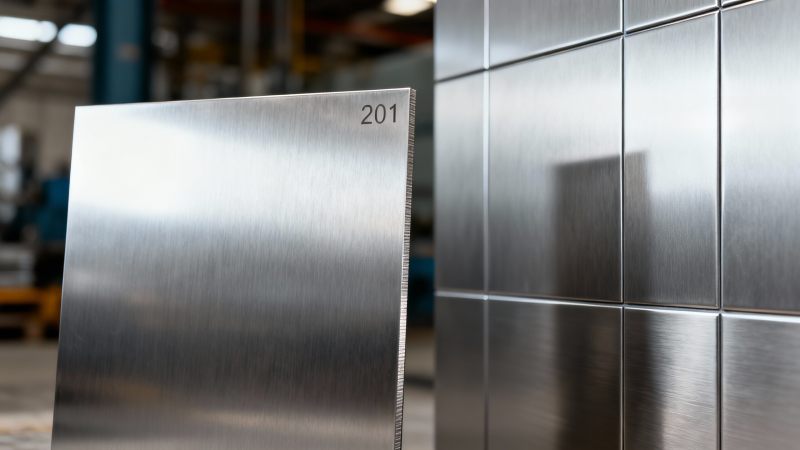
2. What is the best thickness for wall decoration? For most indoor walls, 0.8–1.5 mm works best, combining easy handling with a smooth finish.
3. Can 201 stainless steel be mirror polished? Yes. With proper grinding and polishing, it can achieve a reflective surface comparable to 304, though the long-term brightness retention depends on environment and maintenance.
4. Does coating improve performance? PVD color coating or anti-fingerprint treatments enhance corrosion resistance and appearance, making 201 an even more versatile choice.
5. How is thickness tolerance controlled? Reliable suppliers employ precision rolling techniques with a strict ±1% thickness tolerance, as implemented in Hongteng Fengda’s facilities.
Trend and Future Insights: Decorative Stainless Steel in 2024 and Beyond
Looking ahead, the decorative metal market emphasizes energy saving, innovation, and surface customization. Stainless steel plates with digital patterning, advanced coating, and modular installation systems are entering mainstream architecture. Thin-gauge 201 stainless steel will continue to dominate commercial decoration, while thicker variants will serve hybrid roles in both structure and design. Growth opportunities lie in integrating decorative stainless with smart building systems, combining visual appeal and functional performance. As sustainable construction gains traction globally, recyclable and durable materials like stainless steel perfectly match environmental objectives. Manufacturers such as Hongteng Fengda invest in intelligent production lines to enhance precision, reduce waste, and deliver custom designs faster. For engineers, decorators, and decision-makers, staying current with these advancements ensures future-ready material planning.
Why Choose Hongteng Fengda as Your Stainless Steel Partner
Hongteng Fengda is not only a supplier but also a long-term structural steel partner. The company’s modern production facilities, strong export experience, and comprehensive quality management deliver genuine value to global customers. Whether you require customized 201 stainless decorative sheets or structural elements like hot-rolled beams and channels, Hongteng Fengda ensures precise technical data, consistent thickness tolerance, and excellent finishing. Clients benefit from stable production capacity, professional packaging, punctual delivery (typically 15–20 days), and collaborative technical support. By choosing Hongteng Fengda, project managers, procurement officers, and designers secure both competitive pricing and reliability throughout the project cycle. Contact Hongteng Fengda today to discuss material specifications, project designs, and procurement solutions—achieve durability, beauty, and efficiency in every decorative and structural endeavor.
Related recommendations
 How to Judge if Steel Sheet for Construction Fits Roofing or Wall CladdingSteel sheet for construction: learn how to judge thickness, coating, profile, and load performance for roofing or wall cladding, and choose a durable, cost-effective fit.
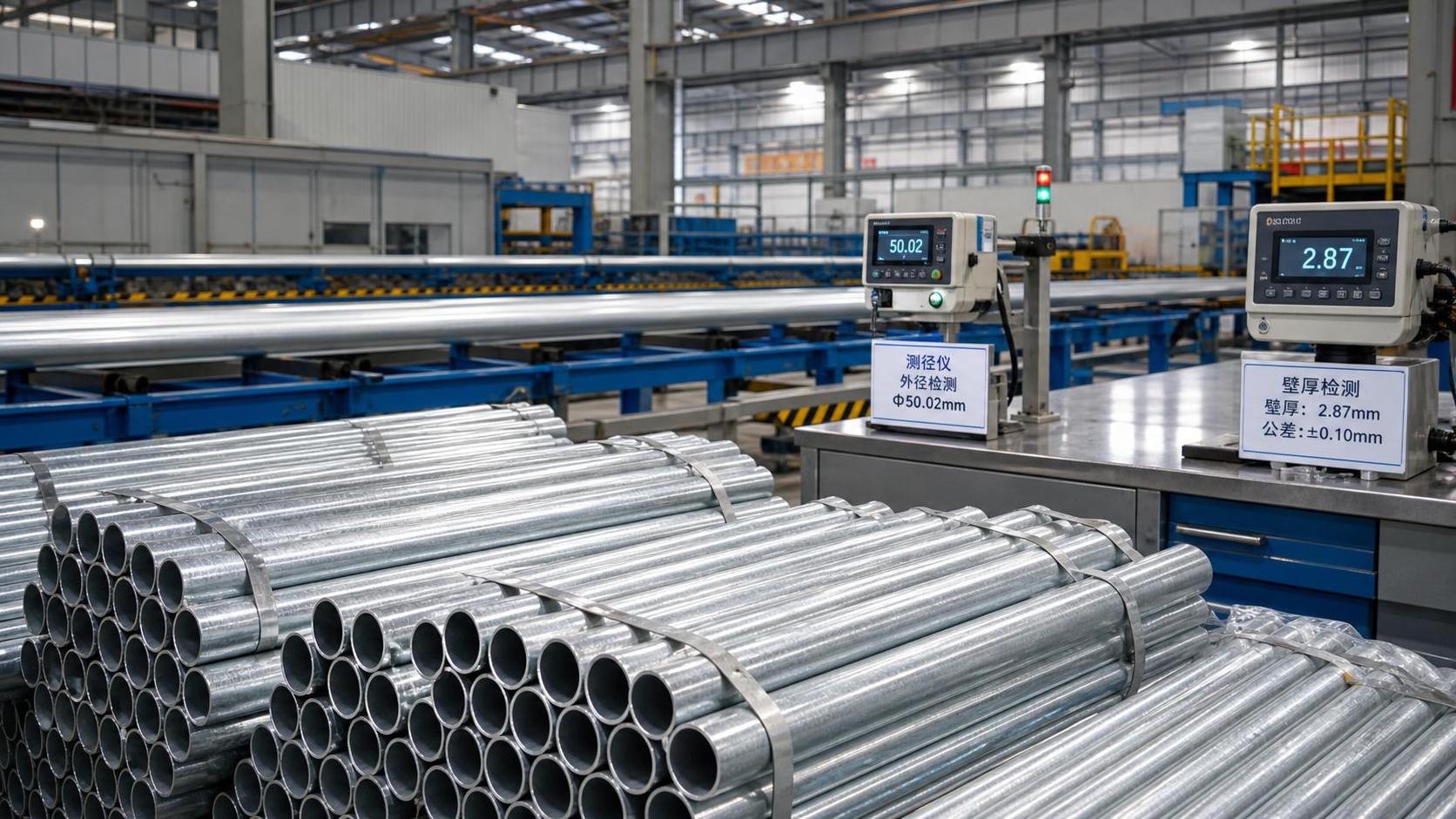
 Galvanized Pipe Manufacturer Selection: Zinc Coating, Tolerance, and ComplianceGalvanized pipe manufacturer selection guide: compare zinc coating quality, tolerance control, and compliance to reduce risk and choose a supplier that delivers reliable steel products.
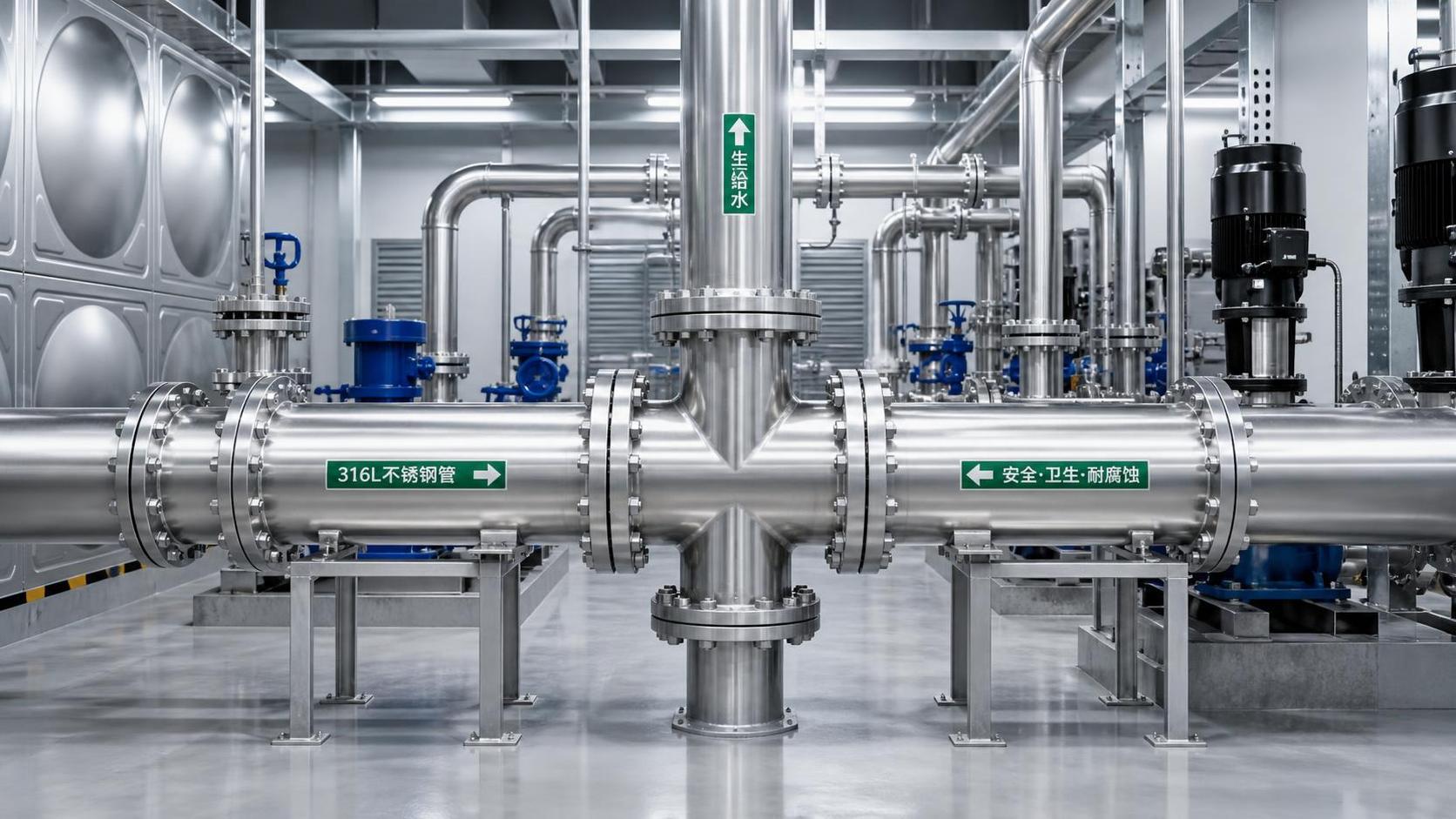
 How to Choose SS Pipe for Water Supply in Corrosion-Prone BuildingsSS pipe for water supply selection guide for corrosion-prone buildings. Compare 304 vs 316 grades, water chemistry, specs, and lifecycle cost to choose a safer, longer-lasting system.
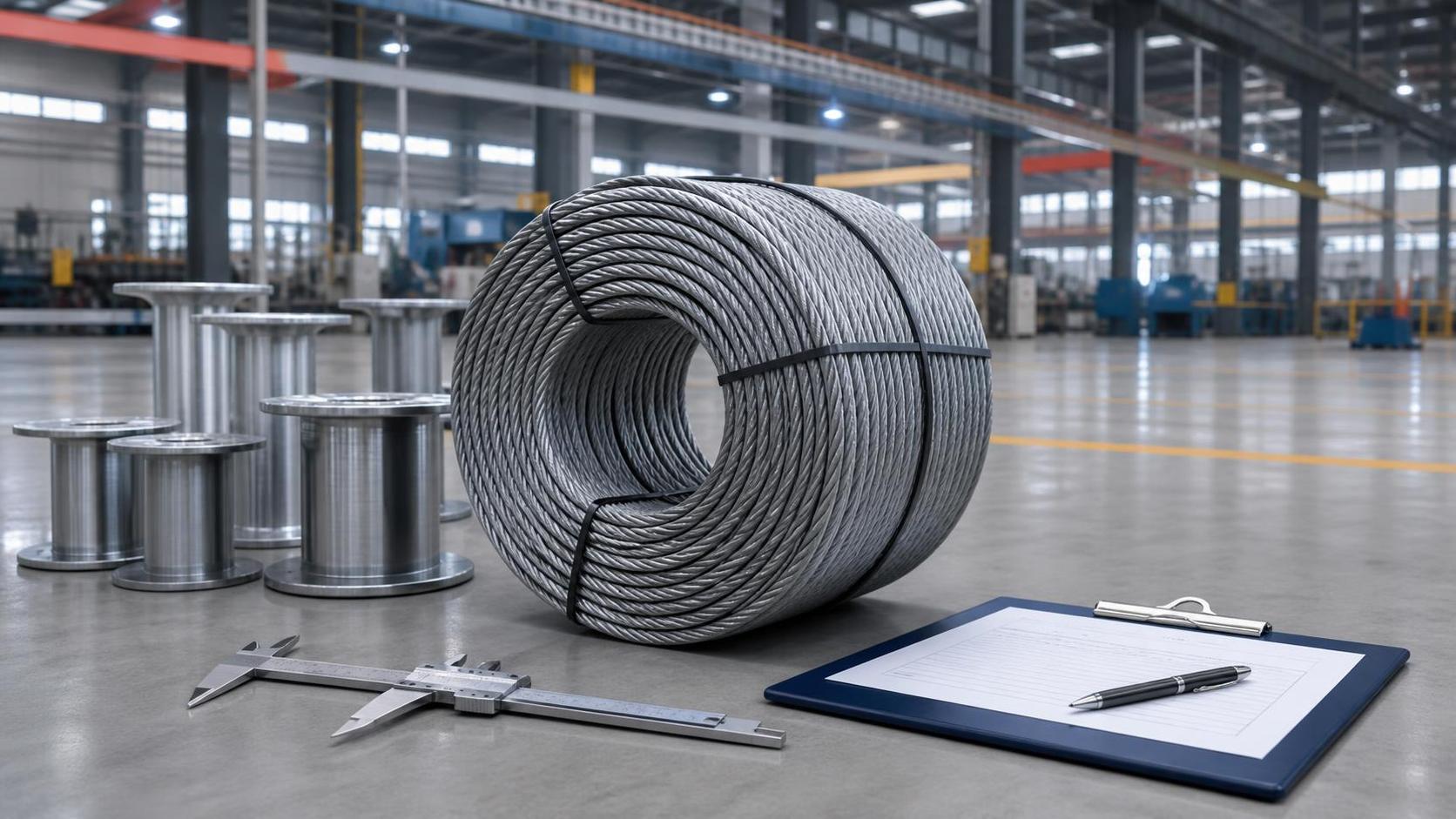
 Steel Wire Rope Manufacturer Standards That Matter in Lifting ApplicationsSteel wire rope manufacturer standards for lifting: learn how to assess traceability, testing, compliance, and real quality control before choosing a safer, more reliable supplier.
Please give us a message


Please enter what you want to find