When planning steel procurement, understanding Mill MOQ vs Trader MOQ steel requirements directly impacts your project budget and timeline. Procurement managers must evaluate minimum order quantities, steel manufacturing lead times, and supplier capabilities to mitigate risks. Our guide compares standard vs custom steel lead time considerations, MOQ requirements for steel products, and key questions to ask suppliers - helping you optimize cost, quality, and delivery for structural steel components.
Understanding Mill MOQ vs Trader MOQ in Steel Procurement
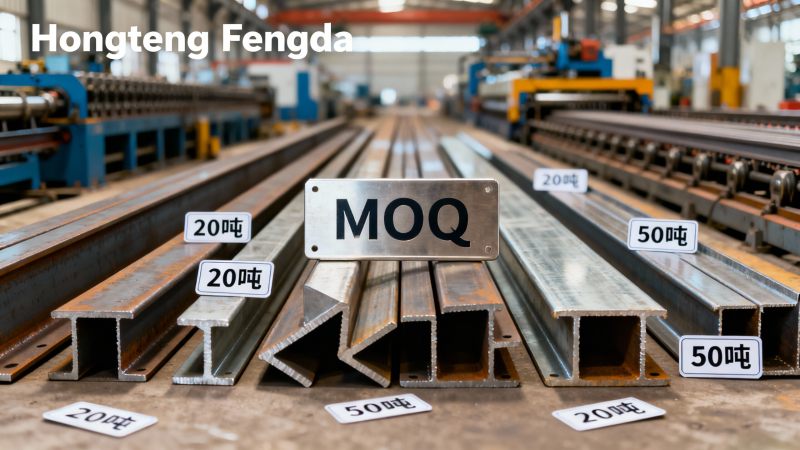
In the steel industry, Minimum Order Quantity (MOQ) varies significantly between mills and traders. Mills typically have higher MOQs due to production efficiencies, while traders can offer lower quantities by aggregating orders. For example, Z-beam manufacturers may require 20-50 tons per order, whereas traders might accept 5-10 tons. This difference affects your project's cash flow, storage costs, and material planning. Procurement teams must assess whether their volume justifies direct mill purchases or if trader flexibility better suits phased projects.
Steel Manufacturing Lead Time: Standard vs Custom Products
Standard steel products like common Z-beam profiles typically have 4-6 week lead times from mills, while customized components may require 8-12 weeks. Traders often maintain inventory of popular items, enabling 2-3 week deliveries. However, this convenience comes with potential trade-offs in quality control and traceability. Project managers should align their schedules with these production realities, especially when working with international suppliers where shipping adds 2-4 weeks to timelines.
Key Questions Procurement Managers Should Ask Steel Suppliers
When evaluating suppliers, ask: 1) What is your actual production capacity versus order backlog? 2) Can you provide mill test certificates for each batch? 3) How do you handle quality disputes? 4) What contingency plans exist for delivery delays? 5) Are your MOQ requirements negotiable for repeat orders? These questions reveal operational transparency and help mitigate lead time and MOQ risks in steel procurement. Reputable manufacturers like Hongteng Fengda provide detailed answers, backed by ISO and CE certifications.
Strategic Approaches to MOQ and Lead Time Challenges
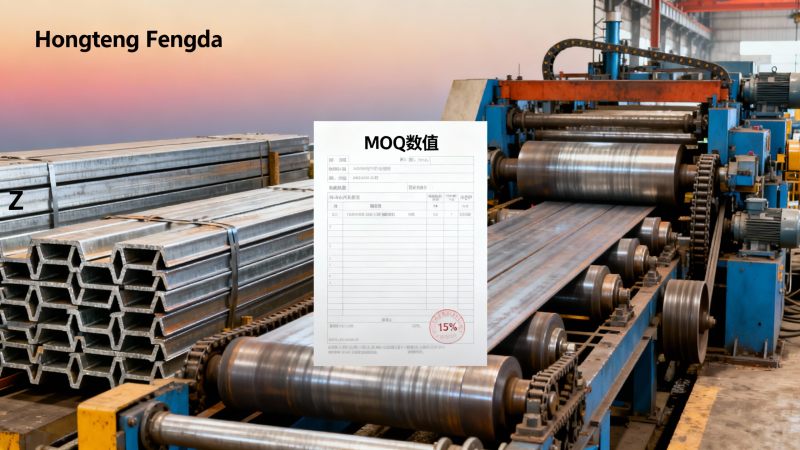
Smart procurement strategies include: combining orders with other departments, negotiating phased deliveries, or selecting versatile profiles like Z-beams that serve multiple applications. For projects with tight budgets but flexible timelines, consider aligning purchases with the supplier's production cycles to potentially reduce costs. Always verify that the supplier's claimed lead times align with their actual steel manufacturing lead time track record through reference checks.
Why Choose Hongteng Fengda for Your Structural Steel Needs
As a professional structural steel manufacturer, we offer competitive MOQs without compromising quality. Our modern facilities produce angle steel, channel steel, and customized components with strict adherence to ASTM, EN, JIS, and GB standards. With direct mill access and trader-like flexibility, we help global clients balance cost and convenience. Contact our team to discuss your project's specific requirements and discover how our reliable supply chain can support your success.
- channel steel
- steel i
- angle steel
- steel supplier
- steel suppliers
- structural steel
- Structural Steel
- Profile
- Z-beam
- steel manufacturing lead time
- MOQ requirements for steel products
- lead time and MOQ risks in steel procurement
- steel procurement lead time planning
- questions procurement managers should ask steel suppliers
- standard vs custom steel lead time
- mill MOQ vs trader MOQ steel
Related recommendations
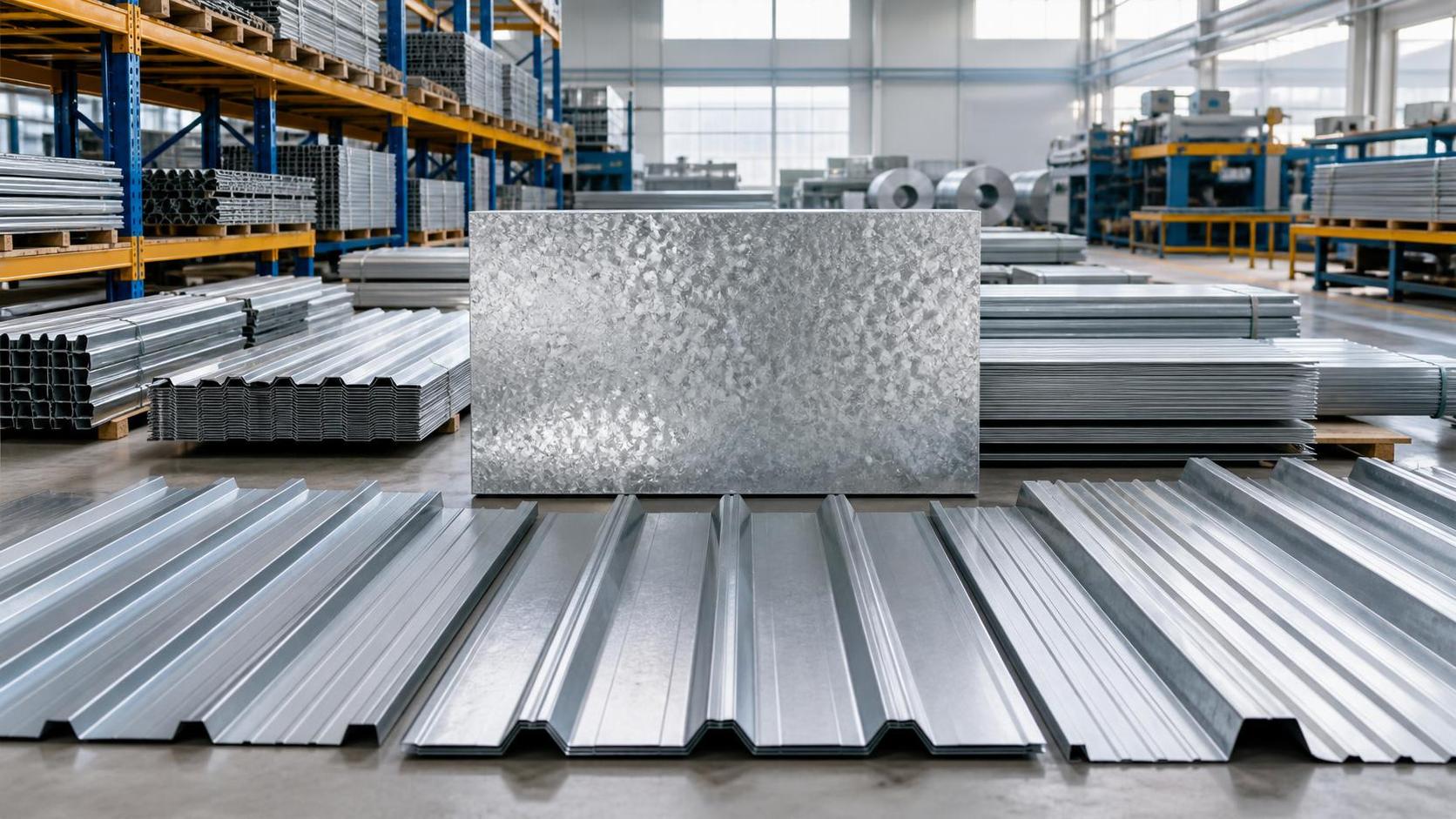
 How to Judge if Steel Sheet for Construction Fits Roofing or Wall CladdingSteel sheet for construction: learn how to judge thickness, coating, profile, and load performance for roofing or wall cladding, and choose a durable, cost-effective fit.
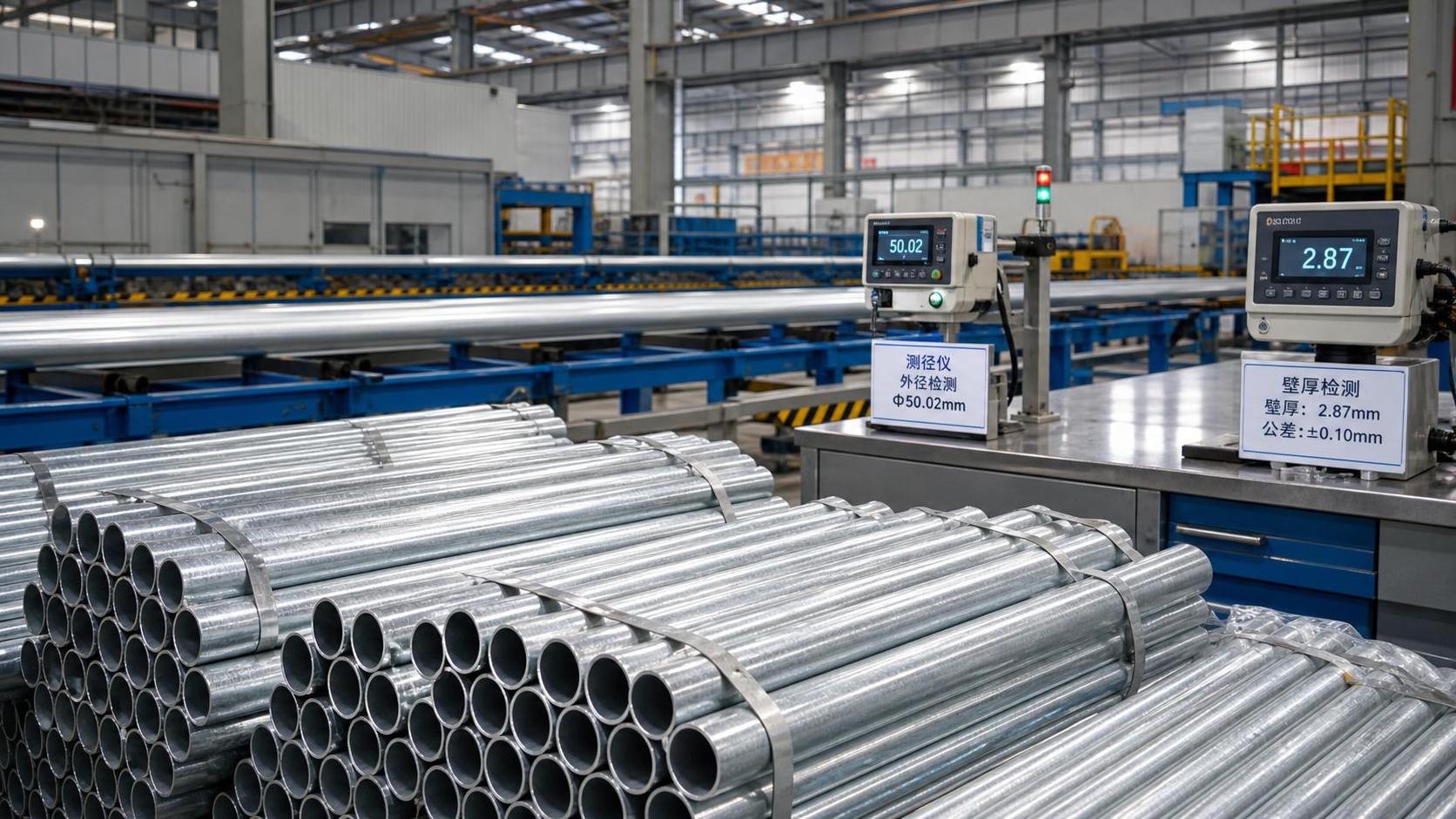
 Galvanized Pipe Manufacturer Selection: Zinc Coating, Tolerance, and ComplianceGalvanized pipe manufacturer selection guide: compare zinc coating quality, tolerance control, and compliance to reduce risk and choose a supplier that delivers reliable steel products.
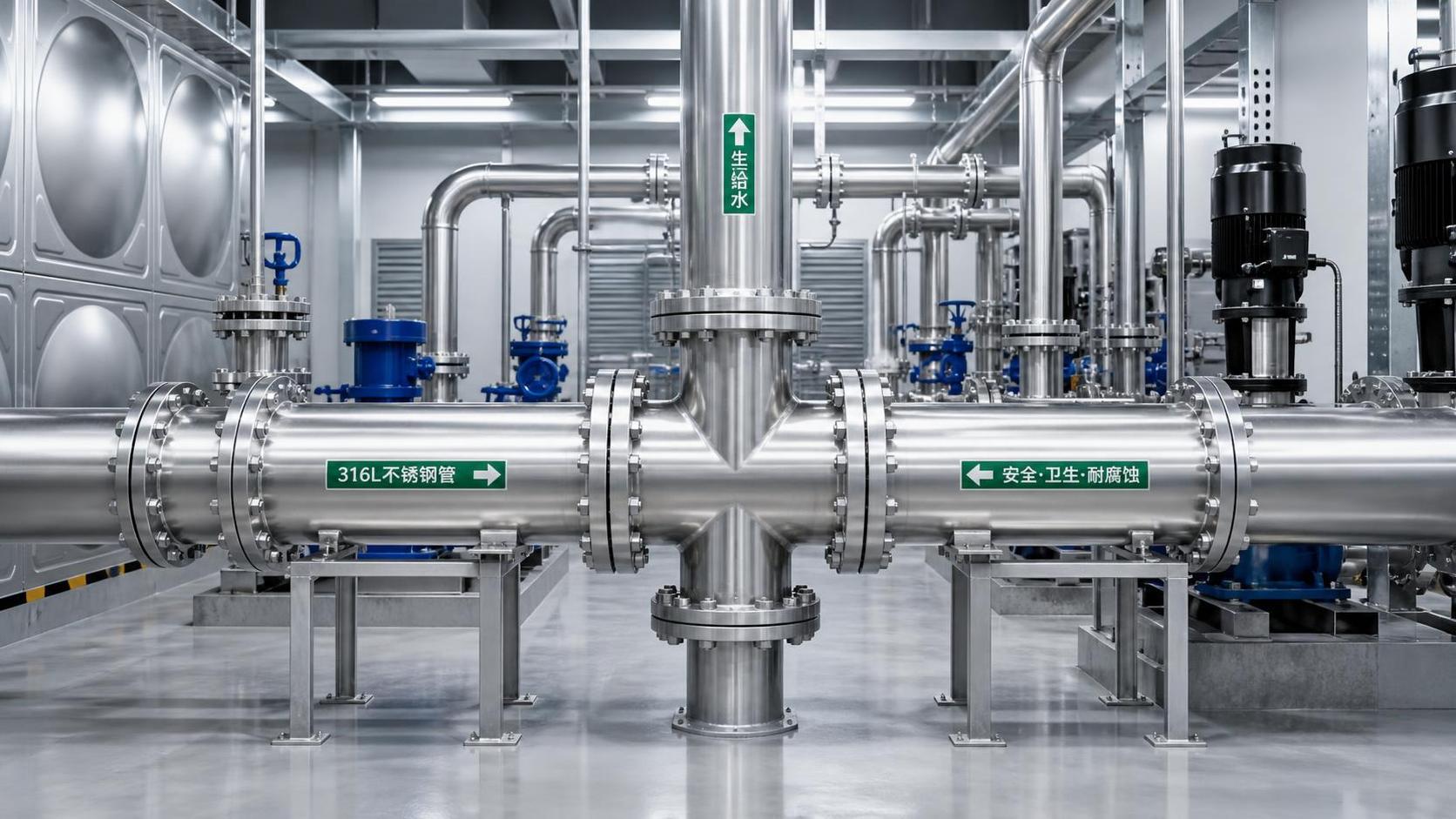
 How to Choose SS Pipe for Water Supply in Corrosion-Prone BuildingsSS pipe for water supply selection guide for corrosion-prone buildings. Compare 304 vs 316 grades, water chemistry, specs, and lifecycle cost to choose a safer, longer-lasting system.
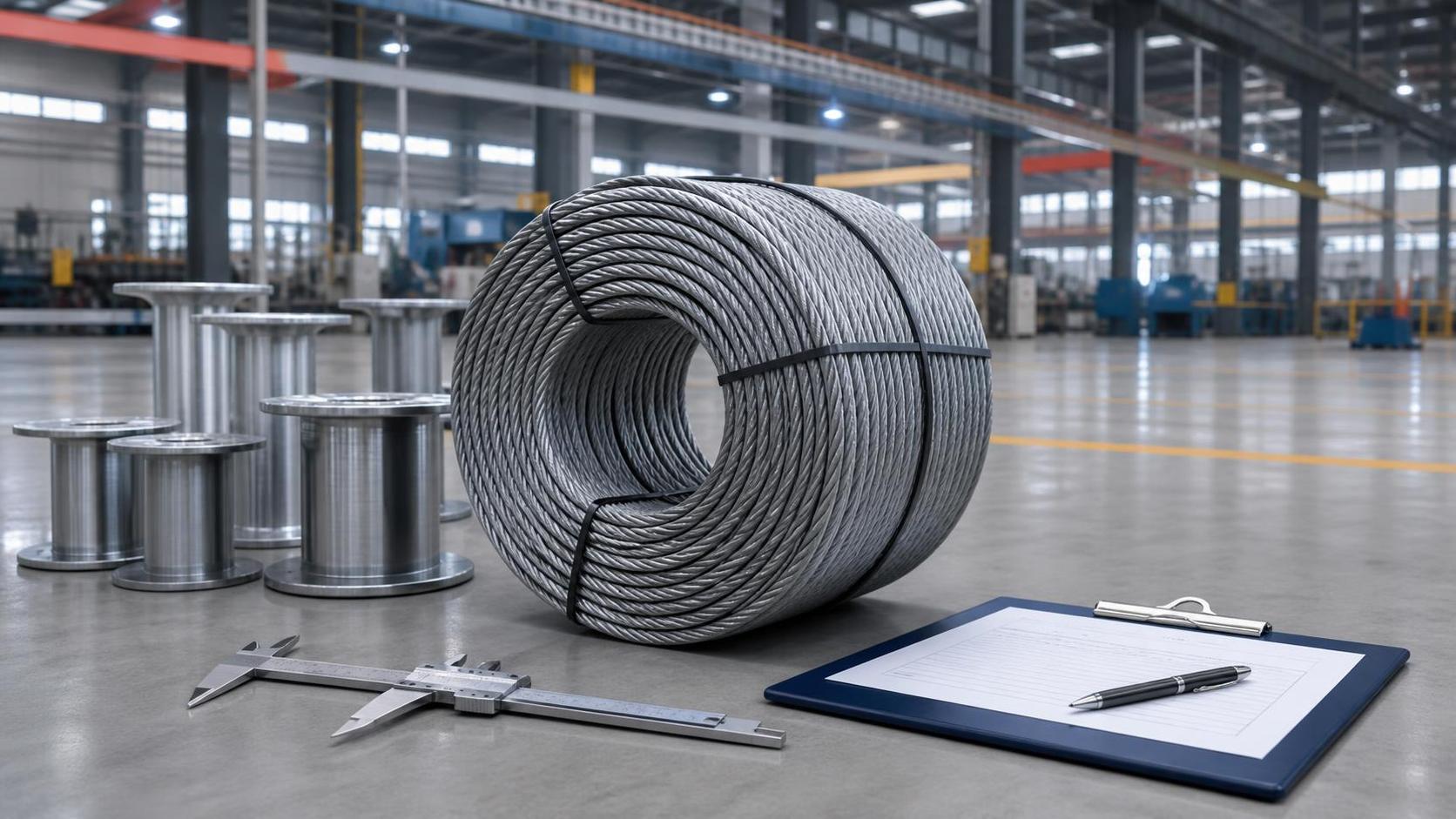
 Steel Wire Rope Manufacturer Standards That Matter in Lifting ApplicationsSteel wire rope manufacturer standards for lifting: learn how to assess traceability, testing, compliance, and real quality control before choosing a safer, more reliable supplier.
Please give us a message


Please enter what you want to find