In 2026, H-beam steel price will be shaped by raw material costs, energy rates, global demand, freight volatility, and changing project requirements in structural steel erection. For buyers, engineers, and project managers, understanding these factors is essential for smarter sourcing decisions. This guide explains the key price drivers, compares market influences, and shows how a reliable structural steel manufacturer and structural steel supplier can help control cost, quality, and delivery risk.
What will drive H-beam steel price in 2026?
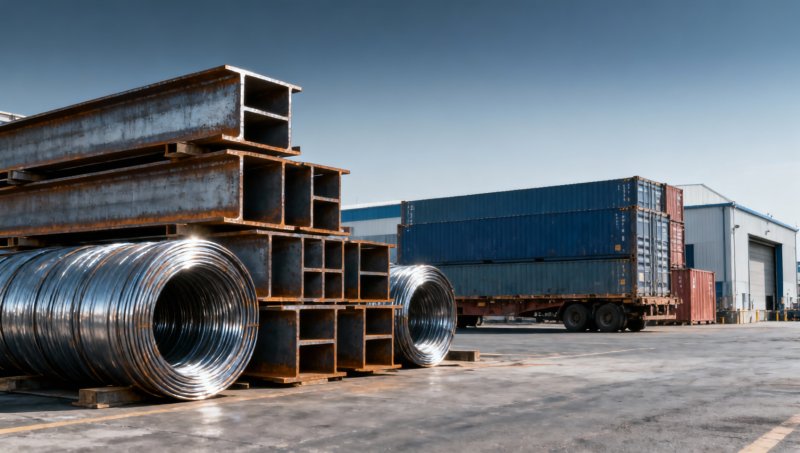
H-beam steel price in 2026 will not depend on one single market signal. It will be influenced by a chain of cost inputs that begins with iron ore, scrap, coking coal, and alloy materials, then moves through melting, rolling, inspection, storage, and international delivery. For procurement teams, this means a quoted price per ton is only the final result of several upstream variables that can change within 7–30 days.
Energy is another major factor. Structural steel production is energy intensive, and electricity and fuel costs directly affect rolling mill operating expense. When power prices rise across 1 quarter or 2 consecutive billing cycles, the impact often appears quickly in export quotations. Buyers working on infrastructure, factories, warehouses, and industrial plants should therefore evaluate both material trends and utility-related production pressure.
Demand patterns also matter. If regional construction activity accelerates in North America, the Middle East, or Southeast Asia, mills may prioritize certain sections and sizes. Heavy H-beam specifications, customized lengths, or non-standard drilling and cutting services can carry different pricing logic than common stock sizes. This is especially relevant for project managers balancing design needs, installation speed, and budget limits.
For many global buyers, freight remains one of the least predictable elements. Ocean shipping, port congestion, inland trucking, and container or break bulk availability can change the landed cost more than expected. A low mill price is not always a low total procurement cost. That is why experienced importers compare ex-works, FOB, CFR, and CIF structures before making a 2–4 month purchasing plan.
Key cost inputs buyers should monitor
When evaluating H-beam steel price, it helps to separate direct mill costs from project-side costs. This reduces confusion and makes supplier comparisons more practical during technical review, commercial review, and final negotiation.
- Raw material inputs: iron ore, scrap, coal, and alloy additions affect base steelmaking cost and usually move first.
- Production cost: electricity, gas, labor, maintenance, rolling yield, and quality inspection influence mill quotation structure.
- Specification factors: section size, length tolerance, quantity per order, coating or fabrication requirements can raise processing cost.
- Logistics cost: export packing, port charges, ocean freight, customs handling, and inland delivery determine landed cost.
- Commercial terms: payment method, lead time, trial order volume, and repeat cooperation may affect final negotiation space.
How do market variables change the final procurement budget?
For technical evaluators and sourcing teams, the biggest mistake is to focus only on the visible ton price. In practice, H-beam steel price is only one part of the total budget. Waste rate, fabrication compatibility, welding performance, tolerance control, and delivery stability can influence real project cost over 3 stages: purchase, installation, and follow-up maintenance.
A lower-priced beam may lead to higher project expenditure if dimensional consistency is poor or if the steel fails to match the required standard such as ASTM, EN, JIS, or GB. Rework, delayed erection, or additional inspection can easily erase the initial savings. This is why quality control managers often review mill certificates, section tolerances, and surface condition before approving volume orders.
In 2026, project-specific demand may further separate price levels. Beams used in standard warehouse frames are usually easier to source than customized sections for equipment platforms, transfer stations, or high-load industrial buildings. Orders with 1–2 standard grades and regular lengths typically move faster than mixed-specification orders requiring cutting, punching, or bundled mark identification.
Commercial teams should also consider currency movement and purchasing timing. Even if steel fundamentals remain stable for several weeks, exchange rate fluctuations can change import cost significantly. Buyers who plan procurement in monthly or quarterly windows usually gain better budget control than those purchasing only when the construction deadline becomes urgent.
Comparison of major price influences
The table below helps explain which variables most often affect H-beam steel price, how quickly they can change, and what buyers should monitor during supplier evaluation.
This comparison shows why buyers should request a cost breakdown instead of relying on a single line-item price. A supplier who explains validity, lead time, standard compliance, and shipping assumptions usually gives a safer basis for decision-making than a supplier quoting only a low ton rate.
A practical budgeting method for 2026
A useful approach is to divide budget review into 4 checks: base material cost, processing cost, logistics cost, and risk cost. Risk cost includes possible delays, failed inspections, missing documents, and replacement time. This approach is especially helpful for enterprise decision-makers and project owners who need clearer visibility beyond the purchase order amount.
For example, if two H-beam suppliers offer similar prices, the better option may be the one with shorter production scheduling, clearer test documentation, and more stable export handling. In many B2B steel projects, consistent delivery within an agreed 15–30 day production cycle has more value than a small unit price difference.
What should buyers compare when selecting an H-beam steel supplier?
Selecting the right structural steel supplier is not only about price; it is about supply reliability. For H-beam purchases in 2026, buyers should compare at least 5 dimensions: standard compliance, dimensional consistency, processing capability, export experience, and communication efficiency. This matters to distributors, contractors, EPC teams, and factory builders alike.
A supplier with experience in ASTM, EN, JIS, and GB-aligned production can usually support more international projects with fewer technical misunderstandings. This is important when projects require matching different drawing systems or translating design expectations into practical manufacturing details. Even basic issues such as hole location, length tolerance, and marking can influence installation speed on site.
Order flexibility is another factor. Some projects need standard beams only, while others need mixed items such as angle steel, channel steel, cold formed steel profiles, and customized structural components in one shipment. Working with a manufacturer able to consolidate multiple product lines may reduce purchasing complexity, shorten communication cycles, and improve packing coordination across 2–3 shipment batches.
Hongteng Fengda serves global construction, industrial, and manufacturing projects from China with structural steel products and customized solutions. For buyers who want to reduce sourcing risk, one advantage is the ability to coordinate standard specifications and OEM requirements under controlled production and quality inspection procedures, while aligning with common international standards and dependable lead-time planning.
Supplier evaluation checklist for procurement and technical teams
Before placing a volume order, cross-functional teams can use the following checklist to compare suppliers in a structured way rather than debating only around price.
- Confirm applicable standards and steel grade requirements on drawings, contracts, and test documentation.
- Check whether the supplier supports section cutting, punching, welding preparation, marking, or OEM fabrication.
- Review production capacity, order queue, and realistic lead time, especially for urgent deliveries within 2–5 weeks.
- Verify packaging method, loading plan, and export document support for the destination market.
- Ask how nonconformities, replacement claims, and after-sales coordination are handled after shipment.
Mid-project material planning and complementary products
In many commercial and industrial buildings, buyers do not source H-beams in isolation. They often coordinate the main steel frame with roofing, wall cladding, or weather-resistant sheet materials to control overall construction pace. In such cases, integrated procurement planning can improve delivery scheduling and reduce site waiting time between steel erection and envelope installation.
For roofing and cladding applications in agricultural buildings, residential units, factories, warehouses, schools, hospitals, or terminal structures, some buyers also review Color Coated Galvalume Steel Sheet PPGL as part of a broader material package. Typical thickness ranges from 0.2mm to 1.2mm, width from 600mm to 1250mm, with PE, SMP, HDP, or PVDF coating options depending on corrosion resistance and appearance requirements.
This kind of insertive planning does not replace beam selection, but it helps project managers coordinate structure and enclosure decisions in one timeline. When both load-bearing steel and external sheet products are considered early, budget control becomes more accurate and sequencing between fabrication, shipment, and installation becomes easier to manage.
How can buyers control H-beam steel cost without sacrificing quality?
The best way to control H-beam steel price is not to chase the cheapest quote. It is to improve specification clarity and purchasing discipline. Buyers who finalize grade, section size, quantity, tolerances, processing scope, and delivery terms early usually receive more stable offers than buyers requesting repeated revisions across several weeks.
Batch planning is often effective. Combining demand into medium or large-lot procurement can help reduce handling and setup costs compared with fragmented orders. At the same time, overbuying can create inventory pressure. A balanced plan may divide purchasing into 2 phases: confirmed immediate demand and scheduled follow-up demand, especially for projects with rolling installation windows.
Another cost-control method is standardization. If the design allows use of common beam sizes and practical cut lengths, mills can optimize rolling and packing more easily. This lowers fabrication complexity and reduces scrap loss. Technical teams and procurement teams should communicate early so that design efficiency and supply chain efficiency support each other rather than conflict.
Quality documentation also protects cost. Requesting mill test certificates, inspection records, and order-specific packing details may seem administrative, but these documents reduce the risk of disputes, customs delays, and site rejection. For international structural steel procurement, documentation quality is often as important as steel quality.
Cost-control actions by procurement stage
The table below outlines practical actions that buyers can take before, during, and after quotation review to manage H-beam steel cost while protecting project execution quality.
These actions are simple, but they often create the largest savings. In structural steel procurement, disciplined process control usually delivers better results than aggressive price bargaining alone.
Common cost mistakes to avoid
Three mistakes appear frequently in H-beam buying. First, ignoring tolerance and standard differences when comparing quotes. Second, treating freight as a secondary issue until late in the process. Third, approving a supplier without checking documentation responsiveness. Each of these can create cost overruns that are larger than the original price difference.
A good sourcing strategy combines technical clarity, supplier capability review, and realistic shipping planning. This is especially important for distributors, resellers, and contractors who must protect both margin and delivery reputation in front of their own customers.
FAQ: what do buyers ask most about H-beam steel price in 2026?
The questions below reflect typical concerns from procurement teams, engineers, quality managers, and business decision-makers. They also help clarify how to evaluate H-beam steel price beyond the headline number.
How often can H-beam steel price change?
Depending on raw material and freight movement, quotations may change within 1–4 weeks, and sometimes faster during volatile periods. For this reason, buyers should always ask for quotation validity, especially when project approval may take 7–15 days. If internal review is slow, request an update before issuing the purchase order.
What is more important: lower price or shorter lead time?
That depends on project stage. In early planning, price competitiveness may carry more weight. In active construction, lead time often becomes critical because site delay can cost more than a moderate material premium. A practical method is to compare 3 items together: ton price, confirmed production cycle, and shipping schedule.
How can we verify whether a quote is truly comparable?
Use a same-basis checklist. Confirm grade, standard, beam size, theoretical weight basis, cut length, processing scope, packing, trade term, and document requirement. If even 1 or 2 of these items differ, the quotations are not directly comparable. This is one of the most common reasons buyers misread H-beam steel price offers.
Are customized structural steel components always more expensive?
Not always, but customization usually adds engineering review, fabrication time, and inspection steps. Costs depend on complexity, quantity, and tolerance. Simple cutting or hole processing may add limited cost, while mixed assemblies or strict fit-up requirements can change pricing more noticeably. The key is to define the scope early and avoid late design changes.
Why work with a China structural steel manufacturer for 2026 sourcing plans?
For many international buyers, China remains an important sourcing base because of manufacturing depth, processing flexibility, and export experience across multiple steel product categories. However, supplier selection still matters. The right partner should not only offer structural steel, but also support specification review, quality consistency, and realistic shipping coordination for different destination markets.
Hongteng Fengda focuses on angle steel, channel steel, steel beams, cold formed steel profiles, and customized structural steel components for global construction, industrial, and manufacturing projects. With modern manufacturing facilities and strict quality control, the company supports buyers who need standard products, OEM solutions, and more stable execution across production and export stages.
For procurement teams planning 2026 H-beam orders, early communication can reduce cost uncertainty. Sharing section lists, technical standards, destination port, target timeline, and processing needs allows faster evaluation of production feasibility and shipment planning. This is particularly useful when projects require mixed steel items, phased delivery, or documentation aligned with ASTM, EN, JIS, or GB expectations.
If you are comparing H-beam steel price for an upcoming project, you can contact Hongteng Fengda to discuss 6 practical topics: parameter confirmation, product selection, delivery cycle, customized processing, certification and standard requirements, and sample or quotation support. That makes the conversation more efficient and helps your team move from market research to a workable sourcing decision.
Please give us a message


Please enter what you want to find