Finding reliable steel rebar suppliers in the Middle East is critical for industrial and infrastructure projects requiring high-strength steel bars. This guide highlights the top 5 steel rebar suppliers in the region, helping procurement managers, project engineers, and construction professionals source quality materials efficiently. Whether you need carbon steel pipes for oil & gas or custom steel profiles for bridge construction, these vetted suppliers meet international standards like ASTM and EN. Discover key players offering competitive steel sheet price lists and dependable lead times to streamline your industrial project planning.
Key Selection Criteria for Steel Rebar Suppliers in the Middle East
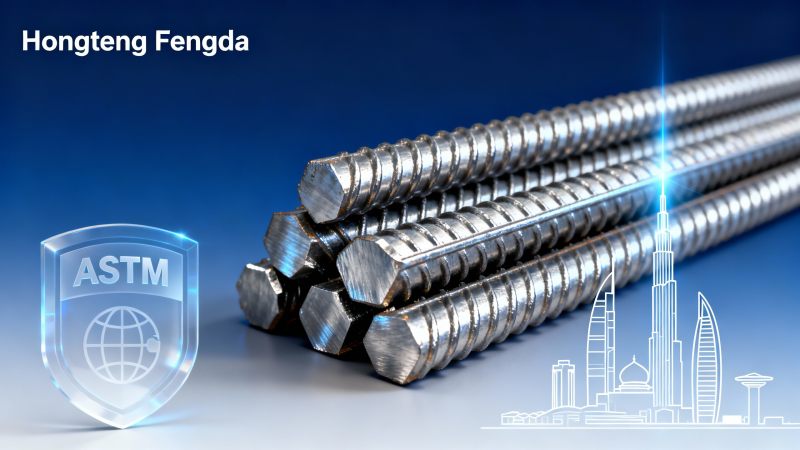
When evaluating steel rebar suppliers for industrial projects in the Middle East, procurement teams must consider multiple technical and commercial factors. First, verify the supplier's compliance with international standards such as ASTM A615 for deformed steel bars or BS 4449 for weldable reinforcement steel. The region's extreme climate conditions demand rebars with proven corrosion resistance, especially for coastal infrastructure or oil & gas facilities. Second, assess production capabilities - leading suppliers should demonstrate capacity for both standard sizes (8mm-40mm diameter) and customized lengths (6m-18m). Third, examine logistics networks - suppliers with Jebel Ali or Dammam port proximity can offer faster delivery to GCC construction sites. Fourth, request mill test certificates (MTCs) to validate chemical composition (carbon content ≤0.30%) and mechanical properties (yield strength ≥500MPa). Finally, compare value-added services like just-in-time inventory management or BIM-compatible product data, which significantly benefit large-scale projects like NEOM or Dubai Expo infrastructure.
Top 5 Steel Rebar Manufacturers Serving Middle Eastern Markets
The Middle East's construction boom has attracted global steel producers, but these five suppliers stand out for their regional expertise:
- Emirates Steel (UAE) - The largest integrated steel producer in UAE, supplying 60% of the GCC's rebar needs. Their Tempcore-quenched rebars meet BS 4449:2005 Grade B500B specifications, ideal for high-rise buildings and bridge construction.
- Saudi Iron & Steel Company (HADEED) - Produces 6 million tons annually of corrosion-resistant epoxy-coated rebars, widely used in Red Sea coastal developments and oil refinery projects.
- Qatar Steel - Specializes in seismic-resistant rebars with enhanced ductility (elongation ≥14%), critical for earthquake-prone areas in Iran and Turkey.
- Ezz Steel (Egypt) - Africa's largest steel producer offering cost-competitive ribbed rebars with 1,000+ MPa tensile strength for mega-projects like the New Administrative Capital.
- Al Ghurair Iron & Steel (UAE) - Provides bespoke cut-and-bend rebar services with 48-hour turnaround, serving precast concrete manufacturers across the region.
Technical Specifications Comparison
Specialized Steel Solutions for Infrastructure Projects
Beyond standard rebars, Middle Eastern projects often require specialized steel components. For railway infrastructure, Rail products meeting UIC 860V standards are essential for high-speed rail networks like Saudi Arabia's Haramain Railway. These rails typically feature medium manganese steel composition (0.70-1.20% Mn) for enhanced wear resistance under desert conditions. Bridge construction demands steel piles with Z35 certified through-thickness properties to prevent lamellar tearing in critical joints. Oil & gas projects utilize API 5L X70 grade carbon steel pipes with 3LPE coating for corrosion protection in sour service environments. Warehouse developers increasingly opt for cold-formed steel channels (C150×50×20×3mm) that offer 30% weight reduction compared to hot-rolled sections while maintaining equivalent load-bearing capacity.
Emerging Trends in Middle Eastern Steel Procurement
The region's steel market is evolving with three notable shifts: First, the adoption of BIM-based material tracking systems allows real-time monitoring of rebar inventory across multiple construction sites. Second, sustainability initiatives drive demand for GRI-certified rebars with 75% recycled content, particularly in LEED-certified projects. Third, just-in-sequence delivery models are gaining traction, where suppliers coordinate rebar shipments with exact pouring schedules - reducing on-site storage costs by up to 40%. These innovations complement traditional priorities like competitive steel sheet price lists and mill-direct purchasing advantages.
Strategic Sourcing Considerations for Project Success
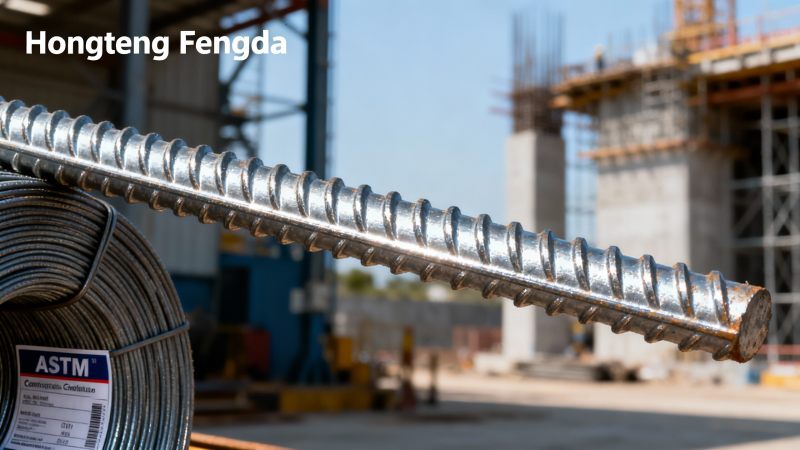
Procurement teams should implement these best practices when sourcing steel rebar in the Middle East:
- Dual-Sourcing Strategy - Partner with both local mills (for price stability) and international exporters (for technical specialties) to mitigate supply chain risks.
- Quality Audits - Conduct unannounced factory inspections to verify production processes, especially for critical applications like nuclear power plants or seismic zones.
- Total Cost Analysis - Evaluate landed costs including import duties (5% GCC common tariff), testing fees, and potential wastage rates (typically 3-7% for complex structures).
- Contract Flexibility - Negotiate price adjustment clauses linked to global scrap metal indices to hedge against raw material volatility.
Conclusion: Building Partnerships for Long-Term Success
Selecting the right steel rebar supplier in the Middle East requires balancing technical specifications, logistical capabilities, and commercial terms. The featured suppliers have demonstrated excellence in serving industrial projects with high-strength steel bars that meet both regional and international standards. For projects requiring specialized components like Rail for transportation infrastructure or custom steel profiles for unique architectural designs, partnering with technically proficient manufacturers ensures material performance and project timeline adherence. As the region continues its infrastructure expansion, establishing long-term relationships with reliable steel partners will remain a cornerstone of successful project execution.
For comprehensive steel solutions tailored to your Middle Eastern project requirements, contact our technical team today to discuss material specifications, compliance documentation, and optimized delivery schedules.
Related recommendations
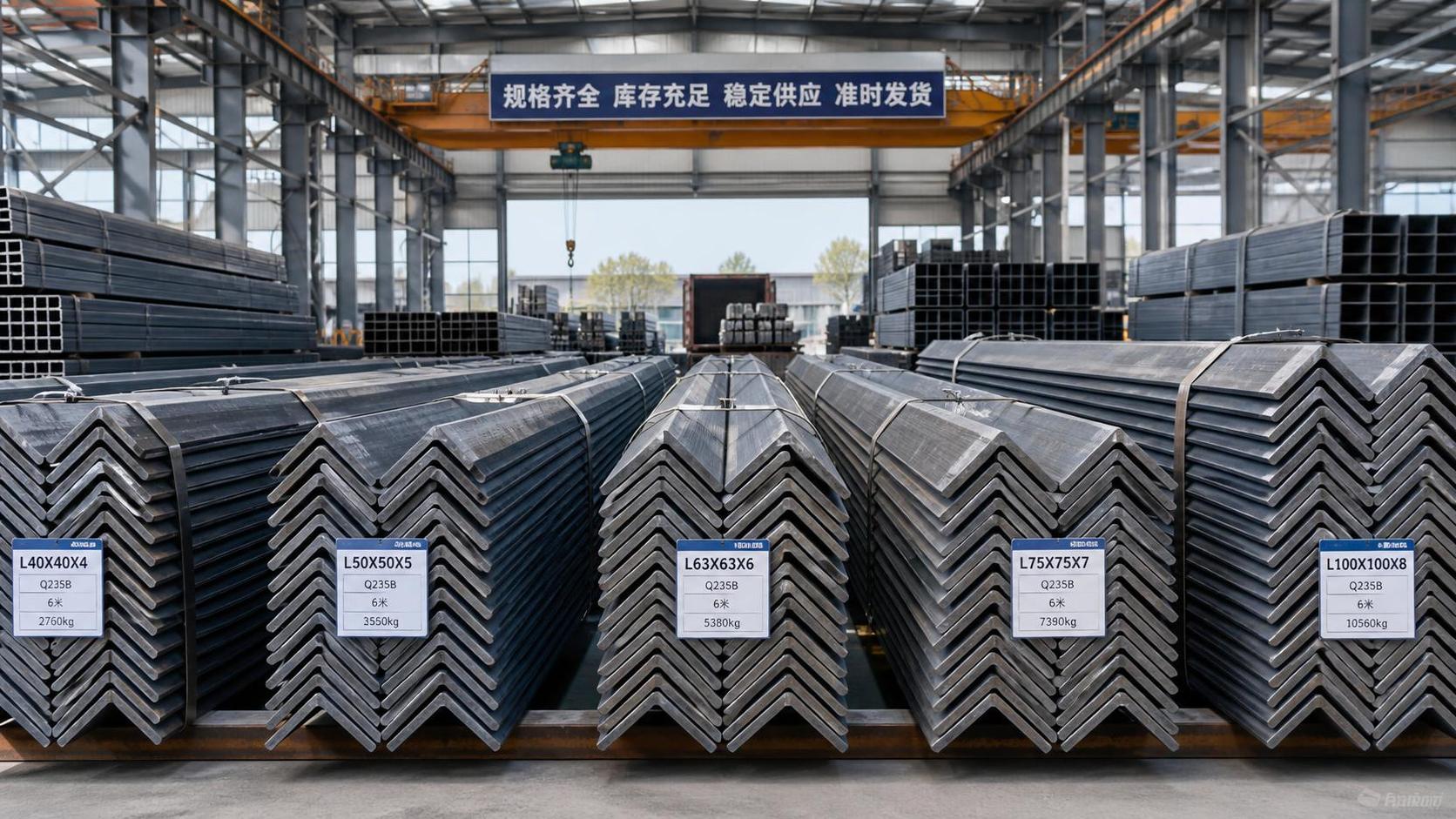
 What Drives Angle Steel Price Changes in Building Frame ProjectsAngle steel price changes can reshape building frame budgets. Learn the key drivers behind fluctuations and how to secure stable, cost-effective sourcing.
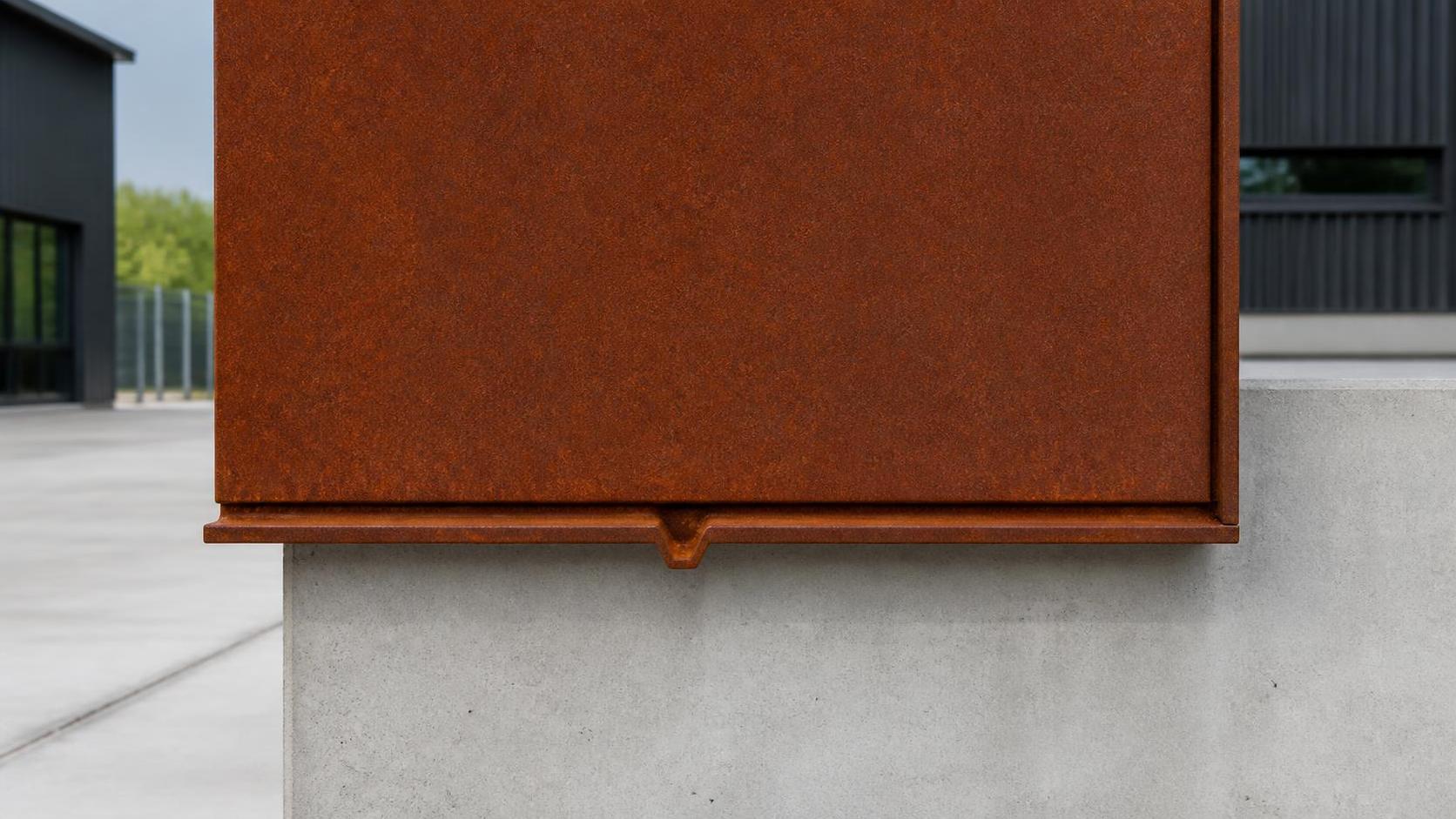
 Corten Steel Plate: Weathering Limits, Drainage, and Staining RisksCorten steel plate guide: learn weathering limits, drainage design, and staining risks to avoid corrosion issues, protect nearby surfaces, and choose the right steel solution.
 What Drives Steel Rod Price Changes in Building Projects?Steel Rod price changes can reshape construction budgets fast. Learn what drives costs—from steel, zinc, specs, compliance, and lead times—to make smarter, lower-risk buying decisions.
 Galvanized Pipe Specifications: Which Standards Matter for Water and Gas Lines?Galvanized pipe specifications determine whether water and gas lines pass code, pressure, and coating checks. Learn which standards matter most to avoid costly approval and installation risks.
Please give us a message


Please enter what you want to find