When sourcing carbon steel pipe for oil and gas applications, understanding key specifications and international standards is critical for project success. As a leading structural steel manufacturer and exporter, Hongteng Fengda provides high-quality carbon steel pipes that meet ASTM, EN, and other major standards for demanding oil and gas operations. Our expertise in steel products for industrial projects ensures reliable performance in pipeline systems, offering solutions for procurement teams, project managers, and safety-conscious operators worldwide.
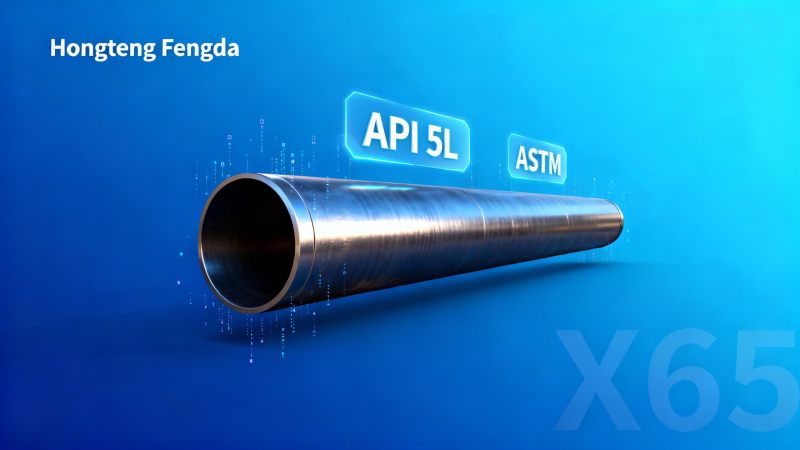
Critical Specifications for Oil & Gas Carbon Steel Pipes
Selecting the right carbon steel pipe for oil and gas infrastructure requires meticulous attention to material properties and operational parameters. Key specifications include:
- Grade Selection: API 5L Grades B through X80, with X42-X65 being most common for transmission pipelines
- Wall Thickness: Ranging from SCH 40 to SCH 160 for varying pressure requirements
- Diameter Range: 1/2" to 48" NPS (Nominal Pipe Size) for different flow capacities
- Impact Testing: Charpy V-notch requirements for low-temperature service (typically -20°C to -46°C)
- Corrosion Resistance: Additional treatments like internal epoxy coating or external 3LPE for harsh environments
For structural components in processing facilities, our Wire Rod products with carbon content of 0.06-0.22% provide excellent formability for custom fabrication needs.
International Standards Compliance
Global oil and gas projects demand adherence to rigorous quality benchmarks. Our carbon steel pipes meet:
Complementing these standards, our structural steel components like Wire Rod comply with ASTM A615, BS4449, and AS/NZS 4671 for auxiliary structures in oilfield facilities.
Material Selection for Different Service Conditions
Oil and gas environments present unique challenges requiring specialized material solutions:
Sour Service Applications
For pipelines handling H2S-containing fluids, we provide:
- NACE MR0175/ISO 15156 compliant materials
- Controlled hardness below 22 HRC
- Enhanced cleanliness with sulfur content ≤0.002%
Arctic Conditions
Low-temperature pipelines require:
- Impact-tested materials with specified toughness at -40°C or lower
- Fine-grained steel processing
- Special welding procedures
High-Pressure Systems
For deepwater or high-PT applications:
- High-strength microalloyed grades (X70-X80)
- Heavy wall thickness options
- Strict dimensional tolerances
Quality Assurance Protocols
Our manufacturing process incorporates multiple quality checkpoints:
- Raw Material Inspection: Spectrometer analysis for chemical composition
- Process Control: Real-time monitoring during forming and welding
- Mechanical Testing: Tensile, hardness, and impact tests on each heat
- Non-Destructive Testing: 100% ultrasonic, radiographic, or magnetic particle inspection
- Hydrostatic Testing: Minimum 1.5 times design pressure for 10+ seconds
This rigorous approach ensures our carbon steel pipes meet the exacting demands of oil and gas operations while maintaining the excellent weldability characteristic of our carbon steel products.
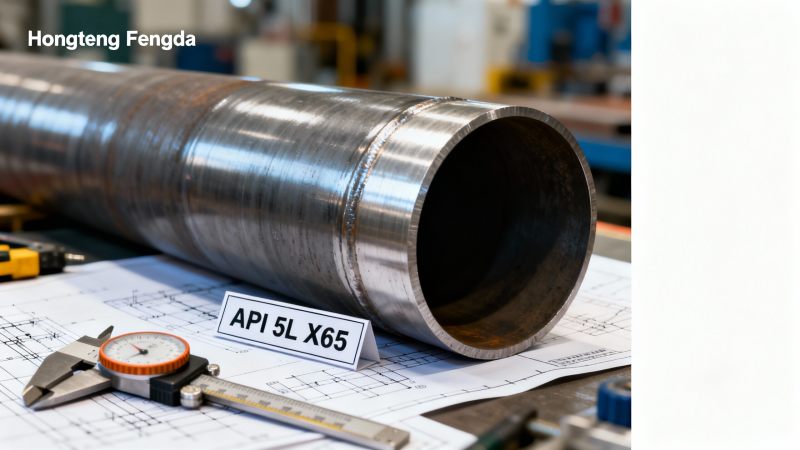
Global Supply Chain Advantages
As an experienced steel exporter, we provide distinct benefits for international oil and gas projects:
- Dual Certification: Ability to provide pipes with both API and EN certification
- Mill Test Reports: Complete traceability documentation per EN 10204 3.1/3.2
- Logistics Expertise: Specialized packaging for sea transport and desert conditions
- Inventory Management: Strategic stock of common sizes for urgent requirements
- Technical Support: Engineering assistance for material selection and welding procedures
Our capabilities extend to supporting structural needs with products like high-strength steel bars for platform construction and custom steel profiles for modular facilities.
Conclusion and Next Steps
Selecting appropriate carbon steel pipe for oil and gas applications requires balancing material properties, standards compliance, and project-specific requirements. With extensive experience supplying critical infrastructure projects worldwide, Hongteng Fengda delivers technically sound solutions that address:
- Material performance in extreme conditions
- Regulatory compliance across jurisdictions
- Total cost of ownership considerations
- Supply chain reliability
For procurement teams evaluating steel rebar suppliers in the Middle East or project managers specifying carbon steel beams for construction of oilfield facilities, our technical team stands ready to assist with material selection and supply chain optimization. Contact us today to discuss your project requirements and receive customized solutions backed by our quality commitment.
Related recommendations
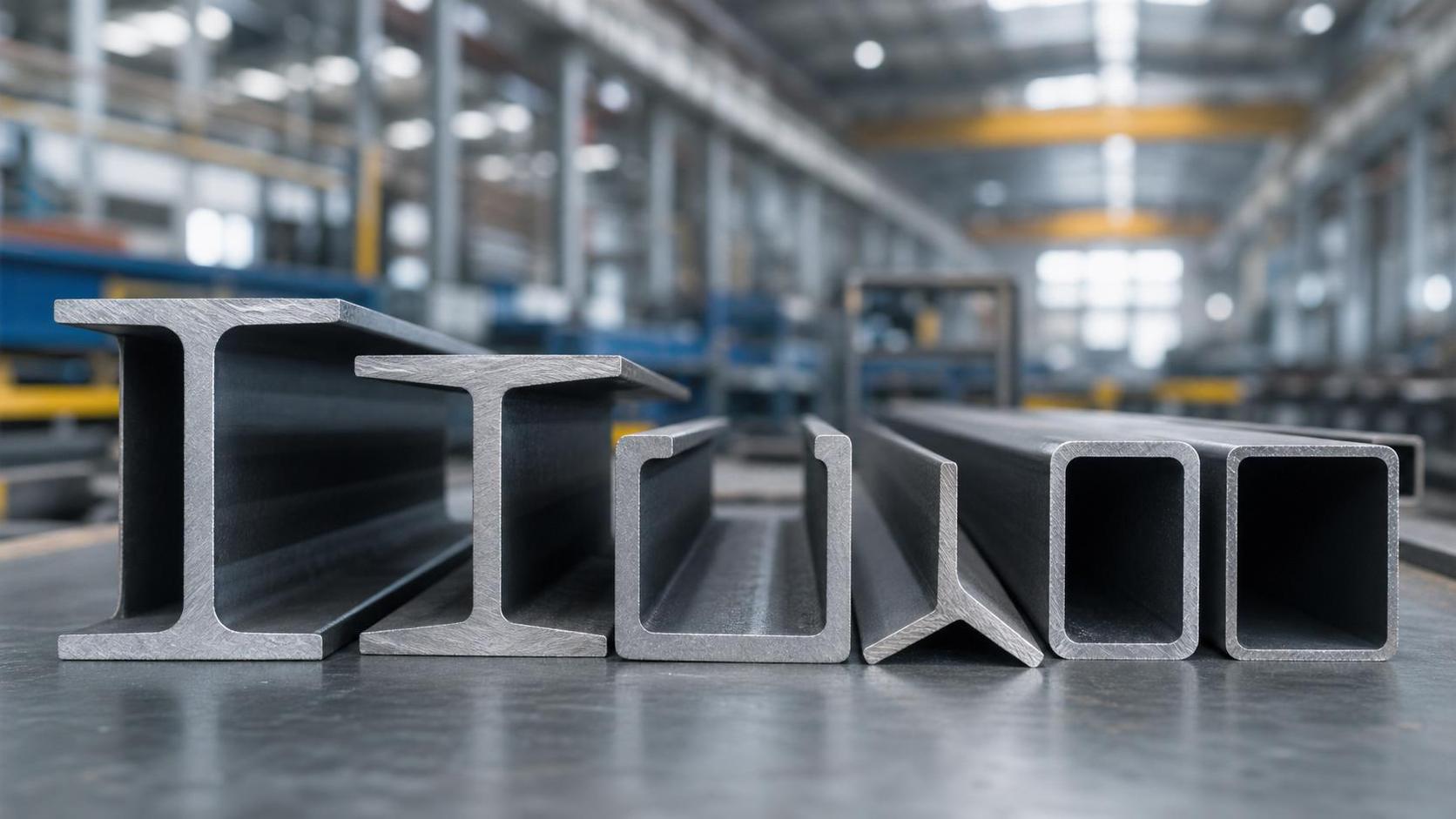
 What Is a Steel Profile? Common Shapes, Uses, and Selection BasicsProfile selection starts with shape, but performance depends on load, fabrication, and standards. Learn common steel profile types, uses, and smart selection basics.
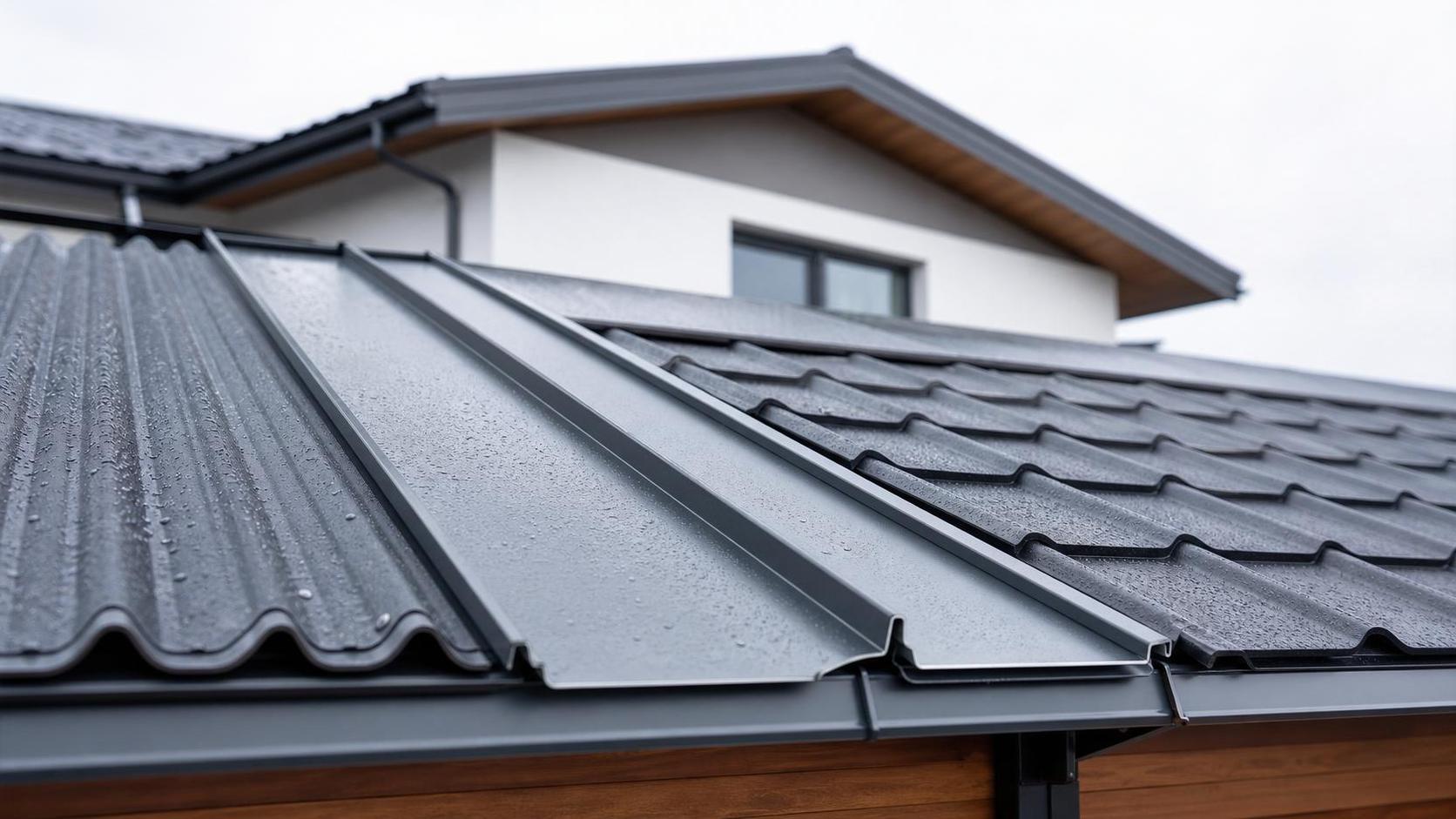
 Steel Roofing Types Explained: Corrugated, Standing Seam, and Metal ShinglesSteel Roofing guide comparing corrugated panels, standing seam, and metal shingles. Discover costs, durability, weather performance, and how to choose the best roof for your home.
 How Hot-Dip Galvanized Coating Thickness Affects Service LifeHot-dip galvanized coating thickness directly affects steel service life. Learn how the right zinc layer improves corrosion protection, controls cost, and supports smarter project decisions.
 Pipe Stainless Grades Explained: 304 vs 316 for Corrosion ResistancePipe stainless grades explained: compare 304 vs 316 for corrosion resistance, cost, and service life. Learn which stainless pipe grade fits marine, chemical, and water system applications.
Please give us a message


Please enter what you want to find