Selecting the right carbon sheet steel is critical for appliance manufacturers aiming to meet ISO 3574 compliance—yet conformity isn’t guaranteed by specification alone. Real-world performance hinges on five interdependent factors: raw material traceability, cold-rolling precision, surface finish consistency, batch-to-batch mechanical property stability, and third-party certification alignment. At Hongteng Fengda, a China-based structural steel manufacturer and exporter, we engineer carbon sheet steel not just to *meet* ISO 3574, but to deliver predictable formability, weldability, and corrosion resistance across high-volume appliance production lines—helping procurement teams, quality managers, and engineering leads de-risk sourcing without compromising on global standards.
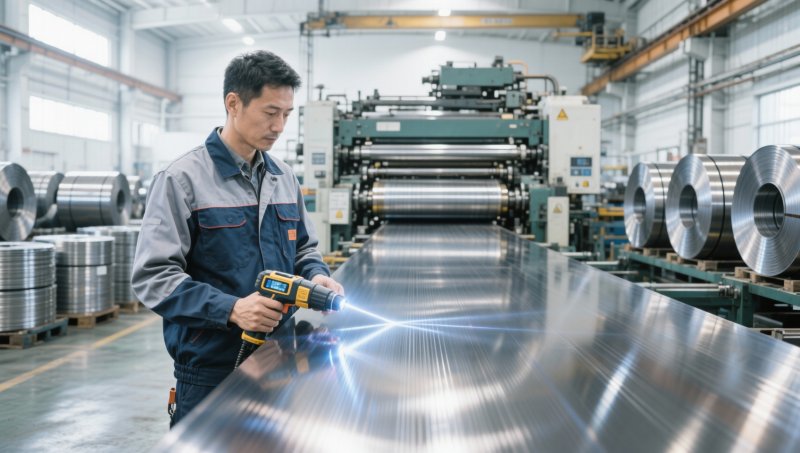
Why Raw Material Traceability Matters More Than You Think
ISO 3574 specifies chemical composition limits (e.g., C ≤ 0.12%, Mn 0.25–0.75%, P ≤ 0.035%, S ≤ 0.035%) and mechanical properties—but those values only hold if every heat of steel is fully traceable from melt furnace to final coil. At Hongteng Fengda, each batch carries a mill test report (MTR) with full ladle analysis, thermal history, and rolling schedule—enabling appliance OEMs to satisfy internal audit requirements and downstream customer documentation demands within 48 hours.
Without traceability, even minor deviations in residual elements like Cu or Sn can trigger delayed cracking during deep drawing or impair paint adhesion. We maintain traceability across 12+ upstream billet suppliers and enforce strict incoming inspection: 100% spectrographic verification per heat, with data logged in our ERP system for ≥5 years.
This level of control directly supports appliance shell production where dimensional repeatability and surface defect rates must stay below 0.15% across 200,000+ annual units. It also enables rapid root-cause analysis when nonconformities arise—cutting corrective action time from days to under 4 hours.
Cold-Rolling Precision: Where Tolerance Stack-Up Begins
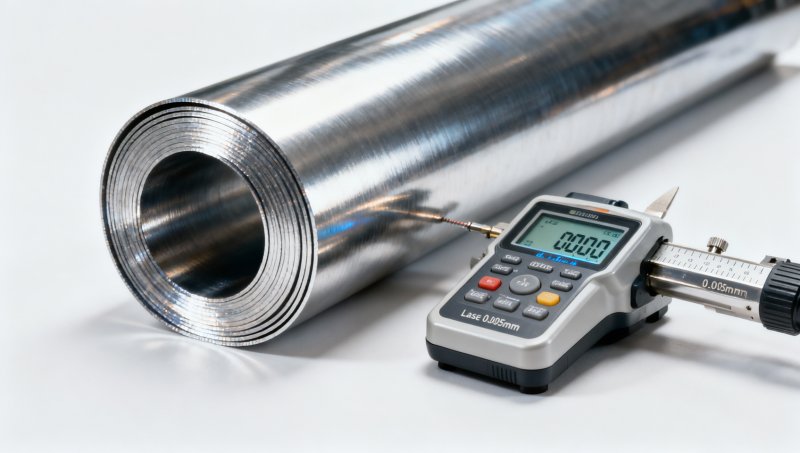
Thickness tolerance is the most frequently violated clause in ISO 3574 audits—not because mills lack capability, but because inconsistent tension control, roll wear, and temperature drift cause ±0.15mm variation across a single coil’s length. Hongteng Fengda uses dual-frequency laser gauges (±0.005mm accuracy) at 3 positions per meter, feeding real-time corrections to our 20-high ZR mill’s hydraulic AGC system.
Our standard thickness range for appliance-grade carbon sheet steel is 0.3–2.0mm, with tighter tolerances available: ±0.08mm for 0.5–1.2mm gauges used in refrigerator door panels and washing machine drums. This reduces scrap rates by up to 22% compared to industry-average ±0.15mm coils—translating to ~$18,000 annual savings per production line running 3 shifts.
These tolerances are validated via 100% inline measurement and certified in every delivery note—giving procurement and quality teams immediate confidence in first-piece approval and PPAP submissions.
Surface Finish Consistency: The Hidden Cost of Inconsistent Roughness
ISO 3574 doesn’t define surface roughness—but appliance OEMs require Ra 0.6–1.2μm for optimal paint coverage and embossing fidelity. Variations beyond ±0.15μm cause visible mottle, poor ink adhesion on control panels, or inconsistent powder coating thickness. Our 4-stand temper mill integrates automated roughness mapping, adjusting roll texture and lubrication flow in real time to maintain Ra deviation within ±0.07μm across 100% of coil length.
We also offer optional surface treatments—including chromate-free passivation for enhanced pre-paint corrosion resistance—and support OEMs with lab-scale adhesion testing (ASTM D3359) prior to bulk orders. This eliminates costly rework after painting: one European dishwasher manufacturer reduced touch-up labor by 65% after switching to our stabilized surface finish.
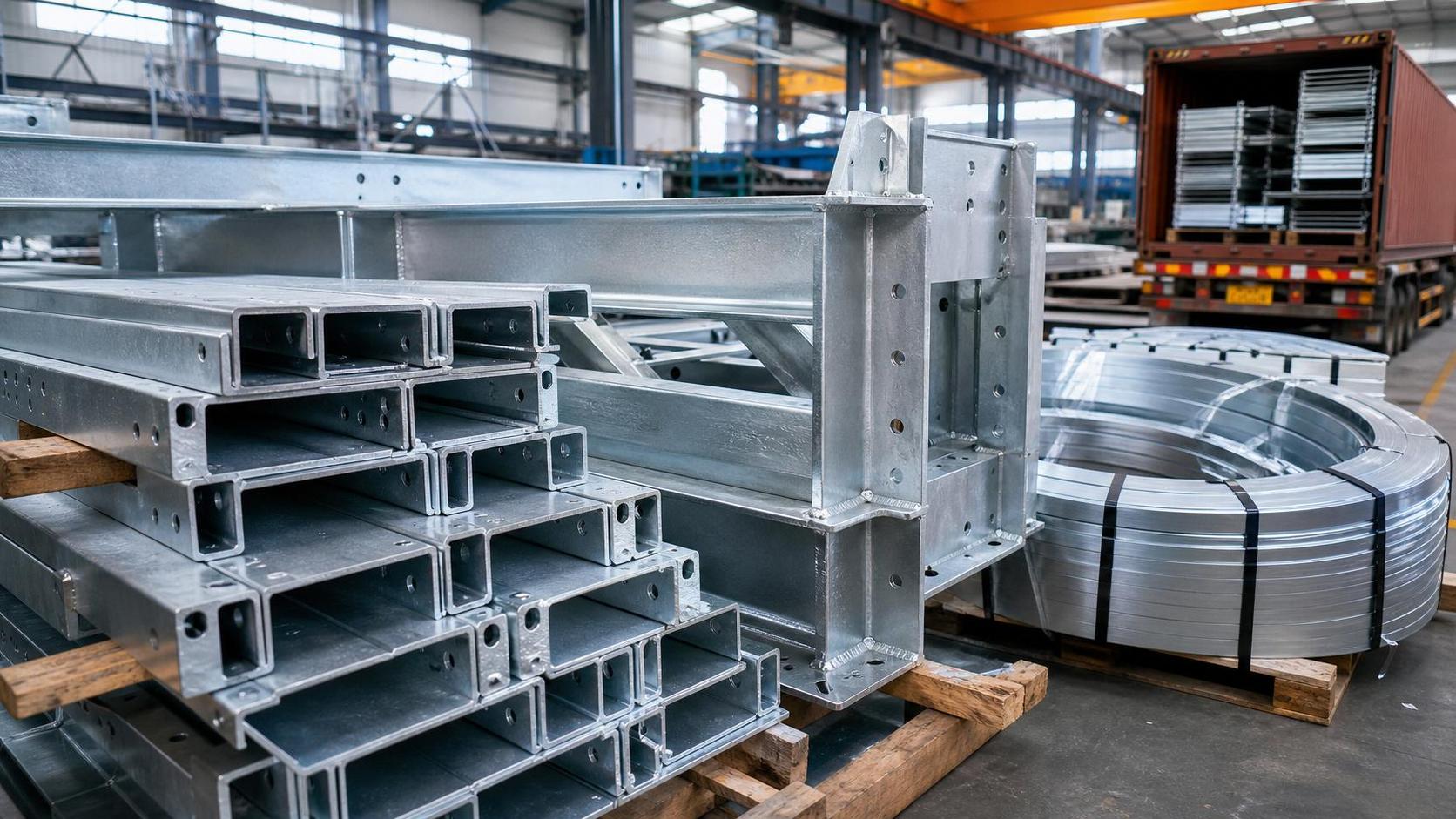
For applications demanding higher corrosion resistance, we recommend our Galvanized Steel Electrical Conduit—engineered with hot-dip galvanizing (Z275 coating) and compliant with ASTM A653/A924, offering 520MPa tensile strength and superior resistance to humidity-driven oxidation in kitchen and laundry environments.
How Batch-to-Batch Stability Impacts Your Production Line Uptime
Mechanical property drift—even within ISO 3574’s broad yield strength range (270–350MPa)—causes tooling adjustments, press speed reductions, and unplanned downtime. Hongteng Fengda maintains yield strength variance at ≤±12MPa across consecutive batches, verified through tensile testing of 3 samples per coil (per EN ISO 6892-1).
This stability allows appliance OEMs to lock in die settings for 6+ months and run uninterrupted 72-hour production cycles—reducing changeover frequency by 40% and improving OEE by 5.3 points. Our QC team issues batch-specific mechanical property certificates with full stress-strain curves, enabling predictive maintenance of stamping equipment based on actual material behavior.
- Yield strength control: ±12MPa (vs. typical ±25MPa industry range)
- Elongation consistency: ±1.8% (A80mm), critical for deep-drawn components
- Bend test pass rate: 100% at 180° around mandrel diameter = 2× thickness
Third-Party Certification Alignment: Beyond the Certificate
A certificate stating “complies with ISO 3574” means little if the certifier lacks appliance manufacturing expertise. Hongteng Fengda partners with TÜV Rheinland and SGS for annual surveillance audits—focused specifically on process controls affecting appliance applications: decarburization depth monitoring, edge camber validation, and hydrogen-induced cracking susceptibility testing (per ASTM F1624).
We also provide pre-audit readiness reviews—free of charge—for OEMs preparing for IATF 16949 or ISO 9001 recertification. These include gap analysis of your current steel supplier’s documentation, sample MTR review, and recommended clauses to verify during your next supplier audit.
Ready to validate carbon sheet steel performance against your exact appliance design, forming, and finishing requirements? Contact Hongteng Fengda for a free technical consultation—including material sampling, bend/formability testing, and ISO 3574 compliance gap assessment—all supported by our 15-day standard lead time and dedicated export logistics team serving North America, Europe, and Southeast Asia.
Related recommendations
 What Affects the Cost of Galvanized Steel in Fabrication Projects?Galvanized steel costs vary far beyond raw material price. Learn how coating, steel grade, fabrication, logistics, and hidden quote items affect project budgets before you buy.
 Steel Wire Strand Applications in Lifting and Support: Key Load and Safety ConsiderationsSteel wire strand selection for lifting and support starts with real load, fatigue, corrosion, and anchoring conditions. Learn how to improve safety, service life, and structural reliability.
 Architectural Steel Angle in Facades, Edges, and Clean LinesArchitectural steel angle improves facade edges, clean lines, and structural precision. Discover how it supports durability, faster installation, and smarter project control.
 Where Cold Formed Steel Angle Works Best in Modern BuildsCold formed steel angle works best in modular builds, secondary framing, and utility supports. Learn where it adds value, what to verify, and how to choose the right profile with confidence.
Please give us a message


Please enter what you want to find