In seismic zones, the bracing angle in steel structure design is critical for stability, safety, and code compliance—especially with the 2026 updates to international standards. Whether you're specifying ASTM stainless steel, 316 angle, galv angle, or l shape angles for lateral support, optimal spacing directly impacts structural integrity and project longevity. As a leading structural steel manufacturer & exporter from China, Hongteng Fengda supplies high-precision angle plate steel, l shaped metal bars, and custom l shaped metal sheet—including hot-dip galvanized (angle galvanized) and corrosion-resistant solutions—meeting ASTM, EN, JIS, and GB requirements. This guide helps engineers, procurement teams, and project managers calculate spacing accurately while selecting the right l shape steel for seismic resilience.
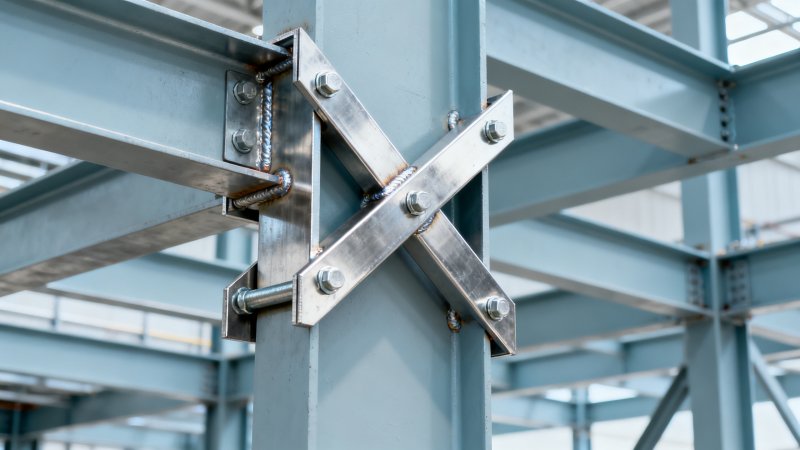
Definition & Structural Role of Bracing Angle in Steel Structure
A bracing angle in steel structure refers to an L-shaped structural member—commonly fabricated as l shape steel or l shaped metal bars—that provides lateral restraint against buckling, sway, and seismic-induced displacement. Unlike primary load-bearing beams, bracing angles serve as secondary stabilizers, transferring horizontal forces to foundations or shear walls. Their geometry—defined by leg lengths, thickness, and internal radius—directly influences stiffness, connection efficiency, and ductility under cyclic loading.
In modern seismic design, bracing angles are rarely used in isolation. They function as integral components within concentrically braced frames (CBFs), eccentrically braced frames (EBFs), or buckling-restrained braced frames (BRBFs). When paired with ASTM stainless steel or 316 angle, they enhance corrosion resistance in coastal or industrial environments—critical for long-term performance in infrastructure projects across Southeast Asia and the Middle East.
Crucially, the term “bracing angle” does not denote a unique product category but rather a functional application of standard angle plate steel. That means specifications like galv angle, angle galvanized, or l shaped metal sheet must be selected not only for dimensional accuracy but also for yield strength consistency, weldability, and fracture toughness per updated ISO 14713 and GB/T 1591–2023 requirements.
2026 Seismic Code Updates: Key Impacts on Spacing Calculations
The 2026 revision of ASCE 7-26, Eurocode 8 Annex A, and China’s GB 50011–2026 introduces stricter limits on inter-brace spacing, particularly for low-to-mid-rise structures in high-hazard seismic zones (e.g., Zone IV per U.S. NEHRP or Class C per EN 1998-1). Maximum allowable spacing is now tied to both brace slenderness ratio (KL/r) and the expected deformation capacity of the entire frame system—not just material grade.
For example, under ASCE 7-26 Section 12.2.5.4, the maximum center-to-center spacing between diagonal braces using l shape angles must not exceed 3.5 times the story height for ordinary concentrically braced frames—and drops to 2.2× for special systems. This change reduces reliance on empirical rules and mandates nonlinear dynamic analysis for structures over 6 stories or with irregular mass distribution.
Importantly, these spacing thresholds assume full composite action at connections. Any deviation—such as undersized gusset plates, insufficient bolt torque, or mismatched base metal chemistry—invalidates the calculation. That’s why Hongteng Fengda applies mill-certified tensile testing on every heat lot of ASTM stainless steel and 316 angle, ensuring consistent elongation (>30%) and Charpy V-notch impact values ≥47J at –20°C.
Technical Performance Comparison: Material Options for Seismic Bracing
Selecting the right bracing angle involves balancing mechanical performance, environmental exposure, and lifecycle cost. Below is a comparative summary of common materials supplied by Hongteng Fengda for seismic applications:
Procurement Guide: How Global Buyers Select Bracing Angles for Seismic Projects
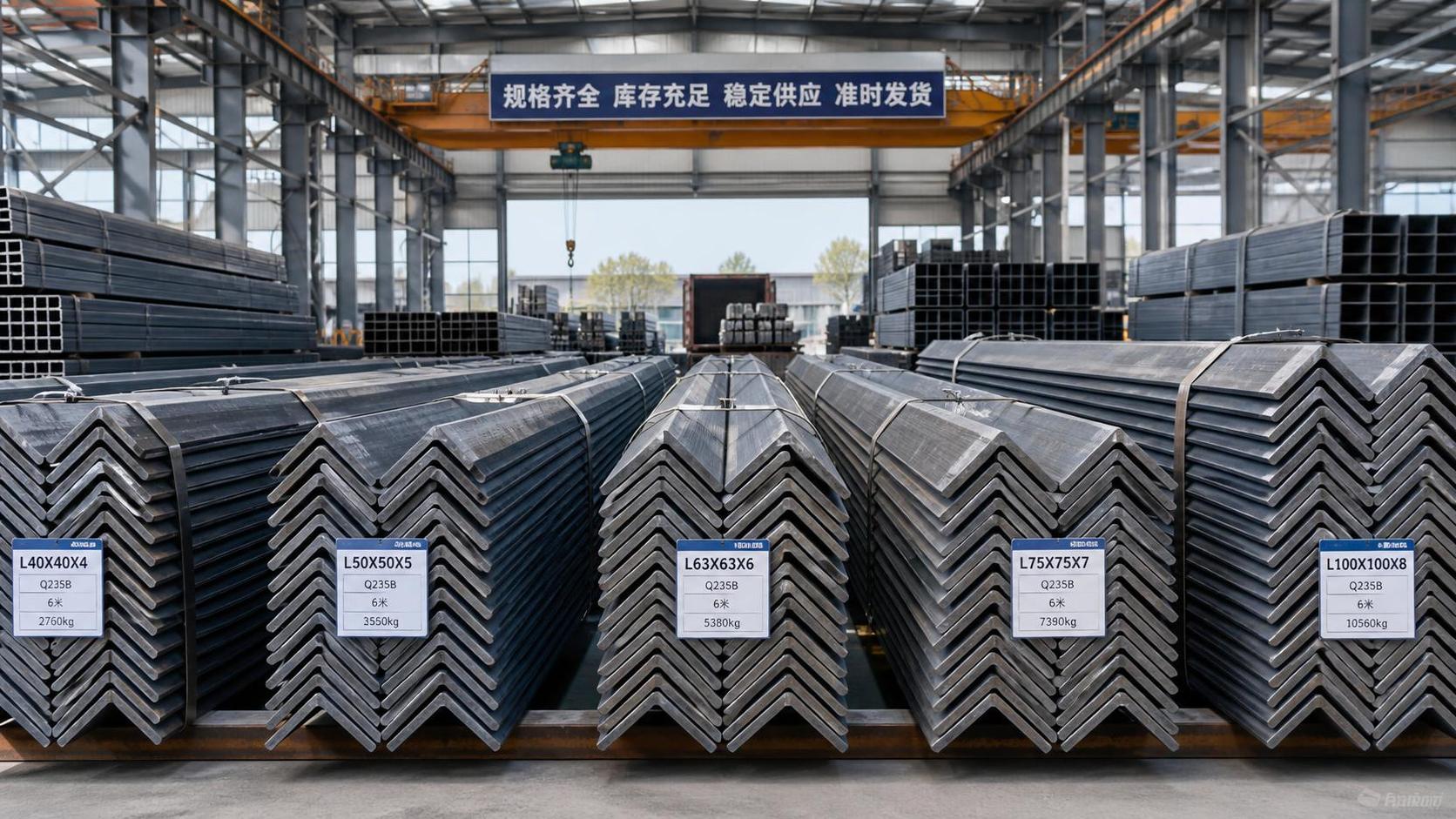
Procurement professionals face three core challenges: verifying mill traceability, ensuring dimensional repeatability across batches, and aligning delivery timelines with fast-track construction schedules. At Hongteng Fengda, each order of l shape angles undergoes triple-stage inspection—raw material spectrographic verification, post-rolling dimensional scanning (±0.2mm tolerance), and final packaging audit per ISO 9001–2015 protocols.
We support global buyers with pre-shipment third-party inspections (SGS, BV, TÜV), bilingual mill test reports (EN/GB/ASTM dual referencing), and flexible logistics—including container-load consolidation for mixed-spec orders (e.g., combining galv angle with 316 angle and Rail for integrated rail infrastructure projects). Our Rail product line—available in U71Mn, PD3, and QU120 grades—is routinely co-sourced with bracing components for transit corridor upgrades across Europe and ASEAN.
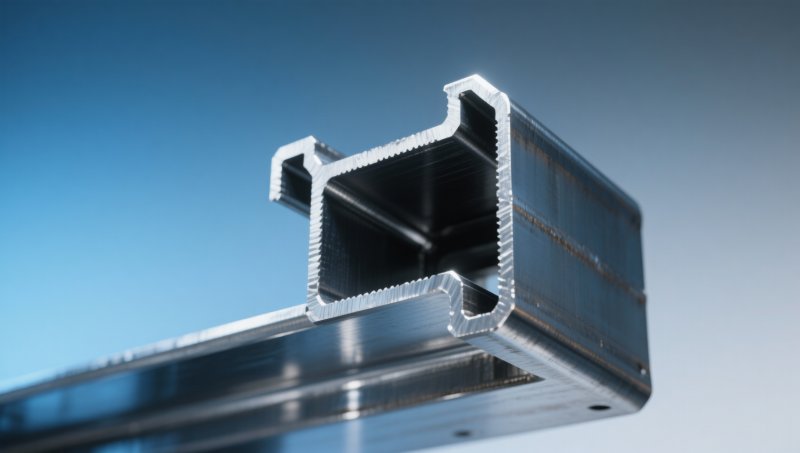
For OEM partners, we offer laser-cutting, CNC punching, and precision bending services—enabling direct integration of l shaped metal bars into modular bracing kits. Lead time averages 25–35 days from PO confirmation, backed by real-time production tracking via our ERP portal.
Why Choose Hongteng Fengda for Seismic-Grade Bracing Solutions?
As a structural steel manufacturer & exporter from China with 18+ years of export experience, Hongteng Fengda delivers more than standardized angle plate steel—we deliver engineering confidence. Our facility operates six fully automated rolling lines, certified for ASTM, EN, JIS, and GB compliance, with dedicated R&D support for custom l shape steel profiles up to 200×200×20mm.
Every shipment includes full documentation: heat number traceability, non-destructive testing records, and corrosion performance data per ASTM B117 salt-spray testing. We help procurement teams reduce sourcing risk through consignment stock programs in Dubai and Rotterdam—and empower project managers with technical advisory support during design review phases.
Whether you need ASTM stainless steel for hospital retrofits, angle galvanized for port expansion, or l shaped metal sheet for prefabricated housing, contact Hongteng Fengda today. Let’s engineer resilience—together.
- angle galvanized
- galv angle
- l shaped metal sheet
- galvanized angle
- l shape steel
- bracing angle in steel structure
- l shaped metal bars
- angle plate steel
- 316 angle
- l shape angles
- ASTM stainless steel
- hot-dip galvanized
- ASTM A36
- structural steel
- steel profiles
- Structural Steel
- Profile
- Galvanized
- carbon steel
- steel profile
Related recommendations
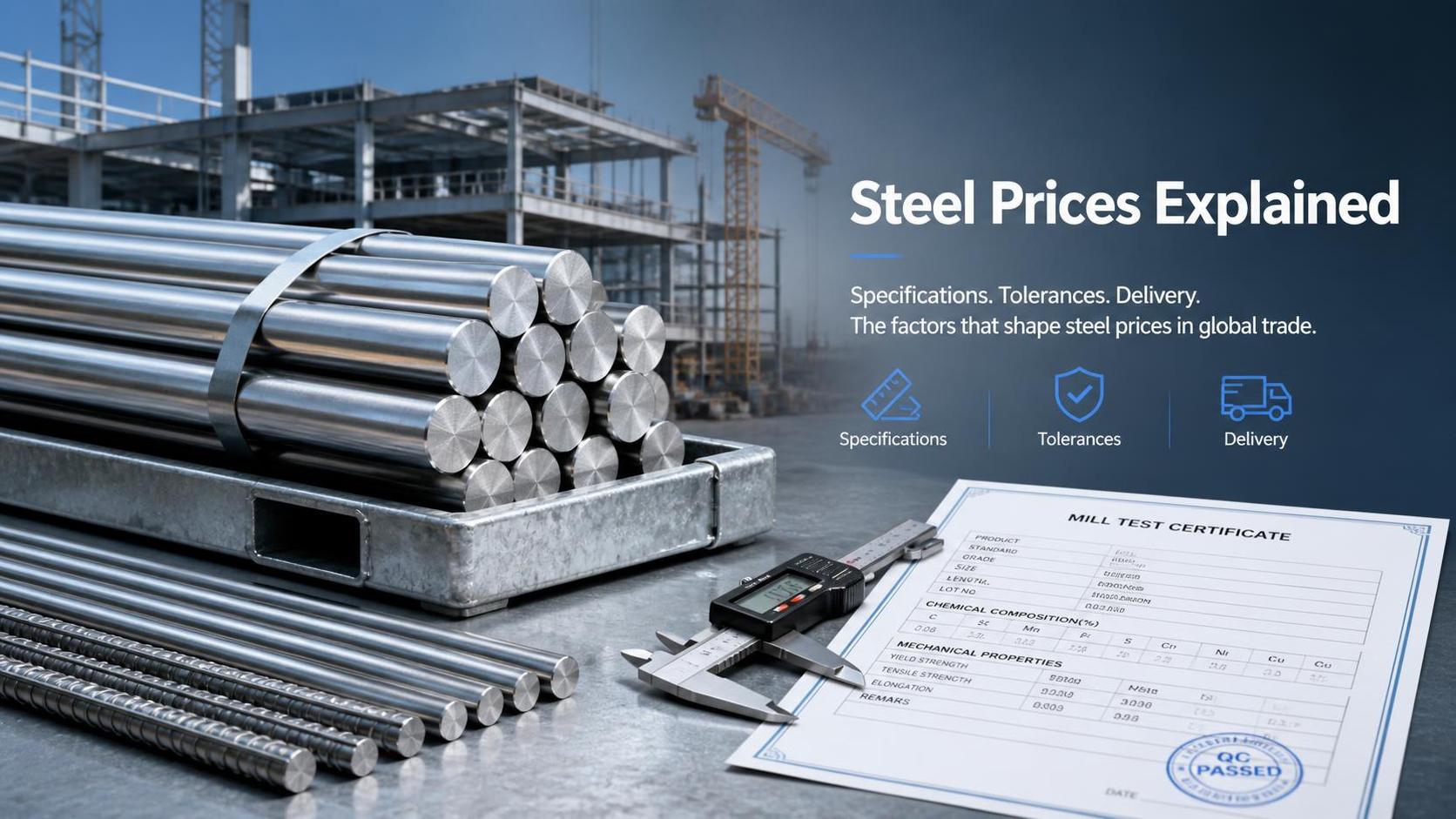
 What Drives Angle Steel Price Changes in Building Frame ProjectsAngle steel price changes can reshape building frame budgets. Learn the key drivers behind fluctuations and how to secure stable, cost-effective sourcing.
 Corten Steel Plate: Weathering Limits, Drainage, and Staining RisksCorten steel plate guide: learn weathering limits, drainage design, and staining risks to avoid corrosion issues, protect nearby surfaces, and choose the right steel solution.
 What Drives Steel Rod Price Changes in Building Projects?Steel Rod price changes can reshape construction budgets fast. Learn what drives costs—from steel, zinc, specs, compliance, and lead times—to make smarter, lower-risk buying decisions.
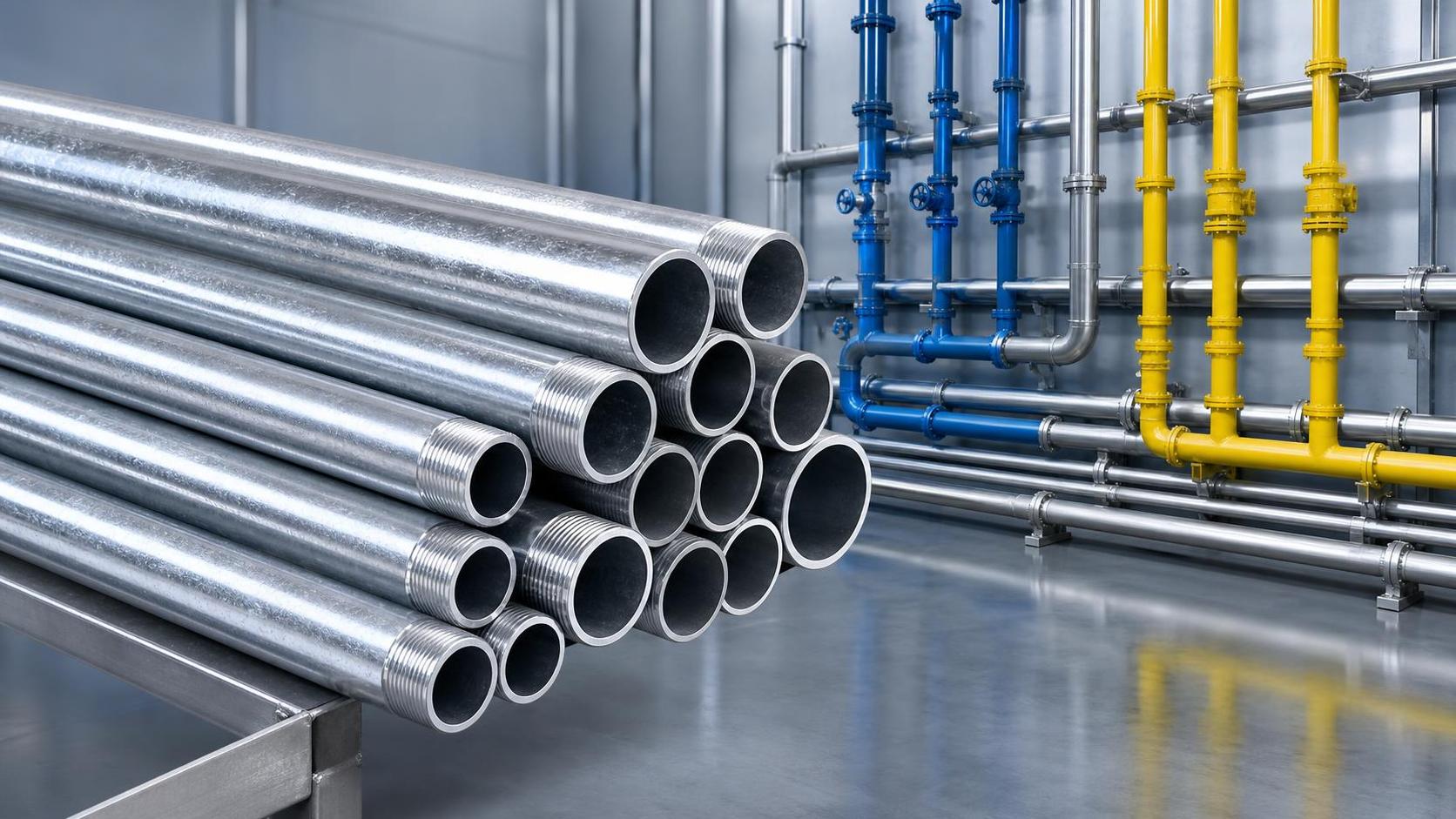
 Galvanized Pipe Specifications: Which Standards Matter for Water and Gas Lines?Galvanized pipe specifications determine whether water and gas lines pass code, pressure, and coating checks. Learn which standards matter most to avoid costly approval and installation risks.
Please give us a message


Please enter what you want to find