Choosing the right l shape steel—whether ASTM stainless steel, 316 angle, galv angle, or cold-finished l shaped metal bars—is critical for mid-rise structural integrity, cost control, and long-term ROI. As a leading structural steel manufacturer & exporter from China, Hongteng Fengda delivers precision-engineered l shaped metal sheets, angle plate steel, bracing angle in steel structure, and custom l shape angles compliant with ASTM, EN, JIS, and GB standards. This analysis compares hot-rolled vs. cold-finished grades across performance, lifecycle cost, fabrication efficiency, and compliance—empowering procurement teams, project managers, and engineers to make data-driven sourcing decisions.
Definition & Structural Role of L Shape Steel
L shape steel—commonly referred to as angle steel, l shaped metal bars, or angle plate steel—consists of two perpendicular legs forming an “L” cross-section. It serves as a foundational component in load-bearing frameworks, bracing systems, and connection nodes. In mid-rise buildings (4–12 stories), l shape steel is widely deployed as bracing angle in steel structure, corner reinforcement, column base plates, and façade anchoring. Its geometry delivers high torsional rigidity per unit weight—a key advantage over flat or round sections when space and weight are constrained.
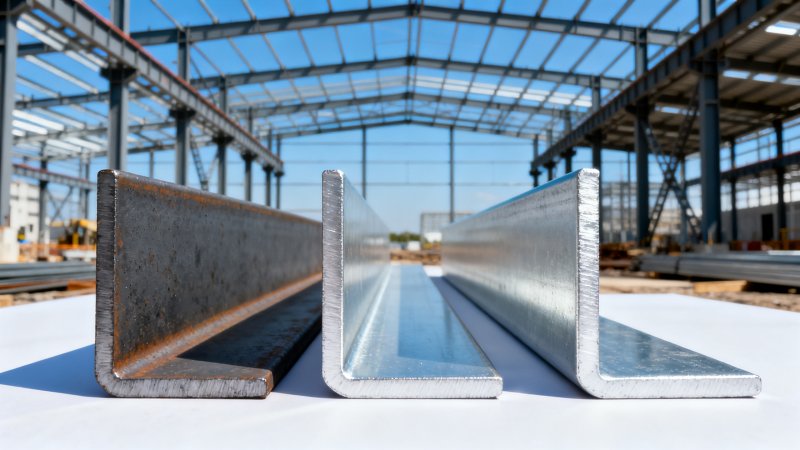
From material perspective, l shaped metal sheet and l shape angles are available in multiple metallurgical forms: hot-rolled carbon steel (e.g., ASTM A36, EN S235JR), cold-finished low-carbon grades (e.g., ASTM A108), galvanized variants (galv angle), and corrosion-resistant alloys like 316 angle (ASTM stainless steel). Each variant responds differently to welding, bending, thermal expansion, and environmental exposure—factors that directly impact ROI over a building’s 50+ year service life.
Hot-Rolled vs. Cold-Finished: Technical Performance Comparison
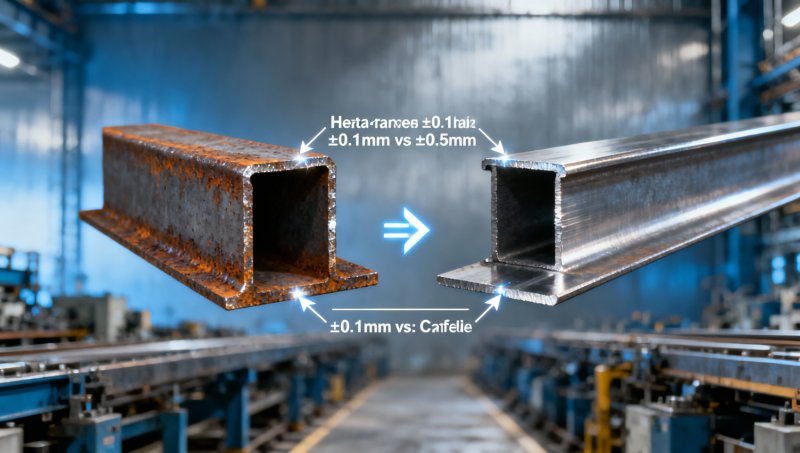
The choice between hot-rolled and cold-finished l shape steel isn’t merely about dimensional tolerance—it reflects divergent mechanical behaviors, surface characteristics, and downstream processing implications. Hot-rolled products undergo plastic deformation above recrystallization temperature (~1,100°C), resulting in scale-covered surfaces, moderate strength, and inherent residual stresses. Cold-finished grades are drawn or rolled at ambient temperatures, delivering tighter tolerances (±0.1 mm vs. ±0.5 mm), smoother finishes, and enhanced yield strength (up to 20% higher than equivalent hot-rolled sections).
Lifecycle Cost & Procurement Strategy for Mid-Rise Projects
For mid-rise developments, total cost of ownership—not just unit price—determines true ROI. While cold-finished l shaped metal bars may carry a 12–18% premium over hot-rolled equivalents, they reduce labor time by up to 30% during field assembly due to tighter fit-up tolerances and elimination of on-site grinding. Fewer weld repairs, lower rejection rates, and faster erection translate into compressed schedules—critical for developers managing financing costs and lease-up timelines.
Conversely, hot-rolled l shape steel remains optimal for primary framing where dimensional variance is accommodated via bolted connections or grouted embeds. For exterior bracing angle in steel structure exposed to coastal or industrial atmospheres, specifying galv angle or 316 angle ensures decades of maintenance-free service—offsetting initial cost through avoided recoating cycles and structural inspections. As a certified structural steel manufacturer & exporter from China, Hongteng Fengda offers both ASTM stainless steel and EN-compliant galvanized solutions with full traceability, mill test reports (MTRs), and third-party inspection support (SGS, BV, TÜV).
Why Choose Hongteng Fengda for Your L Shape Steel Sourcing?
Hongteng Fengda bridges global specification rigor with agile Chinese manufacturing. We produce l shaped metal sheets, angle plate steel, and custom l shape angles under ISO 9001-certified workflows—from raw material batching to final dimensional verification. Our facility supports dual-standard production (ASTM + GB), enabling seamless substitution without re-engineering. Whether you require 316 angle for corrosive roof trusses or galv angle for seismic bracing systems, our engineering team co-develops drawings, validates weld procedures (AWS D1.1), and coordinates logistics across North America, Europe, and the Middle East.
With stable capacity across hot-rolling, cold-drawing, hot-dip galvanizing, and CNC punching lines, we eliminate bottlenecks common among fragmented suppliers. Every shipment includes compliance documentation aligned with your local authority requirements—including ASTM stainless steel certification, EN 10219 conformity statements, and GB/T 11263 mill reports. Partner with us to reduce sourcing risk, lock in predictable lead times (typically 25–35 days ex-works), and gain a responsive technical ally—not just a vendor.
Contact Hongteng Fengda today for a customized ROI assessment of your next mid-rise structural package—including comparative quotes for hot-rolled vs. cold-finished l shape steel, galv angle specifications, and integrated Galvanized Steel Sheet solutions.
- steel i
- angle steel
- galvanized steel sheet
- galv angle
- l shaped metal sheet
- l shape steel
- bracing angle in steel structure
- l shaped metal bars
- angle plate steel
- 316 angle
- l shape angles
- ASTM stainless steel
- galvanized steel
- ASTM A36
- structural steel
- Structural Steel
- Galvanized
- carbon steel
- steel sheet
Related recommendations
 How to Select the Correct Steel Sheet Grade for Auto PartsSelect the ideal steel sheet for auto parts by balancing performance and cost. Discover expert sourcing strategies to avoid manufacturing traps and optimize procurement. Read our guide now!
 Choosing the Right Zinc Coating Weight for Galvanized SheetOptimize your galvanized sheet selection by choosing the right zinc coating weight. Discover expert strategies to balance corrosion resistance, formability, and project costs.
 How to Specify Wall Thickness for Structural Steel TubingMaster wall thickness specification for structural steel tubing. Balance engineering loads, global tolerances, and costs. Read our expert guide to optimize procurement and ensure project safety!
 Galvanized Pipe vs. Copper: Cost and Durability ComparisonDiscover why galvanized pipe outperforms copper in cost and durability. Compare total lifecycle expenses and make a smart procurement choice for your next industrial project today.
Please give us a message


Please enter what you want to find