As global construction demand evolves, understanding the 2024 steel roof sheet price per square meter is crucial for managing project budgets and material choices. From comparing angle vs channel steel options to selecting the right steel tube for industrial applications, every cost factor influences overall efficiency. As a trusted structural steel manufacturer and exporter in China, Hongteng Fengda provides insights into market trends, helping project managers, procurement teams, and distributors optimize decisions with ASTM certified steel solutions and reliable supply performance.
Definition and Overview of Steel Roof Sheet Pricing
Steel roof sheets have become an essential part of modern construction, valued for their durability, versatility, and cost efficiency. The price per square meter reflects multiple components such as raw material costs, processing technology, thickness, coating quality, and logistics factors. In 2024, global shifts in steel production, energy prices, and regional supply chains will continue to impact average costs. For construction stakeholders, from structural designers to procurement managers, staying updated with accurate price forecasts supports effective project budgeting and specification planning. Understanding the relationship between base metals, alloy composition, and protective treatments helps in choosing the right grade—whether galvanized, prepainted, or stainless steel options. Additionally, factors like ASTM certification, EN or JIS compliance, and environmental performance standards play crucial roles in defining long-term value. Hongteng Fengda, as an experienced structural steel exporter, integrates international standards in its offerings of angle steel, channel steel, and steel beams, ensuring that buyers can align quality with price expectations to mitigate risk during supply negotiations.
Market Overview and Pricing Trends in 2024
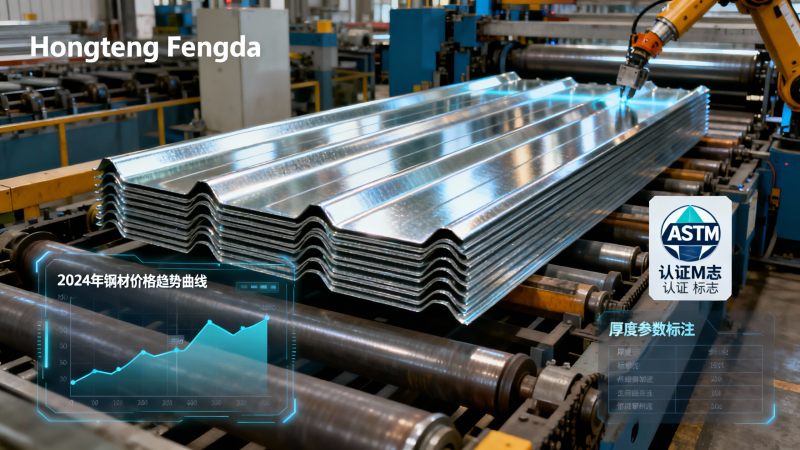
The steel market in 2024 is entering a phase characterized by cautious optimism. While some regions expect moderated growth, construction and infrastructure projects in Southeast Asia and the Middle East continue to support robust consumption. In the roofing segment, demand is particularly driven by green building requirements and durability expectations. The steel roof sheet price per square meter will likely fluctuate between 4–7% based on type, thickness, and finishing options. For instance, galvanized roof sheets may experience moderate cost stabilization as zinc supply becomes more balanced, while stainless steel materials may face upward pressure due to nickel market volatility. The comparison between angle vs channel steel also provides insight into cost dynamics across structural categories; angle steel remains a preferred low-cost solution for framing, whereas channel steel offers enhanced load-bearing performance at a premium rate. Project teams who rely on steel conduit for electrical wiring or steel girder for bridge construction must also consider associated accessory costs. Hongteng Fengda’s ability to maintain stable production capacity even under global logistical uncertainties positions it as a reliable partner for international buyers striving to control expenditures while meeting compliance standards.
Technical Performance and Product Integration
The performance of materials used in steel roofing systems is closely linked to their mechanical properties and manufacturing precision. Steel components such as ASTM certified steel square rods, high strength steel round bars, or extruded steel tubes for industrial applications must meet stringent criteria to ensure assembly integrity. In this context, product selection is not only about cost per square meter but about lifecycle performance. For example, incorporating components like the 430 Stainless Steel Plate can optimize corrosion resistance and structural lifespan. This material, made of 430 stainless steel grade, offers tensile strength above 520 MPa and yield strength above 275 MPa, with an elongation of up to 60%. Such properties make it suitable for both indoor and outdoor environments that demand heat stability, hygiene, and chemical resistance. Common applications include architectural panels, food industry components, and industrial machinery housings. By leveraging advanced finishing options like BA, NO.4, and HL, users benefit from both functional performance and aesthetic adaptability. These parameters illustrate how technical precision drives cost efficiency—superior mechanical data translates directly into lower long-term maintenance and higher structural reliability.
Application Scenarios and Cost-Sensitive Solutions
Steel roof sheets are widely used across residential, industrial, agricultural, and commercial facilities. Each segment defines different expectations for durability, thermal insulation, and aesthetics. In agriculture, lightweight coated steel sheets are selected to ensure moisture resistance and simple installation, while in industrial manufacturing, high load-bearing steel roofs balance mechanical stability and corrosion control. The cost per square meter therefore varies significantly depending on project nature, regional labor rates, and installation complexity. When applying specialized materials such as stainless profiles or temperature-resistant coatings, procurement teams must consider not just the raw sheet cost but the total lifecycle performance cost. For instance, incorporating angle steel for construction projects often complements roof frameworks by providing extra rigidity at low marginal cost. By contrast, channel steel offers stability for large-span roofs requiring higher deflection limits. Hongteng Fengda’s portfolio, including steel tubes and girders, provides a unified sourcing solution reducing the risk of inconsistent quality between structural and roofing components. With many buyers emphasizing sustainability, choosing recyclable materials that comply with ASTM and EN standards ensures both environmental accountability and financial prudence.
Comparison Analysis: Angle vs Channel Steel and Their Structural Roles
When evaluating material alternatives in the context of cost forecasting, the angle vs channel steel comparison plays a crucial role. Angle steel, characterized by its L-shaped profile, provides efficient load distribution and ease of welding, ideal for small-to-medium frameworks and bracings. Channel steel, featuring a U-shaped cross-section, delivers enhanced sectional modulus and torsional rigidity, making it indispensable for bridge decks and building skeletons requiring substantial bearing capacity. In terms of pricing, angle steel tends to be more economical due to simpler forming processes, while channel steel commands a slight premium reflecting its superior moment resistance. Hongteng Fengda offers both standardized and OEM configurations for these categories, ensuring compatibility with local design codes and international specifications. The interplay between the steel roof sheet price per square meter and supporting structural members indicates that an integrated procurement strategy is vital. Selecting the right structural steel components alongside roofing materials can minimize labor duplication and transportation costs. Hence, procurement managers are encouraged to consider total system equivalence rather than isolated price tags to attain greater cost predictability and project security.
Procurement Guide: Balancing Specification, Compliance, and Budget
The procurement stage often defines the success of a construction project’s cost control and quality assurance. In assessing steel roof sheet price per square meter, buyers should focus on several decision pillars: specification accuracy, compliance verification, supplier reliability, and after-sales technical support. When sourcing from a reputable steel manufacturer in China, stakeholders must ensure that the supplier not only meets ASTM and ISO certification but also demonstrates consistency in mechanical performance. A smart procurement checklist should include inspection of mill certificates, sampling of sheet coatings, and documentation of surface finish. For electrical or industrial projects, steel conduit for electrical wiring should be analyzed alongside roof systems to coordinate electromagnetic compatibility and thermal resistance. Moreover, selecting certified materials such as 430 Stainless Steel Plate ensures long-term corrosion control with compliance from SGS and BV certifications. Hongteng Fengda’s pricing transparency and technical support empower decision-makers and quality control officers to refine cost structures without compromising safety or endurance, leading to higher ROI and predictable delivery timeframes.
Cost, Alternatives, and Value Integration
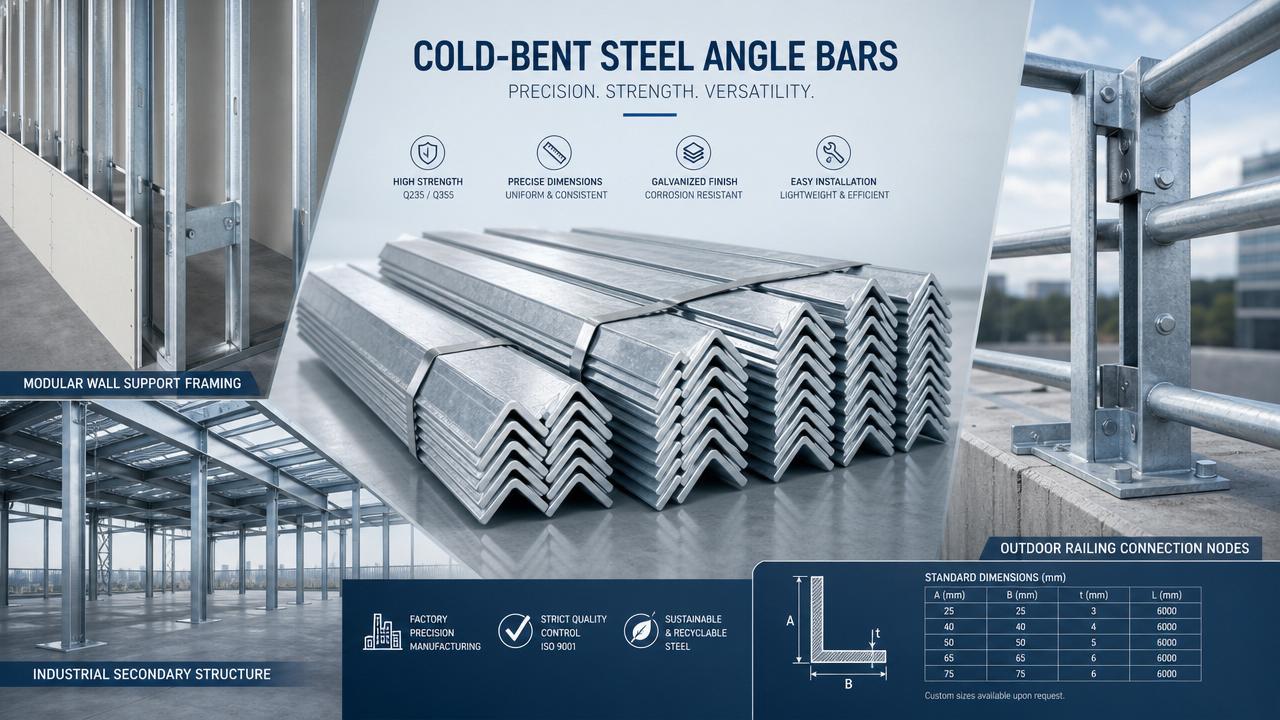
For 2024, the global steel pricing outlook remains influenced by environmental policy enforcement, decarbonization initiatives, and raw material energy costs. Thus, project estimations should allow flexibility through material substitution strategies. Alternatives such as cold formed steel profiles and lightweight pre-coated sheets can offer budget-friendly options without significantly sacrificing mechanical reliability. For infrastructure developments like bridges, rail transit, or industrial warehouses, the combined use of steel girder for bridge construction and cost-optimized roof sheets ensures better long-term cost-performance balance. When evaluating alternatives, it is also vital to factor in logistics costs, especially for imported materials, and potential tariffs. Hongteng Fengda’s export experience across North America and Europe assists clients in calculating landed cost analyses for each steel type, simplifying decision-making. As a reliable supplier, the company helps organizations reevaluate sourcing strategies in light of evolving price signals, aligning them with market stability and sustainable growth objectives.
Standards, Certification, and Quality Assurance
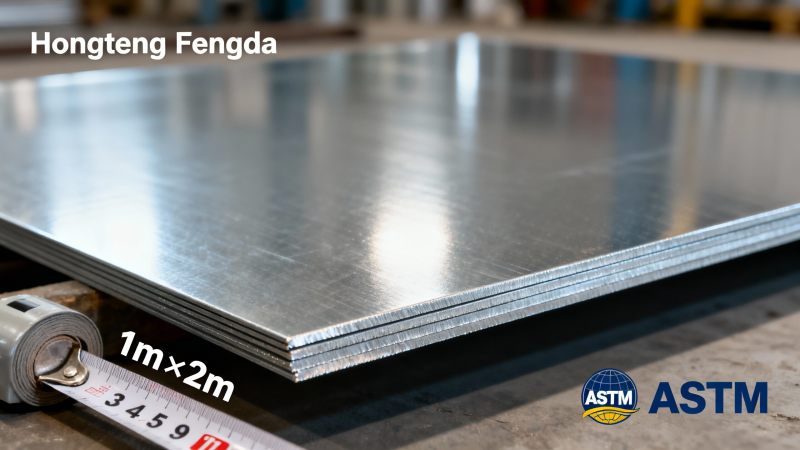
In international steel trade, compliance is more than a formality—it defines reliability. ASTM certified steel square rods, ISO-aligned production lines, and SGS quality inspections ensure that every delivered ton achieves predictable performance. For roofing projects, adherence to EN and JIS benchmarks guarantees structural integrity under diverse climate conditions. Hongteng Fengda’s facilities implement quality control protocols for each production stage, from casting to final inspection, eliminating deviations that could affect coating adherence or dimensional tolerances. Third-party certifications such as BV and CE also add global credibility, critical when projects seek financing or governmental approval. Within every shipment, material traceability, heat number recording, and chemical analysis guarantee end-user confidence. For quality managers and safety officers, these compliance checkpoints minimize the risk of structural failure and extend maintenance-free intervals for installed steel roof systems. This rigorous approach reinforces Hongteng Fengda’s reputation as a dependable steel beam and tube supplier, aligning with international infrastructure demands.
Trends and Insights: The Future of Steel Roofing Material Pricing
Future projections suggest growing attention on lightweight and energy-efficient roofing materials. Manufacturers are investing in high-performance alloys and eco-friendly coatings to match evolving sustainability standards. Steel roof sheet price per square meter may adjust depending on technological innovation, such as solar-integrated panels or anti-corrosion nanocoatings. Data-driven procurement, utilizing digital platforms for real-time market tracking, will become essential for project managers and distributors. Additionally, innovations in forming and finishing processes, including continuous rolling and plasma polishing, may further diversify product segmentation and competitive pricing. For developers and contractors, adopting long-term frameworks with trusted suppliers like Hongteng Fengda reduces volatility exposure. By coordinating specifications with structural members—ranging from steel angles to steel conduit and rails—stakeholders achieve improved budgeting accuracy and performance planning. The integration of predictive cost analytics and sustainability metrics signals a smarter, greener steel ecosystem heading into the mid-2020s.
Why Choose Hongteng Fengda
Choosing Hongteng Fengda as your structural steel partner ensures stability throughout every project phase. As a structural steel manufacturer and exporter from China, Hongteng Fengda provides a full range of high-performance materials, including angle steel, channel steel, cold formed steel profiles, and customized components. The company’s adherence to ASTM, EN, JIS, and GB standards guarantees reliability, while its modern production facilities enable efficient lead times and flexible order processing. Procurement professionals, engineers, and quality control managers benefit from integrated technical consultation and responsive post-sale support. Moreover, with extensive export networks covering North America, Europe, the Middle East, and Southeast Asia, global buyers enjoy consistent supply regardless of market fluctuations. Whether planning a new industrial complex or retrofitting legacy infrastructures, partnering with Hongteng Fengda reduces sourcing risks, controls cost variations, and ensures long-term durability. For inquiries or quotation requests, reach out through official channels and discover how the right steel—from roof sheets to structural beams—can redefine your project’s strength and economy.
- channel steel
- l angle
- angle steel
- structural steel
- steel beams
- steel profiles
- Steel Angles
- Structural Steel
- Steel Beams
- stainless steel plate
- 430 stainless steel plate
- ss steel plate
- steel plate
- Profile
- Galvanized
- Steel Beam
- steel sheet
- steel profile
- steel conduit
- steel roof sheet
- steel tube
- steel girder
- steel angle
- steel round bar
- steel square rod
- angle vs channel
- steel tube for industrial applications
- ASTM certified steel square rod
- steel roof sheet price per square meter
- steel girder for bridge construction
- steel conduit for electrical wiring
- angle vs channel steel comparison
Related recommendations
 What Affects the Cost of Galvanized Steel in Fabrication Projects?Galvanized steel costs vary far beyond raw material price. Learn how coating, steel grade, fabrication, logistics, and hidden quote items affect project budgets before you buy.
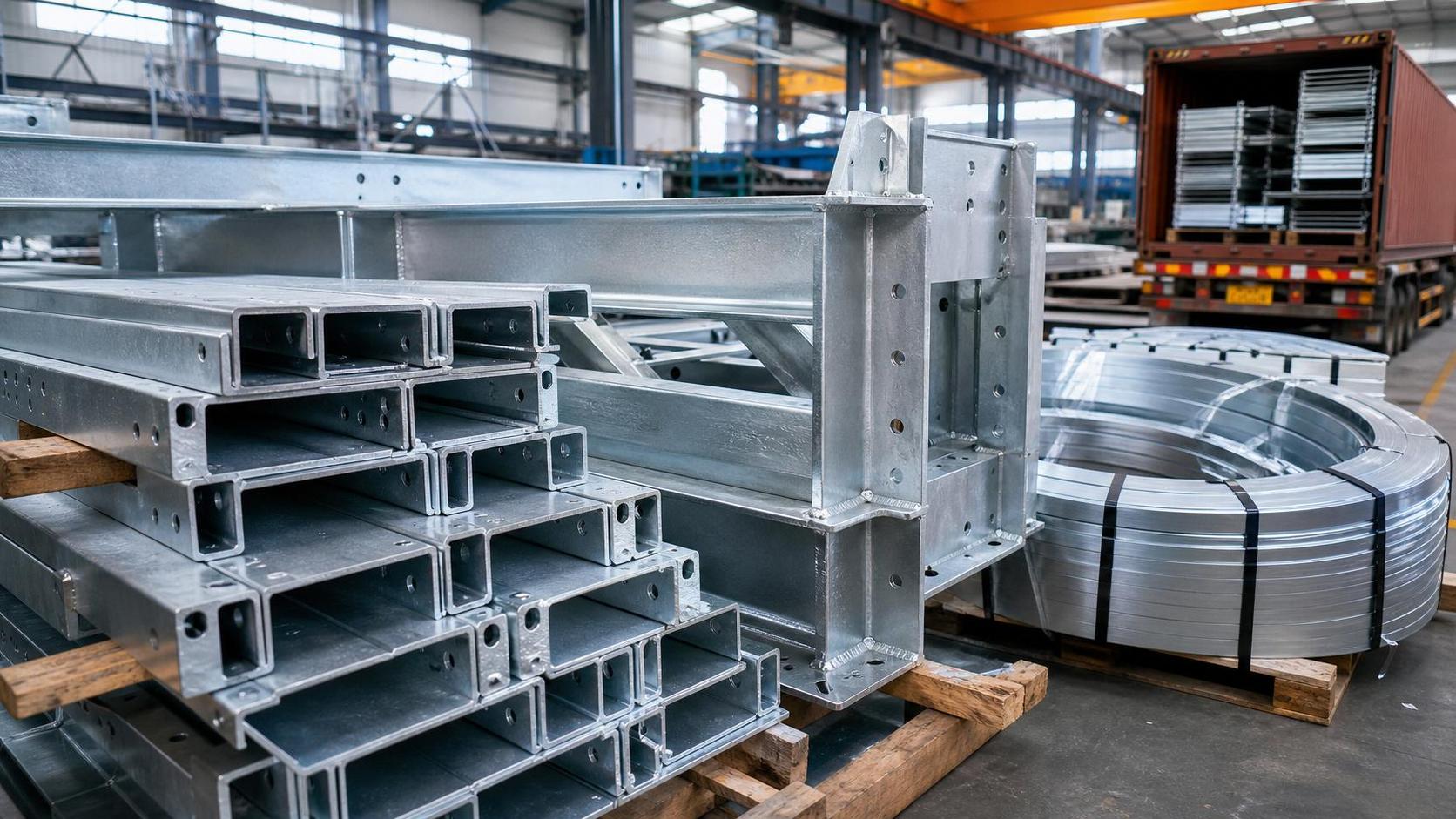
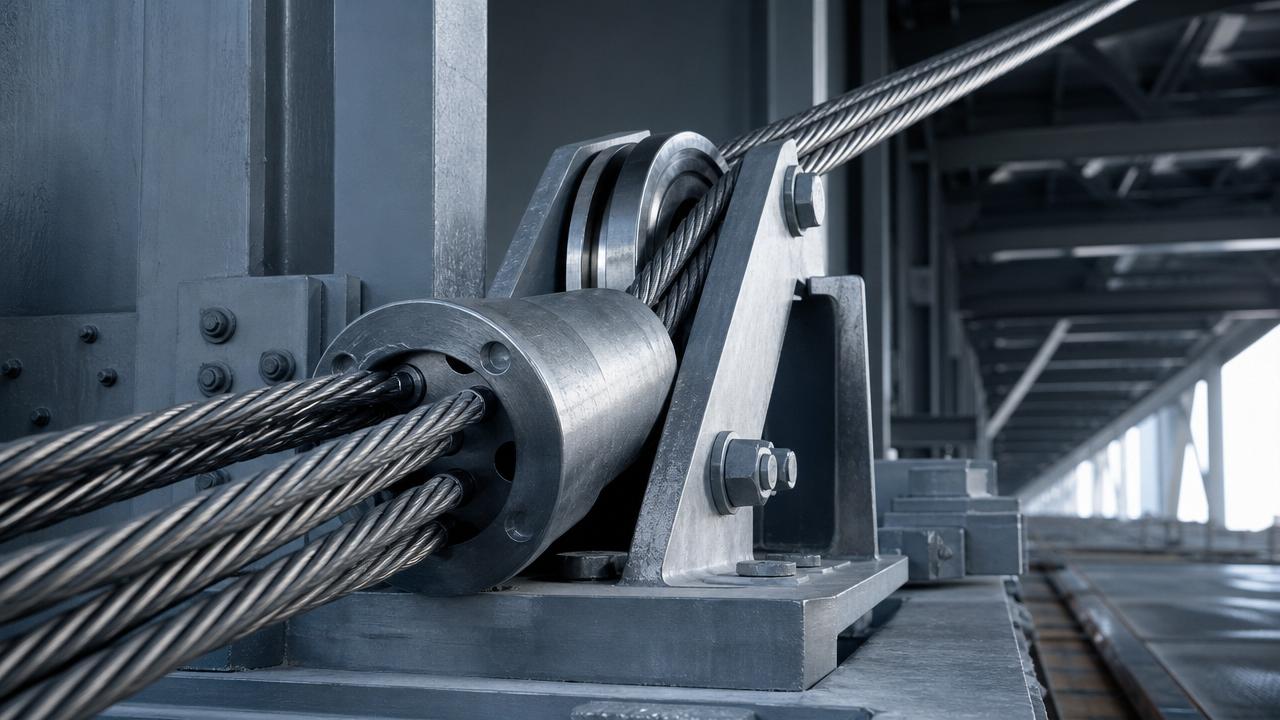
 Steel Wire Strand Applications in Lifting and Support: Key Load and Safety ConsiderationsSteel wire strand selection for lifting and support starts with real load, fatigue, corrosion, and anchoring conditions. Learn how to improve safety, service life, and structural reliability.
 Architectural Steel Angle in Facades, Edges, and Clean LinesArchitectural steel angle improves facade edges, clean lines, and structural precision. Discover how it supports durability, faster installation, and smarter project control.
 Where Cold Formed Steel Angle Works Best in Modern BuildsCold formed steel angle works best in modular builds, secondary framing, and utility supports. Learn where it adds value, what to verify, and how to choose the right profile with confidence.
Please give us a message


Please enter what you want to find