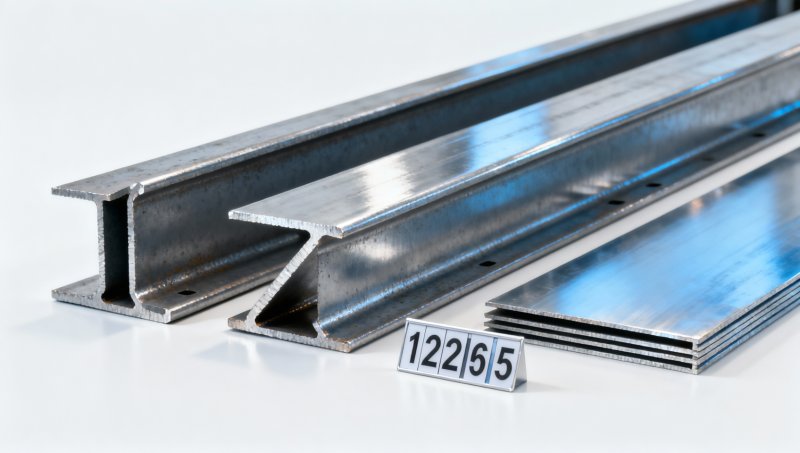
When sourcing steel angle for nuclear-grade scaffolding, full traceability down to heat number isn’t optional—it’s non-negotiable for safety, compliance, and audit readiness. As a trusted steel angle manufacturer in China, Hongteng Fengda delivers ASTM-compliant angle steel with end-to-end material traceability, alongside corrosion-resistant plate for industrial use, cold rolled steel manufacturer China capabilities, and SPCC/SPCD steel for construction. Whether you’re a project manager specifying h girder for high-rise buildings, a procurement officer comparing mild steel wire price per ton, or a safety manager verifying beam h weight calculation and metal channel for warehouse shelving—precision, standards alignment (ASTM, EN, GB), and zero-compromise quality control start here.
Why Heat-Level Traceability Is Non-Negotiable in Nuclear-Grade Applications
In nuclear infrastructure—whether for containment structures, emergency access platforms, or radiation-shielded maintenance scaffolds—every structural component must withstand extreme regulatory scrutiny. Unlike general construction, nuclear-grade scaffolding requires documented proof of metallurgical origin: chemical composition, thermal history, mechanical test results, and mill certification—all tied to a unique heat number. A single undocumented batch can trigger project-wide hold orders, third-party audit failures, or rejection by IAEA-aligned inspectors.
Hongteng Fengda embeds traceability at the process level: each heat of raw billet is assigned a permanent digital ID before rolling. This ID follows the material through hot rolling, cooling, straightening, cutting, surface treatment, and final packaging. Every certificate of conformity includes heat number, ladle analysis (C, Mn, Si, P, S, Nb, V), tensile strength (≥450 MPa for Q345B), yield ratio (≤0.85), and Charpy impact values at −20°C (≥34 J). This meets ASTM A6/A6M Annex A4, EN 10025-2 Table 12, and CNS 12235 requirements for critical service environments.
For procurement teams evaluating suppliers, heat-level traceability isn’t just documentation—it’s risk mitigation. Projects in the UAE’s Barakah Nuclear Energy Plant or Finland’s Hanhikivi-1 required full heat-lot mapping across 12,000+ angle steel units. Suppliers unable to provide ISO 17025-accredited lab reports linked to heat numbers faced automatic disqualification.
This systematic approach reduces procurement cycle time by up to 30% for nuclear clients—no manual reconciliation of mill certs, no delayed QA sign-offs, and no rework due to mismatched documentation. For project managers overseeing multi-year builds, that translates into predictable milestone execution and avoided liquidated damages.
How Hongteng Fengda Ensures Structural Integrity Beyond Traceability
Traceability alone doesn’t guarantee performance. Hongteng Fengda integrates it with four layers of quality enforcement: raw material vetting, in-process dimensional verification, post-rolling mechanical validation, and final non-destructive inspection (NDI). All angle steel undergoes 100% ultrasonic testing (UT) per ASTM A388 for internal discontinuities—critical when angles support load-bearing scaffolds near reactor vessels.
Our production lines operate under ISO 9001:2015 and ISO 3834-2 certified welding procedures. For galvanized angles used in coastal nuclear facilities, we apply hot-dip galvanizing per ASTM A123 with minimum coating mass of 610 g/m² (Zinc 99.995% purity) and adhesion tested per ASTM D3359. Coating thickness is verified at 5 points per leg using magnetic induction gauges—±5 µm tolerance.
We also offer dual-certified materials—for example, Q345B angles meeting both GB/T 1591 and ASTM A572 Grade 50. This eliminates retesting delays for U.S.-led EPC contractors. Lead times average 25–35 days from PO confirmation, with 98.7% on-time delivery over the past 36 months across 42 countries.
Material Options Aligned with Global Nuclear Standards
- Q345B (GB/T 1591): Yield strength 345 MPa; widely accepted in AP1000 projects across China & Saudi Arabia
- A572 Gr. 50 (ASTM): Tensile range 450–590 MPa; preferred for seismic-rated scaffolds in California and Japan
- S355J2+N (EN 10025-2): Impact toughness ≥27 J @ −20°C; specified for Finnish & Swedish nuclear upgrades
- SS400 (JIS G3101): Carbon equivalent ≤0.45%; used in modular scaffolding systems for decommissioning work
All grades are sourced from Tier-1 domestic mills (Baosteel, HBIS, Shougang) with documented heat segregation and ladle-to-ladle consistency. No mixed-heat bundling is permitted—even for identical spec angles.
Beyond Angles: Integrated Structural Solutions for Complex Sites
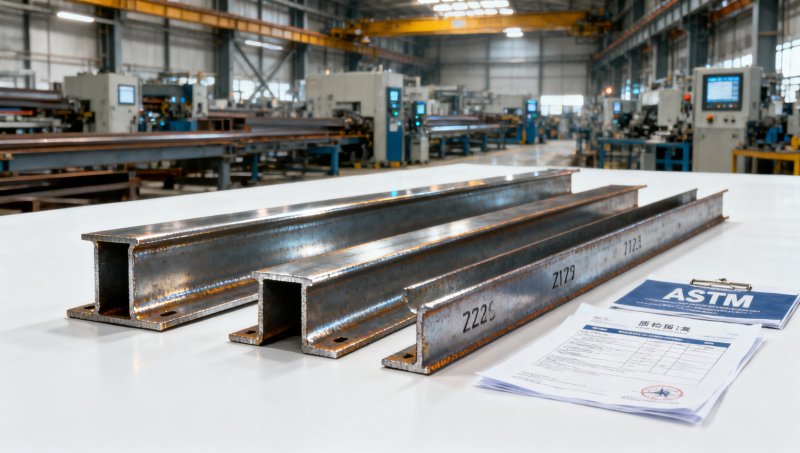
Nuclear scaffolding rarely relies on angles alone. It integrates with purlins, bracing, base plates, and connection hardware—all requiring synchronized traceability and compatibility. That’s why Hongteng Fengda offers co-engineered structural packages, including our Z-beam, which serves as lightweight roof support and wall bracing in auxiliary buildings. With thickness options from 6–25 mm and customizable lengths up to 12 m, it complements angle steel in modular scaffold frames while maintaining consistent Q345B/Q460C material lineage.
The Z-beam is available in perforated and galvanized-coated variants—enabling rapid field assembly via bolted connections and corrosion resistance exceeding 20 years in humid coastal zones. Its design supports load combinations per ASCE 7-22 and Eurocode 3, with moment capacity verified through FEA modeling for wind and seismic events.
For procurement officers balancing cost and compliance, bundling angles with Z-beams and cold-formed channels from one supplier cuts logistics coordination by 40%, reduces documentation variance, and enables unified third-party audits—critical when managing multiple subcontractors on tight nuclear schedules.
Actionable Steps for Procurement & Project Teams
To secure heat-traceable, nuclear-ready steel angles—and complementary components like Z-beam—follow this 5-step engagement protocol:
- Submit technical inquiry with full scope: application (e.g., “emergency egress scaffold inside containment building”), design code (ASME BPVC Section III, RCC-M), and required certifications (SGS witness, NDT reports)
- Request sample heat-lot documentation package—including mill test report, UT report, galvanizing thickness log, and traceability map
- Verify supplier’s internal audit frequency (Hongteng Fengda conducts 24+ internal QA audits/year, plus 3 annual BV/SGS surveillance audits)
- Confirm lead time buffer: standard angles ship in 25–35 days; custom-galvanized or dual-certified batches require 45–55 days
- Initiate cloud portal access pre-shipment to review real-time test data and generate audit-ready PDF dossiers
With over 18 years serving nuclear, power, and heavy industrial clients—from Korea Hydro & Nuclear Power to EDF Energy—Hongteng Fengda combines granular traceability, cross-standard material competence, and responsive engineering support. We don’t just supply steel—we enable your compliance, safety, and schedule certainty.
Ready to align your next nuclear scaffolding order with full heat-number traceability, ASTM/EN/GB dual certification, and integrated structural components? Contact Hongteng Fengda today for a tailored technical proposal and sample documentation package.
- metal channel
- h girder
- steel i
- beam h
- l angle
- angle steel
- galvanized angles
- mild steel wire
- galvanized angle
- corrosion-resistant plate
- cold rolled steel
- SPCD steel
- ASTM A572
- Steel Angles
- Z-beam
- Galvanized
- Steel Wire
- steel angle
- steel angle manufacturer in China
- metal channel for warehouse shelving
- beam h weight calculation
- h girder for high-rise buildings
- mild steel wire price per ton
- SPCD steel for construction
- cold rolled steel manufacturer China
- corrosion-resistant plate for industrial use
Related recommendations
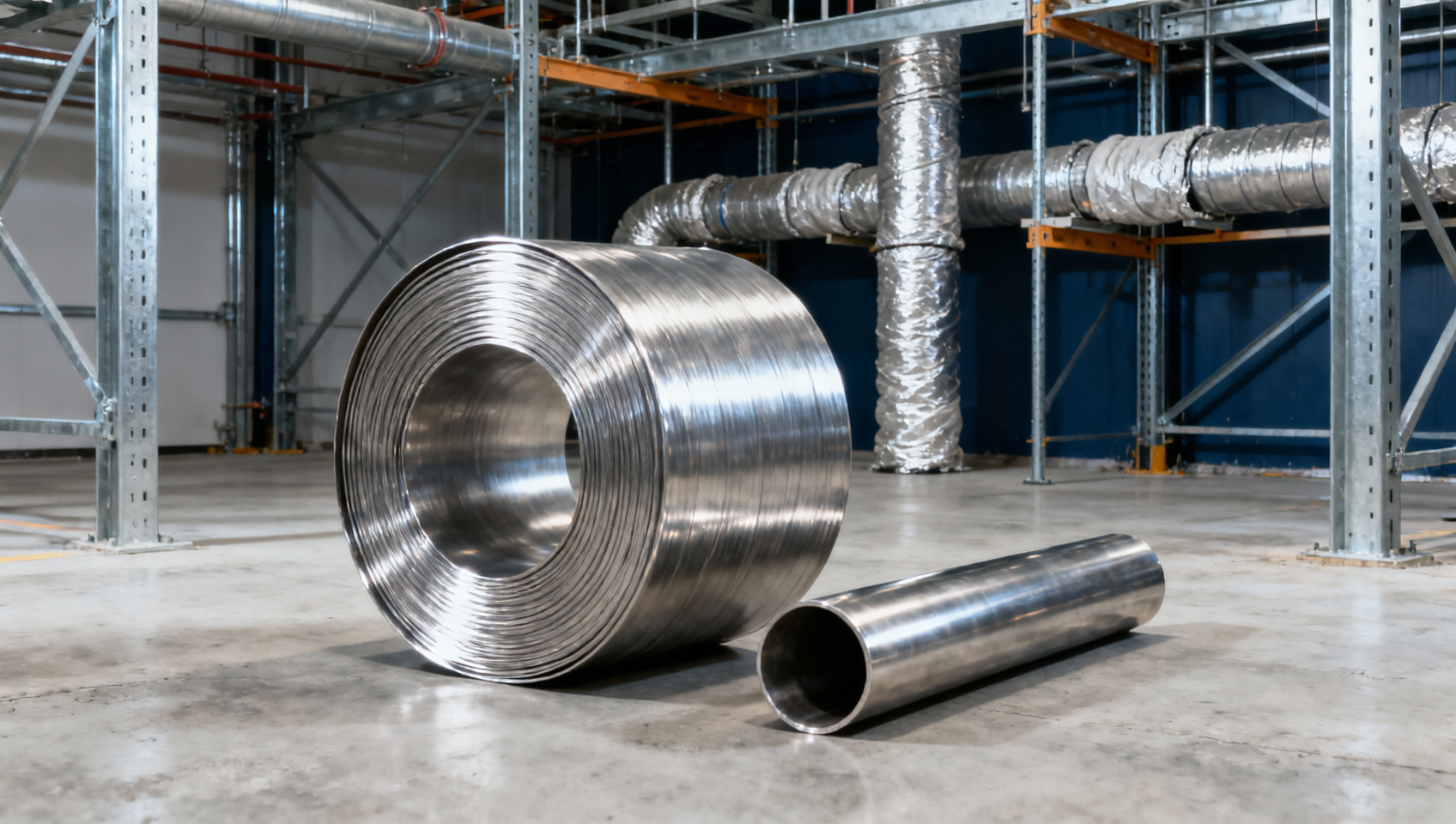
") Stainless Steel Tube Coil vs. Straight Tube: Total Cost of Ownership in HVAC Retrofit Projects (Installation Labor, Leak Points, Space Savings)Stainless steel tube coil cuts HVAC retrofit TCO by slashing labor, leaks & space needs—discover how coil outperforms straight tube in real-world retrofits.
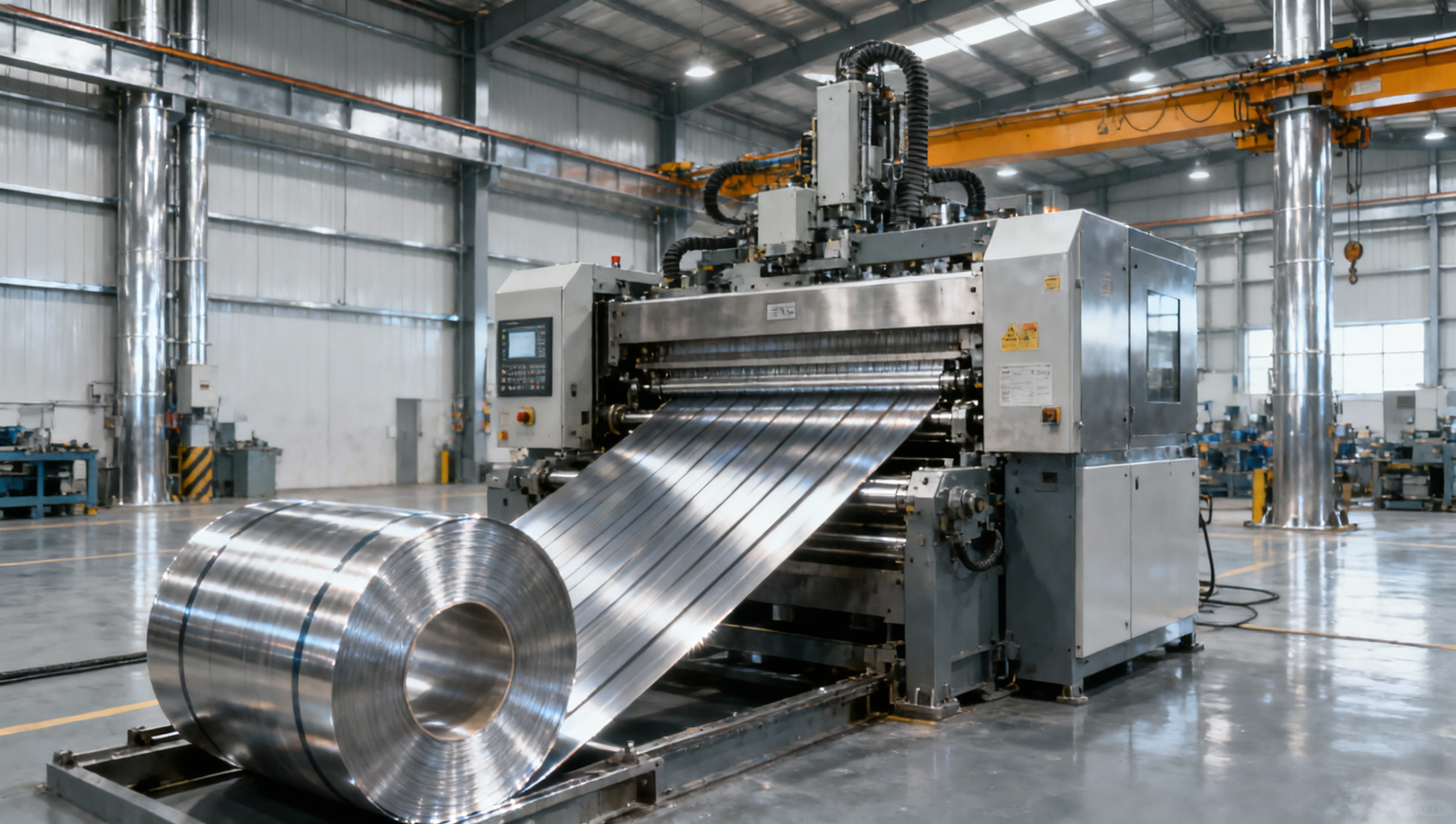
Stainless Steel Tube Coil vs. Straight Tube: Total Cost of Ownership in HVAC Retrofit Projects (Installation Labor, Leak Points, Space Savings)Stainless steel tube coil cuts HVAC retrofit TCO by slashing labor, leaks & space needs—discover how coil outperforms straight tube in real-world retrofits. Steel Coils Suppliers vs. Direct Mills: Lead Time, MOQ, and Custom Slitting Flexibility Compared for Mid-Volume BuyersSteel coils suppliers offer faster lead times, lower MOQs (5–10 tons), and precision custom slitting—ideal for mid-volume structural fabricators seeking agility, quality, and cost control.
 How to Vet Stainless Steel Coil Suppliers: 7 Due-Diligence Checks for Quality, Traceability, and ISO ComplianceStainless steel coil suppliers vetted right mean zero surprises on site. Discover 7 field-tested due-diligence checks for quality, full traceability & real ISO compliance.
 Stainless Coil Pipe vs. Seamless Pipe: When to Choose Welded Coiled Tubing for High-Pressure Fluid SystemsStainless coil pipe delivers unmatched efficiency for high-pressure fluid systems—superior continuity, faster installation, and proven weld integrity vs. seamless.
Please give us a message


Please enter what you want to find