As global demand for construction-grade materials continues to grow, understanding the welded stainless tubing price list for 2024 is essential for smarter purchasing decisions. Hongteng Fengda, a trusted high temperature steel manufacturer in China and supplier of SGS certified steel for construction, helps buyers negotiate better supply terms and manage cost efficiency. Whether sourcing coil stainless steel for automotive industry or verifying ss 316 coil technical specifications, this guide offers insights to support procurement, quality, and project management goals effectively. The welded stainless tubing market has evolved rapidly amid economic fluctuations, logistics constraints, and sustainability requirements. Procurement professionals, project managers, and distributors will find that understanding both pricing mechanisms and technical parameters gives them leverage at the negotiation table. Hongteng Fengda channels its long-term manufacturing expertise into helping clients optimize budgets and safeguard supply continuity.
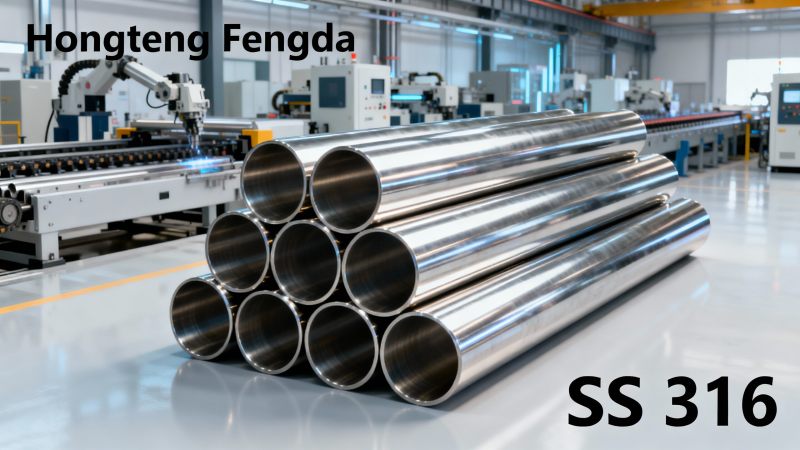
Definition and Overview of Welded Stainless Tubing
Welded stainless tubing refers to steel pipes manufactured by welding rolled stainless strips or sheets, forming a cylindrical or rectangular section. The process ensures strength, corrosion resistance, and uniform tolerance. These tubes are essential in construction, automotive, and industrial manufacturing. The 2024 welded stainless tubing price list demonstrates a modest upward trend due to higher raw material costs and environmental compliance investments. Grades such as 304 and 316 remain dominant because of their technical stability and availability across suppliers. Particularly, ss 316 coil technical specifications—noted for superior pitting resistance in chloride environments—continue to be a benchmark for chemical plants and offshore installations. For buyers, differentiating between welded and seamless tubing is fundamental: the former is cost-efficient for structural use, while the latter provides enhanced integrity at extreme pressure points. Understanding these categories allows procurement teams to align specifications with necessity rather than over-purchasing premium grades. By combining market price knowledge and engineering parameters, companies can negotiate flexible supply contracts and diversify sourcing for risk mitigation.
Market Overview and Pricing Dynamics for 2024
The global welded stainless tubing market in 2024 is shaped by three driving forces: raw material volatility, international shipping costs, and energy pricing. Nickel and molybdenum remain key factors in stainless alloy pricing, while Chinese mills show increased efficiency through automation and digital manufacturing. For a high temperature steel manufacturer in China such as Hongteng Fengda, optimization of production cycles ensures price stability and premium quality. Recent data suggest that welded tubing prices may rise marginally by 2%–4% in the first half of 2024, balancing increased operating costs with normalized demand after COVID-era supply disruptions. Distributors in the Middle East report particularly strong demand for 304 coil material, with the 304 coil supplier in Middle East network expanding to include sustainable sourcing partnerships. North American markets, by contrast, emphasize verified origin through SGS and ISO 9001 certifications. This pricing environment encourages transparent supplier negotiations focusing on freight consolidation, quantity discounts, and standardization of grades. Companies can leverage digital procurement tools to compare mill offers in real time, ensuring that both SGS certified steel for construction and general structural profiles meet the required codes without price overextension.
Application Scenarios and Industry Usage
From skyscraper frameworks to precision tubes for food processing, welded stainless tubing finds applications across nearly every industrial field. Construction engineers rely on these materials for column reinforcements, while manufacturers in the coil stainless steel for automotive industry use them for fuel and exhaust systems, taking advantage of superior oxidation resistance under high temperatures. Food processing facilities commonly prefer stainless steel roll for food processing because cleanliness standards demand easy maintenance. Architecture, in particular, embraces flat stainless steel for architectural design for its aesthetic surfaces and alignment precision. In heavy industry, heat exchangers, condensers, and process pipelines require tight dimensional accuracy and corrosion resistance. Hongteng Fengda’s structural range—including channel steel, beam steel, and cold formed profiles—complements the tubing portfolio, enabling integrated sourcing for clients. Procurement officers appreciate reduced inspection time and unified delivery documentation when multiple categories meet ASTM, EN, JIS, and GB standards simultaneously.
Technical Performance and Product Integration Example
When comparing technical performance, stainless tubing must meet precise tensile, yield, and elongation requirements defined by industrial standards. Mechanical engineers analyze attributes such as yield strength, which influences deformation under load, and tensile strength, reflecting maximum stress tolerance. For example, the DX52D Galvalume Steel Coil demonstrates how modern low-carbon steels advance formability and corrosion resistance. Its specification shows yield strength not exceeding 260 MPa, tensile strength between 300 and 360 MPa, and elongation no less than 28%. Certified under ISO 9001, SGS, and BV standards, it suits applications demanding ductility without fracture. Buyers can align such parameters with reference to welded tubing grades, determining material compatibility within mixed-structure assemblies. By integrating high-quality galvanized and stainless materials, contractors achieve uniform surface finishing and long service life even under high humidity or temperature cycling conditions. The coil’s 55% aluminum coating reduces density, offering 2–6 times longer corrosion resistance than conventional galvanization—a beneficial comparison point when evaluating lifecycle cost in tubing selection.
Procurement Guide: Negotiating Better Supply Terms
Negotiating favorable supply contracts demands both technical literacy and strategic planning. Companies purchasing welded stainless tubing in 2024 should begin with a detailed cost breakdown including base metal rate, processing fee, certification cost, and logistics surcharge. Understanding the welded stainless tubing price list creates transparency, but suppliers value consistent demand forecasts even more. When buyers share project timetables, steel mills can coordinate batch production, lowering unit costs. Procurement managers often miss hidden savings from standardized specifications. Choosing widely available grades like 304 or 316 simplifies inventory management, while long-term framework agreements reduce volatility. Sample evaluation also matters: verifying ss 316 coil technical specifications through mill test reports prevents rework and claim disputes. For global shipping, discussing combined container loading with sheet, coil, and tubing materials maximizes freight value. Dealers and agents should request dual certification (e.g., ASTM A554 / EN 10219) to maintain compliance in multiregional projects. Using inspection agencies like SGS ensures that SGS certified steel for construction aligns with documentation for customs clearance and investor audits.
Cost and Alternatives
Despite short-term price adjustments, buyers can manage expenditure through substitution and optimized design. Switching from seamless to welded tubing saves up to 20% while maintaining required mechanical performance in non-critical systems. Incorporating hybrid materials such as DX52D Galvalume Steel Coil in roofing or cladding can balance overall budget due to its extended corrosion resistance compared with pure stainless. Architects working with flat stainless steel for architectural design often integrate aluminized components to reduce weight. Another approach is bulk ordering steel strapping; steel strapping bulk order strategies cut logistics costs by consolidating materials for internal distribution yards. Procurement staff should also explore financing tools introduced by Asian exporters—such as deferred payment or currency hedging—to stabilize cash flow without compromising material quality. With Hongteng Fengda’s stable production capacity and cross-regional warehouse system, clients may negotiate volume-based rebates or flexible lead times customized by project urgency.
Standards, Certification, and Quality Control
Standards compliance is an essential element of global steel trade. ASTM, EN, JIS, and GB certifications guarantee dimensional accuracy, weld integrity, and surface tolerance. Moreover, buyers often request third-party verification through institutions like SGS or BV before shipment. For infrastructure builders demanding SGS certified steel for construction, quality assurance begins at melt sourcing and continues through ultrasonic and eddy current examinations. Compliance with ISO 9001 ensures continuous improvement and traceability across batches. For automotive assemblies using coil stainless steel for automotive industry materials, heat treatment records and batch identification secure consistent performance under fatigue tests. Hongteng Fengda adheres to these frameworks, adding internal inspection protocols focusing on weld seam microstructure and surface roughness. These steps safeguard clients from unexpected failures or warranty claims. It’s advisable that quality control personnel not only read certificates but also interpret parameter tolerances—this proactive approach saves downstream assembly issues and reinforces supplier credibility.
Trend and Future Insights
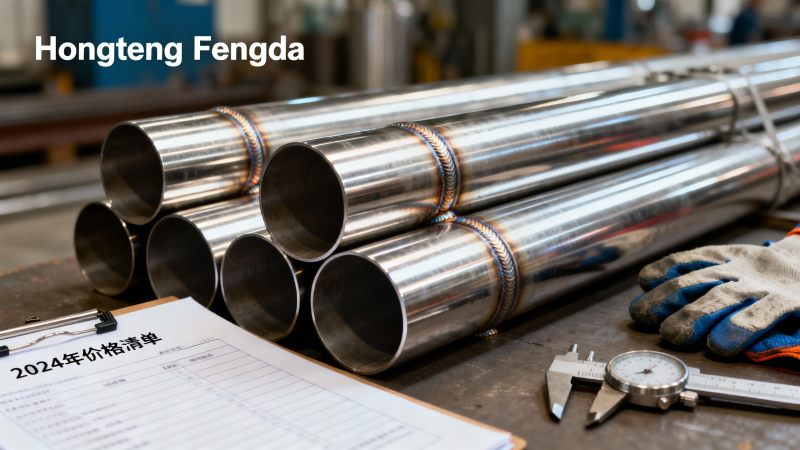
Looking ahead, welded stainless tubing markets will emphasize sustainability, digital tracking, and lightweight innovations. Energy-efficiency goals push manufacturers toward electric arc furnaces, reducing carbon emissions per ton of output. Buyers are increasingly questioning the environmental credentials behind the welded stainless tubing price list, seeking transparency in origin and recycling ratio. In 2024 and beyond, integration of AI-driven inspection systems will minimize human error during welding and polishing processes. The adoption of coil-based forming for medium-sized tube diameters enhances consistency and output speed, particularly crucial for automotive and architectural applications. Meanwhile, the popularity of inox plate manufacturer in India suppliers in regional diversification strategies highlights that globalization now coexists with local manufacturing hubs. Hongteng Fengda invests in R&D for thermomechanical processing of high-temperature alloys, helping clients who require high resistance to thermal fatigue and oxidation. The result is smarter, cleaner, and more connected supply chains aligned with industrial digitalization trends.
FAQ and Misconceptions
Question 1: Is welded tubing less durable than seamless tubing?
Not necessarily. For normal structural applications, welded tubing meets or exceeds required standards. Properly inspected welds and post-annealing treatments eliminate weak points.
Question 2: Do certifications like SGS add extra cost?
They do add nominal fees but significantly reduce long-term quality risks, which offsets potential losses from rework or rejection.
Question 3: Can we mix different grades in the same project?
Yes, as long as mechanical compatibility and galvanic corrosion factors are evaluated, combination use of ss 316 coil technical specifications with other alloys provides design flexibility.
Question 4: What influences the 2024 welded stainless tubing price list?
Key drivers include alloy composition, surface finish requirement, freight rates, and regional demand trends.
Question 5: How can a supplier ensure consistent quality across shipments?
Using enterprise resource planning linked to traceable mill certificates enables lot-to-lot continuity and immediate corrective measures if deviations occur.
Why Choose Hongteng Fengda
Hongteng Fengda stands as a professional structural steel manufacturer and exporter from China, trusted across North America, Europe, the Middle East, and Southeast Asia. The company’s integrated offering—from angle steel and channel profiles to welded stainless tubing—ensures clients receive standardized yet customizable solutions. Backed by strict quality management and steady output, Hongteng Fengda assists global partners in reducing sourcing risks and achieving cost stability. Corporate decision-makers, project engineers, and resellers benefit from real-time technical assistance, transparent documentation, and dependable lead times. Whether procuring high temperature steel manufacturer in China products or coordinating OEM structural components, clients can expect reliability and precision. To discuss tailored solutions or request updated pricing, contact our team for a detailed consultation—the partnership with Hongteng Fengda translates into efficiency, durability, and competitive advantage in every build.
- channel steel
- angle steel
- steel pipe
- steel coil
- structural steel
- Structural Steel
- high temperature steel
- SGS certified steel
- welded stainless tubing
- coil stainless
- 304 coil
- ss 316 coil
- stainless steel roll
- steel strapping
- flat stainless steel
- inox plate
- ss pipe
- Profile
- Galvanized
- carbon steel
- inox plate manufacturer in India
- flat stainless steel for architectural design
- steel strapping bulk order
- stainless steel roll for food processing
- ss 316 coil technical specifications
- 304 coil supplier in Middle East
- coil stainless steel for automotive industry
- welded stainless tubing price list
- SGS certified steel for construction
- high temperature steel manufacturer in China
Related recommendations
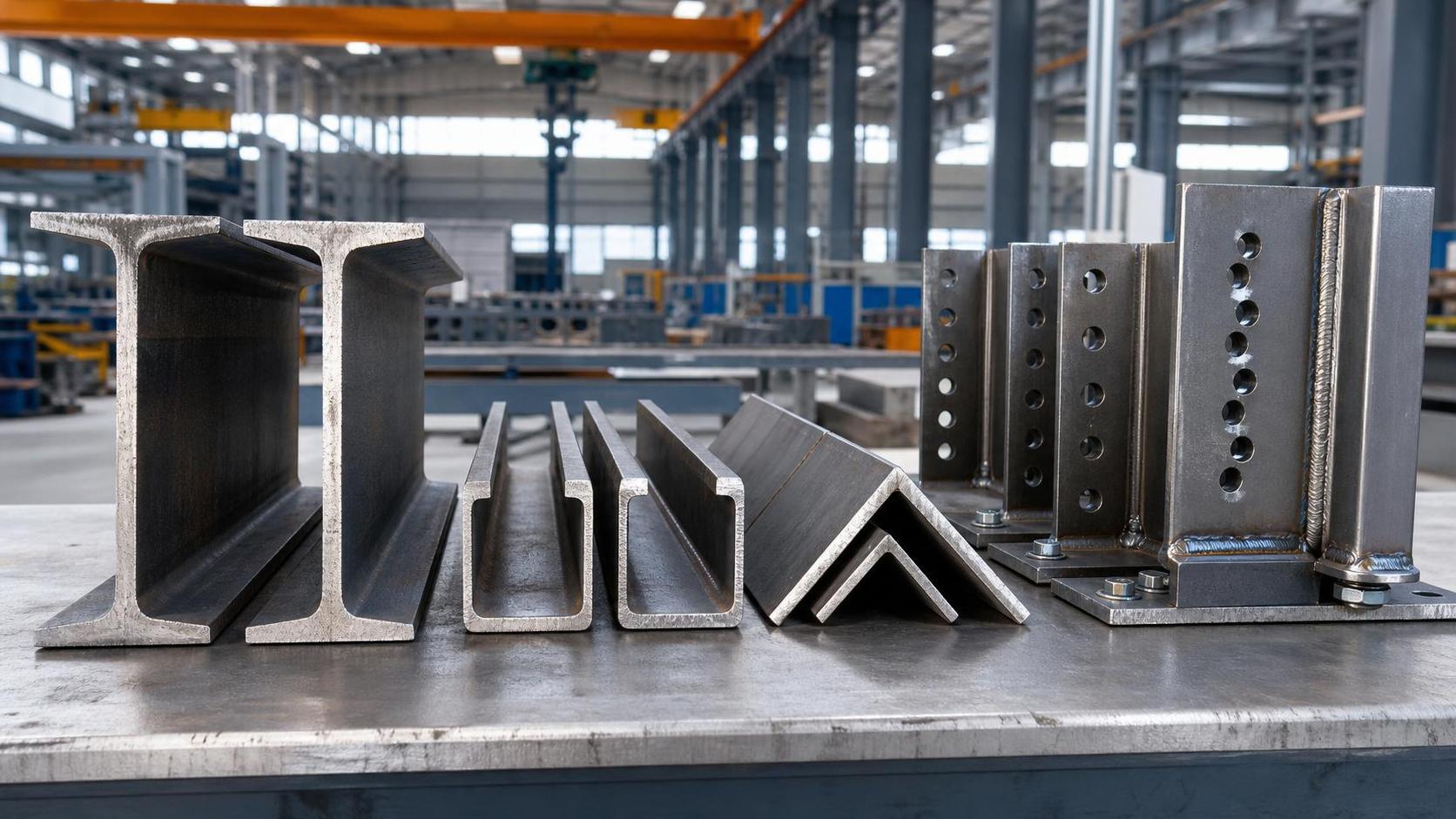
 How to Select a Steel Profile Based on Load, Span, and Fabrication NeedsProfile selection starts with load, span, and fabrication needs. Learn how to compare steel sections for strength, cost, workability, and sourcing efficiency.
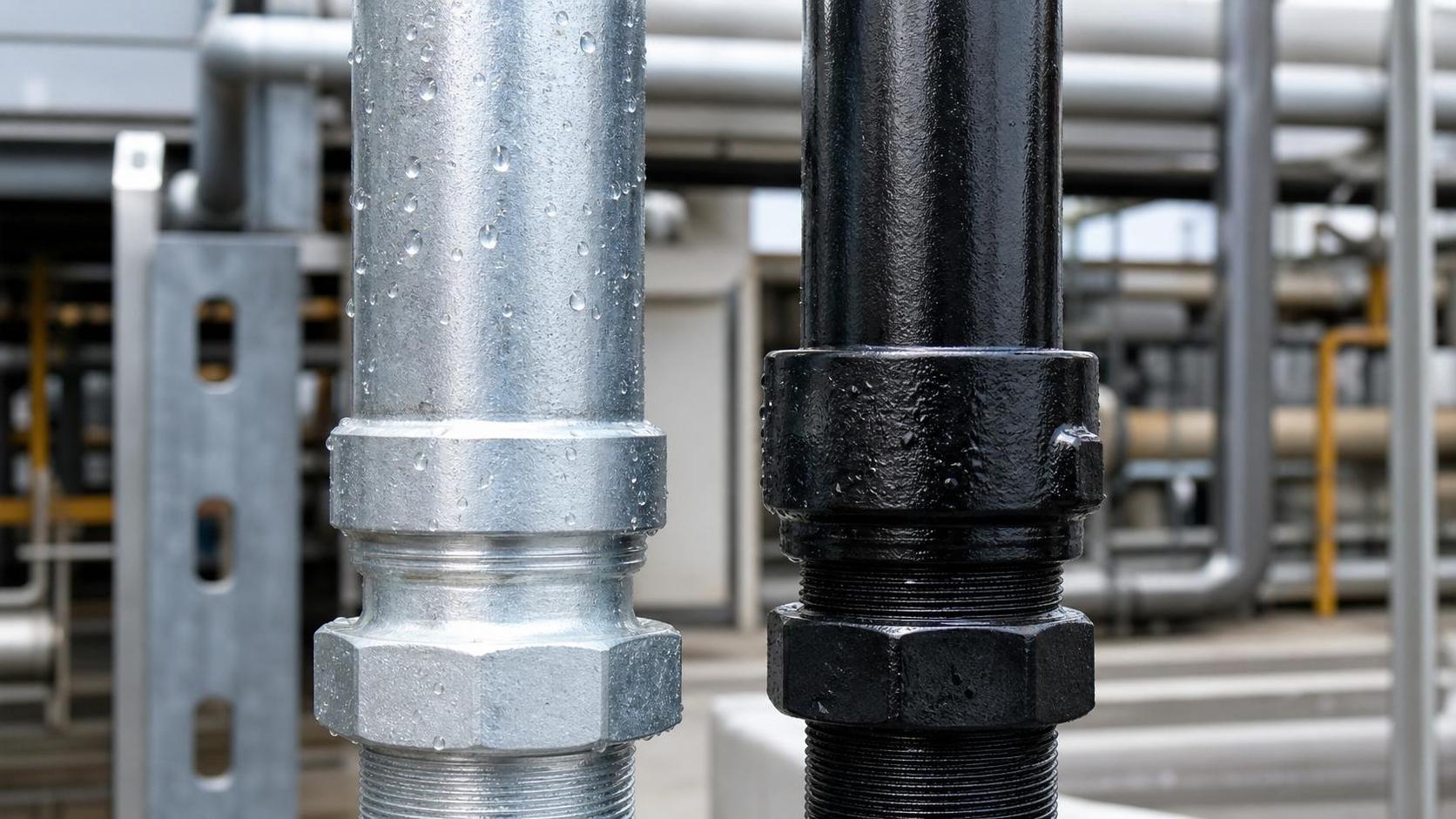
 Galvanized Pipe vs Black Pipe: Which One Fits Water, Gas, or Outdoor Lines?Galvanized pipe or black pipe? Compare the best choice for water, gas, and outdoor lines, with key insights on corrosion, codes, cost, and long-term performance.
 How to Choose Steel Roofing for Warehouses, Farms, and Residential BuildingsSteel Roofing selection depends on building type. Learn how warehouses, farms, and homes differ in corrosion, insulation, drainage, and cost for smarter roofing decisions.
 Hot-Dip Galvanized vs Pre-Galvanized Steel: Which Should You Specify?Hot-dip galvanized vs pre-galvanized steel: compare corrosion resistance, fabrication impact, cost, and standards to specify the right steel solution for durable, compliant projects.
Please give us a message


Please enter what you want to find