As global demand for ASTM galvanized pipe and hot galvanized steel surges in 2026, procurement teams face mounting pressure from volatile raw material costs—especially tied to Hot Rolled Steel Coil pricing. This article breaks down the three primary cost drivers reshaping hot galvanized steel pricing this year: zinc market volatility, energy-intensive galvanizing process costs, and supply chain constraints on base steel. For structural steel buyers—especially procurement, project, and finance leaders at firms sourcing from China—understanding these levers is critical to negotiating smarter contracts, locking in favorable terms, and mitigating budget overruns. Hongteng Fengda, an ISO-certified structural steel manufacturer exporting ASTM/EN/JIS-compliant hot galvanized products worldwide, shares actionable insights grounded in real-world production and export experience.
Why Zinc Volatility Is the #1 Pricing Wildcard in 2026
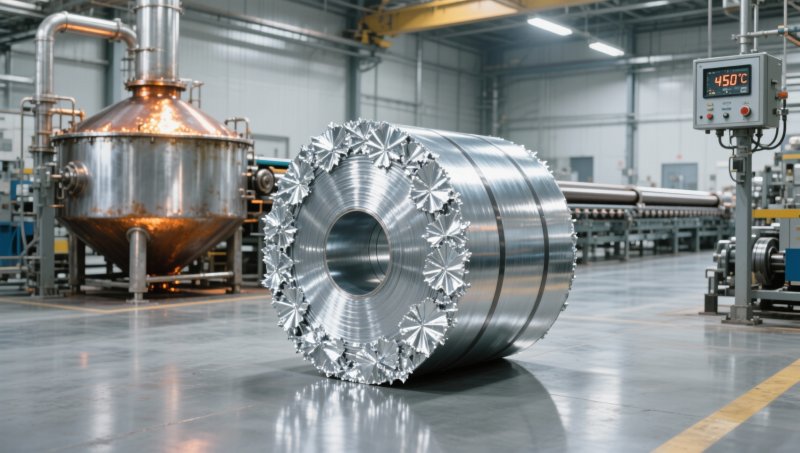
Zinc accounts for 35–45% of total hot-dip galvanizing cost per ton—making it the single largest variable input. In early 2026, LME zinc prices spiked to $3,280/MT (up 22% YoY), driven by supply shortfalls from major producers in Peru and Kazakhstan, coupled with rising demand from EV battery casings and solar infrastructure projects.
Unlike steel coil, zinc has no meaningful substitute in hot-dip galvanizing. Its purity requirement (99.995% Zn) limits recycling flexibility, and inventory buffers are typically held at just 4–6 weeks globally. That narrow window amplifies price sensitivity: a $200/MT swing in zinc translates directly to ~$18–$22/ton in finished hot galvanized steel cost—before labor, energy, or logistics.
Procurement teams sourcing from China must factor in domestic zinc availability too. While China produces ~45% of global zinc, its domestic smelting capacity faces tighter environmental compliance enforcement—reducing effective output by an estimated 5–7% in Q1 2026. This regional constraint means even globally indexed contracts may carry localized premiums.
How to Mitigate Zinc-Driven Risk
- Negotiate zinc pass-through clauses with 30-day lag windows—not monthly resets—to smooth volatility;
- Lock in fixed-price agreements for orders exceeding 500 MT, backed by pre-allocated zinc inventory at supplier facilities;
- Request mill test reports showing actual zinc bath composition (Zn ≥ 99.995%, Pb ≤ 0.003%, Cd ≤ 0.002%) to verify coating integrity and avoid rework penalties.
The Hidden Cost of Galvanizing: Energy, Labor & Process Control
Galvanizing isn’t just dipping steel—it’s a tightly controlled thermal process requiring precise temperature management (445–465°C), bath chemistry maintenance, and post-treatment cooling cycles. Energy alone consumes 120–160 kWh per ton of finished product, with natural gas and electricity contributing 28–33% of total conversion cost.
In 2026, China’s Tier-1 industrial electricity rates rose 11% YoY, while natural gas import parity increased 19% due to LNG contract repricing. Crucially, many Chinese mills still rely on coal-fired steam boilers for preheating—adding carbon compliance overhead that now averages ¥85–¥120/ton under China’s national ETS scheme.
Labor-intensive quality checks—including visual inspection, coating thickness measurement (per ASTM A123), and adhesion testing—add another 6–9% to landed cost. At Hongteng Fengda, automated optical thickness scanners and AI-powered surface defect detection cut inspection time by 40%, reducing labor dependency without compromising EN ISO 1461 compliance.
This table reflects why process maturity matters beyond unit cost. Buyers who prioritize certified repeatability—rather than lowest bid—avoid costly field re-galvanizing, customs hold-ups, or rejection during third-party QA audits.
Base Steel Availability: When “Hot Rolled Coil” Isn’t Just a Commodity
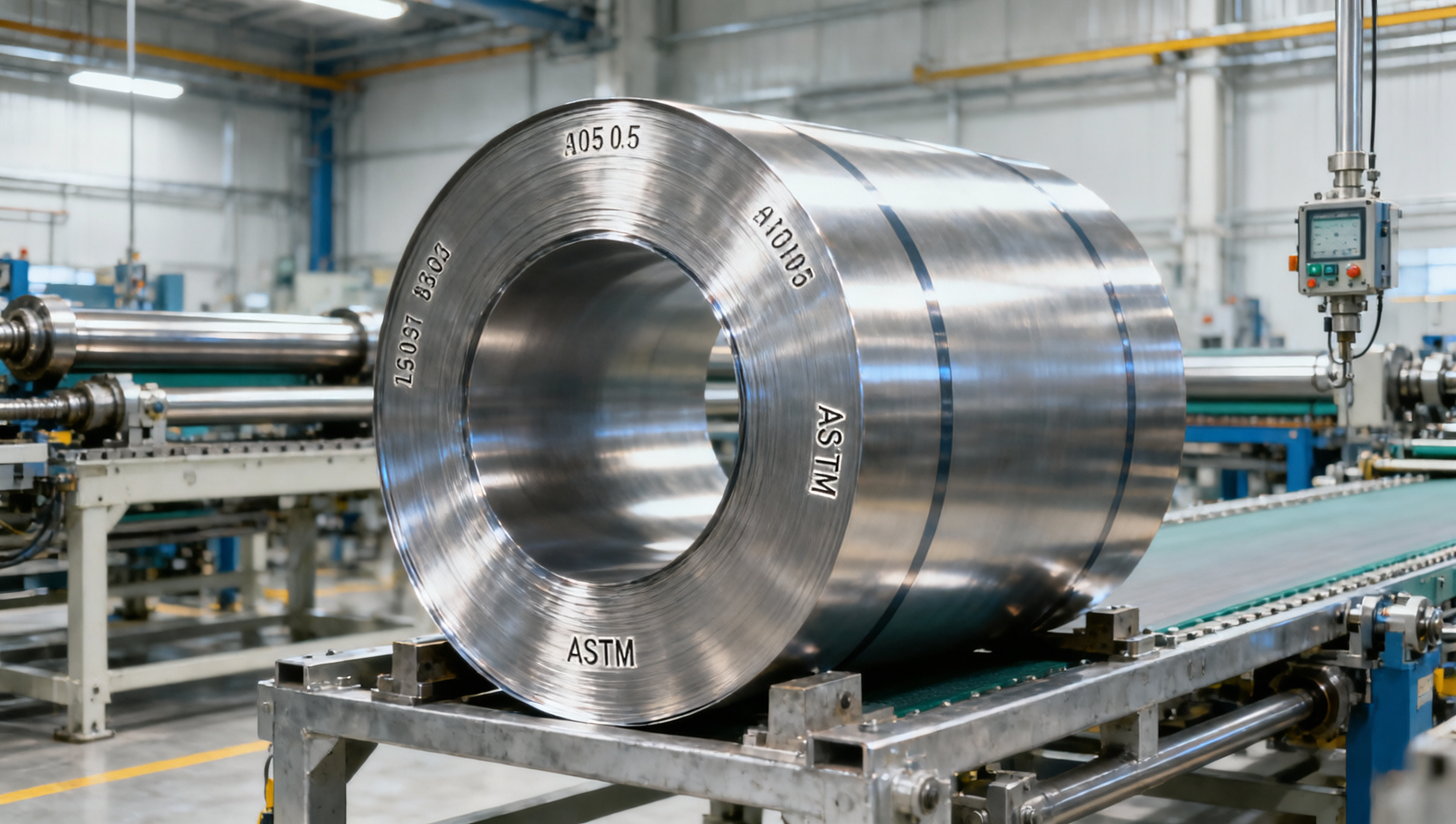
Hot rolled steel coil (HRSC) is the foundational input—and often the most mispriced element in galvanized quotes. While HRSC appears standardized, 2026 reveals critical differentials: Q235B coil with guaranteed tensile strength ≥370 MPa commands a 4–6% premium over standard Q235 due to stricter melt control and traceability requirements.
Supply tightness is asymmetric. Domestic Chinese HRSC production grew only 2.3% YoY in Q1 2026, while export demand surged 18%—driven by infrastructure stimulus in Southeast Asia and reconstruction programs in the Middle East. The result? Lead times for HRSC-based galvanized sections stretched from 3–4 weeks to 6–8 weeks at non-integrated mills.
That’s where vertical integration delivers tangible leverage. As a full-cycle structural steel manufacturer, Hongteng Fengda maintains strategic HRSC inventory across three grades—including Mild Steel Wire Rod (Q195/Q235), which serves as feedstock for cold-formed profiles and wire mesh applications demanding ductility and consistent zinc adhesion (coating thickness: 8–25 g/m², tensile strength: 350–550 MPa).
Procurement Checklist: Evaluating Base Steel Reliability
- Verify mill source—integrated mills (like Baosteel or HBIS) offer better consistency than mini-mills for structural-grade coil;
- Require batch-specific mill test reports (MTRs) showing chemical composition, mechanical properties, and surface quality per GB/T 700;
- Confirm coil width tolerance (±2 mm) and flatness (≤3 mm deviation over 2m)—critical for downstream roll-forming accuracy.
Why Partnering with a Certified Structural Steel Exporter Reduces Total Cost
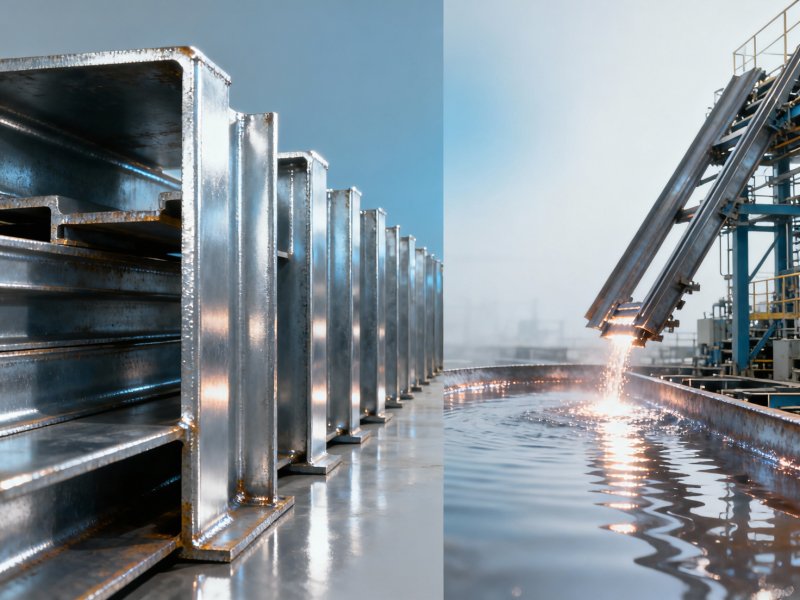
Price per ton is only one dimension. Total landed cost includes inspection delays, rework, demurrage, certification gaps, and project schedule slippage. Hongteng Fengda’s integrated model—spanning HRSC procurement, precision rolling, ASTM/EN-compliant galvanizing, and export documentation—delivers measurable advantages:
- Consistent lead times: 4–6 weeks for custom galvanized beams vs. industry average of 8–12 weeks;
- Zero non-conformance rate on 2025 EN ISO 1461 audits across 14 export shipments;
- End-to-end traceability: Each coil batch carries QR-coded MTRs accessible via Hongteng Fengda’s client portal.
For procurement, finance, and project leaders evaluating suppliers, ask for evidence—not claims. Request sample MTRs, zinc bath analysis logs, and recent third-party audit summaries before finalizing terms. And if your next order involves wire rod–based components like fencing, hangers, or filter baskets, explore how our Mild Steel Wire Rod supports both cost efficiency and performance reliability across construction, breeding, and industrial isolation applications.
Next Steps for Your 2026 Sourcing Strategy
Contact Hongteng Fengda to request:
- A customized cost breakdown for your specific hot galvanized steel specification (grade, dimensions, coating weight, quantity);
- Sample zinc bath analysis report and EN ISO 1461 test certificate;
- Lead time confirmation for your target delivery window—including bonded warehouse options in Dubai or Rotterdam.
Related recommendations
") Stainless Steel Tube Coil vs. Straight Tube: Total Cost of Ownership in HVAC Retrofit Projects (Installation Labor, Leak Points, Space Savings)Stainless steel tube coil cuts HVAC retrofit TCO by slashing labor, leaks & space needs—discover how coil outperforms straight tube in real-world retrofits.
Stainless Steel Tube Coil vs. Straight Tube: Total Cost of Ownership in HVAC Retrofit Projects (Installation Labor, Leak Points, Space Savings)Stainless steel tube coil cuts HVAC retrofit TCO by slashing labor, leaks & space needs—discover how coil outperforms straight tube in real-world retrofits. Steel Coils Suppliers vs. Direct Mills: Lead Time, MOQ, and Custom Slitting Flexibility Compared for Mid-Volume BuyersSteel coils suppliers offer faster lead times, lower MOQs (5–10 tons), and precision custom slitting—ideal for mid-volume structural fabricators seeking agility, quality, and cost control.
 How to Vet Stainless Steel Coil Suppliers: 7 Due-Diligence Checks for Quality, Traceability, and ISO ComplianceStainless steel coil suppliers vetted right mean zero surprises on site. Discover 7 field-tested due-diligence checks for quality, full traceability & real ISO compliance.
 Stainless Coil Pipe vs. Seamless Pipe: When to Choose Welded Coiled Tubing for High-Pressure Fluid SystemsStainless coil pipe delivers unmatched efficiency for high-pressure fluid systems—superior continuity, faster installation, and proven weld integrity vs. seamless.
Please give us a message


Please enter what you want to find