Selecting the right steel rebar for industrial projects is critical for structural integrity and cost efficiency. As a leading steel rebar supplier in the Middle East and Europe, Hongteng Fengda provides high-strength steel bars that meet international standards like ASTM and EN. Our expertise in custom steel profiles ensures optimal solutions for warehouse construction, bridge projects, and industrial applications. Discover best practices for material selection, quality control, and project-specific requirements to maximize performance and safety.
Key Selection Criteria for Industrial Steel Rebar
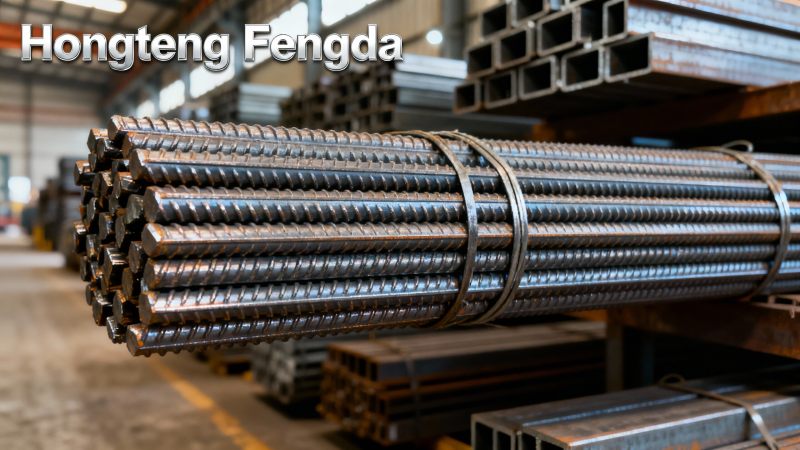
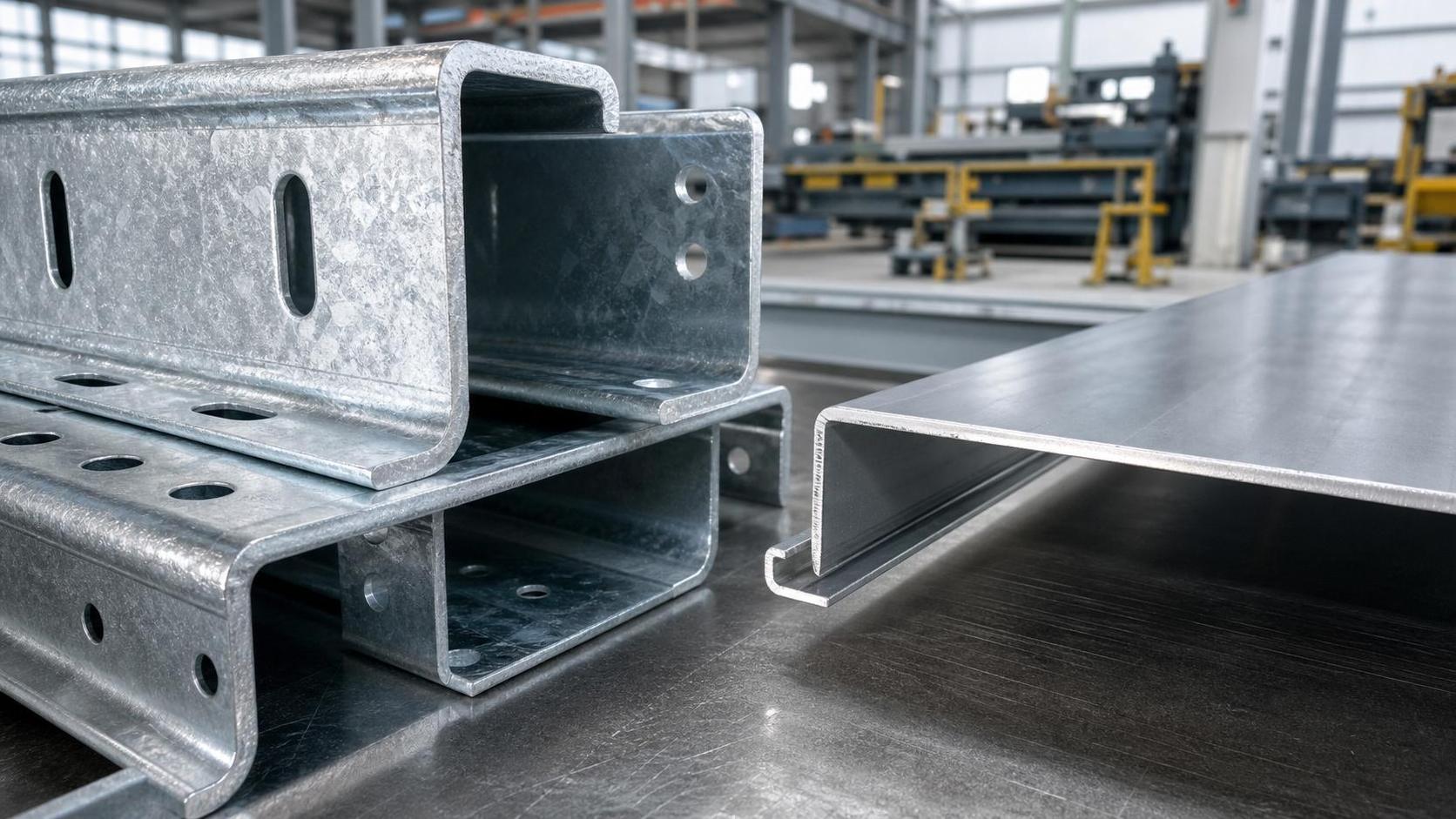
When sourcing steel rebar for industrial projects, engineers and procurement specialists must evaluate multiple technical parameters. The material grade directly impacts tensile strength and yield strength - critical factors for load-bearing structures. For projects in corrosive environments like coastal areas or chemical plants, stainless steel variants (304/316) or hot-dip galvanized options provide essential protection. Hongteng Fengda's Channel In Steel exemplifies this versatility, available in material grades from Q195 to Q345B with corrosion-resistant coatings.
Dimensional tolerances (±0.02mm thickness, ±2mm height) ensure precise fitment in complex structural assemblies. Project managers should verify compliance with regional standards - whether ASTM for North America, EN for Europe, or JIS for Asian markets. Our manufacturing process incorporates ultrasonic testing and chemical composition analysis to guarantee consistency across batches, particularly important for high strength steel bar applications in seismic zones or heavy industrial facilities.
Material Specifications Comparison
Application-Specific Best Practices
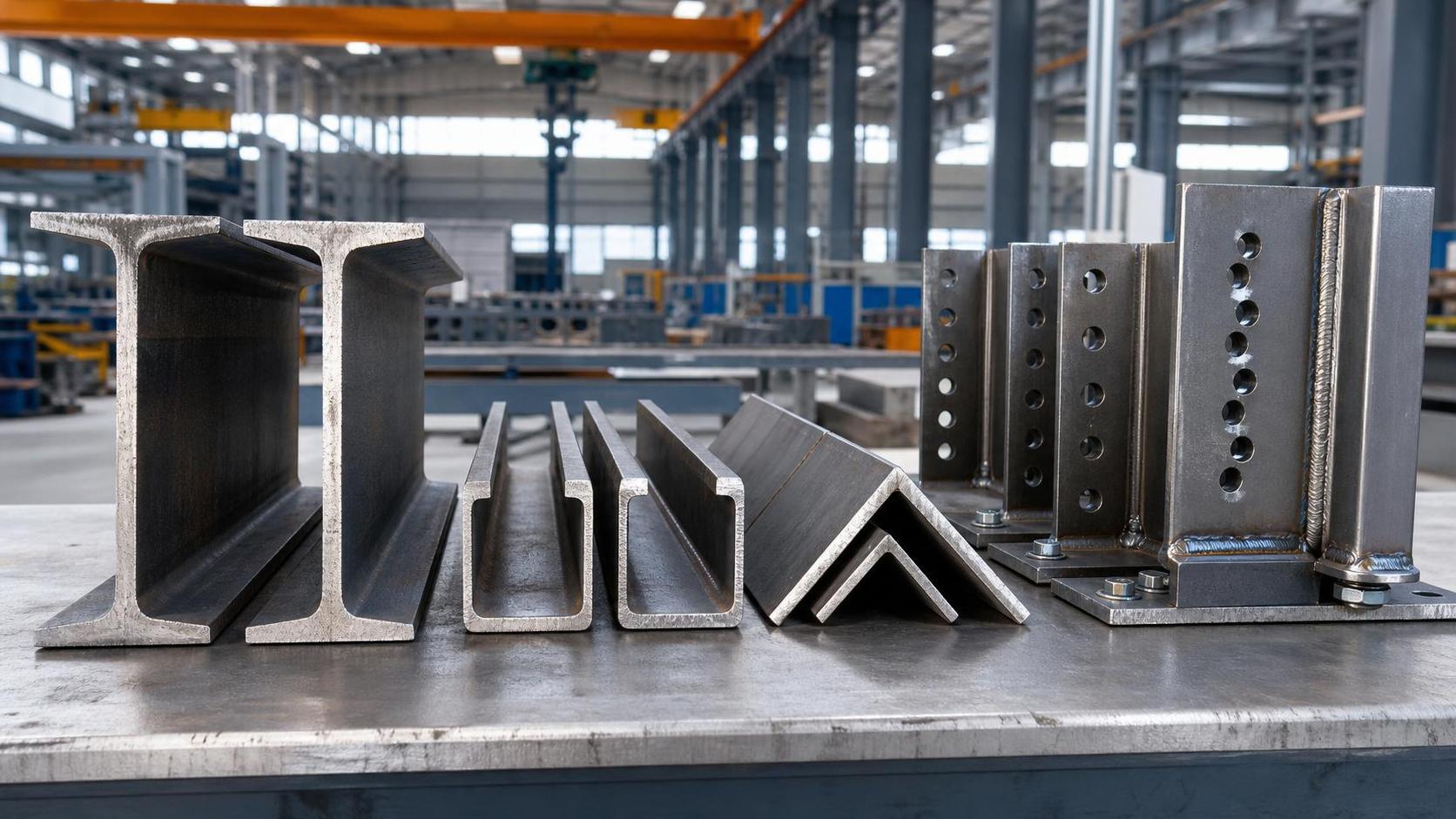
Different industrial sectors demand tailored approaches to steel rebar implementation. In warehouse construction, the combination of carbon steel beams and U channel steel creates cost-effective frameworks for wide-span roofs. Our clients in the Middle East particularly value the 80-160mm height range for purlin systems that withstand extreme thermal cycling.
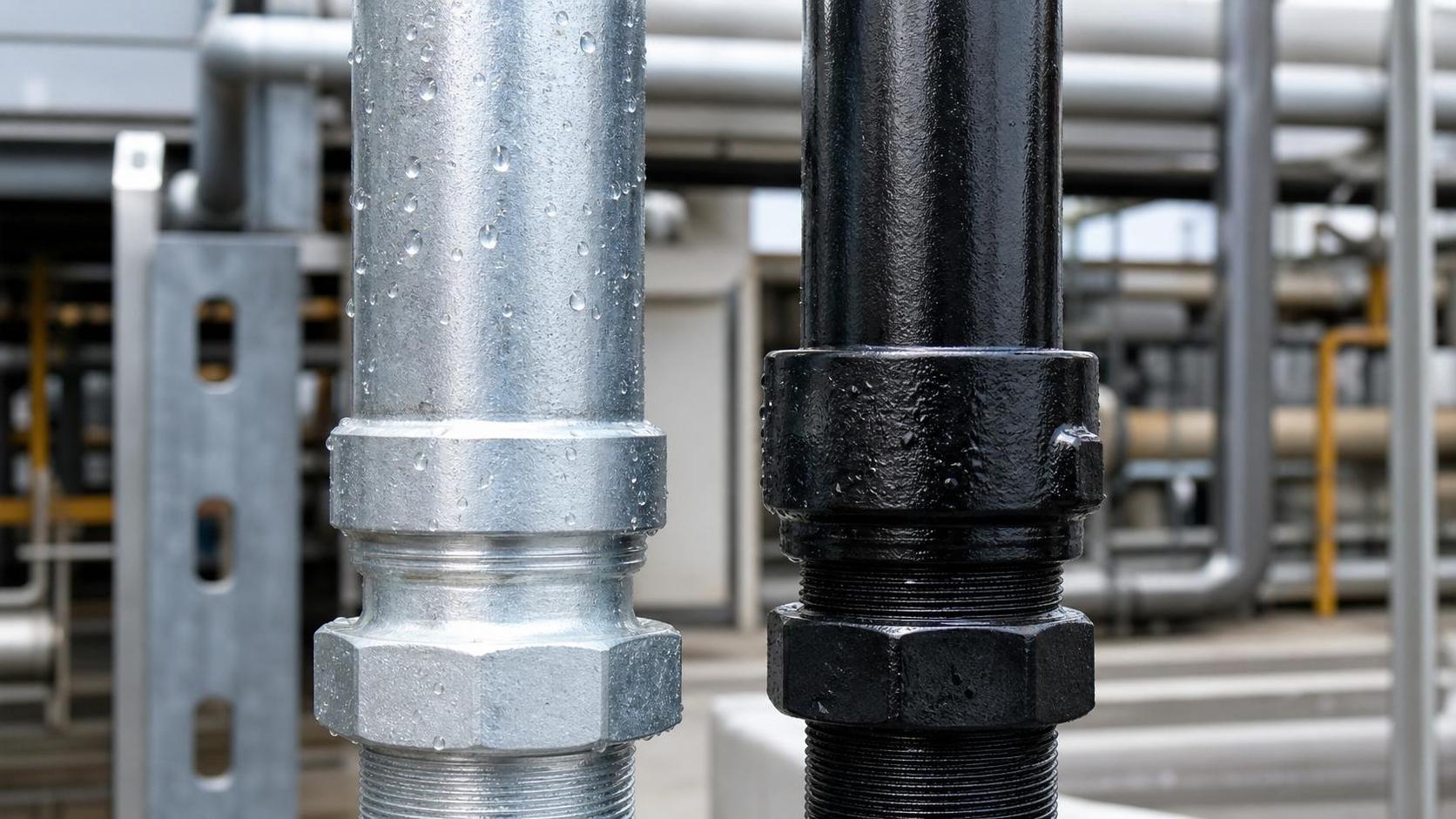
For bridge projects, the selection process must account for dynamic loads and vibration resistance. High strength steel bar with enhanced weldability (achieved through controlled carbon content) prevents stress fractures at connection points. Oil and gas installations require carbon steel pipe with supplementary protective coatings when transporting corrosive media - a solution paralleled in our hot-blown galvanized channel products.
Project Lifecycle Considerations
- Design Phase: Consult manufacturers early about available stock sizes (6-12m standard lengths) to minimize cutting waste
- Procurement: Leverage bulk purchasing for steel sheet price list advantages while maintaining quality control protocols
- Installation: Utilize pre-fabricated custom steel profile components to reduce on-site labor hours
- Maintenance: Specify appropriate surface treatments (galvanization, painting) based on environmental exposure
Quality Assurance and Compliance
International certification marks (CE, ISO, SGS) provide tangible evidence of manufacturing rigor. As a steel rebar supplier in Middle East and European markets, we implement multi-stage inspection protocols:
- Raw material spectrometry to verify alloy composition
- Dimensional checks using laser measurement systems
- Mechanical testing of sample batches (hardness, bend tests)
- Coating thickness verification for galvanized products
- Final visual inspection before shipment
This systematic approach ensures that every shipment of steel pile for bridge construction or channel sections meets the promised specifications. Our UL and NEMA certifications particularly resonate with North American clients requiring documented traceability.
Global Supply Chain Advantages
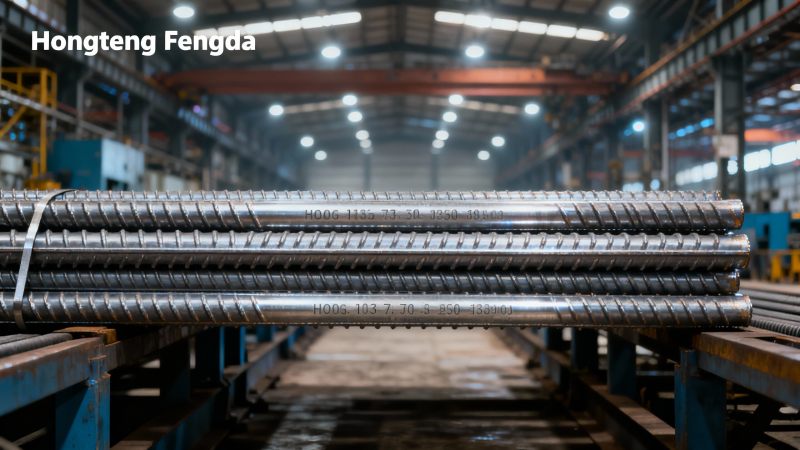
Strategic inventory management separates reliable steel channel exporters in Europe and beyond from marginal suppliers. Hongteng Fengda maintains regional stockpiles of high-demand items like carbon steel beams for construction, enabling 30% faster delivery than industry averages. For specialized requirements, our flexible production lines accommodate custom steel profile manufacturing with lead times as short as 15 working days.
The economic benefits extend beyond initial steel sheet price list comparisons. Bulk sea freight optimization, combined with our extensive export documentation experience, reduces landed costs for international buyers. Project managers appreciate our capability to handle complex logistics for sensitive materials like high strength steel bar destined for critical infrastructure projects.
Conclusion and Next Steps
Optimal steel rebar selection balances technical requirements, budget constraints, and project timelines. From warehouse construction to industrial plant development, material decisions directly impact structural longevity and safety performance. Hongteng Fengda's dual capabilities as both a mass producer and custom steel profile manufacturer provide unique value for global clients.
Contact our engineering team today to discuss your specific requirements for steel rebar in industrial projects. With certifications spanning ASTM, EN, JIS, and GB/T standards, plus a proven track record across four continents, we deliver not just products but comprehensive structural solutions. Request your customized quotation or technical consultation now to leverage our expertise in high-performance steel applications.
- channel in steel
- channel steel
- carbon steel beams
- carbon steel pipe
- Industrial Steel
- steel pipe
- hot-dip galvanized
- steel beams
- steel profiles
- U channel steel
- Steel Beams
- U Channel Steel
- Profile
- Rebar
- Galvanized
- Steel Beam
- Steel Channel
- carbon steel
- steel sheet
- steel rebar
- steel profile
- steel pile
- steel bar
- steel rebar for industrial projects
- steel sheet price list
- carbon steel beams for construction
- high strength steel bar
- steel pile for bridge construction
- custom steel profile manufacturer
- steel rebar supplier in Middle East
Related recommendations
 How to Select a Steel Profile Based on Load, Span, and Fabrication NeedsProfile selection starts with load, span, and fabrication needs. Learn how to compare steel sections for strength, cost, workability, and sourcing efficiency.
 Galvanized Pipe vs Black Pipe: Which One Fits Water, Gas, or Outdoor Lines?Galvanized pipe or black pipe? Compare the best choice for water, gas, and outdoor lines, with key insights on corrosion, codes, cost, and long-term performance.
 How to Choose Steel Roofing for Warehouses, Farms, and Residential BuildingsSteel Roofing selection depends on building type. Learn how warehouses, farms, and homes differ in corrosion, insulation, drainage, and cost for smarter roofing decisions.
 Hot-Dip Galvanized vs Pre-Galvanized Steel: Which Should You Specify?Hot-dip galvanized vs pre-galvanized steel: compare corrosion resistance, fabrication impact, cost, and standards to specify the right steel solution for durable, compliant projects.
Please give us a message


Please enter what you want to find