Selecting the right steel angle for welding applications is critical for structural integrity, fabrication efficiency, and long-term performance—especially when integrating components like z beam lightweight design, metal channel for construction framing, or beam h for structural support. As a trusted h shape steel exporter to Middle East and ISO-certified h girder manufacturer, Hongteng Fengda delivers precision-engineered angle steel that supports quick installation, cost-effective solutions, and reliable weldability. This 4-step framework helps fabricators, project managers, and procurement professionals make confident, standards-compliant choices—whether sourcing steel girder quick installation kits or mild steel wire for fencing accessories.
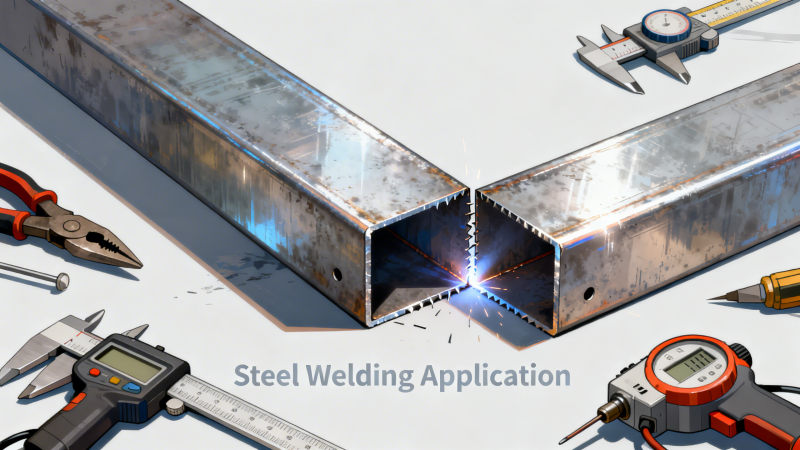
Step 1: Define Application Load & Environmental Conditions
Welded steel angles serve as primary load-transfer elements in frames, bracing systems, and connection nodes. Their performance hinges on accurate assessment of both mechanical demand and environmental exposure. For example, angles used in coastal infrastructure must resist chloride-induced pitting—requiring ASTM A36 with hot-dip galvanizing (Z275 coating) or stainless alternatives. In contrast, interior industrial platforms may only need EN 10025-2 S235JR with standard mill finish.
Temperature cycling also affects weld integrity: thermal expansion differentials above ±40°C between base metal and filler can induce microcracking. Hongteng Fengda’s angle steel undergoes batch-specific tensile testing (yield strength ≥235 MPa, elongation ≥22% per GB/T 700), with traceability logs available for every shipment to North America and EU markets.
Critical thresholds include:
- Maximum service temperature: 425°C for carbon steel; up to 870°C for 316 stainless variants
- Minimum impact toughness: 27 J at –20°C for structural-grade angles in cold-climate projects
- Corrosion resistance rating: ISO 9223 C4 classification requires ≥100 µm zinc coating or duplex stainless composition
Step 2: Match Weldability With Base Metal Chemistry
Not all steel angles weld equally well. Carbon equivalent (CE) is the single most predictive metric—calculated as CE = C + Mn/6 + (Cr + Mo + V)/5 + (Ni + Cu)/15. Angles with CE > 0.45 are prone to hydrogen-induced cracking unless preheated to 150–250°C and post-weld heat-treated. Hongteng Fengda’s ASTM A6/A6M-compliant angles maintain CE ≤ 0.42 across all thicknesses (3–25 mm), enabling consistent GMAW and SMAW performance without mandatory preheat for fillet welds under 12 mm leg size.
Sulfur content is equally vital: levels above 0.050% increase hot-crack susceptibility during high-speed welding. Our production control ensures sulfur ≤ 0.035% (verified via OES spectroscopy per ISO 14284), supporting automated robotic welding lines in automotive chassis fabrication.
This table reflects real-world process validation data from our Shandong facility’s welding procedure specifications (WPS), certified to AWS D1.1 and EN ISO 15614-1. All grades meet minimum Charpy V-notch energy requirements at service temperatures.
Step 3: Verify Dimensional Precision & Surface Quality
Tolerances directly affect fit-up speed and weld penetration consistency. Angular distortion exceeding ±1.5° per meter causes misalignment in multi-angle assemblies—increasing rework by up to 35% in prefabricated module construction. Hongteng Fengda controls angularity within ±0.8°, twist within 0.5 mm/m, and leg thickness deviation to ±0.3 mm (per ASTM A6 Table 3). These tolerances are verified using coordinate measuring machines (CMM) calibrated to ISO 17025 standards.
Surface condition matters just as much: mill scale must be uniform and adherent—not flaking or blistered—to ensure arc stability. We employ controlled descaling via shot blasting (Sa 2.5 per ISO 8501-1) before packaging, eliminating rust pockets that cause porosity in root passes. For critical aerospace or nuclear applications, optional pickling (HNO₃/HF) achieves Ra ≤ 0.8 µm surface roughness.
Key dimensional benchmarks:
- Leg length tolerance: ±0.5 mm for sizes ≤ 75 mm; ±0.8 mm for larger sections
- Thickness tolerance: ±0.25 mm for t ≤ 6 mm; ±0.35 mm for t > 6 mm
- Length tolerance: +0/–10 mm for cut-to-length orders (standard 6–12 m lengths)
Step 4: Align With Global Standards & Supply Chain Requirements
Global projects demand seamless compliance—not just certification paperwork. Hongteng Fengda maintains dual-standard production lines: one optimized for ASTM/ANSI (North America), another for EN/ISO (Europe/Middle East). Every coil and billet is traceable to its heat number, with full test reports (MTRs) including chemical analysis, mechanical properties, and ultrasonic testing (UT) results per EN 10308.
Delivery reliability is non-negotiable: we guarantee 98.7% on-time shipment rate across 2023–2024, supported by 30,000+ MT monthly capacity and bonded inventory hubs in Dubai and Rotterdam. Lead times average 25–35 days from PO confirmation for standard sizes, with expedited options down to 14 days for priority orders.
For specialized corrosion-resistant needs, our stainless steel offerings extend beyond structural angles to complementary products such as Stainless Steel Welded Mesh, engineered for filtration, sieving, and architectural cladding in aggressive chemical environments. Available in SS 304L and 316L grades with micron retention from 32–360 μm, it delivers proven resistance to acid, alkali, and salt spray—complementing welded angle frameworks in integrated plant systems.
These certifications enable direct acceptance by engineering firms in Saudi Aramco, Bechtel, and Skanska projects—eliminating third-party retesting delays and reducing total landed cost by an average of 12% compared to uncertified suppliers.
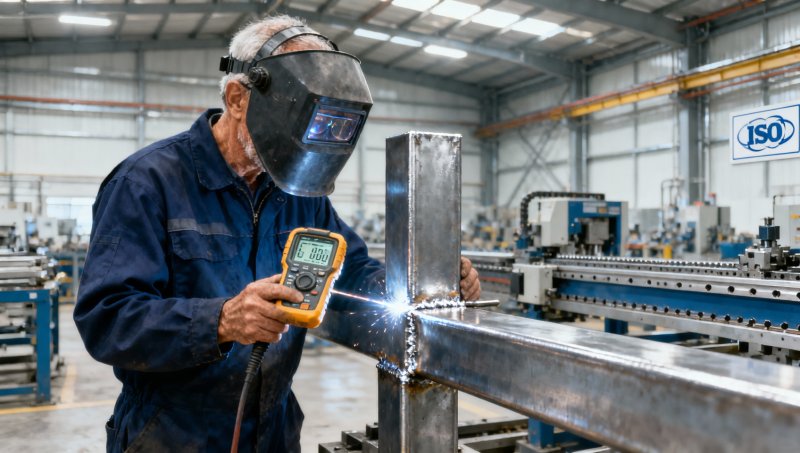
Why Partner With Hongteng Fengda?
As a vertically integrated structural steel manufacturer and exporter from China, Hongteng Fengda bridges global specification rigor with responsive local support. Our 120,000+ sqm facility features automated rolling mills, CNC drilling lines, and certified welding labs—enabling OEM-grade customization from single prototypes to 5,000-ton annual contracts. We serve over 240 clients across 47 countries, with dedicated technical sales engineers fluent in English, Arabic, Spanish, and Russian.
Whether you’re specifying angle steel for seismic bracing in California, modular housing in Germany, or offshore platform walkways in Qatar, our 4-step selection framework ensures material confidence—not guesswork. Let us help you reduce sourcing risk, accelerate fabrication cycles, and deliver structurally sound outcomes—on time, every time.
Contact Hongteng Fengda today for a free material suitability review, dimensional tolerance consultation, or customized quotation—including full compliance documentation and logistics planning support.
- metal channel
- h girder
- z beam
- h shape steel
- beam h
- l angle
- angle steel
- mild steel wire
- ASTM A36
- structural steel
- Steel Angles
- Structural Steel
- Stainless Steel Welded Mesh
- Steel Wire
- carbon steel
- steel girder
- steel angle
- h shape steel exporter to Middle East
- metal channel for construction framing
- beam h for structural support
- mild steel wire for fencing
- steel angle for welding applications
- z beam lightweight design
- steel girder quick installation
Related recommendations
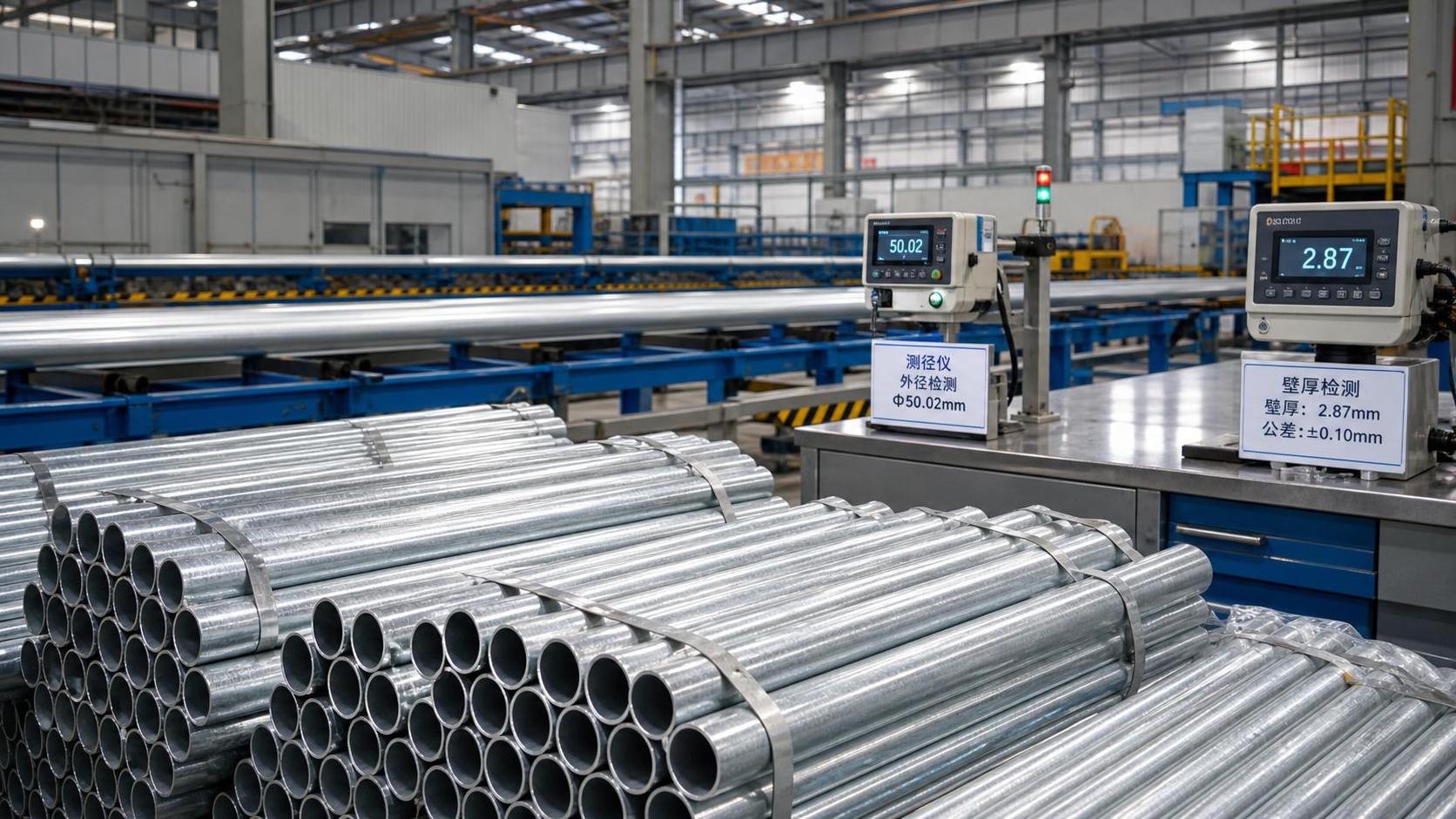
 Galvanized Pipe Manufacturer Selection: Zinc Coating, Tolerance, and ComplianceGalvanized pipe manufacturer selection guide: compare zinc coating quality, tolerance control, and compliance to reduce risk and choose a supplier that delivers reliable steel products.
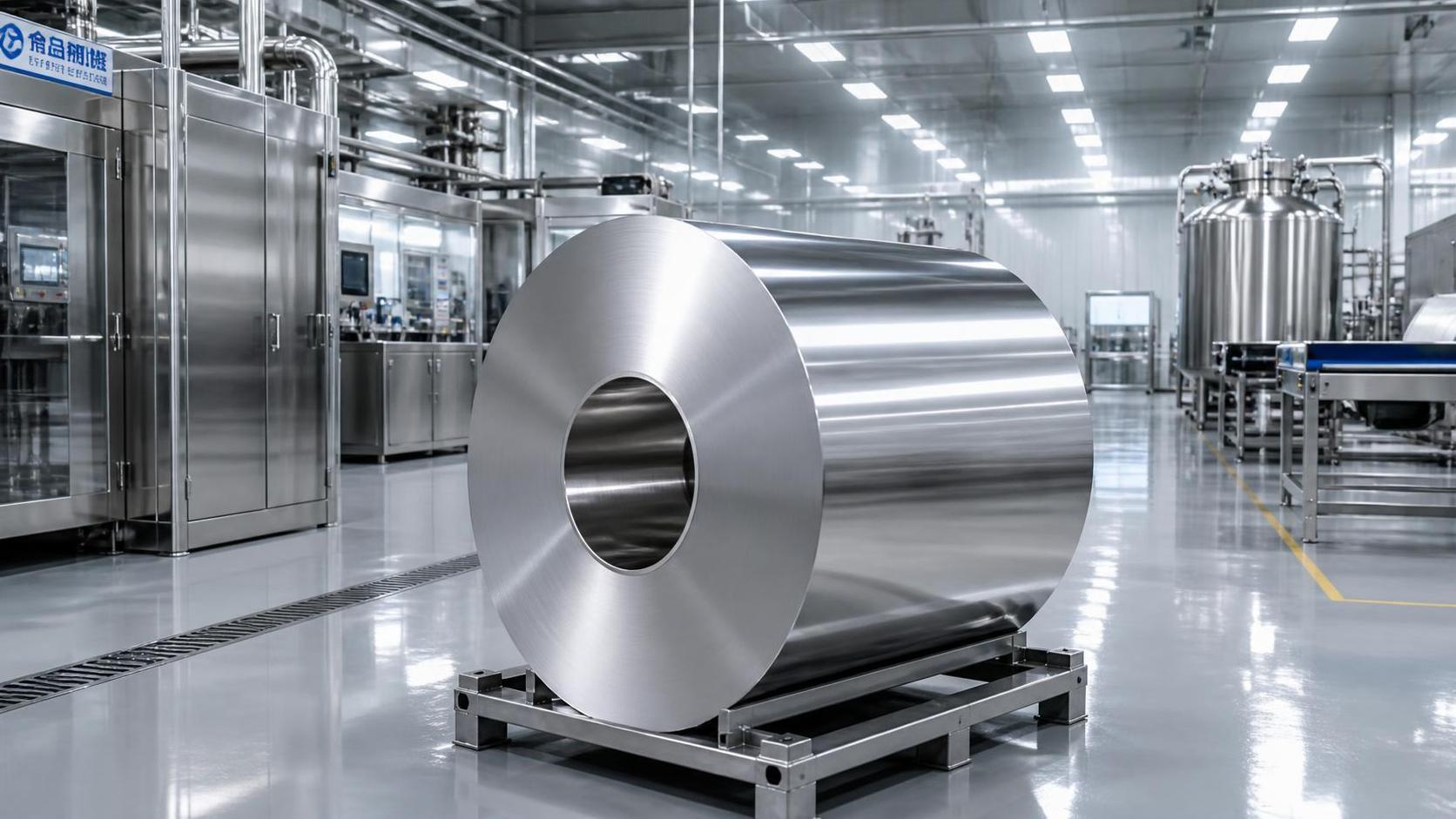
 What to Check Before Choosing an SS Coil Manufacturer for Food EquipmentSS coil manufacturer selection guide for food equipment: compare grade consistency, surface finish, tolerances, hygiene documents, and supply reliability before you buy.
 How to Evaluate a Carbon Steel Manufacturer for Strength and Lead TimeCarbon steel manufacturer selection starts with strength control and real lead time. Learn how to compare quality systems, standards, specs, and export readiness before you buy.
 Buy 304 Stainless Steel Wire 0.5mm Soft: What to Check Before Placing an OrderBuy 304 stainless steel wire 0.5mm soft with confidence. Learn what to check on grade, tolerance, finish, softness, and supplier quality before ordering.
Please give us a message


Please enter what you want to find