Choosing the right SS metal sheet is crucial for ensuring strength, durability, and cost efficiency in industrial projects. In 2024, with a wide range of stainless steel metal plates, plate SS options, and steel square plates available, selecting materials that meet international standards is key for long-term performance. Hongteng Fengda, a trusted structural steel manufacturer and exporter from China, provides stainless metal plates, stainless square plates, stainless L channels, and steel tube coils designed for diverse construction and manufacturing needs.
Understanding the Role of SS Metal Sheet in Industrial Applications
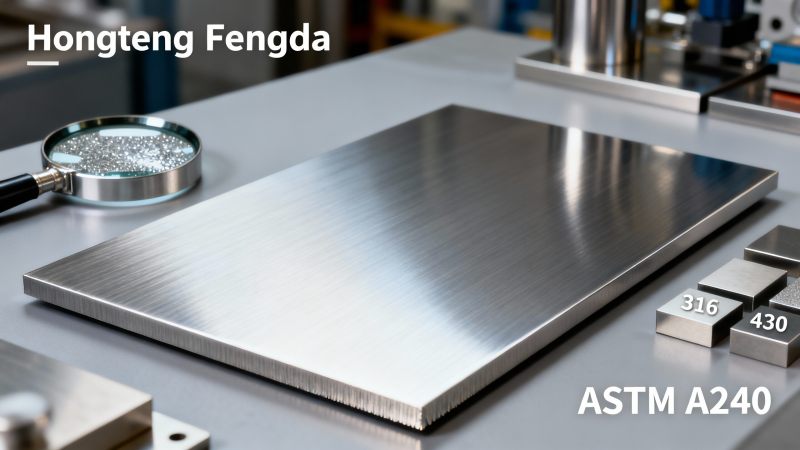
SS metal sheet, short for stainless steel metal sheet, has become a foundational material across various industrial sectors, from construction and automotive to energy and electronics. Its strength, corrosion resistance, and formability make it indispensable where both structural integrity and visual appeal matter. In 2024, technological advancements and sustainability trends continue to influence the specifications of stainless steel metal plates and plate SS products. For manufacturers and project engineers, understanding composition, grade, and surface finish is essential to ensuring performance consistency.
Stainless steel grades such as 304, 316, and 430 differ in chromium and nickel content, impacting corrosion resistance and machinability. When comparing a standard plate SS with an advanced stainless metal plate, decision-makers should evaluate their resistance to temperature extremes, tensile strength, and weldability. For construction purposes, particularly in high-humidity zones, stainless square plate and sst plate materials perform better over time compared to mild steel, maintaining structural integrity with lower maintenance costs.
Another consideration is forming performance. Fabricators prefer sheets that allow deep drawing and shaping without cracking. As such, when choosing the right ss metal sheet, attention must be given to both hardness levels and ductility. In automotive manufacturing and metal casing production, stainless L channel and steel tube coil solutions are used alongside stainless metal plate assemblies to enhance rigidity and support intensive operations across production cycles.
Key Factors to Consider When Selecting Plate SS Materials
Selecting appropriate stainless steel metal plates requires an understanding of factors such as mechanical properties, surface finish options, and environmental influences. Material selection directly affects product life span and project efficiency. Engineers should analyze specifications like sheet thickness, tensile strength, and thermal conductivity. For high-pressure or structural applications involving movement or vibration, a higher-grade sst plate ensures stability and reduces fatigue over time.
Surface treatment is another primary aspect to evaluate. Choosing between a polished, wire-drawing, or laminated finish will determine corrosion protection and aesthetic value. For example, a smooth stainless square plate often suits indoor machinery, while a laminated variety is better suited to outdoor exposure. In architectural applications, stainless L channels are frequently specified where both decoration and structural function are integrated, guaranteeing uniform performance and visual coherence.
Supply reliability also matters. Working with dependable exporters like Hongteng Fengda, which adhere to ASTM, EN, and JIS standards, guarantees consistency across orders, a key factor in maintaining predictable assembly lines. The company’s facility ensures product traceability and stable delivery timelines, helping industrial buyers simplify procurement while minimizing performance risk. Unlike generic options, stainless steel metal plates supplied under strict manufacturing protocols exhibit uniform grain distribution and predictable mechanical responses, optimizing downstream fabrication processes.
Comparing Specifications: From Steel Square Plates to Coil and Wire Products
When comparing various forms of SS metal sheet products, understanding their core parameters is crucial. The following table outlines the relationship between common forms of plate SS and related products such as steel tube coil and construction wire:
Among these, stainless metal plate options remain dominant in global industrial sourcing. Nevertheless, selecting the right variant depends on intended use. For example, in automotive or electronic enclosures, thinner plates provide flexibility and lighter weight, whereas in heavy machinery, thick-gauge plate SS offers additional rigidity. The selection of width and thickness—ranging from 100mm to 3000mm and thickness from 0.1mm to 400mm—comes into play especially when tailoring solutions for niche engineering requirements. One such advanced product is the High Carbon Steel Plate , known for its high tensile strength, deep drawing performance, and resistance to deformation. Its model variants like SPCC and SPCE provide excellent hardness (Heat Treatment Code HRBS HV10) and smooth surface finishes, suiting applications such as automobile chassis, car interiors, and roof structures.
Industrial Standards, Material Grades, and Compliance in 2024
Compliance with international standards ensures safety, reliability, and long-term value in industrial projects. In 2024, global buyers continue to emphasize certifications like ASTM, AISI, and ISO. Understanding grade codes and standardized tolerances helps ensure that each ss metal sheet meets its intended structural performance benchmarks. For instance, manufacturers exporting stainless steel metal plates to the European market must comply with EN chemical composition limits, while products destined for Japan are often required to meet JIS G4305 standards.
Material traceability and quality certification also play a central role in minimizing sourcing risks. Hongteng Fengda leverages advanced cold forming and testing equipment to ensure that each stainless metal plate and sst plate batch delivers consistent hardness and precision. Moreover, customized OEM production allows integration of features such as wire drawing finishes and anti-corrosion coatings according to project requirements. This adaptability supports project managers and procurement leaders in achieving design accuracy and minimizing fabrication waste.
With the growing emphasis on sustainability, stainless square plate and plate SS suppliers increasingly adopt green manufacturing practices, including recycling scrap alloy, energy recovery processes, and water-based cooling systems. These eco-friendly initiatives align with global construction and industrial procurement objectives, providing stakeholders additional confidence that environmental responsibility is embedded in their supply chains.
Future Trends and Technological Innovations in Stainless Steel Products
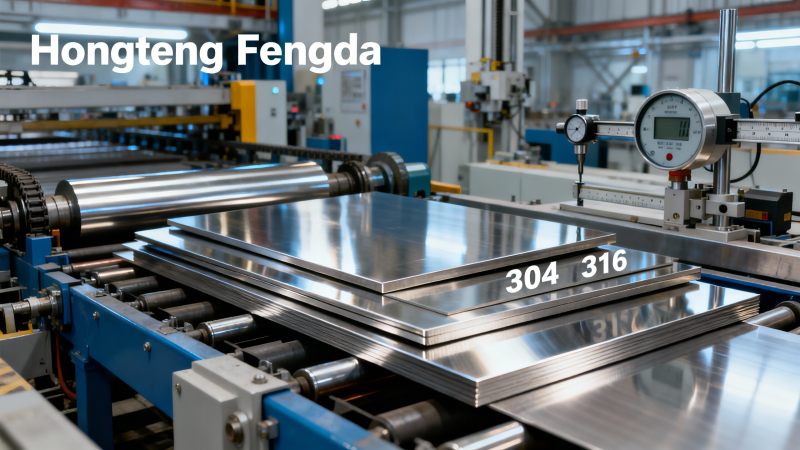
The stainless steel sector in 2024 is seeing strong growth driven by innovations in material science and automation. AI-based thickness inspection systems and digital twin modeling now allow mills to produce stainless L channel and steel tube coil components with unprecedented precision. As industrial automation expands, suppliers integrate these capabilities to shorten delivery lead times while maintaining strict metallurgical quality control. The High Carbon Steel Plate exemplifies this evolution, benefiting from adjustable carbon content control and superior grain adjustment for enhanced formability and uniform appearance.
In addition, hybrid alloys combining chromium, molybdenum, and niobium are pushing stainless metal plate performance further—improving both creep resistance and elongation under stress. This means that major industries, including petrochemical plants and high-speed rail structures, can now rely on stronger, thinner, and more efficient materials. For distributors and OEMs, stocking stainless steel metal plates made under these modern processes translates into expanded opportunity and higher customer satisfaction, particularly in sectors where lightweight properties meet durability demands.
Automation is equally contributing to quality inspection. Laser measurement and ultrasonic defect analysis are now standard across suppliers who serve the global market. For buyers, this ensures that every plate SS or steel square plate order meets consistent mechanical and dimensional standards, reducing rework and improving project profitability. The rise of integrated digital supply chains also allows real-time tracking of shipments, ensuring transparency and timely coordination for global construction and industrial partners.
Conclusion: Making the Right Choice for Your 2024 Projects
In an evolving industrial landscape, choosing the right ss metal sheet and stainless steel metal plates is not merely about selecting a material—it is about ensuring performance, reliability, and cost-effectiveness across the project timeline. Factors such as corrosion resistance, mechanical strength, surface finish, and international compliance all influence decision-making. Reputable exporters like Hongteng Fengda provide a full range of solutions, from stainless square plate, stainless L channel, to steel tube coil products, ensuring global buyers receive materials that meet customized technical and aesthetic demands.
As a professional structural steel manufacturer, Hongteng Fengda delivers consistent quality through rigorous production management, certified processes, and responsive service. Whether your focus is high-strength plate SS for heavy construction or precision stainless metal plate for manufacturing applications, selecting a supplier with proven expertise will protect your investments and streamline your production workflow. Contact us today to learn more about partnering for your next industrial or construction project and discover how our advanced stainless steel solutions can bring lasting value to your operations.
- high carbon steel plate
- carbon steel plate
- structural steel
- Structural Steel
- construction wire
- steel tube coil
- stainless l channel
- stainless square plate
- stainless metal plate
- sst plate
- stainless steel metal plates
- steel square plate
- plate ss
- ss metal sheet
- steel plate
- Wire Products
- carbon steel
- steel tube
Related recommendations
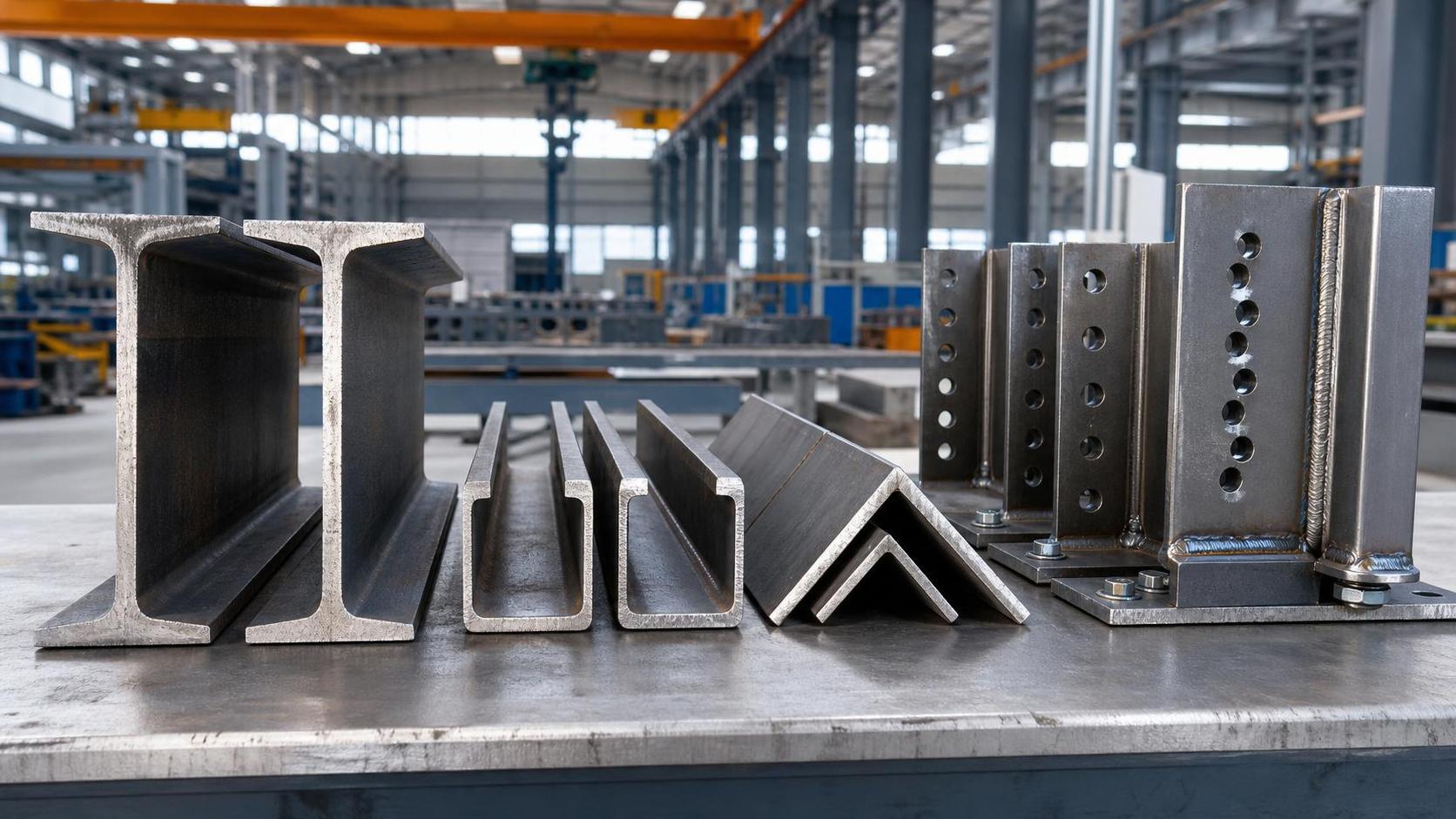
 How to Select a Steel Profile Based on Load, Span, and Fabrication NeedsProfile selection starts with load, span, and fabrication needs. Learn how to compare steel sections for strength, cost, workability, and sourcing efficiency.
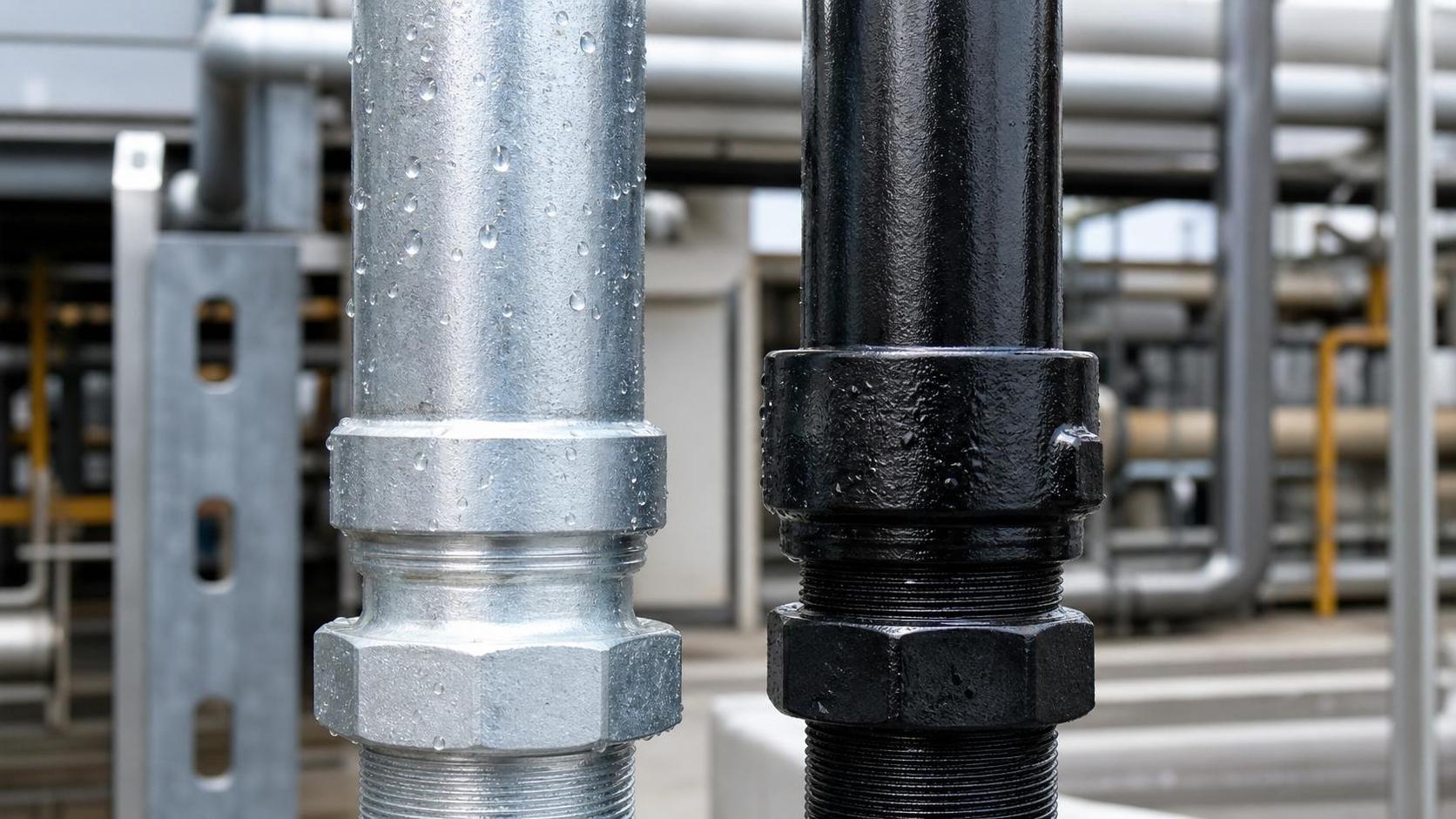
 Galvanized Pipe vs Black Pipe: Which One Fits Water, Gas, or Outdoor Lines?Galvanized pipe or black pipe? Compare the best choice for water, gas, and outdoor lines, with key insights on corrosion, codes, cost, and long-term performance.
 How to Choose Steel Roofing for Warehouses, Farms, and Residential BuildingsSteel Roofing selection depends on building type. Learn how warehouses, farms, and homes differ in corrosion, insulation, drainage, and cost for smarter roofing decisions.
 Hot-Dip Galvanized vs Pre-Galvanized Steel: Which Should You Specify?Hot-dip galvanized vs pre-galvanized steel: compare corrosion resistance, fabrication impact, cost, and standards to specify the right steel solution for durable, compliant projects.
Please give us a message


Please enter what you want to find