Choosing the right steel rebar for bridge construction in 2024 is essential to ensure structural safety, durability, and cost efficiency. As demand for high strength and corrosion resistant steel rebar continues to grow, Hongteng Fengda — a trusted steel rebar exporter to Europe and custom steel rebar supplier — offers ASTM certified steel rebar tailored for diverse construction projects. Whether you are sourcing steel rebar for industrial applications or comparing steel rebar price per ton, this guide will help you make informed decisions for lasting bridge performance. The selection of proper reinforcement materials directly impacts the long-term stability of transportation infrastructure, especially when projects must balance environmental factors, mechanical loads, and lifecycle costs. In recent years, engineers and project managers across North America, Europe, and Asia have prioritized materials that reduce maintenance expenses while meeting regulatory standards. In this context, Hongteng Fengda provides advanced rebar manufacturing supported by modern facilities and international quality systems, helping global clients implement sustainable, high-performance bridge construction solutions.
Definition and Composition of Steel Rebar for Bridge Construction
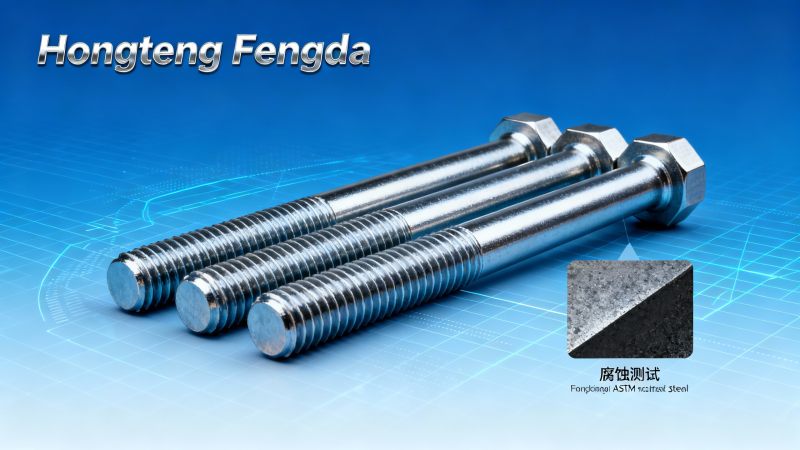
Steel rebar for bridge construction is a specially designed reinforcement material embedded in concrete to improve tensile strength and reduce cracking. These bars are typically made of carbon steel or alloy steel, but modern engineering has shifted toward high-strength and corrosion resistant grades. Corrosion resistant steel rebar, such as epoxy-coated or stainless variants, ensures long-lasting performance in humid, coastal, or saline environments. Standard specifications like ASTM A615, A706, and EN 10080 define chemical composition, yield strength, and mechanical properties important to structural integrity. Choosing between traditional carbon rebar and advanced alloy types depends on bridge type, load-bearing requirements, and expected lifespan. Bridge engineers often evaluate fatigue resistance, ductility, and bonding behavior between concrete and steel surfaces. Interestingly, more project owners are looking for suppliers that can customize chemical elements to suit specific regional conditions. Hongteng Fengda’s production capability allows for custom steel rebar supplier services that comply with both ASTM and GB standards, catering to diverse infrastructure designs. Understanding this foundation helps decision-makers assess trade-offs between performance and cost when planning large-scale bridge projects where safety and durability are the top priorities.
Market Overview and Current Industry Trends
The global steel rebar market has evolved rapidly, driven by increased infrastructure spending and the transformation of construction technologies. In 2024, bridge projects are influenced by sustainability initiatives, carbon emission targets, and stricter safety regulations. Demand for corrosion resistant steel rebar is projected to grow as governments invest in long-life transportation networks. Emerging economies in Southeast Asia as well as reconstruction efforts in Europe are accelerating the need for reliable rebar suppliers. The market also shows an upward trend in customized, high strength steel rebar manufacturer partnerships, as contractors demand consistent quality and competitive logistics performance. Price fluctuation remains a concern, with steel rebar price per ton affected by raw material costs, energy rates, and global trade policies. Hongteng Fengda, as a structural steel manufacturer and exporter from China, has established a flexible production and export framework that allows stable supply to regions where rebar shortages or delivery delays were once common. Industry analysts suggest that digitalization in procurement and the adoption of traceable batch production will become essential in 2024. Buyers now prefer certified suppliers who can provide transparent testing data, digital documentation, and compliance proof under ASTM and EN standards. The bridge construction market’s long-term success will depend on collaboration between suppliers, designers, and engineering consultants to optimize material selection for complex structural ecosystems.
Technical Performance and Material Comparison
In any bridge design, selecting the right grade of steel rebar involves technical evaluation. High strength steel rebar offers yield strengths exceeding 500 MPa, which allows for lighter sections without sacrificing safety. Corrosion resistant steel rebar, on the other hand, prolongs service life in environments with saltwater exposure or freeze-thaw cycles. ASTM certified steel rebar is often preferred because it guarantees minimum mechanical performance and chemical balance. For example, bridge decks near marine zones require stainless or galvanized bars to prevent rust propagation that could compromise concrete cover. Comparing different types, welded rebar mesh systems are efficient for pre-cast bridge components, while deformed bars ensure better bonding in cast-in-place elements. Hongteng Fengda uses automated rolling mills, spectral analysis, and ultrasonic flaw detection to confirm product consistency. Their approach ensures that both standard and OEM specifications meet or exceed the expectations set by international customers. The integration of products like the 316L stainless steel pipe within supporting infrastructure shows how material innovation enhances corrosion resistance, high-temperature stability, and overall mechanical reliability. Such solutions broaden the application field of modern steel products, making them indispensable for bridge reinforcement projects demanding superior fatigue resistance.
Procurement Guide – How to Choose the Right Rebar
Procurement specialists and project managers face multiple variables when sourcing steel rebar for construction projects. The decision process includes evaluating mechanical properties, certification status, supplier credibility, and lead times. Before placing orders, identify the bridge category—suspension, arch, beam, or cable-stayed—since each demands varying stress distribution and rebar arrangement. High strength rebar suits long-span bridges where reduced self-weight is necessary, while corrosion resistant steel rebar is ideal for coastal or urban bridges exposed to deicing salts. Cost assessment should look beyond the steel rebar price per ton; instead, consider total life-cycle cost savings achieved through lower maintenance frequencies and reduced downtime. Choose suppliers offering ASTM certified steel rebar along with quality documentation, mill test reports, and third-party inspection services. Hongteng Fengda assists buyers through transparent quotation systems and international logistics coordination. Their engineers provide technical consultation, recommending the most suitable rebar grade and configuration based on design loads. Many clients also request mixed shipments, combining rebar with complementary structural elements such as angle steel, channel beams, or specialized stainless solutions. The inclusion of durable stainless supports like the 316L stainless steel pipe in certain bridge substructures optimizes both corrosion prevention and aesthetic quality. In addition, customized labeling and export packaging streamline onsite identification and reduce sorting time, empowering large-scale contractors to operate efficiently under tight schedules and global sourcing models.
Standards, Testing, and Certification Compliance
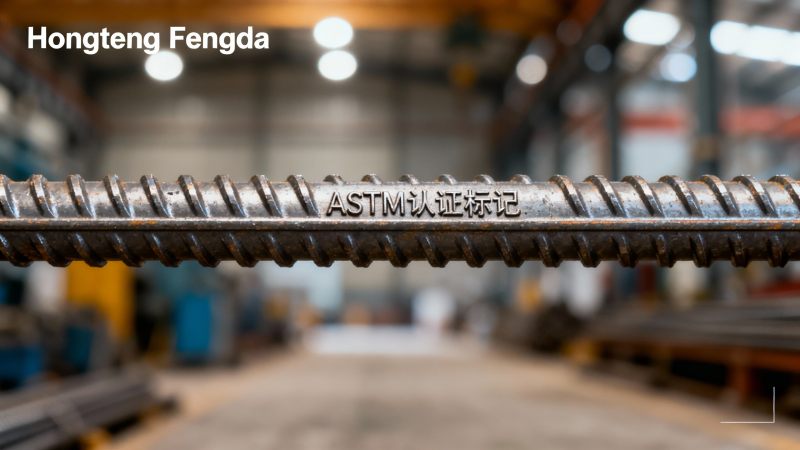
For global bridge projects, compliance with international standards constitutes a core requirement. ASTM A615 and A706 specify the chemical composition, deformations, and grade markings for carbon and low-alloy steel rebar in the United States. EN 10080 defines European quality benchmarks, while Chinese GB standards align with both local and export practices. Certified suppliers guarantee that each batch has passed tensile, bend, and fatigue tests validated by inspection authorities. Hongteng Fengda integrates quality control laboratories into its production line, employing spectrometers, tensile testers, and corrosion chambers to ensure conformity. The company issues Material Test Certificates and Inspection Reports, which meet documentation needs for global tender bidding. Quality assurance programs also include mechanical calibration, traceability of heat numbers, and strict storage protocols that prevent surface contamination. Buyers and quality inspectors appreciate laboratory-backed transparency because it reduces risks during bridge audits or insurance approvals. Additionally, adherence to environmental and occupational safety standards ensures ethical and sustainable production. Certification not only builds brand reputation but also acts as a guarantee that steel rebar for industrial applications meets long-term infrastructure expectations. As bridge projects become more complex in geometry and material interaction, standardized steel rebar remains a fundamental assurance of safety and reliability for structural engineering teams worldwide.
Cost Evaluation and Long-Term Alternatives
Project budgeting remains one of the decisive elements in rebar selection. While the steel rebar price per ton provides an initial benchmark, real cost efficiency must include freight, fabrication, and maintenance over the structure’s lifetime. For regions where corrosion risk is high, investing in corrosion resistant rebar drastically lowers lifetime expenses, preventing large-scale repairs that could interrupt traffic and increase operational costs. In many cases, hybrid solutions using carbon and stainless sections have proven optimal. The addition of molybdenum in stainless varieties boosts resistance to chloride-induced corrosion, similar to properties seen in advanced alloy steels. Hongteng Fengda employs a flexible pricing system, taking raw material trends and currency fluctuations into account to ensure stable export quotations. The firm’s integrated logistics and partnership with freight forwarders further enhance delivery reliability for customers across Europe and the Middle East. Buyers comparing various suppliers should request a cost-performance analysis that highlights savings achieved by minimizing repair frequency. In some bridge renovation projects, using pre-fabricated assembly combined with high strength steel rebar manufacturer collaboration reduces labor hours by up to 20%. As sustainable construction principles gain traction, buyers may also explore recycled rebar and green-certified products, aligning cost efficiency with environmental commitment.
Case Studies and Real-World Practices
Recent success cases exhibit how optimized material selection creates measurable benefits for bridge projects. In a Southeast Asian coastal bridge, the adoption of corrosion resistant steel rebar from Hongteng Fengda extended the maintenance cycle from five to fifteen years. The client highlighted not only durability but also uniform weldability and mechanical stability under fluctuating humidity. Another project in Eastern Europe integrated ASTM certified steel rebar into high-load bridge piers to achieve both structural resilience and smooth project inspections under strict EU regulations. These case studies confirm that using reliable material from a professional steel rebar exporter to Europe mitigates risks caused by uncertain supply chains or inconsistent product quality. When combined with digital order tracking and on-site technical support, customers experience seamless delivery and compliance verification. In industrial bridge applications where mechanical equipment transmits vibration to the structure, engineers chose rebar with higher ductility ratios to absorb dynamic stress. Beyond bridges, contractors have applied the same rebar technology to adjacent roadways, tunnels, and offshore platforms, leveraging the multi-environment adaptability of Hongteng Fengda materials. Such results demonstrate that supply partnerships rooted in expertise and continuous innovation can redefine performance standards for global infrastructure.
Trend and Future Insights
Looking ahead, the next decade of bridge engineering will embrace advanced metallurgy and smart monitoring integration. Sensor-embedded rebar systems capable of real-time stress detection are under development, promising predictive maintenance for critical infrastructure. The global shift toward decarbonization drives increased use of alloy optimization to reduce production emissions while maintaining strength. In 2024 and beyond, large infrastructure investors will demand producers with transparent environmental performance indicators and traceable raw materials. Hongteng Fengda’s ongoing innovation in efficient smelting and continuous casting positions it as a forward-thinking custom steel rebar supplier specialised in agile production. Predictive modeling using AI allows optimized formulation of alloys to deliver superior fatigue endurance, particularly for bridges exposed to heavy traffic or seismic activity. Engineers are also expected to blend modern design software with verified material databases, linking procurement decisions to digital twins of bridge structures. This convergence ensures that every ton of steel rebar for bridge construction contributes to resilience, sustainability, and cost-effectiveness. The collaboration between manufacturers, academic institutions, and government agencies will continue to elevate global construction quality benchmarks. Future breakthroughs might focus on hybrid composite rebar combining carbon fiber and steel alloys, offering unique possibilities to balance weight, ductility, and corrosion immunity in challenging operational environments.
Why Choose Hongteng Fengda
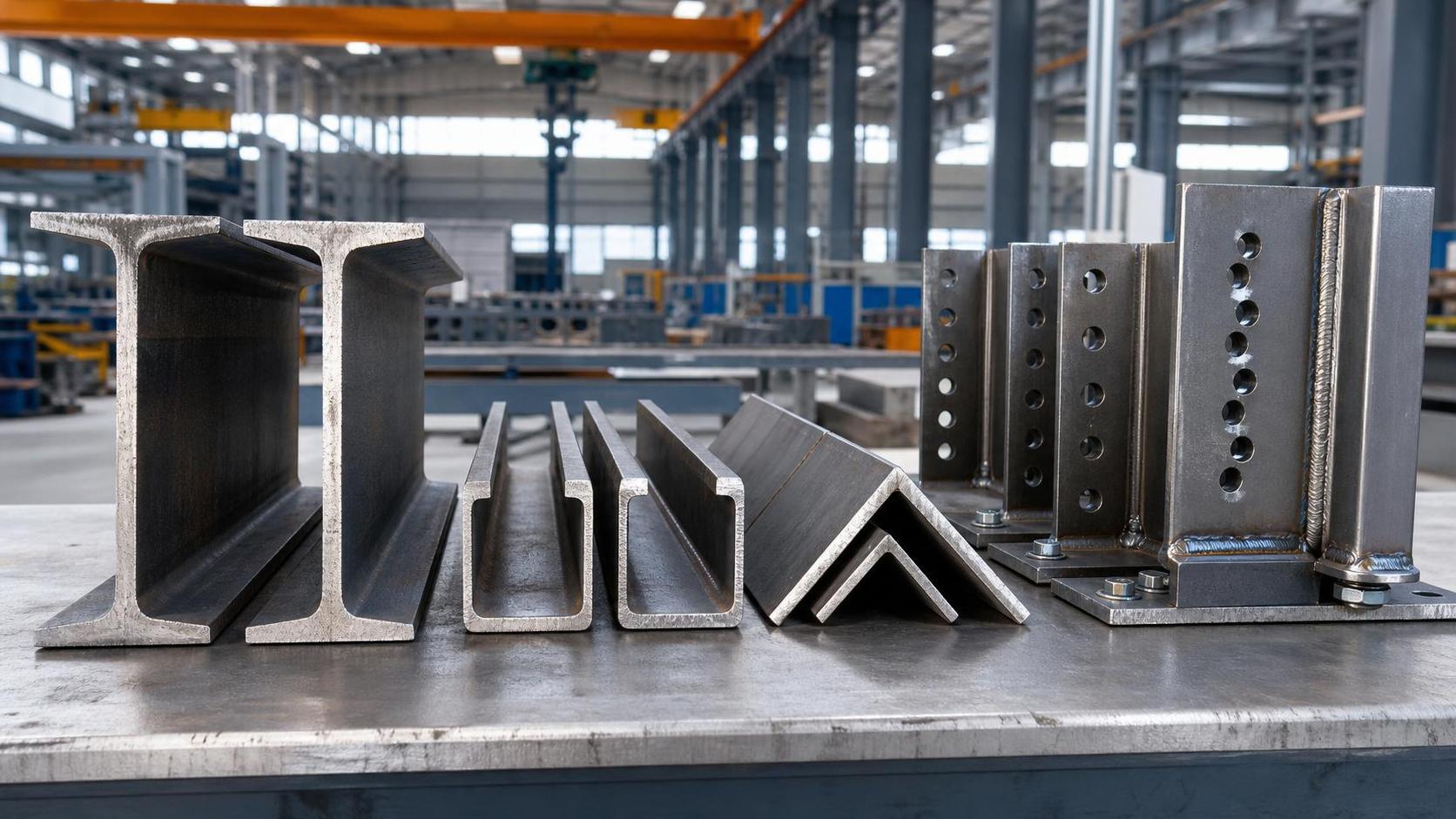
Hongteng Fengda stands out as a structural steel manufacturer and exporter from China dedicated to delivering premium solutions across the construction, industrial, and manufacturing sectors. With advanced processing equipment, the company ensures uniform mechanical strength and dimensional accuracy of steel rebar tailored to international standards like ASTM, EN, JIS, and GB. A robust production capacity coupled with rigorous quality inspection enables stable supply for projects in North America, Europe, the Middle East, and Southeast Asia. Beyond steel rebar, Hongteng Fengda supplies structural steels such as angle beams, channels, and customized cold-formed profiles, offering complete material packages for bridge construction. Customers appreciate the responsive service, professional advice, and transparent pricing mechanisms. Whether you are a project manager seeking consistency or a distributor pursuing dependable inventory, Hongteng Fengda’s solutions empower you to achieve operational excellence. The company’s philosophy blends engineering expertise with international competitiveness, ensuring every delivery supports clients’ long-term reliability goals. To explore partnership opportunities or request quotations, please contact Hongteng Fengda today and experience the support of a trusted high strength steel rebar manufacturer committed to future-ready construction excellence.
- channel beam
- angle steel
- steel pipe
- structural steel
- Structural Steel
- Corrosion Resistant Steel
- 316L stainless steel pipe
- stainless steel pipe
- Profile
- Rebar
- Rebar for construction
- Galvanized
- carbon steel
- steel rebar
- steel rebar for construction projects
- high strength steel rebar manufacturer
- ASTM certified steel rebar
- steel rebar price per ton
- steel rebar for industrial applications
- custom steel rebar supplier
- steel rebar exporter to Europe
- corrosion resistant steel rebar
- steel rebar for bridge construction
Related recommendations
 How to Select a Steel Profile Based on Load, Span, and Fabrication NeedsProfile selection starts with load, span, and fabrication needs. Learn how to compare steel sections for strength, cost, workability, and sourcing efficiency.
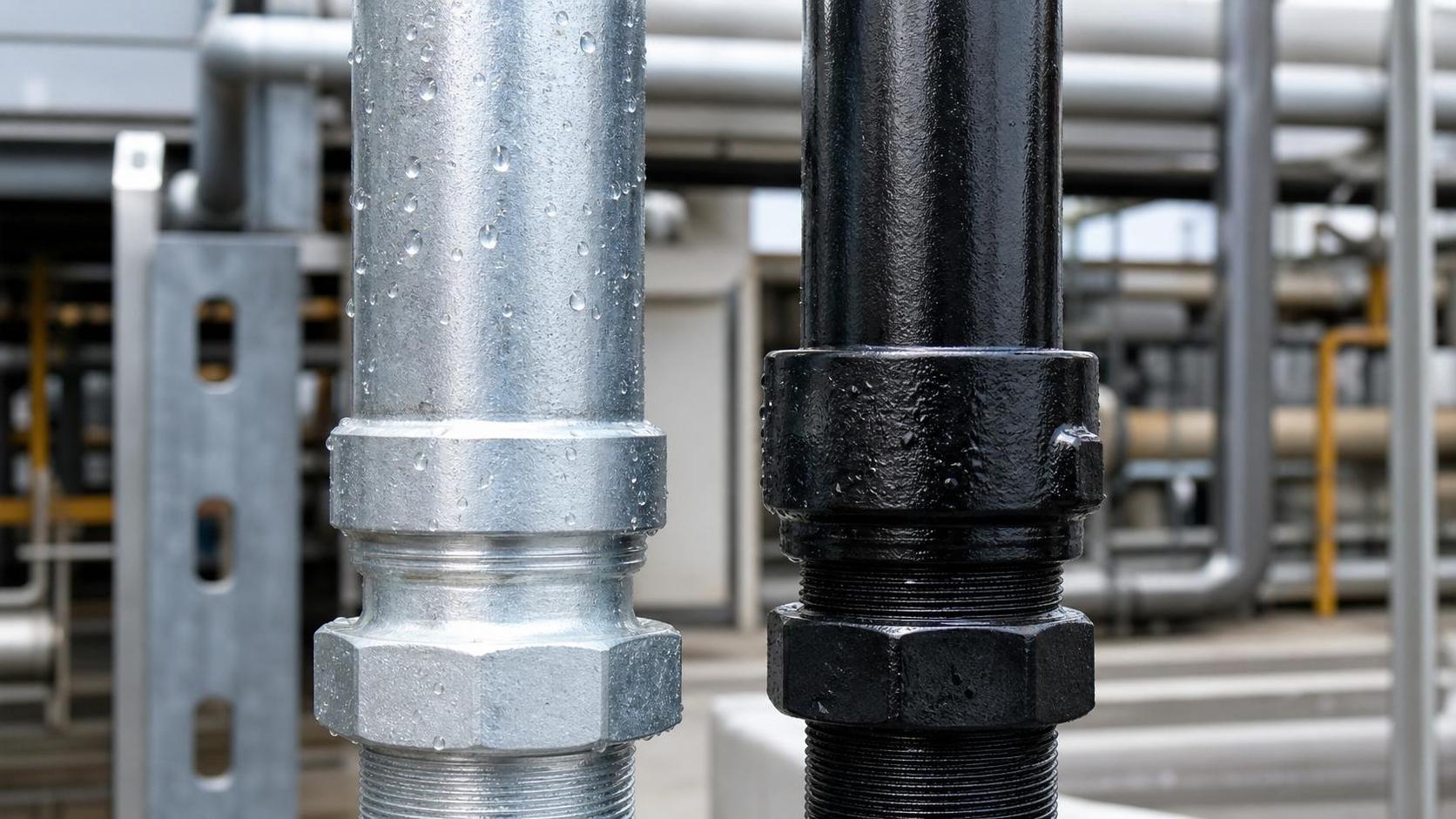
 Galvanized Pipe vs Black Pipe: Which One Fits Water, Gas, or Outdoor Lines?Galvanized pipe or black pipe? Compare the best choice for water, gas, and outdoor lines, with key insights on corrosion, codes, cost, and long-term performance.
 How to Choose Steel Roofing for Warehouses, Farms, and Residential BuildingsSteel Roofing selection depends on building type. Learn how warehouses, farms, and homes differ in corrosion, insulation, drainage, and cost for smarter roofing decisions.
 Hot-Dip Galvanized vs Pre-Galvanized Steel: Which Should You Specify?Hot-dip galvanized vs pre-galvanized steel: compare corrosion resistance, fabrication impact, cost, and standards to specify the right steel solution for durable, compliant projects.
Please give us a message


Please enter what you want to find