Introduction
Corrosion resistant steel rebar plays a crucial role in ensuring the longevity and safety of modern infrastructure, especially in bridge construction and large-scale industrial projects. As a professional steel rebar exporter to Europe and custom steel rebar supplier, Hongteng Fengda serves global markets with ASTM certified, high strength steel rebar for construction projects. Whether you are evaluating steel rebar price per ton or seeking reliable steel rebar for industrial applications, choosing the right material partner is essential for durability and cost efficiency. The continued expansion of global infrastructure means that materials used in reinforcement must not only meet strength requirements but also withstand complex environmental challenges such as humidity, salinity, and chemical exposure. It’s no surprise that designers and project managers increasingly specify corrosion resistant steel rebar in bridge decks, ports, tunnels, and coastal structures where exposure risks are higher. Long-term benefits include lower life-cycle costs, reduced maintenance frequency, and improved safety margins for both public and private projects. Understanding the difference between standard carbon rebar and advanced corrosion resistant materials helps decision-makers make informed and sustainable choices. This awareness also aligns with global sustainability goals, as longer-lasting structures require fewer resources for repair or reconstruction, minimizing carbon emissions over a project’s lifetime.
Definition and Technical Overview

Corrosion resistant steel rebar refers to reinforcing steel bars designed to resist the corrosive effects of moisture, acids, and chloride ions within concrete. Typically made using alloying elements such as chromium, nickel, copper, or molybdenum, these rebars maintain structural integrity under aggressive conditions. In comparison, conventional carbon steel rebar without special protective coatings can experience rust within years when exposed to wet environments, leading to reduced bonding performance and premature cracking of concrete. An ASTM certified steel rebar, for example, ensures specific yield strengths, elongation values, and chemical compositions that conform to internationally recognized criteria, including ASTM A615, A706, and related standards. Hongteng Fengda manufactures such high strength steel rebar under strict production control to ensure dimensional accuracy, tensile consistency, and coating uniformity. In addition to corrosion-resistant variants, we also produce supporting components such as steel beams, angle steel, and channel steel, creating a complete supply portfolio for industrial and civil construction sectors. For customers looking for integrated steel structure solutions, Hongteng Fengda also manufactures complementary products such as the Metal C Beam, which is widely applied in purlins, lightweight roof trusses, and brackets. Each component follows the same international standard consistency — AiSi, ASTM, BS, DIN, GB, and JIS — ensuring global compatibility and quality predictability. Technical performance parameters are verified by ISO, CE, and SGS certifications, bridging both domestic and export demands for reliability and traceability.
Market Overview and Industry Trends
The global construction steel market has evolved rapidly with infrastructure modernization and sustainability trends. Demand for corrosion resistant steel rebar is growing across Europe, North America, and Asia-Pacific, driven by the need for long-lasting bridges, tunnels, and marine installations. Governments and private investors prioritize materials that reduce maintenance intervals and total ownership costs. For example, European Union projects often mandate the use of corrosion resistant reinforcement in exposed concrete structures to comply with EN standards for service life extension. Similarly, in North America, ASTM certified steel rebar maintains popularity for its consistent mechanical behavior and compatibility with design codes. The average steel rebar price per ton fluctuates depending on raw materials and alloy elements, but the cost differential compared with conventional rebar is offset by the extended lifespan and reduced repair expenditure. Hongteng Fengda strategically positions itself in this evolving market as a reliable steel rebar exporter to Europe and a custom steel rebar supplier to industrial sectors, leveraging continuous production capability and competitive pricing. With experienced metallurgical engineers and modern rolling equipment, our facility combines cold-forming and hot-rolling technologies, achieving precision tolerance of within ±1%. Our wide product catalog, including high strength steel rebar for construction projects, addresses both mass infrastructure and specialized applications such as bridge decks or water treatment plants. Industry trend analysis indicates a steady global shift toward performance-driven material selection and the integration of hybrid steel solutions, where products like the Metal C Beam complement rebar systems in composite construction designs. These synergies reflect a broader trend: optimizing structural frameworks through customized modular steel solutions, reducing onsite labor, and increasing overall project efficiency.
Applications in Construction and Industrial Projects
Corrosion resistant steel rebar is widely used in environments prone to chemical attack or atmospheric humidity. Bridge construction is one of the most critical sectors utilizing such rebar. In bridge decks, piers, and abutments, chlorides from de-icing salts or seawater can infiltrate concrete, accelerating corrosion in carbon steel rebar. Using corrosion resistant materials significantly extends service life beyond 75 years, aligning with modern infrastructure performance requirements. Beyond bridges, industrial applications such as petrochemical plants, cooling towers, or sewage treatment facilities also benefit from these advanced reinforcement materials. As a custom steel rebar supplier, Hongteng Fengda assists project engineers in determining rebar type, coating specification, and bar diameter according to chemical exposure levels and design stress conditions. Additionally, high strength steel rebar supports thinner concrete sections and higher load-bearing capacity, optimizing structural efficiency. For procurement managers evaluating steel rebar price per ton, corrosion resistant options might appear costlier initially, but long-term economic analyses reveal 30–50% annual savings on maintenance. Our steel rebar for industrial applications also plays a key role in mechanical and manufacturing setups, serving as reinforcement in heavy foundations, retaining walls, or machine bases. The combination of advanced rebar and well-designed structural components such as angle steel and steel beams creates integrated systems capable of handling complex dynamic loads. It’s this holistic approach that differentiates Hongteng Fengda’s supply model from conventional trading — we provide not only products but also technical guidance on embedding corrosion prevention within the whole construction process, ensuring end-user satisfaction and project sustainability.
Standards, Certification, and Quality Assurance
In the international construction supply chain, compliance with standards guarantees interoperability, durability, and safety. Corrosion resistant steel rebar from Hongteng Fengda adheres to ASTM, EN, JIS, and GB standards, verified through third-party inspections. Each batch goes through tensile testing, yield point verification, and adhesion assessment to ensure mechanical conformity. The certifications we maintain—CE, ISO, BV, and SGS—confirm both product quality and management system consistency. Quality assurance extends from billet selection to final forming. Our metallurgical control focuses on precise alloy ratios and homogenized structure formation, delivering uniform corrosion protection. For projects across sectors like bridge construction or marine foundations, compliance documentation facilitates regulatory acceptance and smooth import clearance. Comparable quality disciplines are applied to associated structural components within our portfolio, from steel beams to cold-formed profiles. For instance, the surface treatments of galvanized and powder-coated finishes on reinforcement accessories enhance bonding while adding protection. Clients seeking ASTM certified steel rebar can confidently rely on Hongteng Fengda’s expertise in producing materials that meet rigorous testing criteria, including fatigue resistance and impact toughness. Quality control teams conduct continuous process monitoring with digital production logs, enabling full traceability from raw material to finished delivery. This transparent supply model minimizes sourcing risks and aligns with the procurement needs of both large construction groups and smaller project contractors worldwide, reinforcing Hongteng Fengda’s reputation as a dependable steel rebar exporter to Europe and the USA.
Comparison Analysis and Cost Consideration
A comparative perspective between standard carbon steel rebar and corrosion resistant types highlights both performance and economic distinctions. Traditional rebar generally features lower upfront cost and ease of availability, yet its susceptibility to oxidation can result in structural deterioration within 10–20 years under aggressive exposure. By contrast, high strength corrosion resistant steel rebar maintains integrity for decades, avoiding hidden reconstruction expenses. Considering the total cost of ownership, project managers often calculate not just steel rebar price per ton but the entire life-cycle cost. When factoring reduced repair frequency, downtime avoidance, and lower environmental impact, corrosion resistant rebar becomes the more economical option over extended timeframes. In industrial applications subjected to chemical exposure, like wastewater plants or desalination units, standard rebar often fails prematurely. Custom steel rebar supplier solutions offer tailored alloy and coating combinations to match specific environments, minimizing long-term risk. In comparative case studies carried out across European bridge projects, life-cycle assessments revealed 25–40% cost reductions when using ASTM certified corrosion resistant steel rebar. Additionally, integrating compatible structural products such as C-shaped components in frameworks – as seen in Hongteng Fengda’s portfolio – enhances construction efficiency, as pre-formed profiles require less onsite fabrication. Product designs like the C-shaped beam structure enable both mechanical and architectural advantages: lighter weight, simplified installation, and improved joint performance. It’s the coordinated selection of both rebar and framing steel that ultimately defines sustainable infrastructure strategy, rather than focusing solely on initial procurement savings.
Procurement Guide and Practical Suggestions

When selecting corrosion resistant steel rebar, procurement teams should evaluate several criteria beyond price. First, confirm compliance with necessary standards such as ASTM, EN, or GB. Second, consider environmental conditions—humidity levels, chloride concentration, or industrial chemical exposure—to determine if epoxy-coated, galvanized, or stainless grades are appropriate. Third, assess supplier capabilities regarding production capacity, logistics performance, and documentation availability. Hongteng Fengda, as a structural steel manufacturer and exporter from China, offers a one-stop procurement experience for global buyers. Our production system combines automated forming machines and controlled rolling technologies, efficiently producing large volumes without compromising precision. We also offer OEM customization to synchronize with project-specific drawings or mechanical load requirements. Buyers should ensure quality certification from recognized bodies such as SGS or ISO accompanies each shipment, and develop communication with technical engineers early in design to optimize specifications. Efficient procurement not only shortens lead times but guarantees project budget stability. Clients across the Middle East, Southeast Asia, and Europe appreciate our flexibility in scheduling and commitment to delivering consistent steel rebar for bridge construction and industrial use on time. For supplementary structural requirements, our team recommends evaluating solutions like galvanized C-shaped beams, which integrate effectively with rebar networks and deliver enhanced structural stability when used as secondary framing elements.
Trends and Future Insights
Looking ahead, the demand for corrosion resistant steel rebar will continue to grow in tandem with urbanization and climate resilience initiatives. Regions facing coastal corrosion and freeze–thaw cycles are incorporating enhanced steel standards in construction codes. Advances in alloy design and nano-coating technologies will further extend durability, allowing longer design life cycles with fewer replacements. Sustainability drivers, including carbon reduction and circular economy principles, encourage the use of high-performance materials that reduce environmental impact. Manufacturers like Hongteng Fengda are investing in smart production systems, where digital monitoring guarantees consistent product properties and waste minimization. Another emerging trend is the integration of modular steel systems, combining rebar, beams, and formed profiles into prefabricated assemblies that simplify on-site construction. These hybrid systems not only save time but increase project predictability. The Metal C Beam, for example, is part of this modernization trend—its automated forming process ensures precision and compatibility when combined with corrosion resistant reinforcement frameworks. As the global infrastructure industry leans toward longevity and efficiency, material suppliers who combine engineering expertise, technical certification, and customer partnership will play a decisive role. Hongteng Fengda remains at the forefront of this shift, supporting international infrastructure renewal and sustainable construction with comprehensive structural steel solutions.
Why Choose Hongteng Fengda
Partnering with Hongteng Fengda means more than purchasing steel—it represents collaboration built on trust, precision, and quality assurance. As a professional structural steel manufacturer and exporter based in China, we offer customers not only corrosion resistant steel rebar for bridge and industrial applications but also a complete spectrum of structural solutions including beams, channels, and cold-formed profiles. We combine advanced equipment, experienced metallurgy experts, and stringent quality systems to ensure every delivery meets or exceeds ASTM, EN, and JIS standards. For clients requiring special alloys or non-standard dimensions, our OEM service enables customization for unique project demands. With stable lead times and global export experience, we help buyers reduce sourcing risks, control total cost, and improve construction efficiency. Whether you are a procurement specialist evaluating steel rebar price per ton, an engineer designing long-span bridges, or a project manager ensuring service life compliance, Hongteng Fengda provides optimized materials and consistent technical support. To explore our corrosion resistant rebar range or learn how our structural steel products such as C beams, channels, and reinforcement bars can enhance your project performance, contact our sales and engineering team today. Together, we build stronger, safer, and longer-lasting infrastructure for the world.
- metal c beam
- channel steel
- angle steel
- construction steel
- steel standards
- structural steel
- steel beams
- Structural Steel
- Steel Beams
- Corrosion Resistant Steel
- Profile
- Rebar
- Rebar for construction
- Galvanized
- Steel Beam
- carbon steel
- steel rebar
- steel bar
- steel rebar for construction projects
- ASTM certified steel rebar
- steel rebar price per ton
- steel rebar for industrial applications
- custom steel rebar supplier
- steel rebar exporter to Europe
- corrosion resistant steel rebar
- steel rebar for bridge construction
Related recommendations
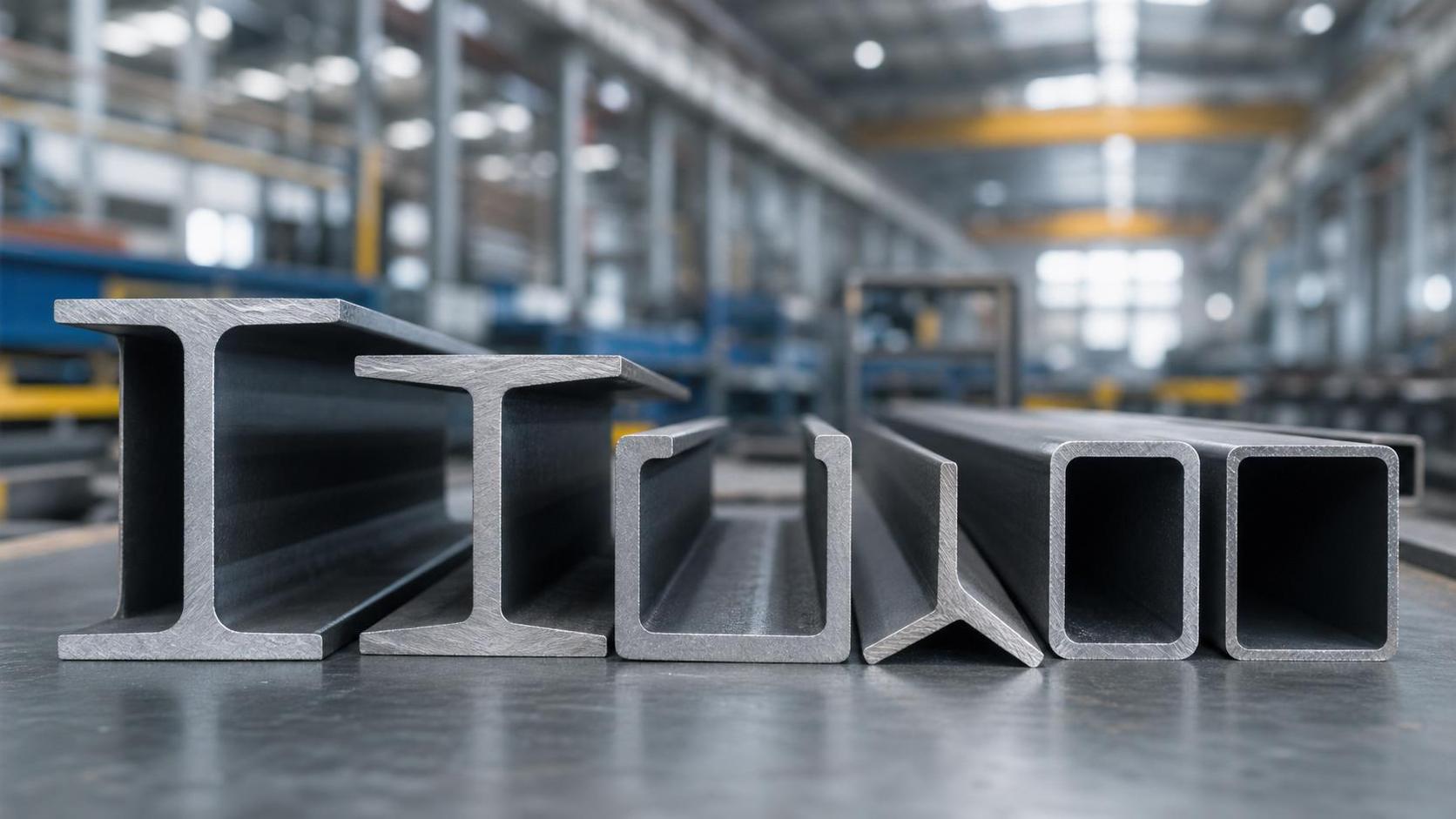
 What Is a Steel Profile? Common Shapes, Uses, and Selection BasicsProfile selection starts with shape, but performance depends on load, fabrication, and standards. Learn common steel profile types, uses, and smart selection basics.
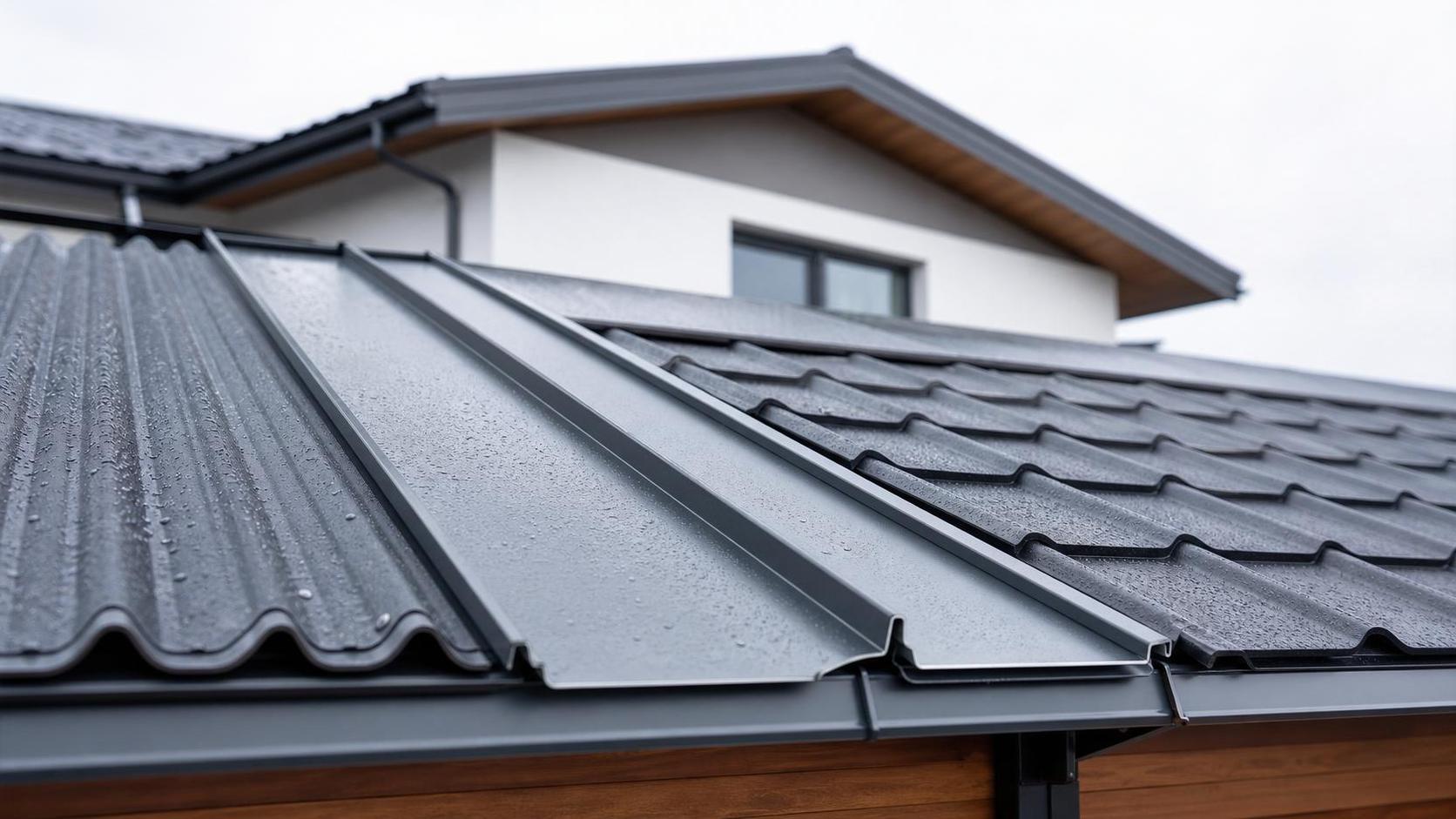
 Steel Roofing Types Explained: Corrugated, Standing Seam, and Metal ShinglesSteel Roofing guide comparing corrugated panels, standing seam, and metal shingles. Discover costs, durability, weather performance, and how to choose the best roof for your home.
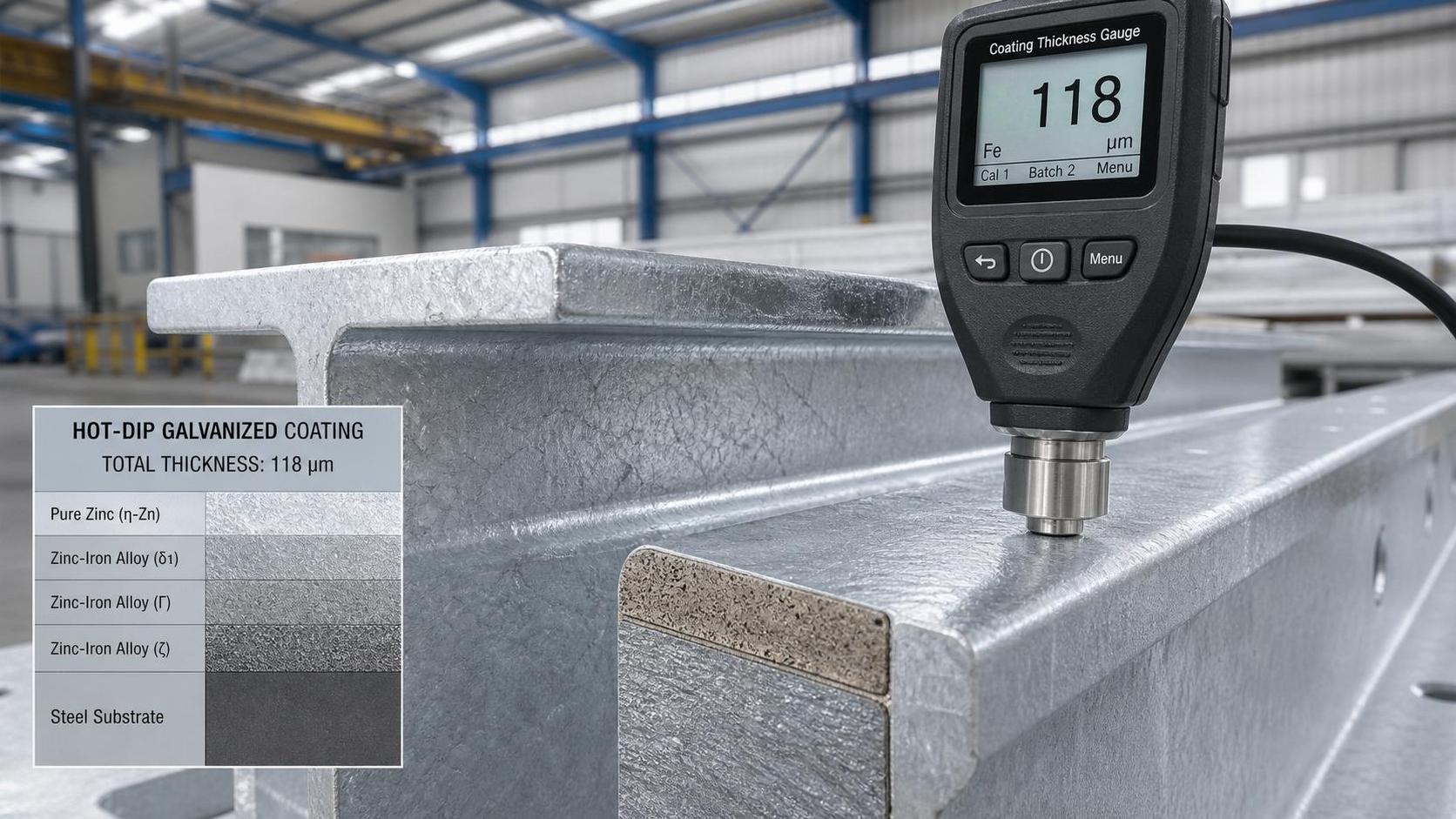
 How Hot-Dip Galvanized Coating Thickness Affects Service LifeHot-dip galvanized coating thickness directly affects steel service life. Learn how the right zinc layer improves corrosion protection, controls cost, and supports smarter project decisions.
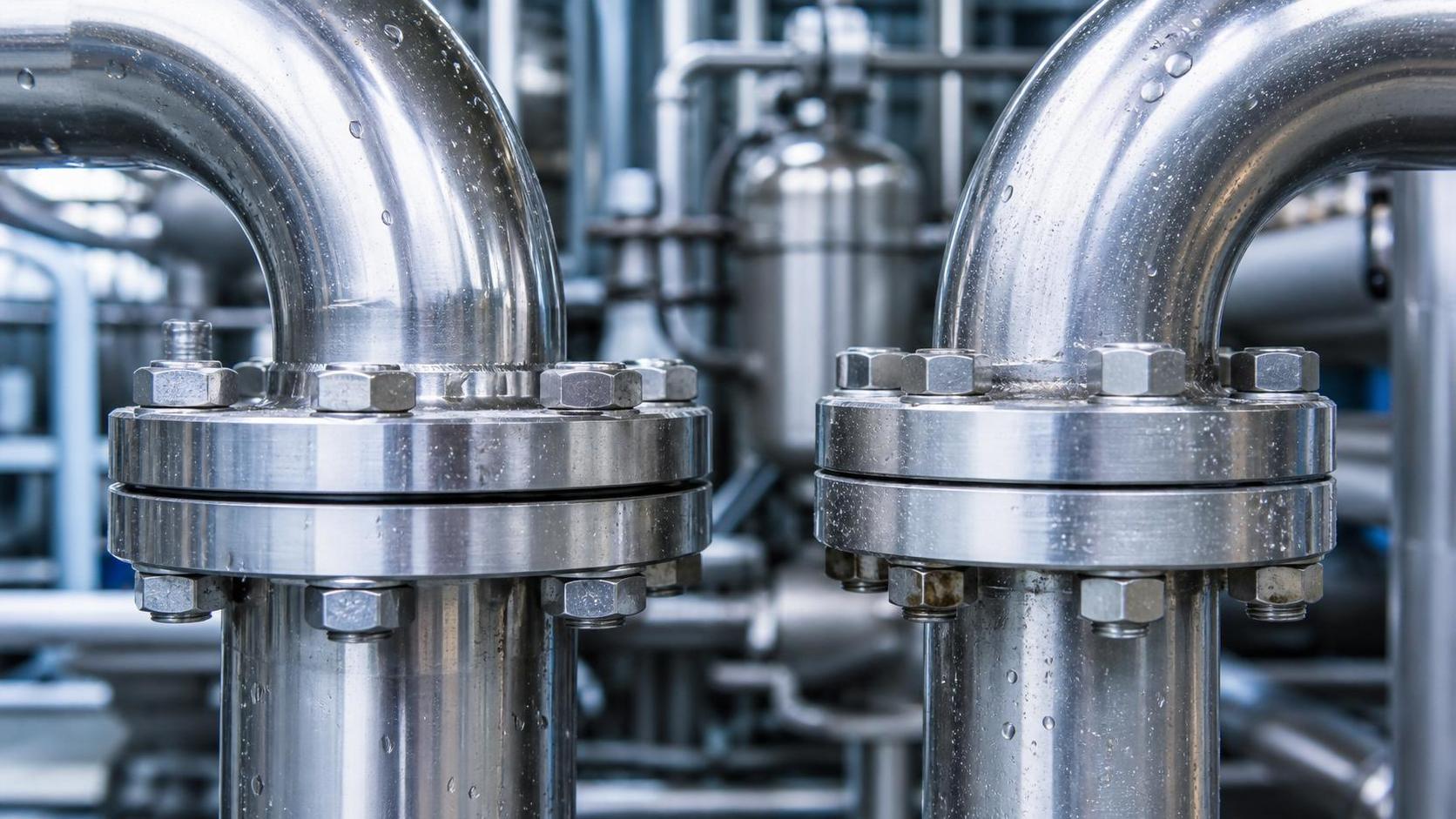
 Pipe Stainless Grades Explained: 304 vs 316 for Corrosion ResistancePipe stainless grades explained: compare 304 vs 316 for corrosion resistance, cost, and service life. Learn which stainless pipe grade fits marine, chemical, and water system applications.
Please give us a message


Please enter what you want to find