Understanding how to calculate ROI when purchasing high temperature steel for boiler applications is essential for companies aiming to balance performance, durability, and cost efficiency. As an SGS certified steel supplier in Europe and a reliable coil stainless steel exporter in China, Hongteng Fengda provides data-driven insights to help businesses evaluate material investments. From welded stainless tubing for oil and gas to 304 coil for industrial applications, this guide explains how to make financially sound decisions that optimize long-term project value and reduce sourcing risks. The return on investment (ROI) in steel purchasing is not only a matter of price comparison, but also a deep understanding of material performance, longevity, maintenance, and supply reliability. Decision-makers, procurement managers, and engineers must account for hidden costs such as downtime, replacement frequency, and energy efficiency in boiler operations where high temperature steel functions under extreme conditions.
Definition and Concept of ROI in Steel Procurement
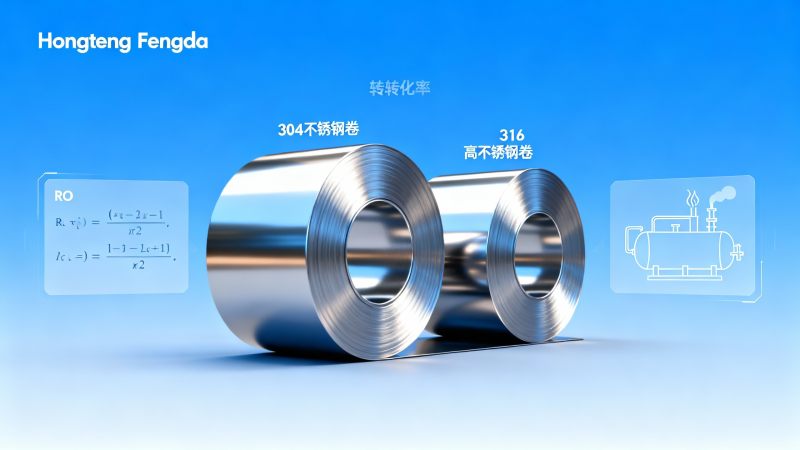
Return on Investment (ROI) refers to the measurable profitability achieved from a specific expenditure. In the context of high temperature steel for boiler applications, ROI quantifies how effectively each dollar spent translates into operational performance, safety, and life-cycle cost savings. The simplest formula is ROI = (Net Benefit ÷ Cost of Investment) × 100%. Yet true profitability extends beyond financial returns — it encompasses availability, reduced maintenance, efficiency gains, and compliance assurance. When selecting materials like ss 316 coil or inox plate for construction projects, procurement analysts should consider heat resistance, oxidation stability, and welding compatibility. Engineers involved in thermal plants or refineries must evaluate whether a stainless steel roll manufacturer in Germany or a flat stainless steel supplier in USA meets project-specific thermal stress conditions. A well-calculated ROI ensures that capital investment in steel components produces measurable project stability and sustainability outcomes.
Market Overview and Key Industry Drivers
The global demand for high temperature steel for boiler applications is driven by continuous energy infrastructure expansion and industrial modernization. Power generation, petrochemical processing, and heavy manufacturing rely on materials that can withstand extreme heat, corrosion, and mechanical stress. European buyers often prefer SGS certified steel supplier in Europe credentials, ensuring compliance with EN standards, while Asia-Pacific procurement focuses on controlling cost and ensuring consistent quality. Hongteng Fengda, as a coil stainless steel exporter in China, bridges this demand by aligning Chinese manufacturing efficiency with international certification standards like ASTM, JIS, and GB. The rising need for 304 coil for industrial applications and stainless steel strapping for packaging industry underscores the trend toward multi-functional alloys. At the same time, fluctuations in ss 316 coil price per ton influence the global investment calculus. Advanced galvanizing, controlled chemical composition, and modular fabrication improve durability and ROI, pushing buyers to seek suppliers offering both affordability and reliability.
Technical Performance Factors Influencing ROI
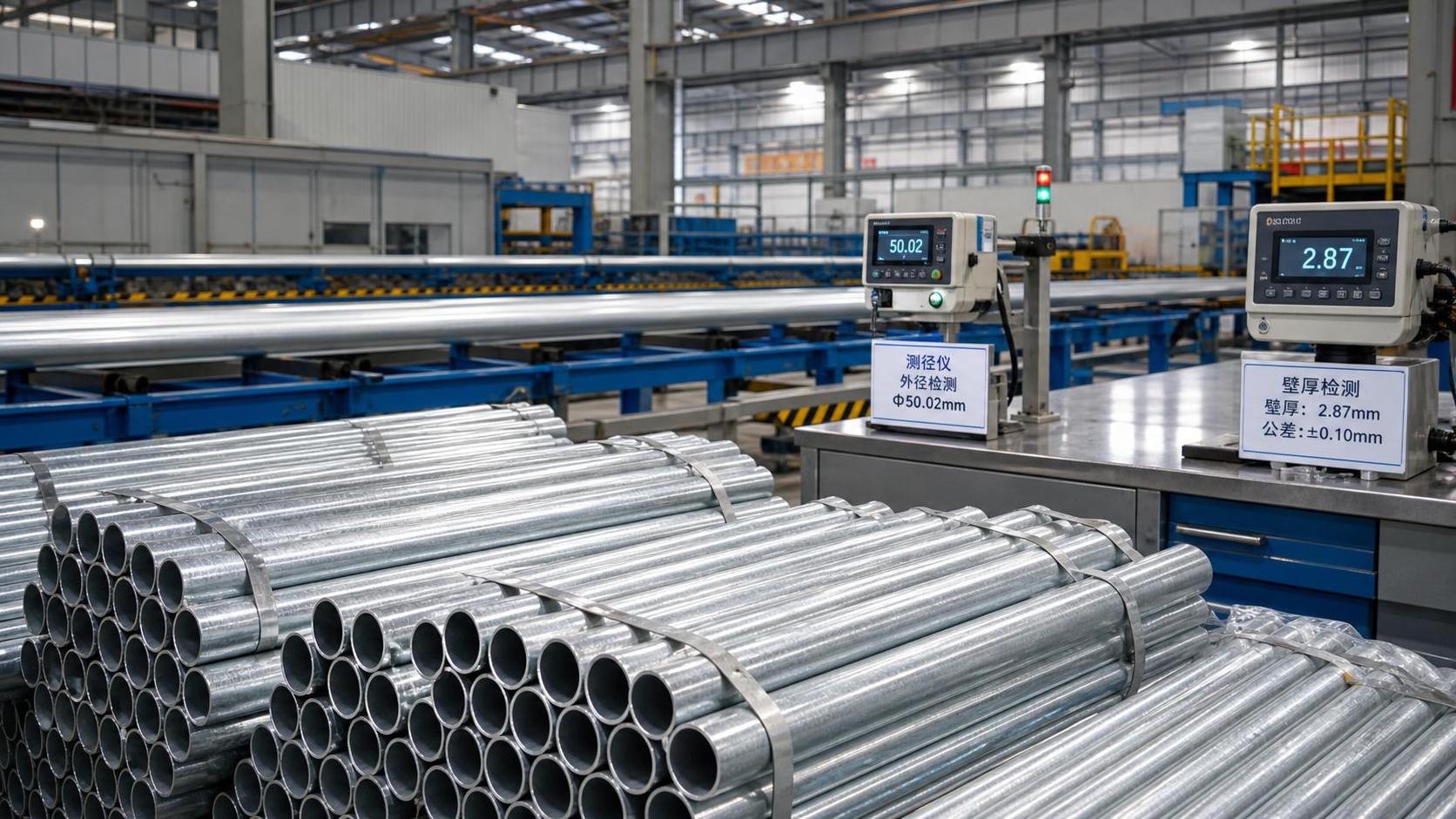
In boiler environments, high temperature steel must retain integrity at temperatures exceeding 500°C while resisting creep and corrosion. The heat resistance of stainless steels like 304 and 316, their chromium and nickel content, and precise mechanical parameters such as yield strength are pivotal to long-term ROI. Product evaluation involves data-driven testing, including tensile strength, coating adherence, and stress rupture tolerance. For instance, the Galvanized Steel Electrical Conduit (model DX52D) showcases durability with a tensile strength ≥520MPa and coating layers of primer and color finish enhancing corrosion resistance. Their production accuracy—thickness tolerance of ±0.15mm—demonstrates manufacturability precision. When such parameters are considered against maintenance intervals and fuel efficiency, project managers can accurately compare material ROI under varying process temperatures. Moreover, ASTM and EN standards validation adds traceability and accountability, giving project engineers quantitative confidence to project lifespan costs versus material science benefits.
Comparison Analysis: Material Selection and ROI Impact
Choosing between carbon steel, stainless steel, or alloyed steel determines not just upfront cost but long-term performance. Carbon steel offers lower purchase prices but is susceptible to thermal fatigue, oxidation, and scaling. In contrast, stainless variants like ss 316 coil maintain structural stability across thousands of heat cycles. For oil and gas operations employing welded stainless tubing, the initial investment per ton may be higher, but ROI improves through reduced unplanned shutdowns and inspection frequency. When analyzed through life-cycle costing, stainless materials provide 20–35% higher yield in operational uptime. Meanwhile, industries using coil stainless steel exporter in China products gain logistics advantages through customized sizing, reducing waste in fabrication. Engineers designing pressure vessels or heat exchangers benefit from corrosion-resistant alloys, thereby decreasing replacements. Thus, ROI analysis reveals that a holistic view—factoring supply consistency, global certification, and part standardization—ensures informed capital allocation rather than simplistic cost-cutting.
Procurement and Cost Management Strategies
Procurement professionals must think beyond price per ton and instead assess suppliers’ quality systems, traceability, and material documentation. An SGS certified steel supplier in Europe or verified coil stainless steel exporter in China provides transparent testing certificates, ensuring no variance between specification and delivery. Techniques such as Total Cost of Ownership (TCO) and Risk-Adjusted ROI improve financial prediction accuracy. Strategic sourcing can include framework agreements with tier-one manufacturers, guaranteeing locked-in stainless steel pricing models even during market volatility. Decision-makers should also explore hybrid procurement combining local storage with direct shipping for continuous pipeline projects. Incorporating technology platforms for real-time inventory and usage monitoring transforms reactive procurement into predictive planning. Moreover, engaging manufacturers like Hongteng Fengda offering custom cold-formed steel profiles minimizes on-site fabrication costs, improving operational ROI by shortening project timeframes and reducing scrap ratio. Such proactive management distinguishes leading contractors from reactive buyers.
Standards and Certification: Guaranteeing ROI Confidence
Compliance with internationally recognized standards—ASTM, EN, JIS, DIN, and GB—is crucial in ensuring consistent metallurgical reliability and safety. Materials certified under SGS, Lloyd’s, or CE stamps offer traceability that significantly reduces risk during installation and inspection. Regulatory audits for boiler materials require records verifying steel composition, heat treatment, and mechanical test results. Suppliers adhering to AISI and SUS grades create materials predictable under fluctuating thermal cycles. For instance, Galvanized Steel Electrical Conduit manufactured from galvanized steel material aligns with both ASTM and EN standards, allowing usage across industries from construction and light industry to petroleum and energy plants. With coating systems consisting of 5 micron primer plus 20 micron topcoat, these products exhibit superior anti-corrosion properties. Certification consistency directly contributes to higher ROI by minimizing rework and downtime, positioning compliant suppliers as essential partners for industrial-scale development and long-term operating assurance.
Case Study: ROI Optimization in Boiler Steel Procurement
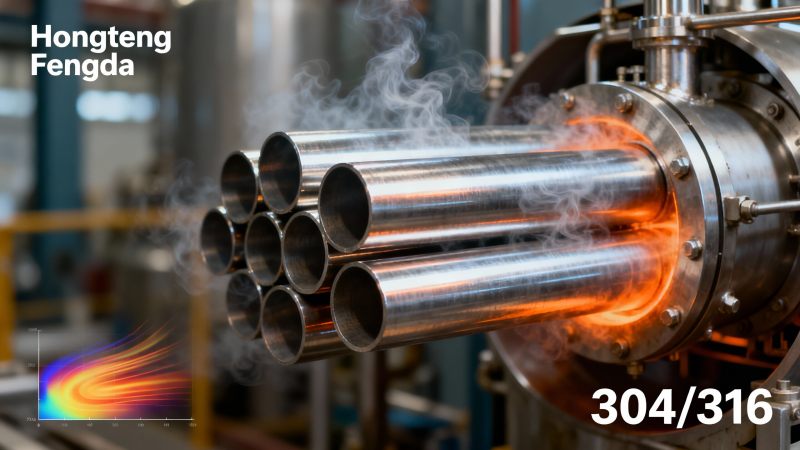
Consider a mid-size European thermal power project sourcing high temperature steel for new boiler assemblies. Initially tempted by lower-cost unverified suppliers, the engineering team faced multiple replacements due to premature oxidation. Switching to an SGS certified coil stainless steel exporter in China like Hongteng Fengda improved durability by 38%, reduced maintenance downtime by 25%, and generated a cumulative ROI uplift of nearly 19% within two fiscal quarters. The project’s adoption of 304 coil for industrial applications ensured consistent heat transfer and extended tube life expectancy. Furthermore, logistical support and compliance documentation streamlined customs clearance and ISO audits. Key lessons emerged: prioritize certified suppliers, adopt performance-based benchmarks, and involve multidisciplinary evaluation teams. This reinforced the value proposition: ROI from high-quality steel stems not from low cost but from sustained operational reliability and performance assurance validated by measurable production metrics and consistent supplier accountability.
FAQ and Common Misconceptions
One frequent misconception is that ROI in steel procurement can be purely price-based. In reality, total profitability depends on service life, welding efficiency, maintenance reduction, and compliance factors. Another misunderstanding involves assuming all stainless steels perform equally at high temperatures; however, differences in chromium/nickel percentage define oxidation resistance levels. Buyers occasionally overlook hidden logistics expenses, such as inconsistent shipment scheduling, which erode ROI silently. Properly calculating ROI requires integrating financial parameters with technical engineering analysis: metallurgical endurance, corrosion resistance, and reliability under stress. Procurement strategists should maintain documentation comparing suppliers across metrics like tensile strength, thickness deviation, and quality certifications. Technical tools including finite element analysis and heat cycle simulation support accurate ROI forecasts. Addressing these misconceptions elevates buyer sophistication, ensuring that operational teams select materials optimized for thermodynamic performance and lifecycle economy rather than purely contract value.
Trends and Future Insights
Emerging technologies are reshaping the ROI landscape of industrial steel procurement. Advanced coating systems, microalloying, and nanostructured surface stabilization significantly extend boiler tube life expectancy. The integration of digital material passports supporting traceability across the supply chain further enhances transparency. Global initiatives encouraging sustainable metallurgy will favor suppliers providing eco-friendly production lines. As energy transition accelerates, demand for materials combining high temperature capability with low environmental impact will rise. Companies such as Hongteng Fengda, aligning manufacturing modernization with rigorous quality frameworks, are poised to lead this transformation. Expect collaborative ecosystems between coil stainless steel exporter in China and stainless steel roll manufacturer in Germany to optimize cross-border supply resilience. Ultimately, the future ROI model will evolve toward circular cost-benefit systems, emphasizing recycling potential, lifecycle emissions, and digital compliance management. Decision-makers adopting these forward-looking strategies will future-proof their investment efficiency in the evolving steel marketplace.
Why Choose Us
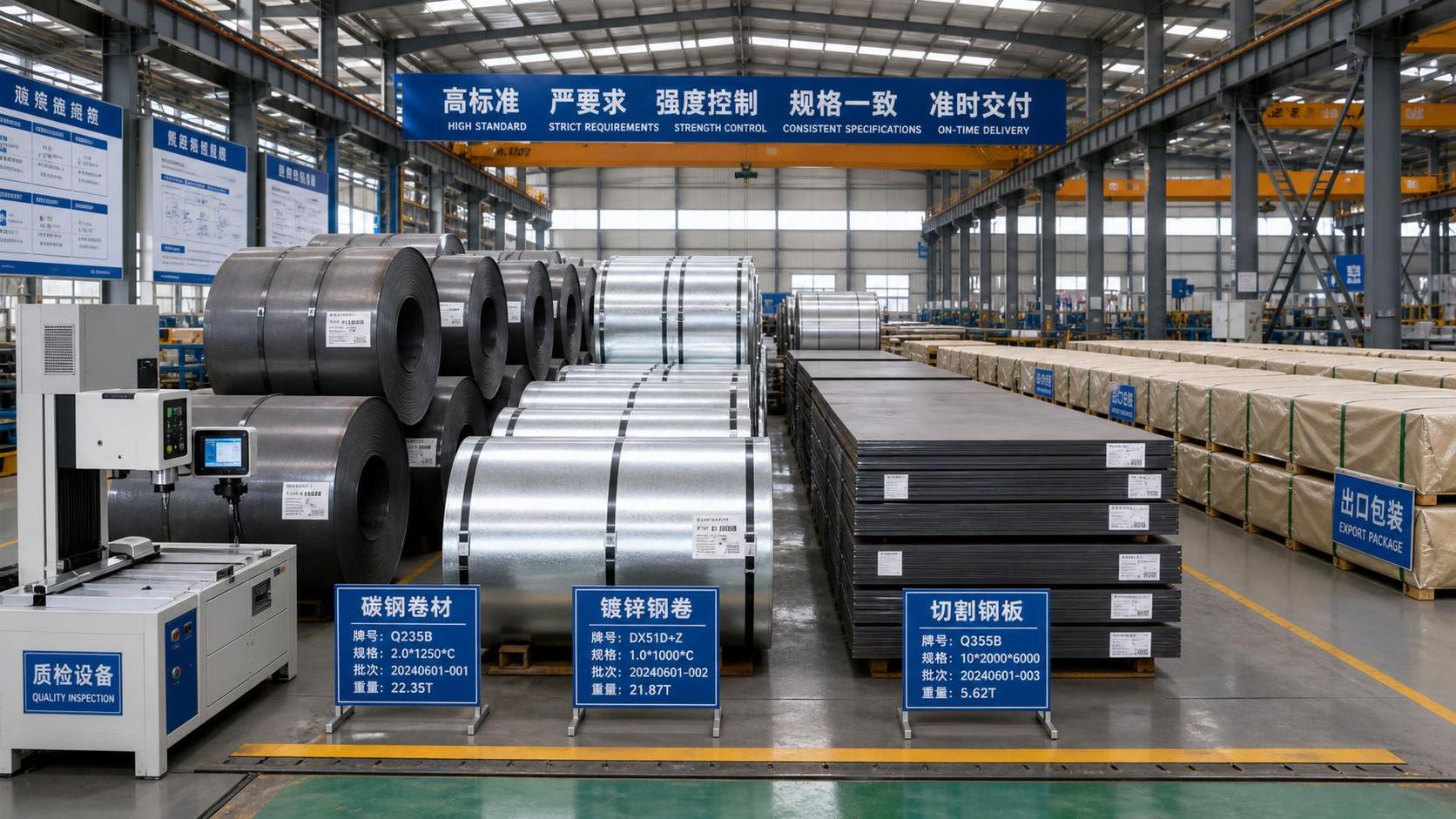
Hongteng Fengda stands out as a professional structural steel manufacturer and exporter from China, serving global construction, oil and gas, and manufacturing sectors. Our comprehensive product portfolio includes angle steel, channel steel, beams, and custom cold-formed profiles, alongside specialized stainless steel solutions. We maintain accredited quality control meeting ASTM, EN, JIS, and GB standards, ensuring dependable performance in critical thermal environments. Each order benefits from precise engineering, customizable specifications, and stable lead times powered by advanced production facilities. From supplying 304 coil for industrial applications to stainless steel strapping for packaging industry, our materials deliver cost optimization across usage cycles. Global buyers, whether project managers or safety inspectors, rely on our commitment to excellence, transparency, and responsive service. Contact us today to evaluate your ROI opportunities using certified materials designed for high-performance projects and explore sustainable cost-saving strategies tailored to your operational goals.
- channel steel
- angle steel
- galvanized steel electrical conduit
- Industrial Steel
- steel supplier
- galvanized steel
- structural steel
- steel profiles
- Structural Steel
- high temperature steel
- SGS certified steel
- stainless steel supplier
- welded stainless tubing
- coil stainless
- 304 coil
- ss 316 coil
- stainless steel roll
- steel strapping
- flat stainless steel
- inox plate
- Profile
- Galvanized
- carbon steel
- steel profile
- inox plate for construction projects
- flat stainless steel supplier in USA
- steel strapping for packaging industry
- stainless steel roll manufacturer in Germany
- ss 316 coil price per ton
- 304 coil for industrial applications
- coil stainless steel exporter in China
- welded stainless tubing for oil and gas
- SGS certified steel supplier in Europe
- high temperature steel for boiler applications
Related recommendations
 Galvanized Pipe Manufacturer Selection: Zinc Coating, Tolerance, and ComplianceGalvanized pipe manufacturer selection guide: compare zinc coating quality, tolerance control, and compliance to reduce risk and choose a supplier that delivers reliable steel products.
 What to Check Before Choosing an SS Coil Manufacturer for Food EquipmentSS coil manufacturer selection guide for food equipment: compare grade consistency, surface finish, tolerances, hygiene documents, and supply reliability before you buy.
 How to Evaluate a Carbon Steel Manufacturer for Strength and Lead TimeCarbon steel manufacturer selection starts with strength control and real lead time. Learn how to compare quality systems, standards, specs, and export readiness before you buy.
 Buy 304 Stainless Steel Wire 0.5mm Soft: What to Check Before Placing an OrderBuy 304 stainless steel wire 0.5mm soft with confidence. Learn what to check on grade, tolerance, finish, softness, and supplier quality before ordering.
Please give us a message


Please enter what you want to find