Selecting the right electrical conduit pipe is critical for safety, durability, and compliance in industrial installations—especially when sourcing ASTM steel beam, Z150 steel sheet, or DX52D steel from a trusted Shandong steel manufacturer. This guide compares galvanized vs. electroplated steel conduit, clarifying performance trade-offs, corrosion resistance, and suitability for harsh environments. As a certified structural steel manufacturer & exporter, Hongteng Fengda supplies high-grade coil coated steel, SGCD1 coil, ASTM Steel Coil, and precision-engineered conduits compliant with ASTM, EN, and GB standards—supporting procurement teams, project managers, and safety professionals worldwide.
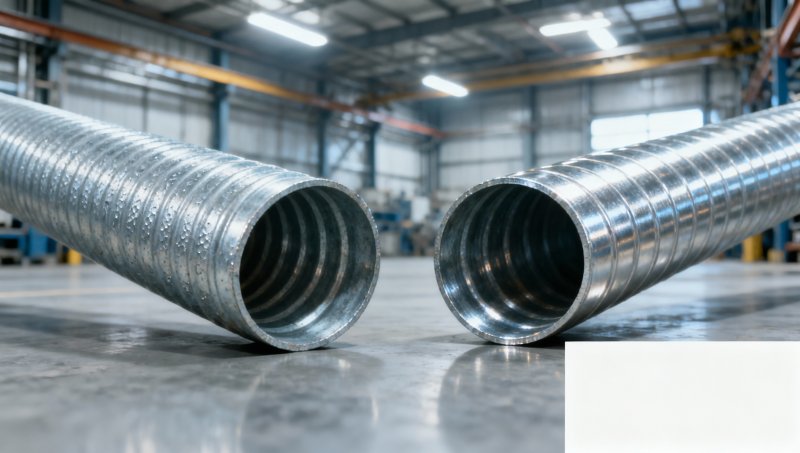
Definition & Functional Role of Electrical Conduit Pipes
Electrical conduit pipe serves as a protective mechanical housing for insulated electrical wiring—shielding cables from physical impact, moisture ingress, chemical exposure, and electromagnetic interference. In industrial settings—such as petrochemical plants, food processing facilities, or heavy manufacturing units—the conduit must withstand thermal cycling, vibration, abrasion, and aggressive cleaning agents. Unlike standard plumbing pipes, electrical conduit pipes are engineered to meet strict dimensional tolerances, grounding continuity requirements, and fire-resistance classifications (e.g., UL 6, IEC 61386).
Both galvanized and electroplated steel conduits fall under the broader category of ferrous metallic conduits. Their base material—typically low-carbon steel per ASTM A653 or GB/T 2518—is selected for weldability, formability, and tensile consistency. What differentiates them lies not in raw composition but in surface treatment methodology, zinc adhesion quality, and long-term barrier integrity under cyclic stress.
Technical Performance: Galvanized vs. Electroplated Steel Conduit
Hot-dip galvanizing involves immersing pre-cleaned steel conduit into molten zinc (≈450°C), forming a metallurgically bonded alloy layer (Zn-Fe phases) topped by pure zinc. Electroplating deposits zinc via electrolytic reduction—thin, uniform, and bright—but without intermetallic bonding. The resulting differences cascade across multiple performance axes:
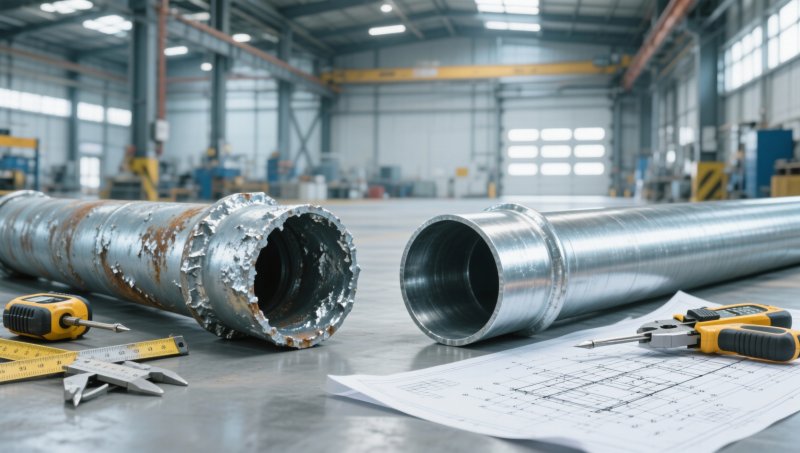
Application Scenarios: Where Each Type Excels
Electroplated conduit retains value where aesthetics, tight tolerances, and light-duty indoor use prevail—think office building risers, data center cable trays, or cleanroom HVAC ducts. Its smooth finish supports easy pulling of fiber-optic bundles and minimizes conductor abrasion during installation. However, it fails under sustained UV exposure, condensation, or mechanical flexing—making it unsuitable for outdoor plant yards, offshore platforms, or wastewater treatment infrastructure.
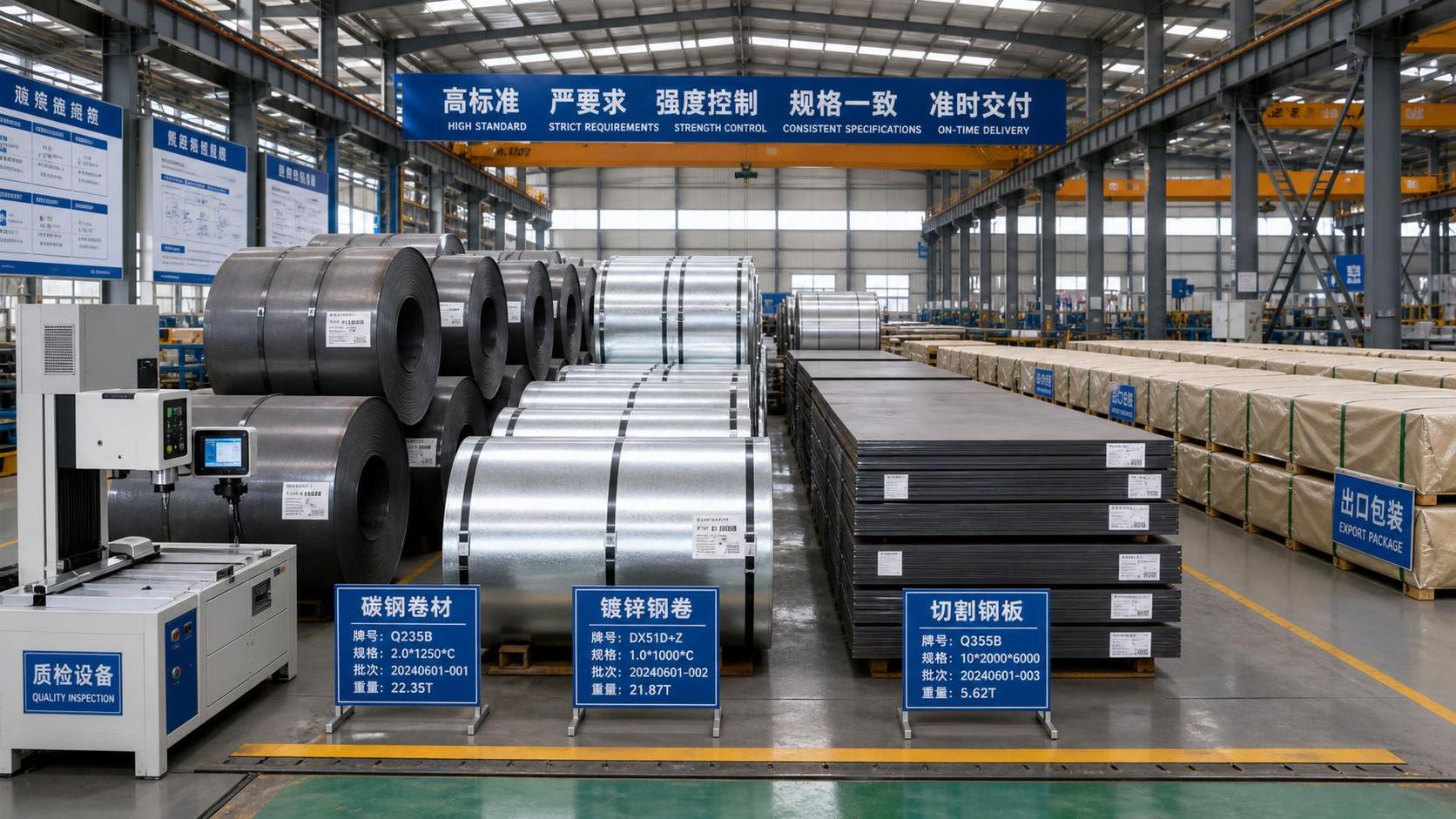
Conversely, hot-dip galvanized conduit is the default specification for North American oil refineries (per API RP 500), European chemical hubs (EN 61386-24), and Southeast Asian power substations. Its robust coating survives abrasive backfill, concrete embedment, and repeated thermal expansion cycles. Notably, Hongteng Fengda’s Galvanized Steel Coil Manufacturers supply DX52D+Z and SGCD1 coil grades optimized for seamless conduit tube production—ensuring consistent yield strength (≥270 MPa), elongation (>30%), and zinc layer uniformity across widths up to 1500 mm.
Standards & Certification: Compliance Beyond Surface Finish
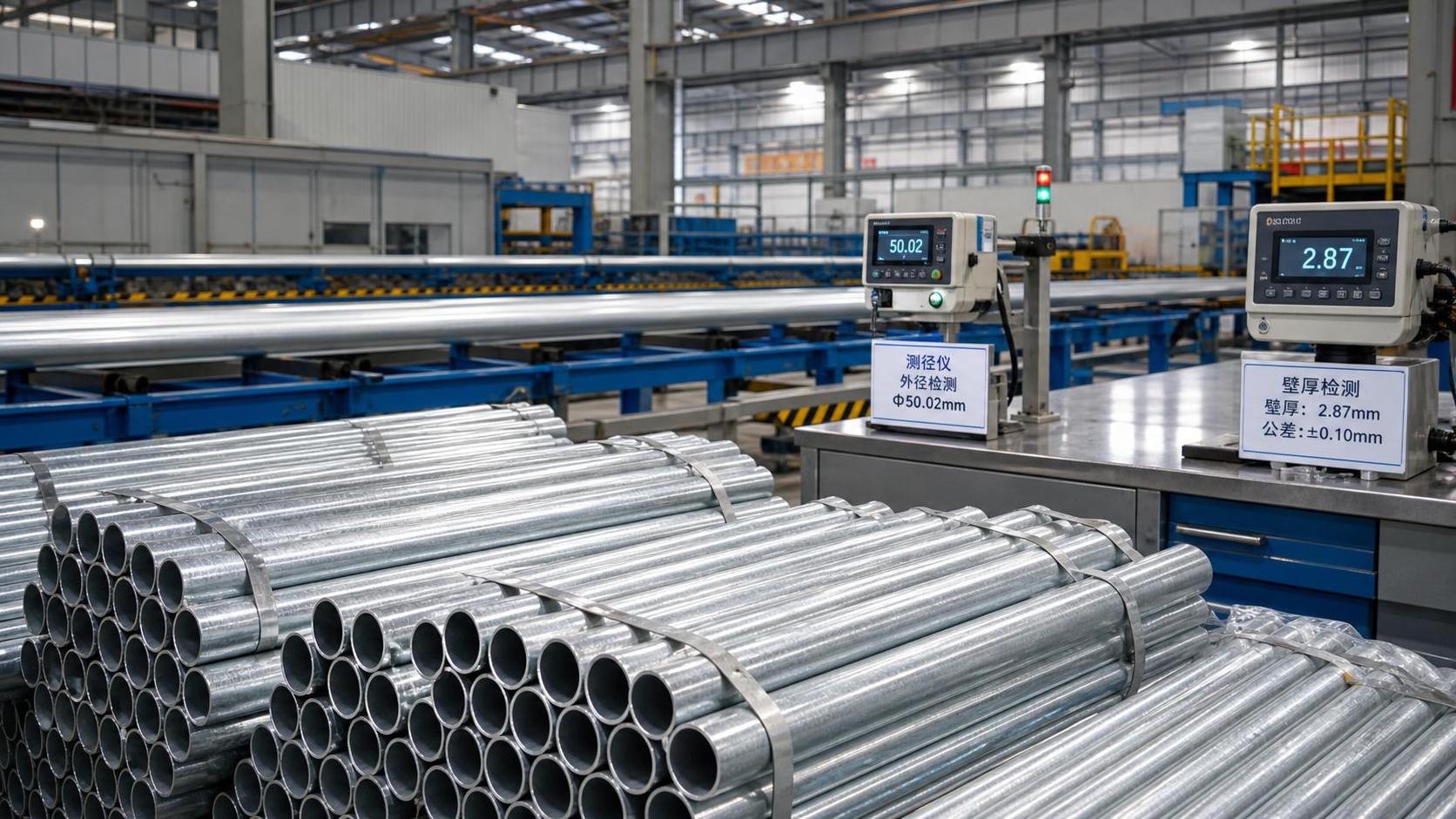
Certification isn’t optional—it’s contractual. Industrial clients routinely require third-party verification against ASTM A53 (seamless/welded pipe), UL 6 (electrical metallic tubing), and EN 10219 (cold-formed hollow sections). Galvanized conduit must further comply with ASTM A123 (zinc coating mass), while electroplated variants align with ASTM B633 (electrodeposited coatings). Non-compliance triggers rejection at port-of-entry—especially under EU REACH or U.S. CPSC import protocols.
Hongteng Fengda maintains dual-certified ISO 9001 and ISO 14001 systems, with mill test reports traceable to batch-level heat numbers. Every coil of Z150 steel sheet or ASTM steel beam undergoes ultrasonic testing (UT), tensile sampling, and salt-spray validation before export. Our coil coated steel meets AAMA 2604 for color retention, while DX52D steel conforms to JIS G3313 for deep-drawing stability—critical for conduit formed via roll-forming or hydro-bending.
Why Choose Hongteng Fengda for Your Conduit Supply Chain?
Sourcing conduit components shouldn’t mean compromising on lead time, compliance, or cost predictability. As a Shandong steel manufacturer with 18+ years’ export experience, Hongteng Fengda delivers turnkey solutions—not just coils or beams. We support OEM conduit fabricators with pre-galvanized SGCC, DX52D coil, and ASTM Steel Coil in thicknesses from 0.12 mm to 3.5 mm, all with customizable zinc layers (80–275 g/m²) and slit widths down to ±0.2 mm tolerance.
Our integrated logistics network ensures FOB Qingdao delivery within 25 days for standard orders—and priority scheduling for urgent projects across North America and the Middle East. For procurement officers managing multi-site rollouts, we offer consolidated QC reporting, bilingual documentation (English/Arabic/Spanish), and real-time shipment tracking. Safety managers receive full EN 10204 3.1 certification packages—including chemical analysis, mechanical properties, and corrosion test records.
Partner with a structural steel manufacturer that speaks your language—technical, regulatory, and operational. Contact Hongteng Fengda today for conduit-grade steel samples, ASTM-compliant test reports, or customized coil-coated steel quotations aligned with your next industrial installation.
- galvanized steel coil manufacturers
- galvanized steel coil
- ASTM Steel Coil
- SGCC
- hot-dip galvanized
- electroplated steel conduit
- electrical conduit pipe
- DX52D steel
- steel coil
- galvanized steel
- DX52D coil
- SGCD1 coil
- coil coated steel
- Z150 steel sheet
- structural steel
- Shandong steel
- ASTM steel beam
- Structural Steel
- Galvanized Steel Coil Manufacturer
- steel coil manufacturers
- Galvanized
- Steel Beam
- carbon steel
- steel sheet
- steel conduit
Related recommendations
 Galvanized Pipe Manufacturer Selection: Zinc Coating, Tolerance, and ComplianceGalvanized pipe manufacturer selection guide: compare zinc coating quality, tolerance control, and compliance to reduce risk and choose a supplier that delivers reliable steel products.
 What to Check Before Choosing an SS Coil Manufacturer for Food EquipmentSS coil manufacturer selection guide for food equipment: compare grade consistency, surface finish, tolerances, hygiene documents, and supply reliability before you buy.
 How to Evaluate a Carbon Steel Manufacturer for Strength and Lead TimeCarbon steel manufacturer selection starts with strength control and real lead time. Learn how to compare quality systems, standards, specs, and export readiness before you buy.
 Buy 304 Stainless Steel Wire 0.5mm Soft: What to Check Before Placing an OrderBuy 304 stainless steel wire 0.5mm soft with confidence. Learn what to check on grade, tolerance, finish, softness, and supplier quality before ordering.
Please give us a message


Please enter what you want to find