When specifying ASTM stainless steel for demanding environments, choosing between 316 angle and 304 angle isn’t just about corrosion resistance—it’s about ROI. With a typical 22% premium, does 316 angle justify the cost? This guide cuts through the noise with a practical break-even use case calculator—designed for engineers, procurement teams, and project managers evaluating l-shaped metal bars, bracing angle in steel structure, or galv angle alternatives. Whether you need l shape steel for marine infrastructure, angle plate steel for chemical plants, or custom l shaped metal sheet under EN/ASTM standards, Hongteng Fengda helps you quantify longevity vs. upfront cost—backed by ISO-certified production and global supply reliability.
Why Corrosion Resistance ≠ Automatic Justification
Many procurement professionals assume that higher-grade stainless steel like 316 angle is inherently superior—and therefore always worth the extra investment. But real-world performance hinges on environmental specificity, not generic alloy superiority. For instance, standard l shape angles made from 304 stainless steel perform exceptionally well in urban atmospheres, food processing zones, or indoor architectural applications where chloride exposure remains low (<50 ppm). In such cases, the 22% premium for 316 offers negligible lifecycle advantage.
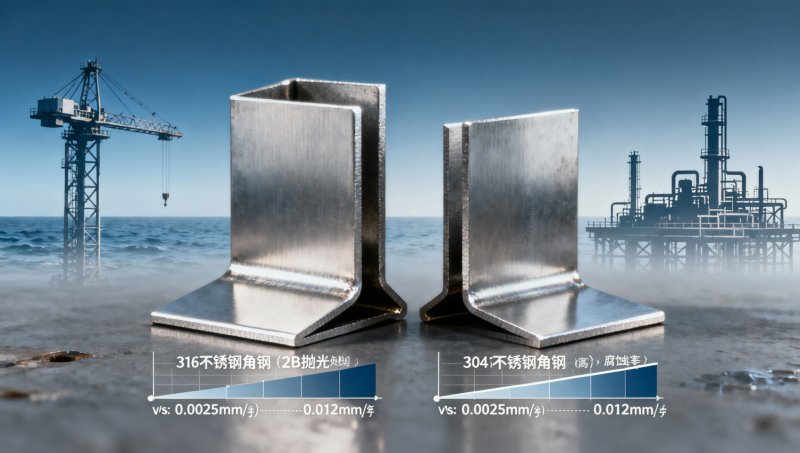
Conversely, in coastal construction, offshore platforms, desalination plants, or pulp-and-paper facilities, chloride-induced pitting and crevice corrosion accelerate dramatically. Here, molybdenum (2–3%) in 316 stainless steel forms a robust passive layer that resists localized attack—extending service life by 3–5× compared to 304. That’s where the break-even logic shifts: not “Is it stronger?” but “How many years of avoided replacement, downtime, and safety risk does it buy?”
Technical Performance: Beyond the Molybdenum Myth
While molybdenum content defines the primary differentiator, mechanical and fabrication properties matter equally when selecting angle plate steel for structural integrity. Below is a side-by-side comparison of key ASTM stainless steel grades used in l-shaped metal bars:
Break-Even Use Case Calculator: When Does 316 Pay Off?
Let’s translate technical specs into procurement decisions. Assume a project requires 2.5 tons of l shaped metal bars (50×50×5 mm, 6m length) for exterior bracing in a seawater-cooled power plant. The installed cost difference is $1,920 (22% premium over 304). Using industry-validated corrosion rate data (ISO 9223), we estimate:
- 304 angle: 0.012 mm/year penetration in splash zone → service life ≈ 8–10 years before structural compromise;
- 316 angle: 0.0025 mm/year penetration → service life ≈ 40–45 years.
Factoring in labor, scaffolding, shutdown costs (~$12,500 per replacement cycle), and 3% annual discount rate, the net present value (NPV) of avoiding one replacement exceeds $8,700. Thus, the 316 investment breaks even in Year 3.7—even before accounting for safety compliance and insurance premium reductions. For projects targeting >25-year design life—especially those using H Girder as primary load-bearing members—the calculus becomes unequivocal.
Procurement Guide: Avoiding Costly Missteps
Buyers often overlook three critical selection filters beyond grade alone:
- Surface finish matters: 2B finish on 316 angle improves chloride resistance over No. 1 hot-rolled; specify ASTM A480 for consistency.
- Heat treatment verification: Ensure mill test reports (MTRs) confirm solution annealing at 1040–1150°C—essential for restoring corrosion resistance after welding or bending.
- Galv angle compatibility: Never mix galvanized carbon steel and 316 stainless in direct contact without dielectric isolation—galvanic corrosion accelerates degradation of both materials.
At Hongteng Fengda, every shipment of 316 angle, l shape steel, or angle galvanized includes full traceability: heat number, chemical analysis, mechanical test results, and third-party inspection certificates (SGS/BV/TÜV). We support OEM labeling, custom packaging, and EN/ASTM dual-certification—critical for multinational EPC contractors managing parallel regulatory submissions across North America, Europe, and the Middle East.
Why Choose Hongteng Fengda?
As a certified structural steel manufacturer and exporter from China, Hongteng Fengda bridges the gap between global specification rigor and cost-effective execution. Our integrated facility produces ASTM stainless steel angles alongside carbon and galvanized structural components—including H Girder—all under unified quality control aligned with ISO 9001, ISO 14001, and OHSAS 18001. Unlike fragmented suppliers, we offer single-point accountability for mixed-material structural packages: e.g., 316 bracing angle in steel structure paired with Q345B H girders and galv angle connectors.
With production capacity exceeding 300,000 MT/year and dedicated export teams fluent in English, Arabic, Spanish, and Russian, we reduce sourcing friction—not just for end users, but for distributors and agents seeking reliable white-label partnerships. Contact us today for your customized l shaped metal sheet quote, free material substitution analysis, or ASTM/EN compliance audit support.
Related recommendations
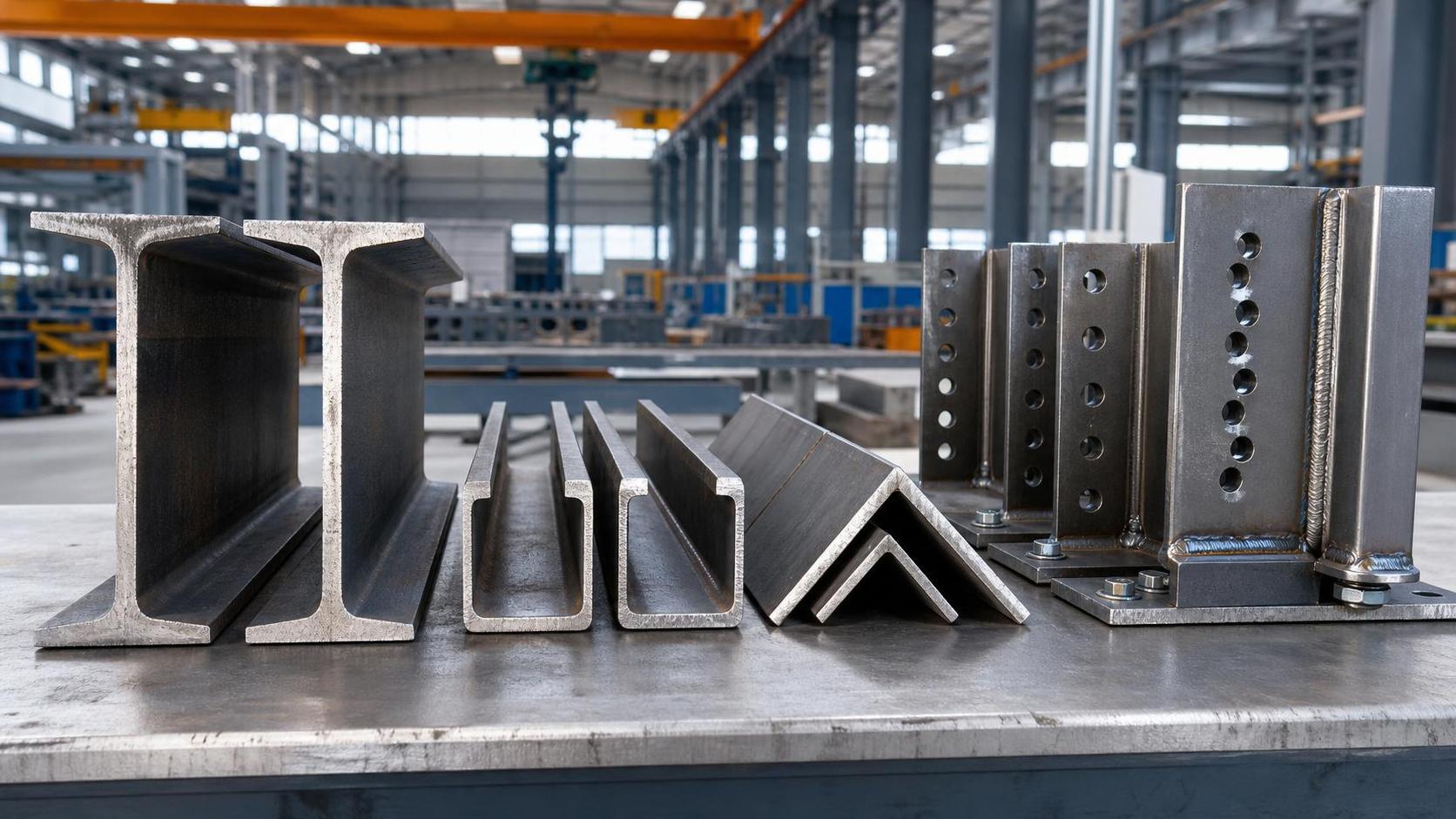
 How to Select a Steel Profile Based on Load, Span, and Fabrication NeedsProfile selection starts with load, span, and fabrication needs. Learn how to compare steel sections for strength, cost, workability, and sourcing efficiency.
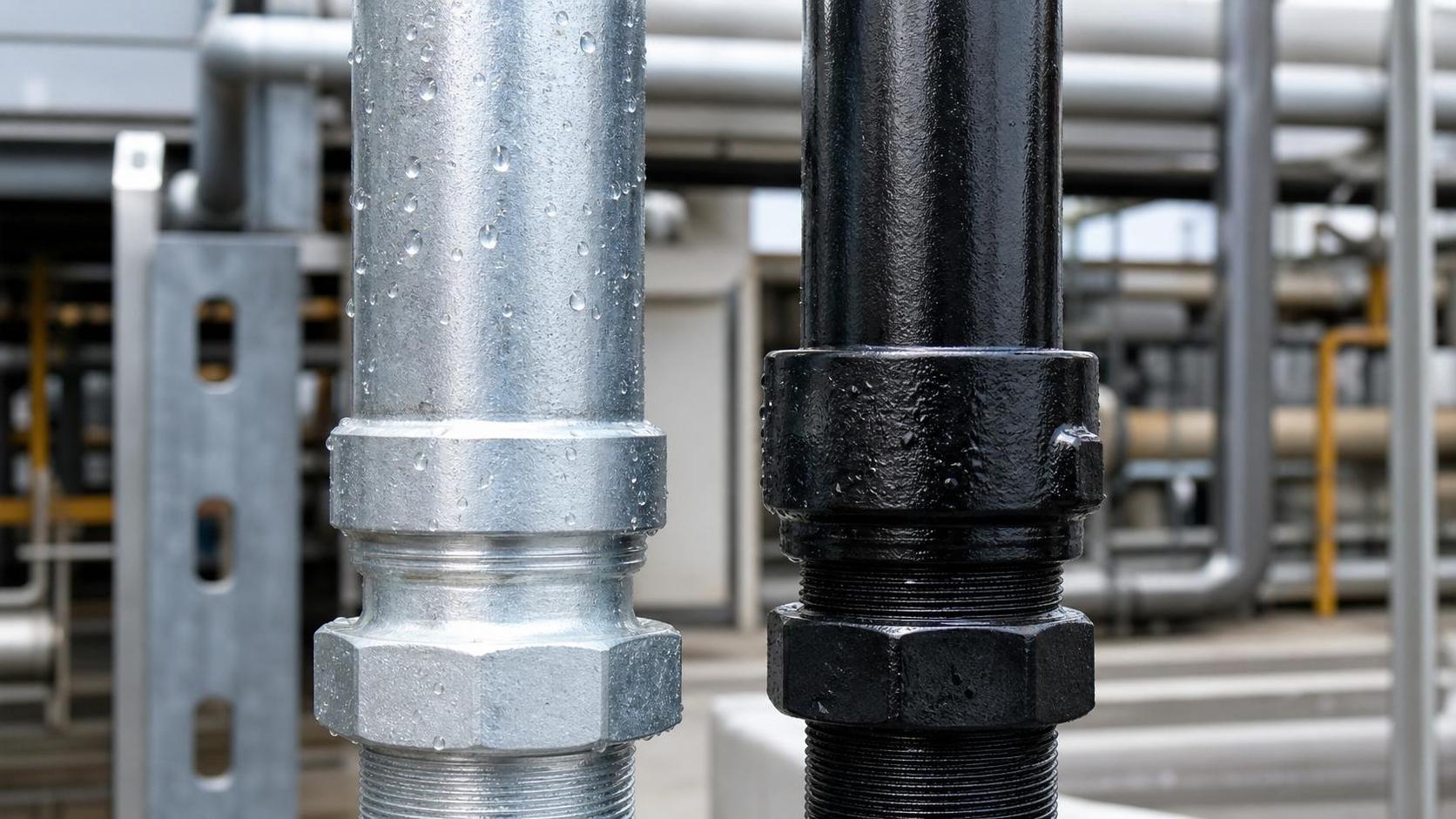
 Galvanized Pipe vs Black Pipe: Which One Fits Water, Gas, or Outdoor Lines?Galvanized pipe or black pipe? Compare the best choice for water, gas, and outdoor lines, with key insights on corrosion, codes, cost, and long-term performance.
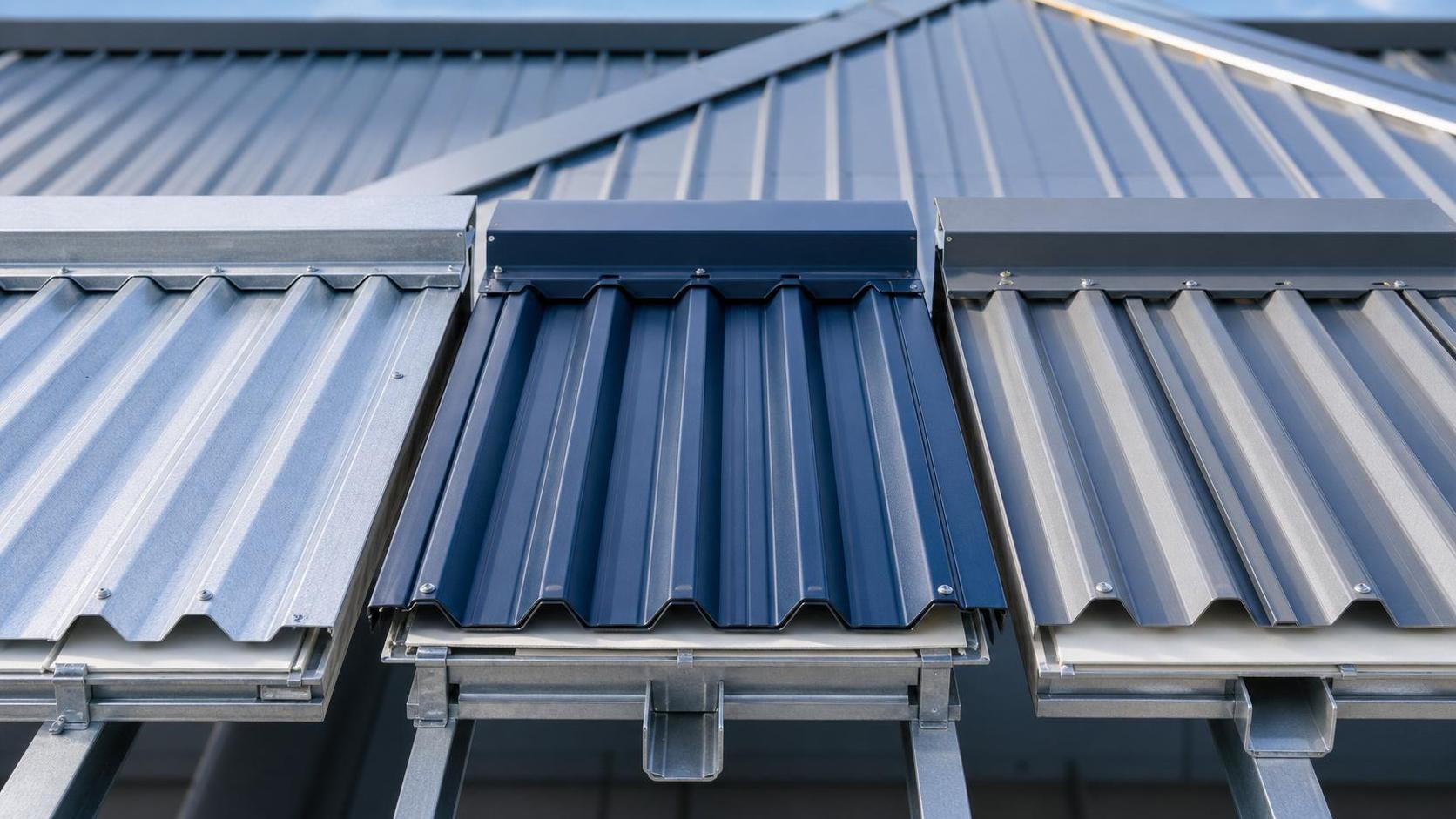
 How to Choose Steel Roofing for Warehouses, Farms, and Residential BuildingsSteel Roofing selection depends on building type. Learn how warehouses, farms, and homes differ in corrosion, insulation, drainage, and cost for smarter roofing decisions.
 Hot-Dip Galvanized vs Pre-Galvanized Steel: Which Should You Specify?Hot-dip galvanized vs pre-galvanized steel: compare corrosion resistance, fabrication impact, cost, and standards to specify the right steel solution for durable, compliant projects.
Please give us a message


Please enter what you want to find