This 2025 ROI checklist helps steel and metal-packaging professionals, project managers and maintenance teams assess budgeting for capacity, tooling and downtime reduction when investing in 2-piece can equipment. It outlines cost drivers across the tin can forming process, compares suppliers from tin can machinery manufacturer and can making machine China to full aerosol can making line investments, and evaluates capital needs for welding machine for tin can, food can sealing machine and related metal packaging equipment. Use this guide to prioritize upgrades that boost throughput, lower lifecycle costs and improve uptime.
As steel and metal-packaging operations scale in 2025, decision-makers face competing demands: expand capacity, control tooling and consumable expenses, and minimize downtime that erodes margins. This checklist is written for a wide set of stakeholders — information researchers, equipment operators, quality and safety managers, project leads, aftermarket technicians, and distributors — who must evaluate investments in 2-piece can equipment and broader metal packaging equipment portfolios. The tin can forming process, from coil handling to trimming, welding and sealing, interacts closely with upstream steel supply and downstream packaging requirements. For companies sourcing raw material and components, understanding the capital and operational levers that determine total cost of ownership is essential. Below we unpack cost drivers, tooling strategies, maintenance and supplier trade-offs to enable an evidence-based budgeting approach aligned with throughput targets, product mix (e.g., food cans versus aerosol cans) and quality tolerances.
Capacity budgeting: aligning throughput targets with steel handling and line architecture
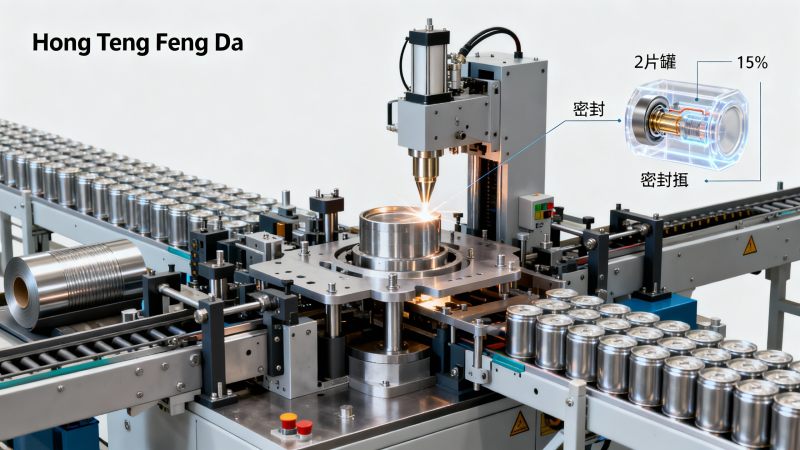
Capacity planning begins with clear throughput objectives expressed in units per hour, shift utilization and annual production tons of processed steel. For 2-piece can equipment investments, budget lines should include not only machine price but also coil feeding systems, decoilers, levelers suited to the thickness and temper of the steel you buy, and any material-specific tooling for tin can forming process stages. Key inputs to quantify are cycle time per can, changeover time between sizes, expected scrap rates, and required uptime percentage. For example, improving net uptime from 85% to 92% on a single high-speed can making machine China line may deliver double-digit increases in annual output without proportional increases in labor or floor space.
When evaluating capacity you should:
- Model scenarios for product mix: 3-piece can production requires different seaming and welding capacity than 2-piece can equipment; aerosol can making line needs additional leak testing and valve crimping stations.
- Include upstream steel logistics: material staging, coil change time, and the influence of steel coil width and yield on setup frequency.
- Estimate material conversion losses and scrap rates: tighter process control in the tin can forming process typically reduces scrap, improving effective throughput.
- Consider modular expansions: some tin can machinery manufacturer offerings allow phased addition of modules (additional turret stations, welding heads, or sealing modules), which can be more capital efficient than oversized initial buys.
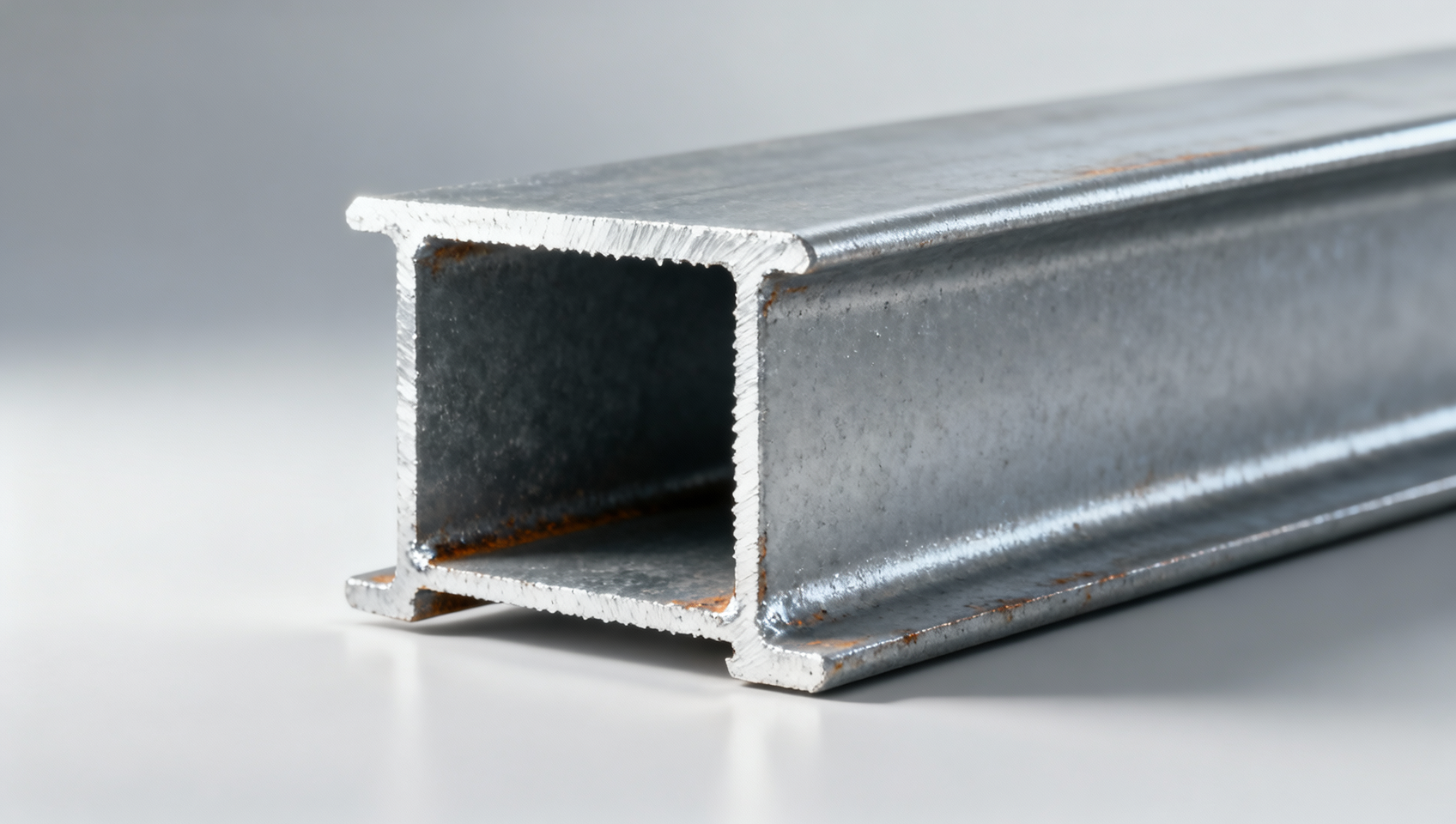
Budget items to capture in a capacity worksheet: machine base price, ancillary handling (conveyors, palletizers), power and compressed air upgrades, tooling sets by size family, integration and controls engineering, operator training, and an allowance for layout changes. Use conservative assumptions for early ROI modelling (e.g., 80% baseline uptime, realistic scrap) and then run sensitivity analysis: small improvements in changeover or scrap can materially shorten payback. For structural support and material handling related to heavy coils and frames, consider investment in steel c channel beam and mezzanine reinforcements to ensure safe, code-compliant installations. Planning these civil and structural items early avoids retrofits that delay commissioning and escalate costs.
Tooling, consumables and lifecycle cost control for can forming and sealing
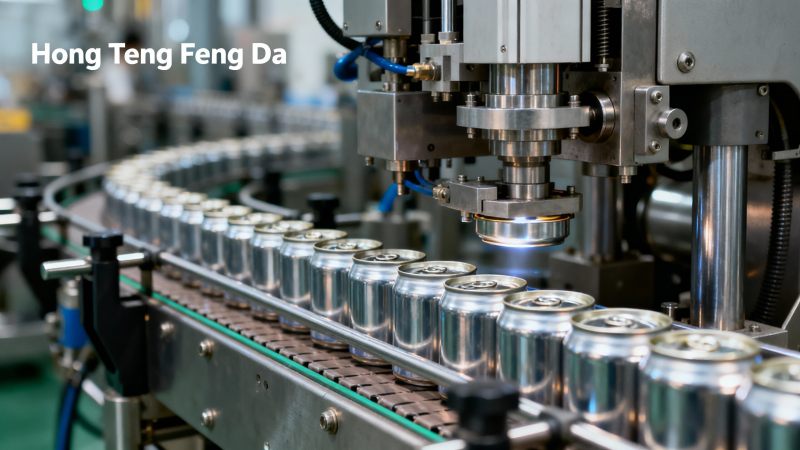
Tooling often represents a larger share of lifetime cost than the initial equipment purchase when a facility runs multiple sizes or frequent changeovers. For 2-piece can equipment, tooling encompasses forming dies, seaming jaws, trimming knives, and cutting punches. Consumables include lubricants, welding wire or flux for welding machine for tin can stations, gasket materials for food can sealing machine operations, and abrasive elements used in maintenance. A disciplined tooling strategy reduces downtime and enhances repeatability across the tin can forming process.
Practical budgeting steps:
- Inventory current tooling families and life expectancy by material and run length; quantify replacement frequency and unit cost.
- Negotiate tooling bundles with your tin can machinery manufacturer to secure volume discounts and defined lead times, critical for rapid changeover demands in a mixed SKU environment.
- Standardize where possible to reduce tool count. For instance, selecting a smaller, targeted family of diameters can reduce tooling sets and spare part inventory, lowering carrying costs.
- Factor in calibration and maintenance labor costs. High-precision forming dies require scheduled surface refinishing and alignment checks to avoid progressive quality drift.
Consider the lifecycle cost of specific equipment types: welding machine for tin can heads vary from resistance welders to laser systems — each has different capital and consumable profiles. Resistance welding typically has lower upfront cost and predictable electrode wear; lasers can reduce edge distortion and rework but demand higher initial investment and specialized maintenance. For food can sealing machine selections, prioritize machines with built-in torque/closure control and quick tooling changeover to minimize spoilage risk and downtime during line changeovers. When evaluating suppliers from can making machine China vs. local tin can machinery manufacturer options, request full lifecycle cost models showing expected consumable spend, typical mean time between failures (MTBF), and cost per million cans produced. As part of tooling planning, embed a spare tooling policy (e.g., two full sets for critical sizes) and secure access to rapid manufacturing partners who can recondition or reproduce dies quickly to prevent extended line stops.
Occasionally, product-specific steel surfaces or patterned plates can influence tooling and forming outcomes. When a patterned substrate is required for anti-slip or decorative ends, verify compatibility with forming tolerances; for example, material like 235JR Patterned steel plate must be validated on trial runs to confirm die life and forming integrity. Test runs and pilot batches should be budgeted to identify such interactions before committing to full production launches.
Downtime reduction: maintenance strategies, predictive analytics and spare parts planning
Downtime is the most visible and controllable drag on ROI. The tin can forming process has many moving parts: high-speed spindles, servo-indexed feeders, welding heads, seaming stations, and final inspection systems. A robust maintenance strategy blends preventive schedules with condition-based monitoring. Start with an audit of current failure modes (bearing wear, misalignment, seal degradation, electrical control faults) and compute mean time to repair (MTTR) and mean time between failures (MTBF) to prioritize interventions that yield the highest uptime gains per dollar spent.
Key actions to budget for downtime reduction:
- Invest in diagnostic instrumentation: vibration sensors, thermal cameras, and current monitoring on critical motors. These are low-to-moderate capital expenditures but can detect degradation early, preventing catastrophic stoppages.
- Adopt predictive maintenance software or modules offered by leading tin can machinery manufacturer vendors. These platforms aggregate machine telemetry to flag anomalies and optimize service intervals.
- Establish a critical spare parts list and local inventory levels. For items with long lead times (custom rollers, servo drives, or unique welding heads), budget for on-site spares or expedited shipping agreements with suppliers.
- Train in-house maintenance teams with OEM-backed programs. Well-trained technicians resolve issues faster and reduce reliance on costly external service calls.
Budget implications: allocate a portion of annual operating expense for predictive maintenance tools and consumables. For new investments in aerosol can making line or upgraded 2-piece can equipment, include an extended warranty and a service-level agreement (SLA) that defines response times, parts availability, and remote diagnostic access. When comparing proposals from can making machine China vendors and domestic tin can machinery manufacturer options, weigh SLA terms heavily: faster response time and guaranteed parts inventory often justify a higher initial contract price through reduced unplanned downtime. Track uptime KPIs post-installation: aim for incremental targets (e.g., from 88% to 93% within 12 months) and tie vendor payments or incentives to achieving agreed metrics where possible.
Supplier comparison, capital scenarios and ROI modeling for metal packaging equipment
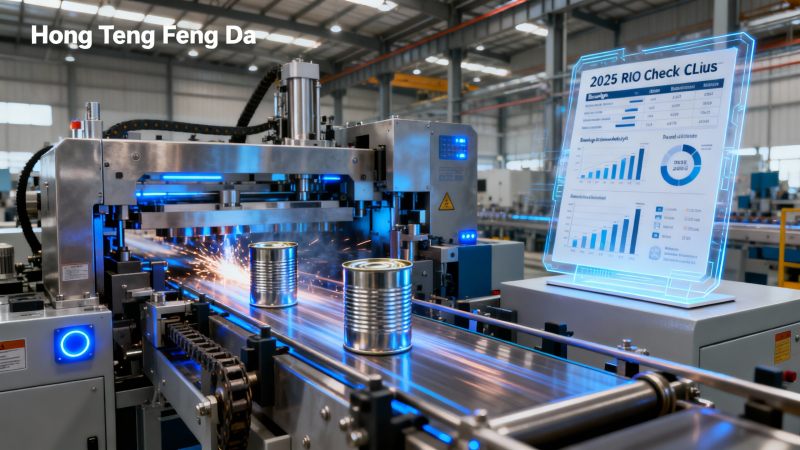
Selecting between a complete aerosol can making line and modular upgrades (e.g., adding a welding machine for tin can or a food can sealing machine) requires a structured supplier comparison and scenario-based ROI modeling. Key evaluation criteria: technical fit (tolerances, speeds), total cost of ownership (TCO) across a 5–10 year horizon, spare parts and tooling availability, service footprint, and compliance with food contact and safety standards. Create at least three capital scenarios: conservative (retrofit/upgrade existing lines), balanced (buy modular equipment with phased integration), and aggressive (buy new integrated aerosol can making line). For each scenario, model capital expenditure, expected incremental throughput, changeover flexibility, scrap reduction, labor impact, and annual maintenance spend.
When benchmarking suppliers, request standardized data: nominal speed, realistic sustained speed under your expected product mix, tooling compatibility, and reference installations producing similar can types. For 3-piece can production versus 2-piece can equipment, note differences in seam type, materials joining methods and inspection requirements that influence both CAPEX and OPEX. Evaluate whether local or regional tin can machinery manufacturer has faster spare parts delivery and onsite technicians compared to offshore can making machine China vendors. Consider bundling supply of forming components with your steel supplier: firms with integrated steel production and metal packaging equipment partnerships can sometimes offer favorable terms for consistent coil specifications and scheduled deliveries, reducing variability in the tin can forming process.
ROI modeling example (simplified): calculate incremental annual contribution = (additional throughput in cans * margin per can) – incremental OPEX (maintenance, consumables, energy). Divide capital outlay plus upfront integration costs by this contribution to estimate payback. Then perform sensitivity analysis on margins, uptime improvement, and scrap reduction. Many projects show that investments that reduce changeover by 30–50% and increase uptime by 4–6% repay within 2–4 years in mature steel and packaging operations. Use these numbers as sanity checks, but always validate with pilot production metrics.
Summary and recommended next steps
In 2025, high-performing steel and metal-packaging operations prioritize investments that produce measurable throughput gains and durable reductions in lifecycle cost. This checklist encourages a holistic view: align capacity planning with steel handling requirements, control tooling and consumable trajectories, invest in predictive maintenance to reduce downtime, and compare supplier offers on TCO and service. Practical next steps: conduct a baseline audit of uptime and scrap by product family, obtain bundled lifecycle proposals from shortlisted suppliers, and run scenario-based ROI models with conservative assumptions. Engage stakeholders across procurement, production, quality and maintenance to validate assumptions and commit to KPI targets for the first 12 months post-commissioning.
Shandong Hongteng Fengda Metal Materials Co.. Ltd. and other established providers in the steel sector can support reliable material supply and technical advice during equipment selection and commissioning. Their experience in producing a wide range of steel plates, coils and profiles means they can assist in matching substrate specifications to equipment capability and advise on structural considerations such as steel c channel beam reinforcements for heavy coil-handling layouts. Choose partners who can demonstrate documented case studies, clear SLAs, and an ability to support spare parts and tooling quickly in your region.
Ready to convert this checklist into an actionable procurement plan? Contact our team to schedule a capacity audit, obtain comparative lifecycle quotes for 2-piece can equipment, welding machine for tin can options, or a full aerosol can making line budget. We can also help you model payback scenarios tailored to your product mix and operational constraints. Immediate steps: request a site visit, prioritize three ROI improvement levers (throughput, tooling life, downtime), and set a 90-day pilot plan to validate assumptions. Act now to secure lead times and favorable pricing for 2025 deliveries — improve throughput, lower lifecycle costs and protect uptime. Contact us to learn more and start planning your upgrade today.
Related recommendations
 How long does acero prepintado retain gloss and color stability in direct desert sunlight?Acero prepintado gloss & color stability in desert sun? Discover real-world performance data, PVDF vs. polyester longevity, and spec-critical insights for GCC projects.
 Does acero pregalvanizado maintain coating integrity after cold bending to 90 degrees?Acero pregalvanizado maintains coating integrity after 90° cold bending — when engineered right. Discover how Hongteng Fengda guarantees real-world performance, adhesion & corrosion resistance.
 Do the advantages of galvanized steel include reduced fire risk compared to untreated carbon steel?Advantages of galvanized steel include measurable fire-risk reduction vs. untreated carbon steel—learn how zinc delays ignition, buys critical escape time, and enhances safety without false 'fireproof' claims.
 How much does 2 inch ss pipe price increase when upgrading from Schedule 40 to Schedule 80 for high-pressure systems?2 inch ss pipe price increases 18–35% when upgrading from Sch 40 to Sch 80—discover why, when it’s truly needed, and how to avoid overpaying.
Please give us a message


Please enter what you want to find