When comparing an A36 steel angle to a brushed steel angle, understanding their structural performance is essential for selecting the right material for your construction or manufacturing project. As a trusted structural steel manufacturer and exporter from China, Hongteng Fengda provides high-quality solutions ranging from GI coil galvanized steel and large galvanized sheet metal to carbon steel plate supplier options. This article explores how different steel angles perform under various conditions, helping project managers, buyers, and engineers choose the most efficient and reliable steel components for long-term structural integrity.
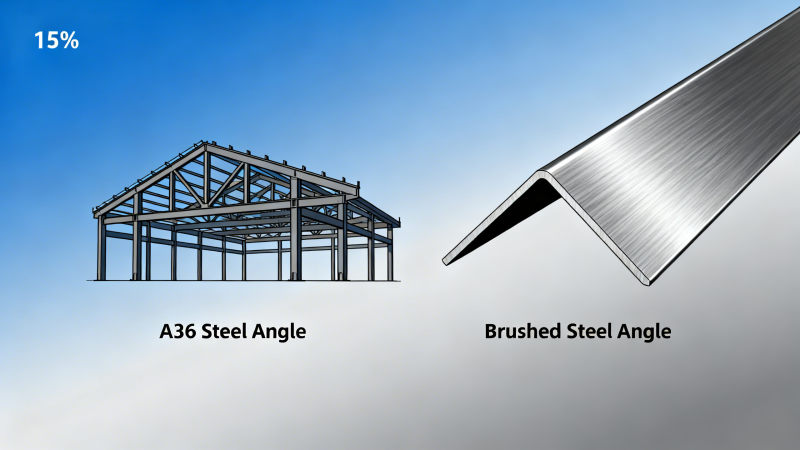
Understanding the Composition and Mechanical Features of A36 Steel Angle and Brushed Steel Angle
A36 steel angle, a common structural carbon steel under the ASTM standard, is widely recognized for its balance of strength, ductility, and cost efficiency. It typically contains carbon, manganese, and trace elements that contribute to its toughness and machinability. This makes the A36 steel angle suitable for frameworks, supports, and braces in various structures like bridges, factories, and heavy machinery bases. Its yield strength of approximately 250 MPa and tensile strength up to 400–550 MPa provide a stable performance profile under dynamic loads and bending stress. In contrast, a brushed steel angle refers to a stainless or carbon steel angle that has undergone a surface treatment process to achieve a brushed finish. The brushing process enhances aesthetic appeal and slightly modifies its surface properties but does not fundamentally change the core mechanical strength unless the base metal is different. Many brushed steel angles use stainless steel grades such as 304 or 316, giving them superior corrosion resistance and higher tensile strength. However, this gain in corrosion performance often comes with increased project costs, making selection dependent on specific project priorities and environmental exposure conditions. For example, where a project demands resistance to chemical exposure or moisture, such as in marine environments or food processing facilities, brushed stainless steel angles can offer lifecycle advantages. However, in industrial or civil construction projects requiring bulk steel frameworks, A36 steel angle remains the go-to option for strength, weldability, and cost control. This is why suppliers dealing with structural products like galvanized angles or sheet metal angle iron often recommend A36 steel for heavy-duty frameworks that prioritize efficiency and economy.
Performance Comparison under Structural and Environmental Conditions
Structural performance is not determined solely by the metal’s composition but also by its behavior under stress, load distribution, and environmental exposure. The A36 steel angle exhibits high ductility, allowing it to deform slightly before failure—a vital property for absorbing dynamic loads in seismic or wind-prone zones. When combined with the use of galvanized finishes, such as large galvanized sheet metal or steel galvanized sheet coatings, its lifespan can be significantly extended, reinforcing its role as a durable and cost-efficient structural material. On the other hand, brushed steel angles, when made of stainless steel, excel in resisting oxidation, heat, and corrosion, making them ideal for installations where appearance and resistance to environmental elements are critical. Yet, their smooth surfaces can make welding or joining more technically demanding, requiring precise workmanship to maintain integrity at the joints. This distinction becomes essential during project planning, especially for buyers who must balance aesthetic design with mechanical requirements. Industry tests have shown that even though stainless brushed steel angles outperform in corrosion tests, the yield and tensile load capacities of an A36 steel angle remain competitive for the cost. In large-scale frameworks—factories, storage facilities, bridges, or towers—A36 structural profiles, supported by reputed galvanized steel coil suppliers, yield a more flexible implementation strategy. The pre-treatment and post-finishing techniques like cold forming, oil sealing, or zinc coating further optimize performance, making it suitable for a wider range of general engineering applications.
Applications and Integration with Modern Structural Components
Both types of steel angles are essential in the modern building and manufacturing sectors. The A36 steel angle proves its value in load-bearing frames, transportation structures, and civil engineering. It combines strength and affordability, which reduces sourcing risks and overall project costs. It performs exceptionally well when integrated with supporting products like GI coil galvanized steel and right angle iron profiles for reinforced connections. Brushed steel angle, conversely, delivers superior surface aesthetics. In interior architectural frameworks, escalator claddings, and decorative metallic structures, brushed steel angles are favored due to their modern visual appeal. While they are less commonly used as primary load-bearing elements, their stability in mild environments makes them ideal for design-centric uses. An example of how structural materials are chosen in engineering solutions can be observed in Hongteng Fengda’s integrated portfolio, which includes Wire rod. Available in grades like HRB335, HRB400, and HRB500, and materials such as Q195, Q235, Q345, or ST52, these wire rods are used in bridges, highways, and tunnel reinforcements. Their compliance with international standards (ASTM, JIS, DIN, BS) ensures structural reliability in diverse conditions. The ability to pair angle steels with components like hot rolled or cold rolled wire rod demonstrates how manufacturers design systematic solutions rather than isolated products, strengthening both structural integrity and supply chain agility.
Material Selection Strategies for Buyers and Project Engineers
For procurement specialists, engineers, and project decision-makers, selecting between A36 steel angle and brushed steel angle requires understanding operational priorities. For example, cost visibility remains a defining factor in large-scale projects. A carbon steel plate supplier can typically deliver A36 steel components with shorter lead times and customizable dimensions, increasing efficiency during phased construction. When coated with galvanization, these components align with global standards for structural performance and rust protection. Buyers also factor in finish requirements and compliance with safety standards. A brushed steel angle may be required for visible areas of a structure where design and cleanliness play an important role. However, over-engineering with high-cost alloys where they are not needed can affect budget control. A balance between mechanical performance, coating options, and aesthetic considerations should therefore determine the final choice. With evolving demand for sustainable infrastructure, many global distributors are expanding their offerings to include recyclable and energy-efficient steel types. For instance, galvanized angles and sheet metal angle iron treated through eco-friendly coatings are now being adopted in Europe and North America. This reflects a broader shift where end users not only assess materials for strength but also for environmental durability and supply reliability. Manufacturers like Hongteng Fengda also offer OEM processing services—cutting, punching, bending—that allow global clients to customize components on a project-by-project basis while maintaining compliance with ASTM and EN standards.
Market Trends and Future Outlook in Structural Steel Innovation
The global steel angle market continues to evolve alongside infrastructure modernization. Demand for A36 steel angle remains strong due to its adaptability and integration potential with both traditional and automated fabrication systems. Meanwhile, brushed steel angles are seeing broader applications in prefabrication and hybrid structures that blend functionality with visual appeal.
Recent innovations focus on combining galvanization with surface texturing to achieve an in-between option—providing both corrosion resistance and a professional finish. As galvanized steel coil suppliers enhance coating technologies—such as high-zinc or dual-layer galvanization—builders gain more flexibility in sustainability and maintenance-free operation. At the same time, technological advancements in bending, welding, and decoiling are improving precision manufacturing. Products like Wire rod complement these structural systems by delivering tensile reinforcement, especially in civil engineering elements such as beams, columns, walls, and slabs.
Additionally, digitalization in steel procurement platforms allows for real-time comparison between products like GI coil galvanized steel, steel galvanized sheet, and carbon steel plate supplier packages. This progress helps distributors and contractors optimize sourcing strategies, lowering procurement complexity while improving traceability. Future-oriented buyers are emphasizing long-term cost benefits through quality assurance, supplier accountability, and structural lifecycle analysis—showing a clear preference for reliable manufacturers with verifiable standards and export capability.
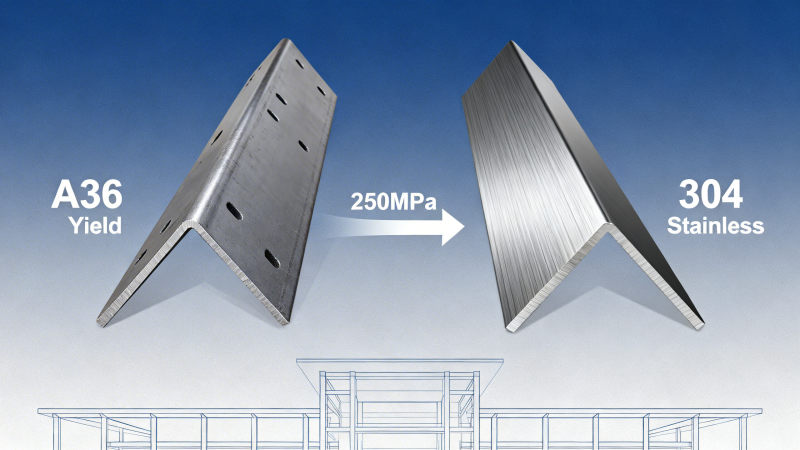
Conclusion: Building Stronger Structures with Smart Steel Choices
Selecting between an A36 steel angle and a brushed steel angle ultimately depends on the balance of mechanical demands, environmental exposure, and budget targets. For most construction and manufacturing projects requiring dependable tension resistance, weldability, and cost control, A36 steel angles deliver outstanding value. Brushed steel angles serve specialized roles in aesthetic or corrosion-prone environments, enhancing both form and durability. Hongteng Fengda, as a seasoned structural steel manufacturer and exporter from China, continues to offer a wide portfolio of GI coil galvanized steel, large galvanized sheet metal, carbon steel plate supplier options, and customized galvanization services. By adhering to ASTM, EN, JIS, and GB standards and offering consistent quality control, their products meet the performance expectations of global infrastructure developers. Whether you are sourcing A36 angles, galvanized angles, or sheet metal angle iron, having access to an experienced partner ensures superior quality and efficient project timelines. For expert consultation or tailored structural steel solutions that align with your design and performance requirements, contact Hongteng Fengda today. Get professional guidance, reliable delivery schedules, and quality assurance that bring your structures to life with strength and precision.
- steel i
- carbon steel angle
- l angle
- angle steel
- metal angle
- brushed steel angle
- sheet metal angle iron
- right angle iron
- galvanized angles
- a36 steel angle
- carbon steel plate
- carbon steel plate supplier
- galvanized sheet
- steel galvanized sheet
- large galvanized sheet metal
- gi coil
- galvanized steel coil supplier
- gi coil galvanized steel
- galvanized steel coil
- coil galvanized
- wire rod
- galvanized angle
- l angle iron
- a36 angle
- sheet metal angle
- Steel Plate Supplier
- ASTM standard
- Steel Coil Supplier
- steel coil
- galvanized steel
- structural steel
- Steel Angles
- Structural Steel
- angle iron
- steel plate
- Profile
- Galvanized
- carbon steel
- steel angle
Related recommendations
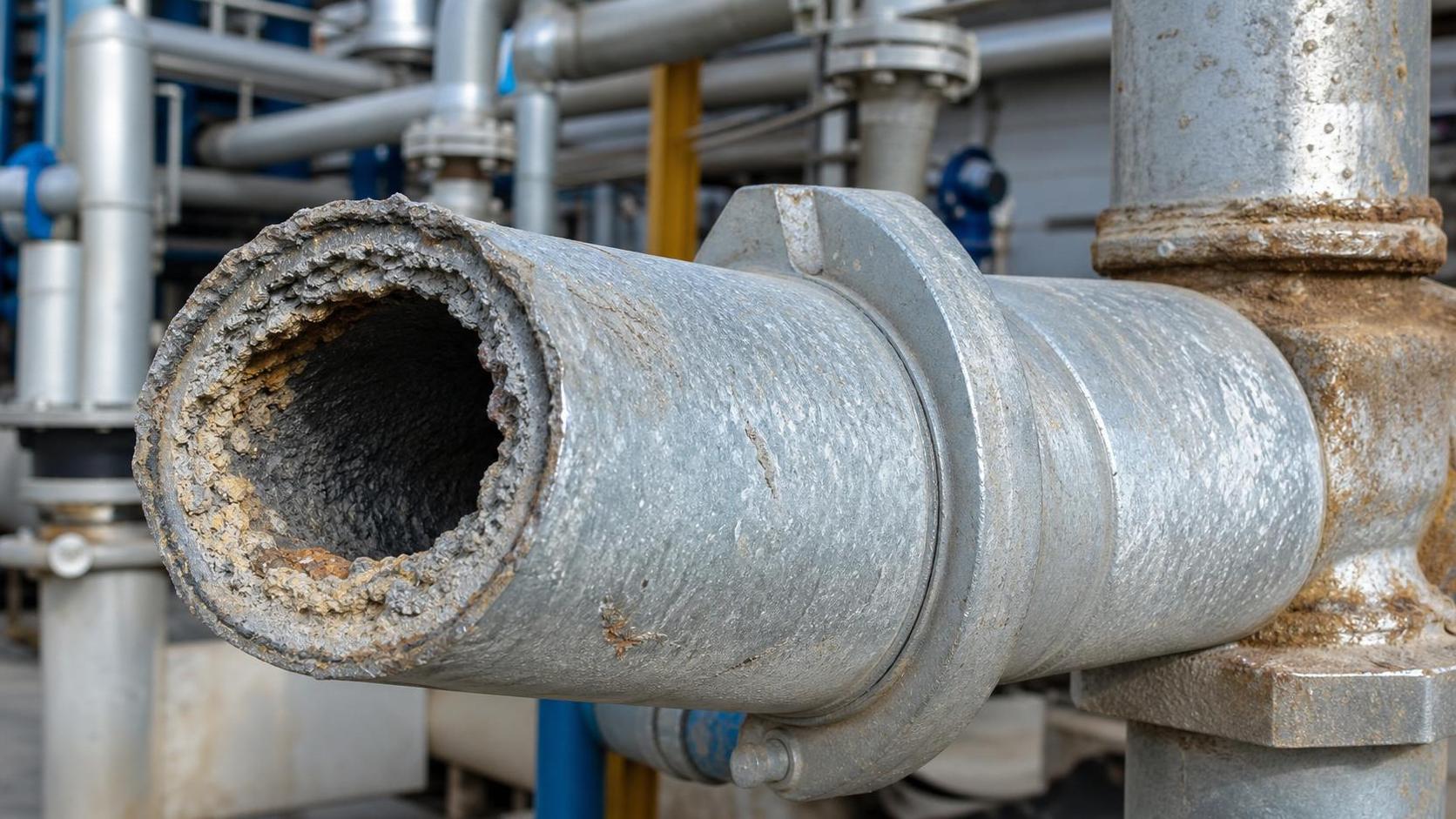
 Why Does Galvanized Pipe Corrode Over Time and When Should It Be Replaced?Galvanized pipe corrodes as its zinc coating wears away from moisture, chemicals, and age. Learn the warning signs, repair limits, and the right time to replace it.
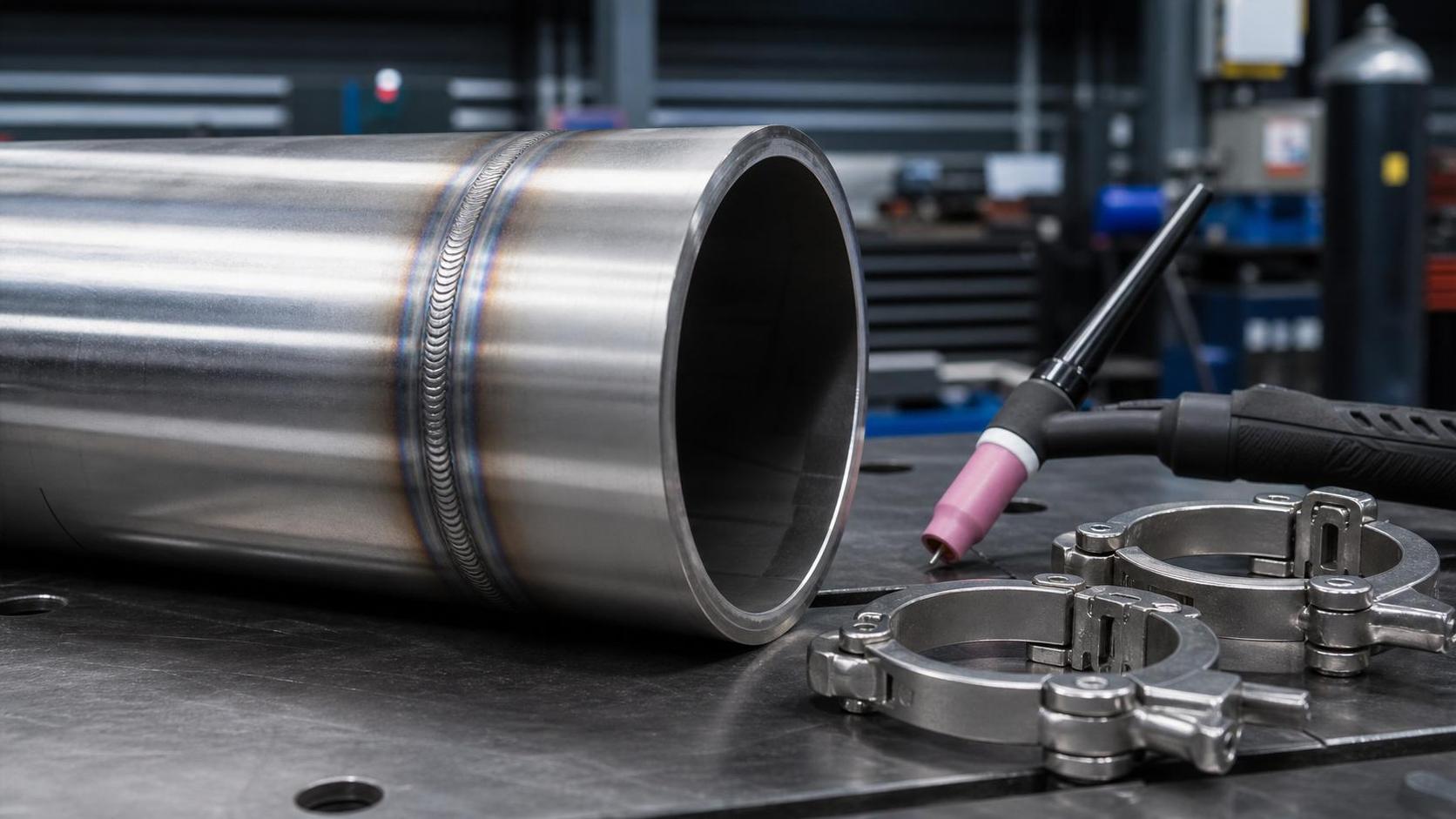
 Common SS Pipe Welding Problems and How to Prevent ThemSS pipe welding problems can lead to leaks, corrosion, and costly repairs. Learn the main defects, warning signs, and practical prevention tips to improve weld quality and service life.
 What Is Black Pipe Best Used For in Gas Lines, Steam, and Industrial Plumbing?Black pipe is ideal for gas lines, steam, and industrial plumbing where strength and heat resistance matter. Learn when it fits best, where it fails, and how to choose wisely.
 Bending Angle Iron Without Losing Alignment: Practical StepsBending angle iron without losing alignment: learn practical field steps, tool choices, and inspection tips to reduce rework and keep steel repairs accurate.
Please give us a message


Please enter what you want to find