Choosing an ASTM certified carbon steel pipe supplier for structural steel projects is vital for ensuring safety, durability, and compliance across demanding industrial sectors. Whether your project is in the USA, Europe, or the Middle East, a reliable custom carbon steel pipe supplier guarantees consistent performance for oil and gas, construction, and other industrial applications. By partnering with a high strength carbon steel pipe supplier like Hongteng Fengda, manufacturers and project managers can achieve superior quality control, cost efficiency, and seamless global project execution. ASTM certification reflects adherence to stringent material and product standards, offering reassurance to information researchers, technical assessors, procurement officers, and safety managers that the supplied pipes are tested, validated, and globally accepted. In steel-intensive applications where environmental stresses, pressure variations, and demanding time schedules prevail, choosing such a supplier is not just a specification requirement—it is a strategic necessity directly tied to operational safety and lifecycle performance.
Definition and Industry Relevance
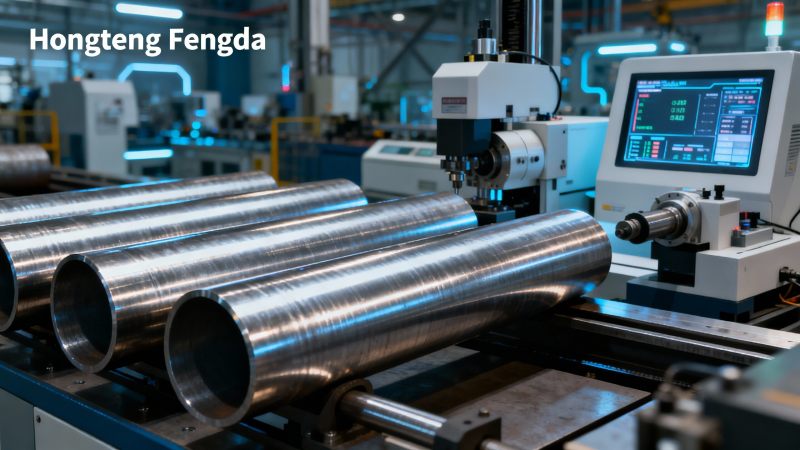
In industrial construction, a carbon steel pipe supplier plays a crucial role in connecting infrastructure segments, enabling fluid and gas transport, and reinforcing mechanical structures. When a supplier obtains ASTM certification, it means every production stage—from raw material sourcing to mechanical testing—follows internationally verified methods. For instance, ASTM A106 and A53 define requirements for seamless and welded carbon steel pipes used in high-temperature services. This ensures that a carbon steel pipe supplier for structural steel projects conforms to tensile, yield, and impact performance metrics, minimizing potential for catastrophic failures in service. In the steel industry, especially for oil and gas or large construction frameworks, ASTM compliance serves as a mutual language of trust among engineers, designers, and inspectors. For decision-makers, an ASTM certified carbon steel pipe supplier represents guaranteed traceability, predictable quality, and integration compatibility with EN, JIS, or GB systems used in multiregional ventures. This relevance extends across the global steel market, influencing supplier selection and project success metrics in the USA, Europe, and the Middle East.
Market Overview and Global Supply Dynamics
Globally, demand for carbon steel pipes continues to grow due to expanding energy infrastructure, pipeline rehabilitation, and smart industrial manufacturing. A carbon steel pipe supplier in the Middle East, for instance, faces unique challenges as the region increasingly invests in oil and gas diversification, petrochemical plants, and megaprojects driven by economic transformation initiatives. European markets prioritize compliance and carbon footprint reduction, thus demanding ASTM and CE certified materials to meet dual technical and environmental requirements. Meanwhile, a carbon steel pipe supplier in the USA focuses on precision processing, corrosion resistance, and rapid logistics networks to serve decentralized industrial zones. In this context, professional exporters like Hongteng Fengda, based in China, bridge these global expectations by integrating ASTM, EN, JIS, and GB standards into unified production systems. Their ability to provide both standardized and custom carbon steel pipes supports versatile project needs while maintaining consistent lead times. This balance of cost, availability, and certification enables industrial clients to mitigate procurement risks and ensure safety compliance simultaneously across different regions.
Technical Performance and Compliance Characteristics
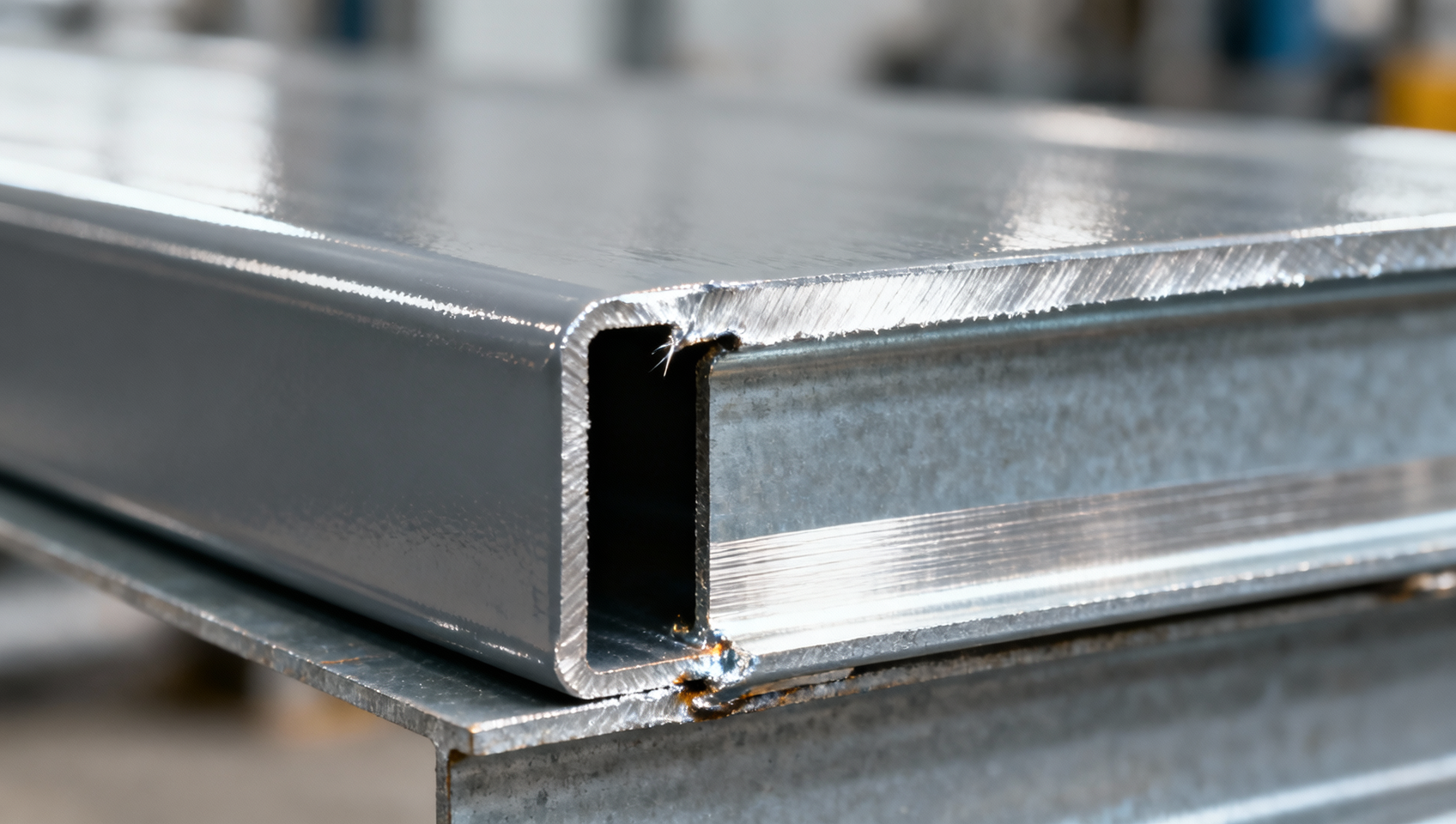
ASTM certified carbon steel pipes must undergo rigorous testing that includes hydrostatic tests, ultrasonic inspections, and chemical composition verification. For high-pressure applications such as refineries, offshore installations, or manufacturing pipelines, such compliance ensures structural reliability even under cyclic load or thermal fluctuations. A high strength carbon steel pipe supplier ensures material grades like A36, A572, or API 5L meet specific strength-to-weight ratios and corrosion tolerance parameters. Technical specifications also control mechanical finishing, surface treatment, and welding performance. The same engineering philosophy applies to components like the Z-beam, designed for structural systems such as walls, roofs, and mechanical brackets. Its Q235B to Q460C material range and precise thickness (6–25mm) meet tolerance accuracy of ±1%, aligning with ASTM and ISO standards found in Hongteng Fengda’s steel portfolio. Such consistency across product categories demonstrates how technological adherence ensures that whether it’s a carbon steel pipe supplier for the oil and gas industry or for construction projects, the priority remains measurable safety and quality conformance. Each delivered product supports industrial longevity and regulatory peace of mind.
Application Scenarios in Industrial and Construction Sectors
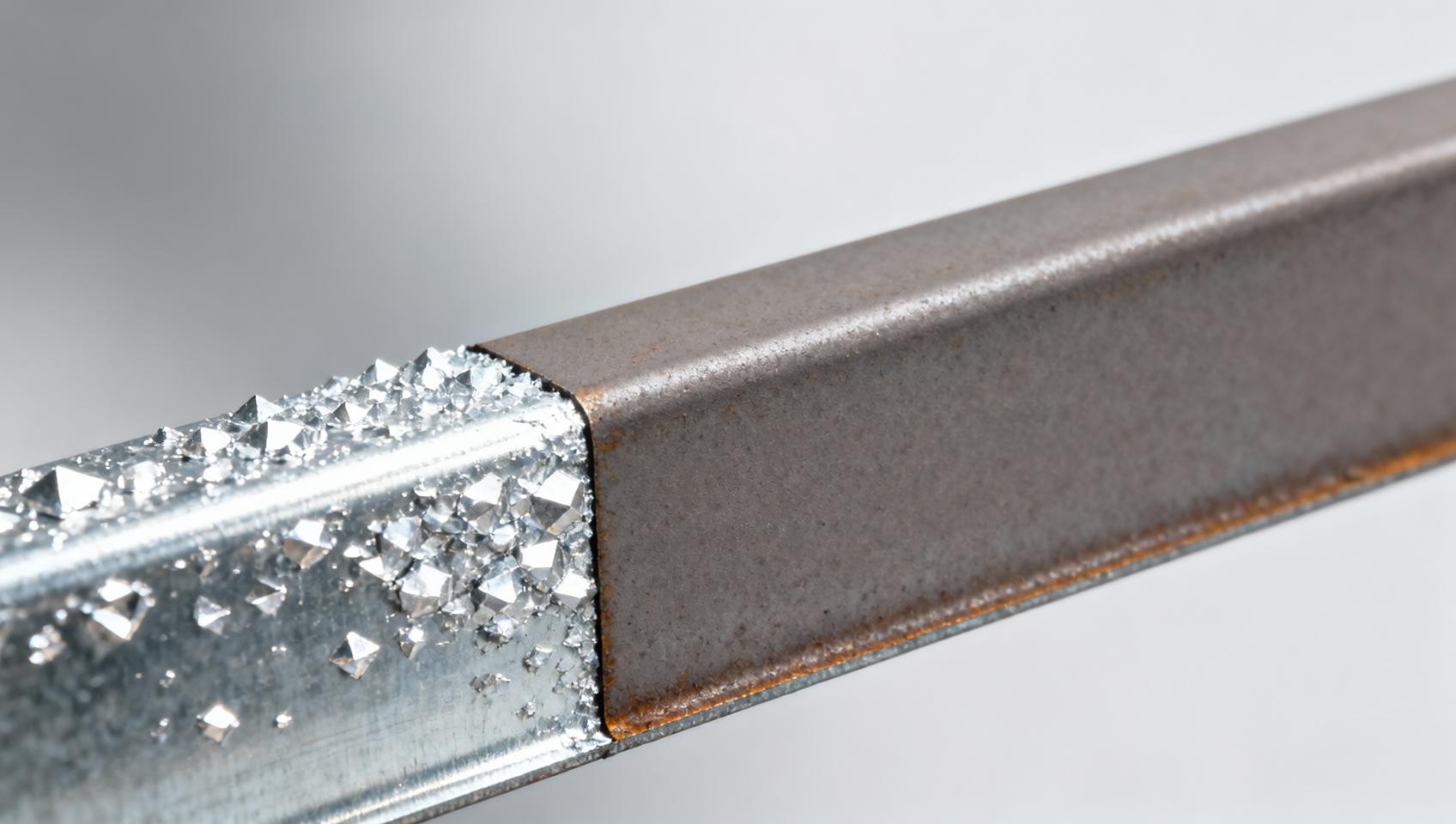
In practice, ASTM certified carbon steel pipes serve as lifelines across vast engineering networks. In oil and gas industries, they convey crude mixtures, refined products, and compressed gases under extreme temperature gradients. In large construction projects, these pipes reinforce mechanical columns, connect hydraulic systems, or form part of energy distribution channels. A carbon steel pipe supplier for industrial applications must comprehend these stress dynamics and recommend proper grades and coatings accordingly. Projects in Europe often combine ASTM standard pipes with galvanized coatings to enhance corrosion protection in maritime climates. Conversely, a carbon steel pipe supplier in the Middle East may prioritize pipes resistant to elevated temperatures and sand abrasion. Hongteng Fengda, being both a structural steel manufacturer and exporter, ensures this flexibility by offering OEM customization. Whether integrated into mechanical systems, plant piping networks, or steel structure frameworks, ASTM verified pipes play an irreplaceable role in safeguarding productivity and sustainability, ensuring that every welded joint and support meets precise technical and safety thresholds.
Comparison Analysis: ASTM Certified vs. Non-certified Suppliers
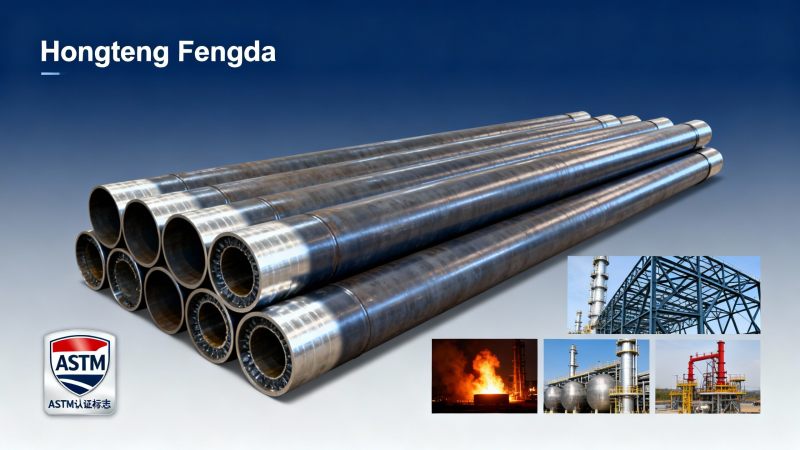
Evaluating an ASTM certified carbon steel pipe supplier against a non-certified one reveals decisive differences in material traceability, documentation, and lifecycle cost. Certified suppliers provide meticulous testing documentation, ensuring raw materials meet carbon and manganese ratio controls for expected mechanical performance. Non-certified producers may deliver visibly identical pipes but without assured homogeneity or compliant strength curves. This creates hidden risks—such as undetected microcracks or inconsistent weldability—that can lead to system deterioration under load. From a procurement perspective, although certified suppliers sometimes carry higher unit prices, they save significantly through reduced rework, longer service intervals, and lower insurance premiums. For quality assurance teams, working with a recognized high strength carbon steel pipe supplier guarantees simplified auditing and transparent quality control checkpoints. Engineers, project managers, and procurement officers thus agree: ASTM certification transforms compliance from a bureaucratic formality into a measurable asset, minimizing downtime and maximizing performance over the lifecycle of the installation.
Procurement Guide and Selection Strategy
Selecting a carbon steel pipe supplier for structural steel projects involves more than price negotiation—it requires strategic assessment across capability, compliance, and consistency. Start by verifying ASTM certification through documented mill test reports (MTRs) and validation by recognized bodies like SGS, BV, or ISO. Evaluate whether the supplier offers both seamless and welded options across various pipe diameters to suit construction, chemical, or mechanical systems. For global projects, a reliable carbon steel pipe supplier in Europe or the Middle East should also possess stable logistics networks and multilingual technical teams to handle international documentation. Hongteng Fengda, for example, integrates standardized production for carbon steel pipes with customized structural elements such as Z-beam components. By leveraging multiple certifications like CE, ISO, and ASTM simultaneously, buyers ensure cohesive compliance frameworks across all structural elements. When deciding on suppliers, always assess factors such as heat treatment traceability, testing facility accreditation, and after-sales technical support. These determine not just product longevity but also regulatory readiness and construction safety confidence globally.
Cost and Sustainable Alternatives
While ASTM certified materials may involve higher initial procurement costs compared with uncertified alternatives, long-term cost efficiency becomes evident during operation. Pipes conforming to ASTM standards exhibit consistent dimensional stability, which reduces welding time and minimizes leakage risks. For industries emphasizing sustainable construction, selecting a custom carbon steel pipe supplier capable of recycling offcuts and employing energy-efficient manufacturing enhances environmental performance metrics. Hongteng Fengda employs such strategies, thereby balancing certification obligations with sustainability targets. Moreover, ASTM compliance enables access to global tenders, as numerous EPC contractors specify certified materials only, preventing requalification costs at later project phases. From a cost-control standpoint, certified suppliers simplify maintenance forecasting: fewer replacements and compatible fittings mean predictable budgets. In short, ASTM certification aligns quality, sustainability, and economic efficiency—key decision metrics for business strategists and purchasing teams seeking optimal lifetime value.
Trends and Industry Insights
The carbon steel pipe industry is evolving toward digital traceability, smart manufacturing, and integrated compliance databases. Modern suppliers now embed QR-based serial coding that links directly to ASTM batch reports, ensuring field engineers can validate specifications instantly. This advancement reflects a shift from reactive inspection to proactive compliance assurance. Technological improvements, such as laser mechanical treatment and automated dimensional calibration, ensure that each pipe maintains consistent wall thickness and surface finish. In markets like the USA, automation aligns with OSHA and local safety frameworks, further reinforcing why engaging a certified carbon steel pipe supplier ensures better safety and compliance. In Europe, the move toward low-carbon production and green certification complements ASTM’s precision focus. For the Middle East, infrastructure programs continue to motivate demand for heat-resistant and corrosion-proof materials—traits intrinsic to ASTM-certified carbon steel grades. These combined global trends underline the interdependence between certification integrity, safety reliability, and industrial growth potential.
FAQ and Common Misconceptions
Frequently, project managers wonder whether ASTM certification alone guarantees total project safety. In reality, while ASTM defines the material and test criteria, proper installation and inspection remain equally vital. Another misconception is that only large-scale oil and gas developers require certified pipes; however, even mid-size construction firms benefit from enhanced durability and simplified regulatory compliance. Some buyers assume ASTM certified suppliers lack customization flexibility—yet companies like Hongteng Fengda prove otherwise by offering tailored specifications, diameters, and coatings while maintaining certification integrity. Additionally, buyers in the Middle East or Europe may question compatibility with local standards; ASTM specifications harmonize easily with EN and ISO frameworks, ensuring cross-border material acceptance. Finally, cost-conscious procurement officers sometimes believe certified products will disrupt their budgets; however, reduced repair incidents and extended lifecycle usually offset such costs. Understanding these factors fosters smarter, risk-aware sourcing decisions based on factual safety performance rather than short-term price perceptions.
Why Choose Hongteng Fengda
Hongteng Fengda stands out as a structural steel manufacturer and dependable carbon steel pipe supplier for industrial applications worldwide. Based in China yet serving markets across North America, Europe, the Middle East, and Southeast Asia, the company merges advanced production capabilities with internationally recognized standards, including ASTM, EN, JIS, and GB. Clients benefit from constant supply reliability, professional quality control, and tailored engineering support that minimize sourcing risks and enhance cost predictability. With full certification coverage (CE, ISO, SGS, BV), Hongteng Fengda not only delivers ASTM certified carbon steel pipes but also complementary structural products like beams, channels, and cold-formed profiles. Dedicated to long-term partnerships, their mission aligns perfectly with safety supervisors, engineering managers, and procurement specialists aiming to maintain global compliance excellence. For expert consultation or customized quotation on certified carbon steel pipes and structural solutions, contact Hongteng Fengda today to experience professional service and sustainable quality assurance that turn technical requirements into tangible project success.
- steel i
- carbon steel pipe supplier
- carbon steel pipe
- ASTM standards
- ASTM standard
- steel pipe
- structural steel
- Structural Steel
- Profile
- Z-beam
- Galvanized
- high strength carbon steel pipe supplier
- carbon steel pipe supplier for industrial applications
- ASTM certified carbon steel pipe supplier
- carbon steel pipe supplier in Europe
- custom carbon steel pipe supplier
- carbon steel pipe supplier for structural steel projects
Related recommendations
 Is acero galvanizado para exterior vulnerable to white rust formation during monsoon storage?Acero galvanizado para exterior *is* vulnerable to white rust in monsoons — but it’s preventable. Discover proven storage & handling strategies that protect your structural steel.
 Does ASTM A 36 plate meet impact toughness requirements for low-temperature bridge girders?Does ASTM A 36 plate meet low-temp bridge requirements? Short answer: no—unless specially tested. Discover why toughness matters more than strength in cold climates.
 Does ASTM A653 certification cover both zinc-coated and zinc-iron alloy coated steels?ASTM A653 covers both zinc-coated and zinc-iron alloy coated steels—but they’re not interchangeable. Learn key differences in testing, performance & certification.
 Does acero prepintado require surface pretreatment before welding or cutting?Does acero prepintado require pretreatment before welding or cutting? Discover when grinding is essential—and when it’s not—for safety, weld integrity & corrosion resistance.
Please give us a message


Please enter what you want to find