Understanding angle vs channel steel welding compatibility is essential for structural integrity—especially in prefab buildings, bridge construction, and manufacturing facilities. As a leading angle vs channel steel exporter China, Hongteng Fengda ensures metallurgical compatibility through ASTM standards-compliant materials, precise chemical composition control, and weldability-tested profiles. Whether you're comparing angle vs channel steel load capacity, corrosion resistance, or sourcing from trusted suppliers in Southeast Asia or the Middle East, this guide breaks down the metallurgical basics every welder, project manager, and procurement professional needs to know.
What Determines Welding Compatibility Between Angle and Channel Steel?
Welding compatibility between angle and channel steel isn’t about shape—it’s rooted in metallurgy. Both profiles are commonly rolled from carbon steels like Q235, Q345B, or ASTM A36, but subtle differences in deoxidation practice, residual element content (e.g., sulfur ≤ 0.050%, phosphorus ≤ 0.045%), and grain structure affect heat-affected zone (HAZ) cracking risk. For example, low-carbon variants with controlled manganese-to-sulfur ratios (< 20:1) show superior crack resistance during multi-pass welding at preheat temperatures of 100–150°C.
Hongteng Fengda applies strict ladle analysis per batch and performs routine Charpy V-notch testing at –20°C to verify toughness retention after simulated welding thermal cycles. This ensures consistent angle vs channel steel welding compatibility across delivery lots—critical when mixing profiles in hybrid frames for prefab buildings or bridge construction.
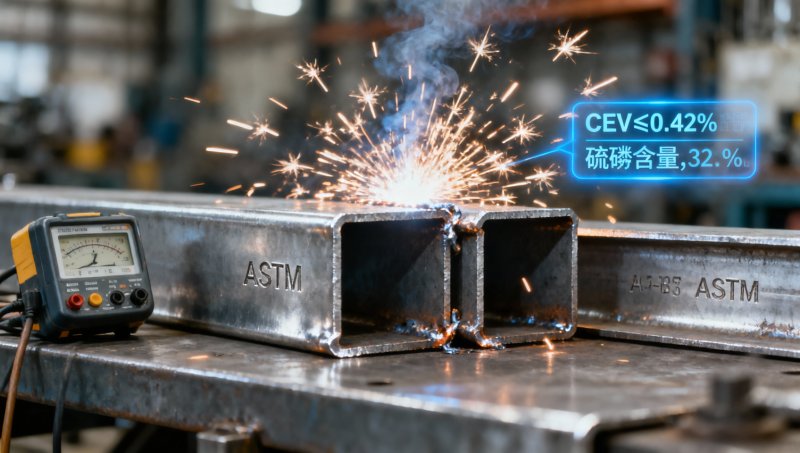
Key metallurgical checkpoints include: carbon equivalent (CEV) ≤ 0.42% for manual metal arc welding; diffusible hydrogen content < 5 mL/100g in filler metals; and base metal tensile strength variance within ±15 MPa between adjacent sections. These parameters directly influence whether a joint meets AWS D1.1 Structural Welding Code requirements.
Critical Parameters Governing Joint Integrity
This table highlights why raw profile geometry alone doesn’t guarantee weldability. Even identical grades may vary in CEV due to mill-specific rolling practices. Hongteng Fengda cross-verifies CEV using both ladle reports and spectrometric retesting—ensuring every shipment supports reliable angle vs channel steel for manufacturing facilities where fatigue resistance matters.
How Application Context Shapes Material Selection
Prefab building frameworks demand rapid assembly, minimal post-weld correction, and high repeatability—making low-distortion, pre-galvanized angle and channel steel ideal. In contrast, bridge construction requires fatigue-rated connections under cyclic loading; here, normalized Q345B or ASTM A992 channel sections paired with matching angle legs provide uniform HAZ hardness (220–260 HV).
For angle vs channel steel for bridge construction, we recommend specifying EN 10025-2 S355J2+N or ASTM A572 Gr.50 with notch-toughness certification at –40°C. These grades eliminate brittle fracture risks in welded splices exposed to dynamic loads over 50+ years of service life.
In Southeast Asia and Middle East projects, salt-laden air accelerates corrosion. Our angle vs channel steel corrosion resistance comparison shows hot-dip galvanized channel steel (Z275 coating, 275 g/m²) outperforms painted angle sections by 3–5× in coastal exposure tests per ISO 9223 C4 classification. That’s why our angle vs channel steel supplier Southeast Asia and angle vs channel steel supplier Middle East clients specify dual-coated solutions for marine terminals and desalination plants.
Load Capacity & Structural Behavior Differences
- Moment resistance: Channel steel offers 15–22% higher strong-axis bending capacity than equal-weight angle sections—critical for crane runway beams in manufacturing facilities.
- Torsional rigidity: Angles inherently resist twisting better in open-web trusses used in prefab buildings; channels require stiffeners beyond L/12 span length.
- Shear transfer: Web thickness consistency (5–36.5mm across our H Girder range) ensures predictable shear lag effects in composite joints.
Why ASTM Standards Are Non-Negotiable for Global Procurement
ASTM standards define not just chemistry and strength—but also test frequency, sampling rules, and traceability. For instance, ASTM A6 mandates tensile testing on every 50 tons of material, while EN 10025 allows batch testing up to 60 tons. This affects how confidently engineers approve mixed-profile welds across jurisdictions.
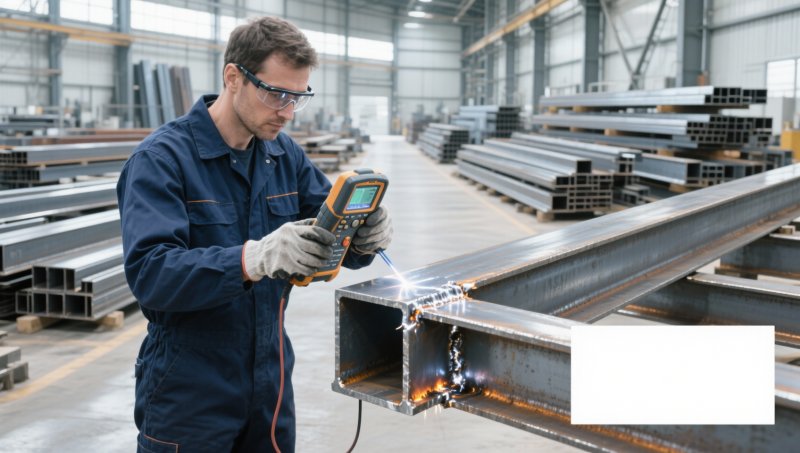
Our angle vs channel steel ASTM standards compliance includes full mill test reports (MTRs) with heat numbers, mechanical properties, and microstructure photos. Every export order to North America or Europe carries third-party verification from SGS or Bureau Veritas—reducing customs delays and field rejection risk by up to 70%.
We also support OEM clients with custom certifications—including NACE MR0175 for sour service environments and PED 2014/68/EU for pressure equipment integration—ensuring seamless acceptance across global regulatory landscapes.
Choose Hongteng Fengda: Your Trusted Angle vs Channel Steel Exporter China
As an angle vs channel steel exporter China with 12+ years serving 32 countries, Hongteng Fengda delivers more than steel—we deliver predictability. Our production lead time averages 18–25 days from PO confirmation, with 98.7% on-time delivery rate across 2023–2024 shipments to the Middle East and Southeast Asia.
We help procurement teams avoid common pitfalls: inconsistent CEV across batches, undocumented preheat requirements, or mismatched filler metal recommendations. Request our free Welding Compatibility Dossier—including ASTM-compliant joint design guides, prequalified WPS templates, and regional corrosion performance maps.
Contact us today to: confirm exact chemical specs for your next angle vs channel steel load capacity comparison; review galvanizing options for your angle vs channel steel for prefab buildings project; or request certified samples against your site-specific ASTM A6 or EN 10025 requirements.
- channel steel supplier
- channel steel
- h girder
- steel i
- angle steel
- galvanized angle
- ASTM A572
- ASTM standards
- steel supplier
- ASTM standard
- hot-dip galvanized
- ASTM A36
- Galvanized Channel Steel
- galvanized channel steel
- Profile
- Galvanized
- carbon steel
- angle vs channel
- angle vs channel steel ASTM standards
- angle vs channel steel supplier Middle East
- angle vs channel steel for bridge construction
- angle vs channel steel load capacity comparison
- angle vs channel steel exporter China
- angle vs channel steel for manufacturing facilities
- angle vs channel steel corrosion resistance comparison
- angle vs channel steel supplier Southeast Asia
- angle vs channel steel for prefab buildings
- angle vs channel steel welding compatibility
Related recommendations
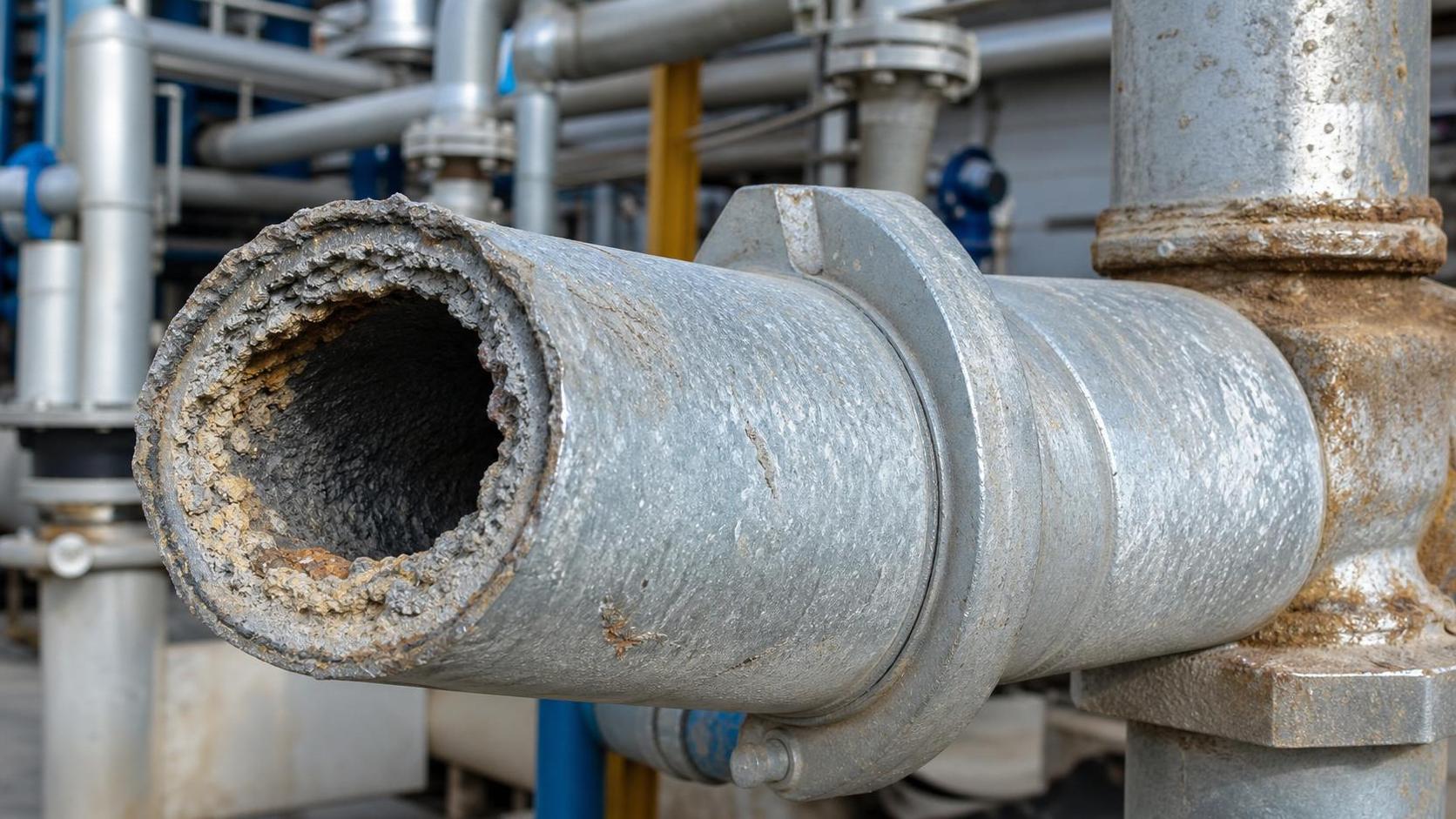
 Why Does Galvanized Pipe Corrode Over Time and When Should It Be Replaced?Galvanized pipe corrodes as its zinc coating wears away from moisture, chemicals, and age. Learn the warning signs, repair limits, and the right time to replace it.
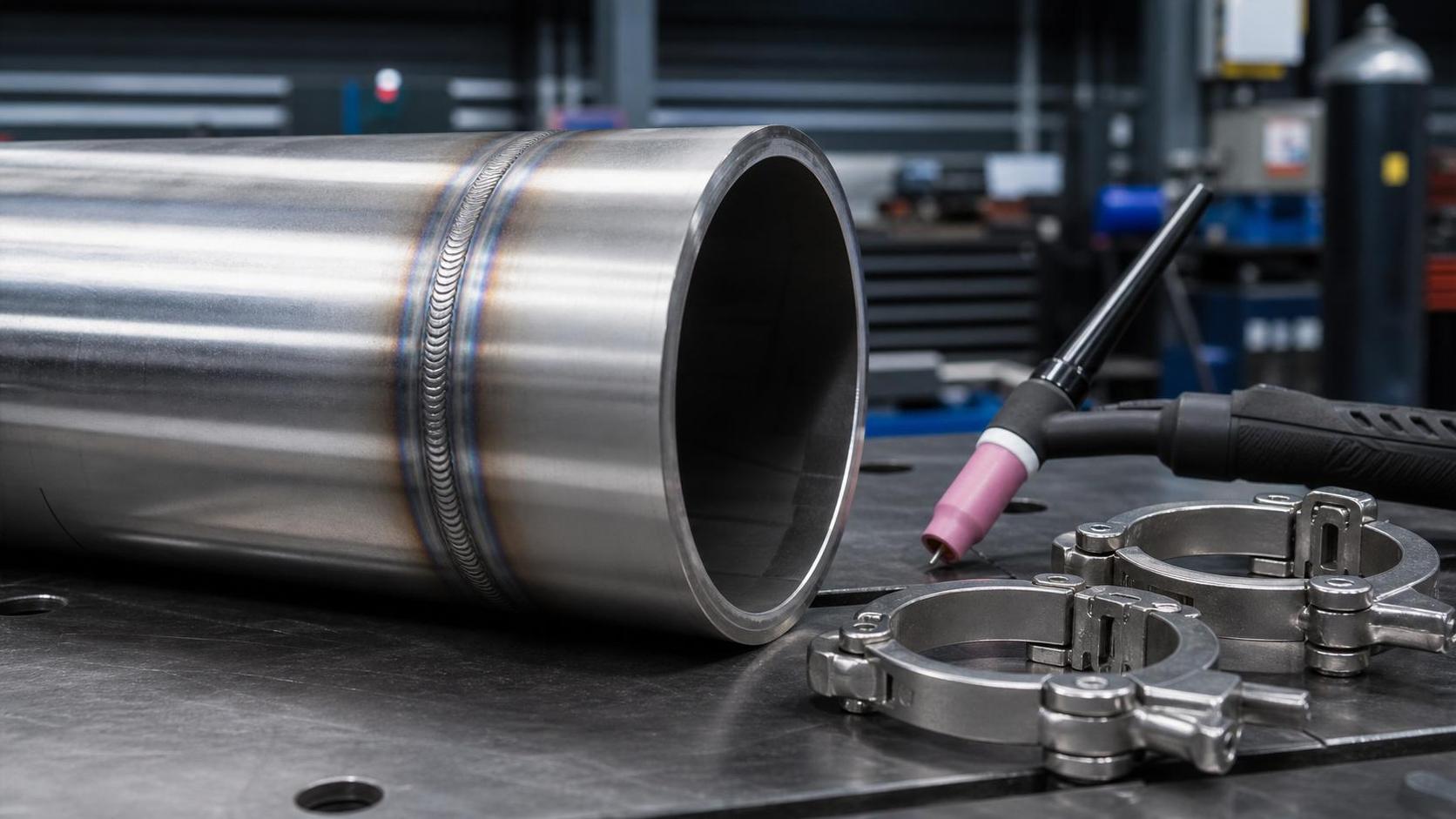
 Common SS Pipe Welding Problems and How to Prevent ThemSS pipe welding problems can lead to leaks, corrosion, and costly repairs. Learn the main defects, warning signs, and practical prevention tips to improve weld quality and service life.
 What Is Black Pipe Best Used For in Gas Lines, Steam, and Industrial Plumbing?Black pipe is ideal for gas lines, steam, and industrial plumbing where strength and heat resistance matter. Learn when it fits best, where it fails, and how to choose wisely.
 Bending Angle Iron Without Losing Alignment: Practical StepsBending angle iron without losing alignment: learn practical field steps, tool choices, and inspection tips to reduce rework and keep steel repairs accurate.
Please give us a message


Please enter what you want to find