Selecting the right steel conduit for electrical wiring in high-humidity environments is essential to ensure safety, durability, and long-term performance. As a leading structural steel manufacturer and exporter from China, Hongteng Fengda provides high-quality steel solutions compliant with ASTM standards—from steel tube for industrial applications to steel angle for construction projects. This guide explores how proper material selection, coating treatment, and design can reduce corrosion risks while optimizing cost efficiency for engineering, procurement, and project management professionals.
Definition and Overview of Steel Conduit for Electrical Wiring
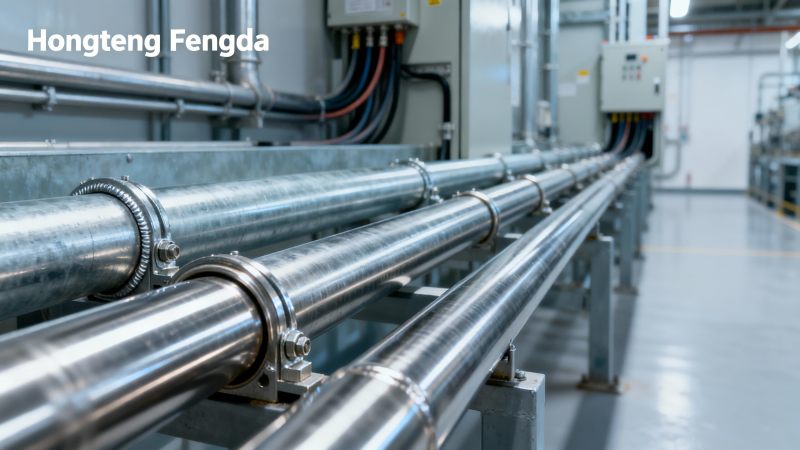
A steel conduit for electrical wiring serves as a protective channel that encloses electrical conductors against physical, mechanical, and environmental hazards. It is commonly installed in industrial facilities, commercial complexes, power plants, and coastal buildings where exposure to moisture or chemicals can accelerate degradation. The structural integrity of the conduit directly impacts system safety and service continuity. Depending on materials, conduits come in forms such as galvanized rigid steel (RSC), intermediate metal conduit (IMC), and flexible metal conduit (FMC). Their strength and durability make steel conduits indispensable, particularly when compared with plastic alternatives in challenging environments. In the context of the global steel industry, products like angle vs channel steel comparison or steel girder for bridge construction help designers select the most efficient shapes and load-bearing capacities. For electrical installations, however, the emphasis lies on corrosion protection, impact resistance, and coating stability. Hongteng Fengda’s extensive expertise in producing cold formed steel profiles and channel steel enables it to deliver precision-engineered conduits tailored for both high-voltage and low-voltage systems. Each conduit undergoes stringent quality control processes aligned with ASTM and EN specifications, ensuring its long-term performance and compliance across international markets.
Market Overview and Industrial Demand Trends
The demand for steel conduit systems continues to grow globally as industries seek reliable solutions that meet modern safety codes. Regions such as North America and Southeast Asia favor galvanized or stainless options, particularly for offshore platforms, wastewater treatment plants, and marine facilities. According to market projections, the infrastructure and manufacturing sectors are expected to drive an annual growth rate of over 5% for metal conduits and related accessories. In contrast to PVC or aluminum substitutes, steel conduits offer unmatched toughness under dynamic or high-stress conditions. Procurement teams, safety inspectors, and project managers increasingly evaluate total lifecycle costs rather than upfront price comparisons. The steel roof sheet price per square meter and steel tube for industrial applications become key benchmarks in procurement evaluation, linking material performance to budget optimization. Hongteng Fengda, as a leading steel rail manufacturer in China, continuously modernizes production lines to maintain consistent quality output, reducing sourcing risks for international buyers. The company’s experience in exporting to regions with varying humidity levels provides insights into coating strategies that balance corrosion resistance and cost. This operational flexibility benefits decision-makers and design engineers who require turnkey, ASTM-certified solutions delivered on schedule.
Technical Performance and Material Characteristics
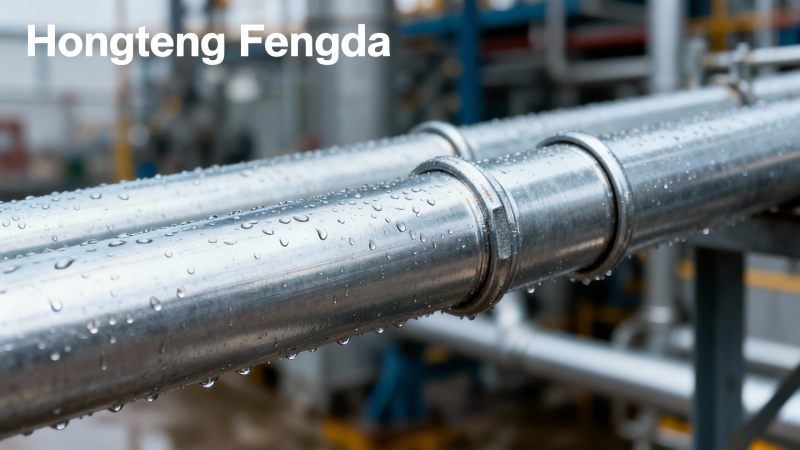
From a technical perspective, the performance of steel conduit systems depends heavily on the base metal composition and protective finishes. Heavy-duty galvanized coatings—applied through hot-dip or electroplating—extend service life by preventing rust initiation. Epoxy or PVC-coated conduits offer additional moisture protection in high-humidity zones such as basements, tunnels, or outdoor junction networks. For especially aggressive chemical conditions, such as food processing plants or marine docks, stainless steel alternatives like 316L Stainless Steel Plate serve as superior materials for conduits or related accessories. The 316L material’s composition includes nickel and molybdenum, granting extraordinary corrosion resistance, with tensile strength ≥520 MPa and yield strength ≥275 MPa, suitable for heavy construction and electrical protection systems. Surface finishes like 2B or NO.4 can further enhance the appearance and cleanliness required in hygienic environments. Based on Hongteng Fengda’s technical manufacturing capacity, these steel variants undergo precision processing with advanced rolling and finishing mills, ensuring dimensional stability and smooth integration with electrical fittings. The company’s equipment, quality audits, and ISO-/BV-ready certification ensure each conduit or plate complies with both domestic GB and international ASTM benchmarks. These characteristics translate to reduced maintenance frequency, improved safety margins, and superior cost-performance ratios when deployed in high-humidity or coastal projects.
Application Scenarios and Case Practices
Steel conduit systems find broad adoption across industries that demand structural integrity and corrosion control. Key applications include electrical installations in oil refineries, grain silos, pharmaceutical plants, and shipbuilding yards. In high-humidity storage areas, properly coated conduits shield electrical cables from condensation and oxidation, significantly extending operational lifespan. Project managers in construction projects often integrate steel angle for construction projects or structural frameworks alongside conduit runs to simplify installation and ensure alignment accuracy. In Hongteng Fengda’s supply record, one noteworthy case involved a Southeast Asian marine terminal requiring over 10 km of corrosion-resistant wiring pathways. The solution combined rigid galvanized conduits with customized junction bends fabricated from cold formed steel profiles. The structure delivered exceptional durability under salt-laden air exposure and heavy rainfall for more than a decade without significant degradation. Similarly, industrial factories manufacturing food or beverages prefer stainless conduits due to hygiene regulations, which require frequent cleaning without compromising protection. Here, 316L-grade material again demonstrates its suitability: it endures continuous chemical washing and maintains excellent electrical insulation support through grounded steel systems. These examples illustrate the importance of advanced materials and expertise from structural steel manufacturers like Hongteng Fengda in customizing solutions for complex climatic conditions.
Comparison Analysis: Angle vs Channel Steel and Conduit Compatibility
For engineers planning comprehensive facility layouts, a comparison of angle vs channel steel reveals valuable insight into supporting frameworks for conduits, cable trays, and other structural elements. Angle steel, typically in L-shape cross sections, provides excellent stability for light fixtures and mounting systems, while channel steel offers deeper flanges that accommodate heavier conduit runs or high-span supports. The manufacturing flexibility of Hongteng Fengda enables seamless integration between such structural components and steel conduit for electrical wiring. For bridges or elevated installations, steel girder for bridge construction frameworks ensure that conduit pathways remain safely shielded within durable steel housings. When combined, the system resists torsional stress, vibration, and corrosion effectively. Moreover, ASTM certified steel square rod and high strength steel round bar supplier networks reinforce the company’s ability to tailor load-bearing and fastening requirements to electrical engineering solutions. Data from internal test laboratories demonstrate that optimized material matching can improve overall installation strength by up to 20%. These synergies exemplify how different structural shapes contribute collectively to high safety standards and extended lifecycle performance of electrical protection systems in humid, demanding environments.
Procurement Guide and Cost Optimization
Procurement personnel and project owners evaluating conduit materials should prioritize long-term cost-effectiveness over initial acquisition price. Factors such as the steel roof sheet price per square meter, galvanizing thickness, and coating technology influence both budget and lifetime value. Before purchasing, engineers should verify international certification marks, coating adhesion test results, and compatibility with local electrical codes. It is also essential to verify the supplier’s manufacturing consistency and origin—working directly with a structural steel manufacturer and exporter from China like Hongteng Fengda provides an advantage in terms of transparent quality assurance and scalable customization. For critical environments such as chemical plants or offshore rigs, stainless options like 316L Stainless Steel Plate and related conduit fittings ensure technical reliability with minimal maintenance downtime. Its mechanical strength, 193 GPa modulus of elasticity, and superior creep resistance support welded construction above 6 mm gauge. Quality procurement also includes reviewing conformance to ASTM A240, EN 10088, and JIS G4304 standards. Buyers are encouraged to engage suppliers that offer comprehensive documentation and QA tracking to minimize on-site compliance risk. In global trade practice, forging strategic supplier partnerships remains central for achieving stable production capacity, dependable lead times, and efficient project execution, all of which Hongteng Fengda consistently delivers.
Standards and Certification Compliance
Ensuring compliance with recognized standards represents a key pillar in every steel conduit installation. Major frameworks such as ASTM A513 for mechanical tubing, ASTM A90 for coating mass evaluation, and IEC 61386 for electrical conduit systems define performance expectations under different conditions. For clients operating in international markets, adherence to ISO 9001 and SGS third-party audits validates conformity to both material and procedural benchmarks. Hongteng Fengda integrates these compliance requirements across each stage of production—from raw steel coils to finished conduit assemblies—guaranteeing high repeatability across batches. Each conduit undergoes destructive and non-destructive testing routines covering tensile performance, impact resilience, and galvanic corrosion resistance. Ratings are documented through BV or equivalent certifications to satisfy industrial procurement audits. Incorporating ASTM-certified steel square rod and similar materials ensures unified material performance across construction packages. Compliance does not merely fulfill paperwork; it provides tangible assurance for professionals such as quality control inspectors, electrical engineers, and project executives who must justify procurement decisions through traceable technical validation. As a result, adopting certified conduit systems substantially reduces liability exposure while maintaining alignment with both safety codes and electrical efficiency requirements.
Trends and Future Insights
The steel conduit market continues evolving in parallel with advances in surface coatings, smart manufacturing, and environmental engineering. Next-generation high-modulus polymers are being hybridized with steel substrates to reduce installation weight without compromising durability. Additionally, life-cycle assessment (LCA) methodologies increasingly shape procurement decisions by highlighting recyclability and carbon footprint benefits. As global infrastructure develops toward green and sustainable frameworks, demand for corrosion-resistant high-strength materials is rising. Manufacturers like Hongteng Fengda are applying digital monitoring to their rolling and galvanizing lines, ensuring process traceability for every product—from angle steel and channel profiles to custom conduit systems. In the coming decade, the integration of real-time corrosion sensors, robotic bending, and eco-friendly coatings will redefine how electrical protective systems are engineered. The company’s commitment to R&D combined with decades of export experience positions it to lead in eco-efficient conduit provision for coastal, tropical, and industrial regions worldwide. For engineers and procurement officers seeking innovation, these trends signal both challenges and opportunities to achieve safer, smarter, and more sustainable electrical installations.
Why Choose Hongteng Fengda
Hongteng Fengda stands out among global structural steel suppliers due to its comprehensive production system, robust technical foundation, and customer-centric service approach. Whether supplying steel conduit for electrical wiring, structural beams, or industrial tubing, the company guarantees products that comply with ASTM, EN, JIS, and GB standards. Its production capacity covers a diverse product mix, including cold formed sections, OEM customization, and specialized coatings for high-humidity performance. Serving clients across North America, Europe, the Middle East, and Southeast Asia, Hongteng Fengda reduces sourcing risks and ensures continuous delivery through advanced manufacturing controls. Procurement professionals, distributors, and project engineers benefit from the company’s transparent communication, reliable logistics, and prompt technical support. Choosing Hongteng Fengda means partnering with a brand committed to quality, reliability, and efficiency—offering not just products but complete engineering trust. For inquiries, project consultation, or technical documentation, contact our professional team and explore sustainable solutions tailored to your unique environmental challenges in electrical infrastructure and beyond.
- channel steel
- steel i
- l angle
- angle steel
- ASTM standards
- steel supplier
- ASTM standard
- steel suppliers
- steel coil
- structural steel
- steel profiles
- Structural Steel
- stainless steel plate
- 316L stainless steel plate
- ss steel plate
- steel plate
- Profile
- Galvanized
- steel profile
- steel conduit
- steel roof sheet
- steel tube
- steel rail
- steel girder
- steel angle
- steel round bar
- steel square rod
- angle vs channel
- steel angle for construction projects
- high strength steel round bar supplier
- steel tube for industrial applications
- ASTM certified steel square rod
- steel roof sheet price per square meter
- steel girder for bridge construction
- steel conduit for electrical wiring
- steel rail manufacturer in China
- angle vs channel steel comparison
Related recommendations
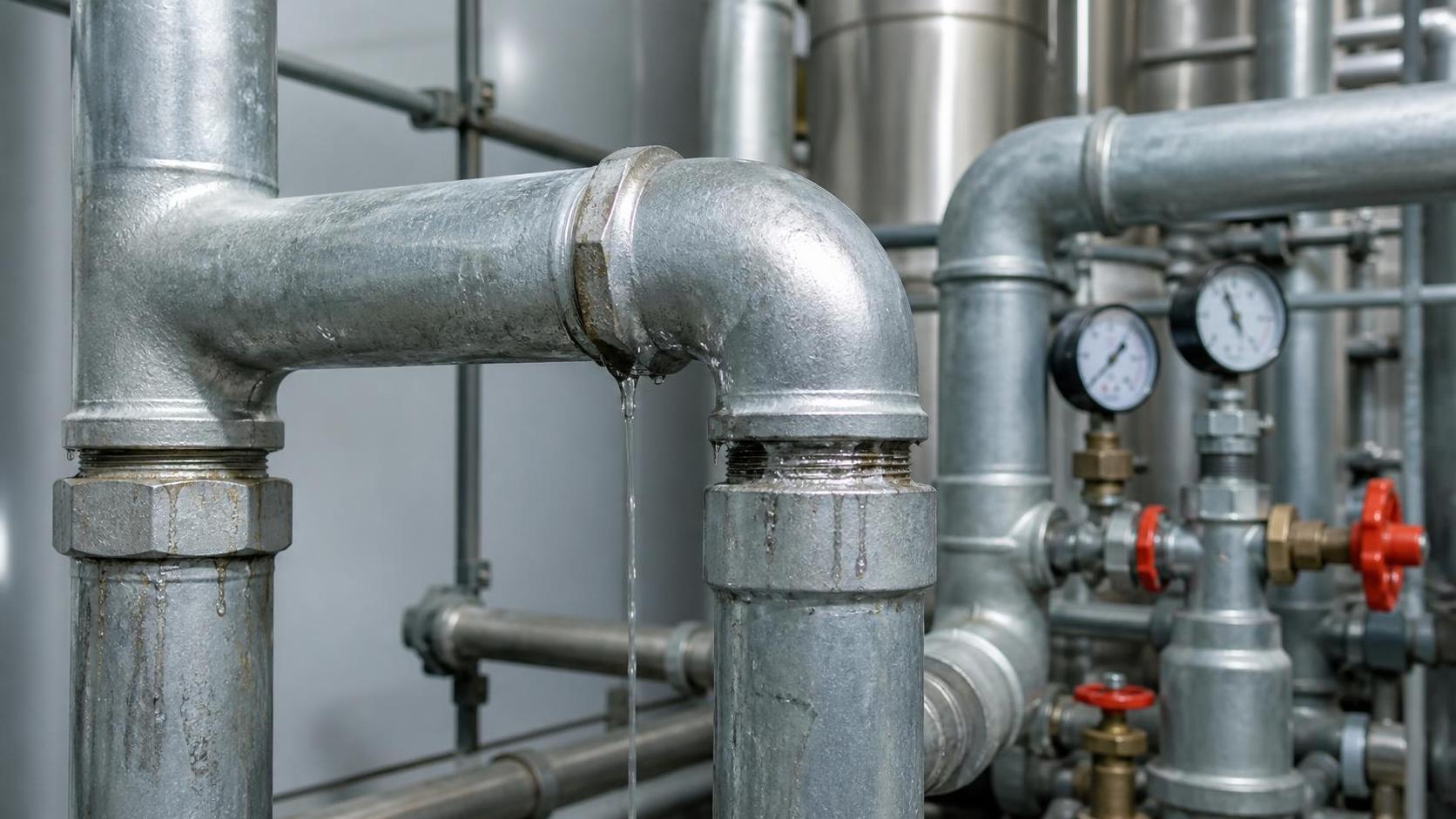
 Common Leak Risks When Using Galvanized Pipe for Plumbing SystemsGalvanized pipe for plumbing can hide corrosion, joint wear, and pressure-related leak risks. Learn the key warning signs, causes, and smart maintenance actions to prevent costly failures.
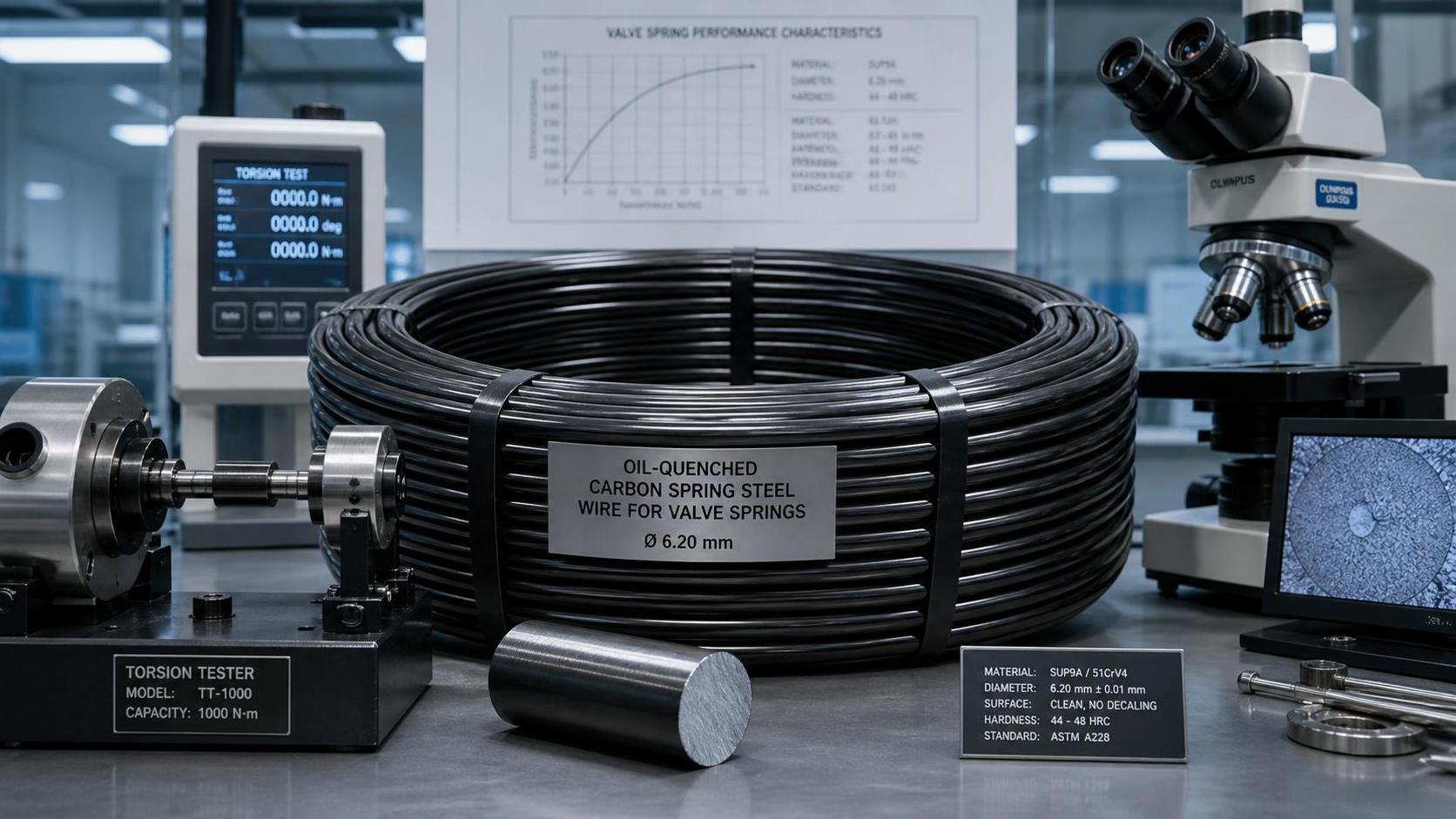
 Oil Tempered Carbon Steel Wire for Valve Spring: What Standards and Tests Matter?Oil tempered carbon steel wire for valve spring: learn which JIS, EN, and ASTM standards, decarburization checks, surface inspections, and fatigue-related tests truly protect spring life.
 Rebar for Foundation: Grade, Cover, and Spacing Mistakes to AvoidRebar for foundation guide: avoid costly grade, cover, and spacing mistakes that weaken durability, bonding, and concrete flow. Learn practical checks before the pour.
 Steel Tubing Dimensions: OD, Wall Thickness, and Gauge DifferencesSteel tubing dimensions explained clearly: compare OD, wall thickness, and gauge differences to avoid sizing mistakes, improve fit, and choose the right steel tube with confidence.
Please give us a message


Please enter what you want to find