Using galvanized pipe for plumbing may seem like a durable choice, but hidden leak risks can create ongoing maintenance challenges. For after-sales service teams, understanding where failures begin such as corrosion, joint wear, pressure changes, and aging coatings is essential for faster diagnosis and better customer support. This article explores the most common leak causes and what maintenance professionals should watch for in real-world plumbing systems.
Why Galvanized Pipe Leaks Often Start Long Before Water Appears
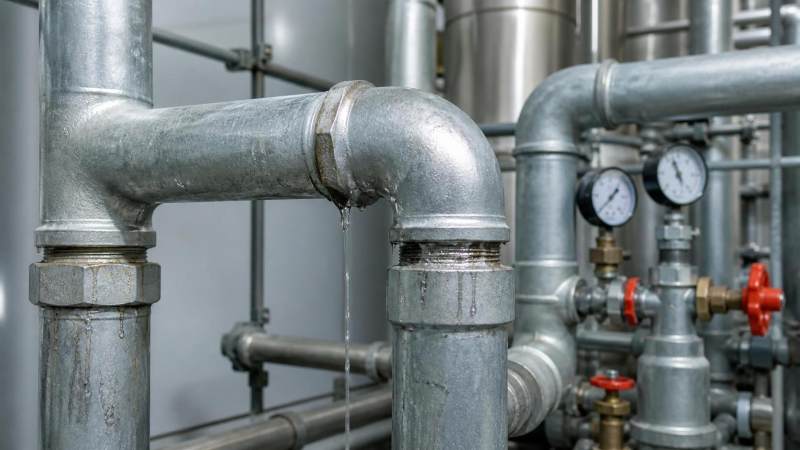
For after-sales maintenance teams, the main issue with galvanized pipe for plumbing is not whether leaks happen, but when hidden deterioration becomes visible enough to require intervention.
In many systems, leakage is the final symptom of a longer process involving internal corrosion, mineral buildup, thread damage, unstable pressure, and gradual failure of protective zinc coating.
This matters because galvanized pipe often looks serviceable from the outside while the inside diameter has already narrowed and the pipe wall has already weakened in critical spots.
When customers report low pressure, rusty water, damp wall sections, or repeated joint seepage, maintenance staff should treat these as related warning signs rather than isolated defects.
A practical assessment starts with age, water quality, operating pressure, installation method, and whether repairs have already been made at multiple points in the same line.
What Makes Galvanized Pipe Vulnerable in Plumbing Systems
Galvanized steel was widely used because it offered better corrosion resistance than bare steel and performed well in many general water distribution applications for a period of time.
However, the zinc layer is not permanent. In plumbing service, especially with oxygen, dissolved salts, changing temperatures, and water chemistry fluctuations, that protective layer gradually breaks down.
Once the coating is consumed, the underlying steel becomes exposed to corrosion. From that point, the leak risk accelerates because rust formation reduces wall thickness and weakens threaded areas.
Unlike sudden mechanical breakage, this process is usually progressive. That is why maintenance personnel often deal with repeated complaints before a visible rupture or active drip finally confirms the problem.
Systems in older residential blocks, industrial utility rooms, and mixed-material retrofit networks tend to show the highest failure rates because operating history is rarely uniform across all sections.
The Most Common Leak Risks Maintenance Teams Should Check First
The first and most common cause is internal corrosion. Galvanized pipe for plumbing can corrode from inside out, especially where water remains stagnant or where mineral content is high.
Corrosion often concentrates near low-flow branches, dead legs, elbows, and horizontal runs where deposits settle more easily. These locations should be prioritized during inspection and replacement planning.
The second major cause is thread joint deterioration. Many galvanized systems rely on threaded connections, and repeated vibration, temperature cycling, and past over-tightening can deform or weaken these joints.
Once thread engagement degrades, even a small pressure increase can create seepage. In many service cases, the leak appears at the fitting, but pipe end thinning is the deeper root cause.
The third risk is scale buildup. Mineral deposits reduce flow area, raise internal turbulence, and create uneven stress conditions. Over time, this combination can increase localized corrosion and pressure imbalance.
The fourth issue is galvanic interaction with dissimilar metals. If galvanized pipe is connected directly to copper or other metals without proper isolation, corrosion can accelerate near the transition point.
The fifth risk is external moisture exposure. Pipes routed through wet walls, basements, service shafts, or poorly ventilated utility spaces may corrode from the outside as well as the inside.
How Leak Symptoms Usually Appear in the Field
After-sales teams rarely arrive at a site where the customer already knows the pipe has failed internally. More often, the complaint begins with weak flow, discoloration, odor, or recurring dampness.
Brown or yellow water after inactivity often indicates corrosion product inside the line. If this is paired with pressure loss, the system may already have severe scaling or internal wall damage.
Moisture around fittings, especially after pressure spikes or pump cycling, suggests joint fatigue. These leaks may stop temporarily, which can mislead customers into delaying proper corrective action.
Noise also matters. Whistling, uneven water hammer response, or sudden changes in flow sound can point to narrowed sections, unstable pressure zones, or internal roughness caused by corrosion.
Surface blistering, flaking, or white residue on the outside of galvanized pipe should not be dismissed as cosmetic. In many cases, those signs appear shortly before wall perforation.
How to Diagnose the Real Cause Instead of Replacing the Wrong Section
Effective troubleshooting starts with identifying whether the leak is isolated or systemic. A single failed fitting can be repaired, but repeated failures across nearby runs usually indicate broader material aging.
Start by mapping complaint history. If multiple service calls involve similar symptoms in the same water line, replacing only the latest leak point will likely create another failure downstream.
Check threaded joints, elbows, reducers, and transition points first. These are common stress concentrators and often reveal whether the issue comes from installation stress, corrosion, or mixed-metal interaction.
Where possible, inspect the internal bore condition after removing a short section. Heavy rust scale and narrowing provide direct evidence that the line has entered a declining service stage.
Pressure testing is useful, but it should be interpreted carefully. A line may pass a short test and still fail under actual temperature variation, vibration, or repeated daily usage cycles.
For customers managing corrosive, hygienic, or high-demand environments, maintenance teams may also need to discuss more durable replacement materials for affected sections.
In some retrofit or equipment-adjacent areas, corrosion-resistant alternatives such as 304L Stainless Steel Plate based fabricated components may be considered where structural support, enclosure parts, or custom protective assemblies are needed alongside pipeline upgrades.
When Repair Is Reasonable and When Full Replacement Is the Better Decision
Not every leak requires full system replacement, but patch-based maintenance becomes expensive when the pipe network has already passed its reliable service window.
If the leak is clearly linked to one damaged fitting, one external impact point, or one accessible short section with otherwise acceptable surrounding pipe condition, local repair may be justified.
However, if the line shows rust-colored water, multiple past repairs, visible external corrosion, and reduced flow at several outlets, full or phased replacement is usually the better operational decision.
Maintenance teams should explain this in practical terms. Replacing one leak point can restore service today, but it may also shift pressure stress to the next weakest section.
Customers often resist replacement because the visible leak seems minor. A good service explanation should connect present symptoms with future downtime, repeat labor, wall damage, and customer disruption.
Key Factors That Increase Leak Risk Faster Than Expected
Water chemistry is one of the biggest variables. Hard water, dissolved oxygen, chlorides, and pH imbalance can all shorten the effective service life of galvanized plumbing lines.
Pressure fluctuation is another major factor. Booster pumps, poor pressure regulation, and frequent valve cycling create repeated stress at fittings and thin-wall sections.
Temperature variation also matters. In hot water service or mixed hot-cold routing, expansion and contraction can gradually loosen joints and speed up coating degradation.
Installation quality cannot be ignored. Misalignment, excessive thread sealant, over-tightening, unsupported spans, and poor transition detailing often turn a durable material into an early maintenance issue.
Environmental conditions around the pipe are equally important. Condensation, trapped moisture, chemical vapors, and enclosed service cavities can make external corrosion much worse than expected.
What After-Sales Teams Should Tell Customers About Prevention
Customers usually ask how to prevent the next leak, not just how to stop the current one. The answer should focus on monitoring, not assumptions about remaining service life.
Recommend periodic inspection of visible joints, supports, and damp-prone areas. Encourage early reporting of low pressure, water discoloration, and intermittent seepage before wall or floor damage spreads.
Where the system is older, suggest sectional assessment rather than emergency-only repair. This helps customers budget more effectively and reduces disruption caused by repeated unplanned shutdowns.
Mixed-metal connections should be reviewed carefully during upgrades. Proper isolation methods and compatible components can significantly reduce corrosion acceleration near transition points.
For projects that involve broader facility renovation, material selection should reflect actual operating conditions, especially where hygiene, corrosion resistance, fabrication flexibility, or welding performance are priorities.
That is one reason stainless solutions remain common in industrial and specialty applications. Materials used for custom fabricated parts may need good formability, reliable welding behavior, and strong corrosion resistance under demanding service conditions.
A Clear Maintenance View of Galvanized Plumbing Risk
For after-sales maintenance personnel, galvanized pipe for plumbing should be evaluated as a system with aging behavior, not as a series of unrelated leak points.
The most important judgment is whether the current leak is local damage or evidence of wider decline. That decision affects repair cost, downtime, customer satisfaction, and future service frequency.
Internal corrosion, joint wear, scale accumulation, galvanic interaction, and unstable operating conditions are the main drivers behind recurring leakage in galvanized lines.
When these factors are recognized early, maintenance teams can diagnose faster, recommend more credible solutions, and help customers avoid repeated repairs that solve only the symptom.
In short, the best approach is not simply finding where water is escaping today. It is identifying why the plumbing system has started to fail and what action will actually reduce the next risk.
Please give us a message


Please enter what you want to find