Before any SST plate or stainless metal plate leaves the factory, engineers must ensure each specification meets international standards for performance and safety. From plate SS thickness accuracy to the surface integrity of steel square plates and stainless L channels, every detail affects durability and reliability in construction, industrial, and manufacturing projects. This checklist helps professionals verify critical factors—such as weld quality, dimensional tolerances, and material consistency—before shipment, guaranteeing that each stainless steel metal plate and steel tube coil meets project demands and quality expectations.
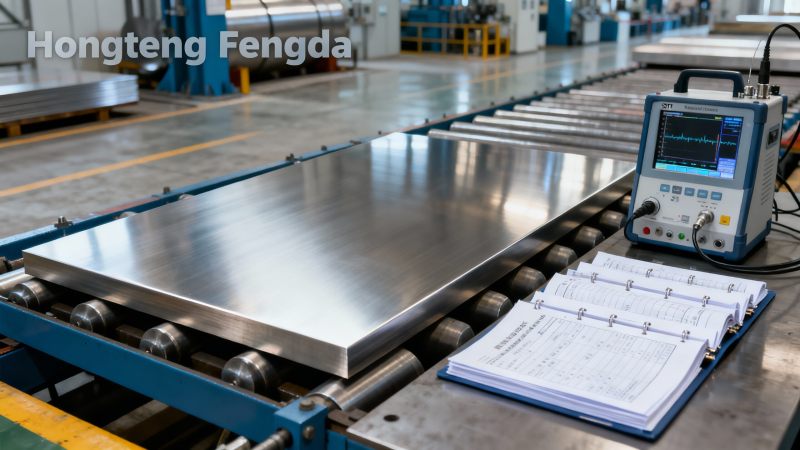
1. Material Certification and Standard Compliance
The foundation of high-quality SST plate production begins with selecting certified raw materials. Quality engineers must confirm that each stainless steel metal plate meets international standards such as ASTM, EN, JIS, and GB. Compliance ensures that properties like tensile strength, yield point, and elongation fall within acceptable ranges. Suppliers should provide material test reports (MTRs) and heat numbers corresponding to each batch. Such documentation verifies traceability and assures buyers that the ss metal sheet or plate SS has undergone appropriate metallurgical control.
When verifying standard compliance, attention should also be placed on the chemical composition. Excessive sulfur or phosphorus can cause brittleness, while improper chromium or nickel ratios may compromise corrosion resistance. A robust inspection process guarantees that stainless square plates and stainless L channels will perform reliably under various environmental and load conditions. For fabricators or contractors sourcing from overseas, detailed third-party verifications and CE or ISO certifications significantly strengthen confidence in the steel’s authenticity and consistency.
Besides material checks, the surface finishing level—such as mill finish, brushed, or polished—needs assessment. A consistent surface treatment ensures better weldability and coating adhesion, an essential factor in projects utilizing galvanized components or construction wire assemblies. Corrosion resistance can be enhanced further when the stainless metal plate is passivated according to respective standards.
2. Dimensional Accuracy and Flatness Control
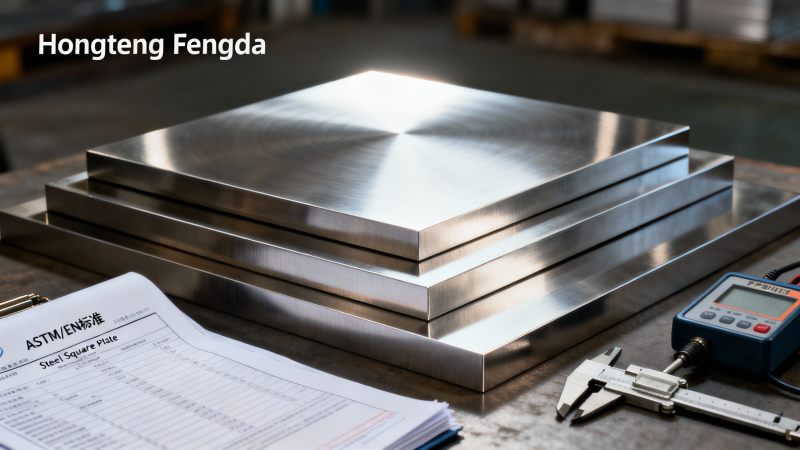
Dimensional accuracy is a critical indicator for evaluating SST plate quality before shipment. Engineers must verify parameters such as thickness, width, length, and flatness against design drawings and tolerance requirements. For instance, a typical structural steel tolerance falls within ±1% variation. Tables, such as the one below, help auditors visualize acceptable deviations for a steel square plate or a stainless steel metal plate during inspection.
Maintaining precision not only ensures structural integrity but also facilitates on-site installation. Distortions or warps in plate SS or stainless square plate products can lead to misalignment during assembly, compromising safety and increasing labor hours. Therefore, metallic rolling calibration and heat leveling are essential steps prior to packaging.
In addition, advanced measuring tools like coordinate measuring machines (CMM) are often used to confirm geometric conformity. For project-specific products like the Z-beam, dimensional accuracy directly influences load distribution. Manufactured in Q235B, Q345B, and SS540 materials, with thicknesses ranging from 6–25mm, such customized steel profiles serve effectively in roof beams, wall frames, and machinery columns under strict dimensional tolerances.
3. Surface Quality and Defect Inspection
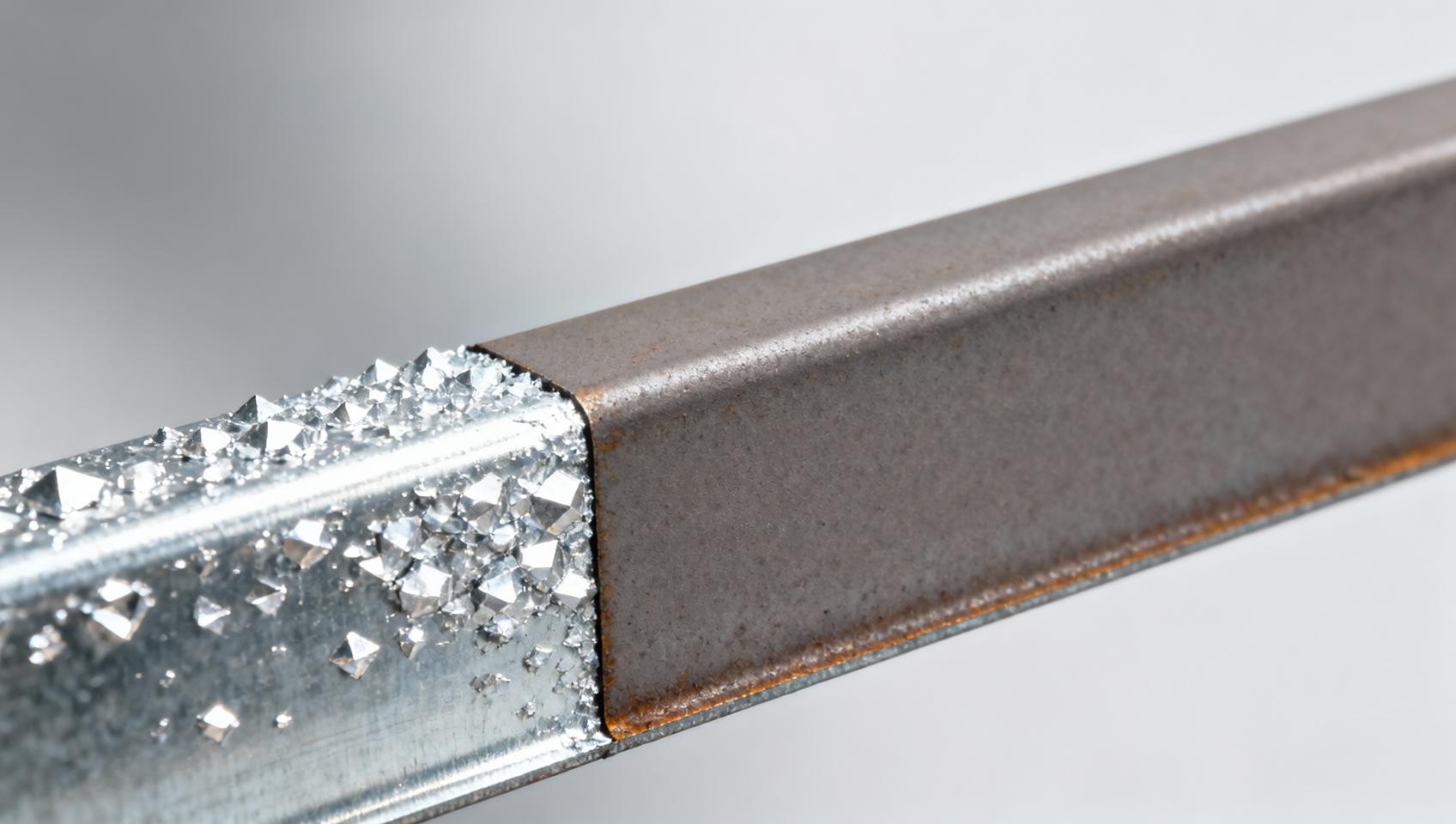
The surface integrity of any stainless steel metal plate or SST plate profoundly affects corrosion resistance and appearance. Before shipment, engineers must visually and mechanically inspect each unit for scratches, pits, laminations, and rust spots. Even small imperfections on a stainless metal plate can accelerate oxidation when exposed to humid or chemical environments. An effective surface quality checklist includes rust removal, protective coating integrity, and verification of mill edge or slit edge finishing.
Advanced non-destructive testing (NDT) methods such as ultrasonic or magnetic particle tests help detect internal cracks or inclusions not visible to the naked eye. For welded or perforated sheets, radiographic inspection ensures weld penetration meets code requirements. Products like galvanized or perforated variations of the Z-shaped steel profile benefit from these checks, as they are often used in lightweight roofs and mechanical arms that require precisely finished surfaces to ensure long-term reliability.
After ensuring a clean finish, applying surface protection like oiling or zinc coating prolongs shelf life during transportation. Engineers should also record coating thickness in log sheets and attach labels with batch details. Such data allows end users and quality managers to trace the stainless L channel or construction wire back to its production record, simplifying after-sales validation or warranty support.
4. Weld Quality and Structural Integrity
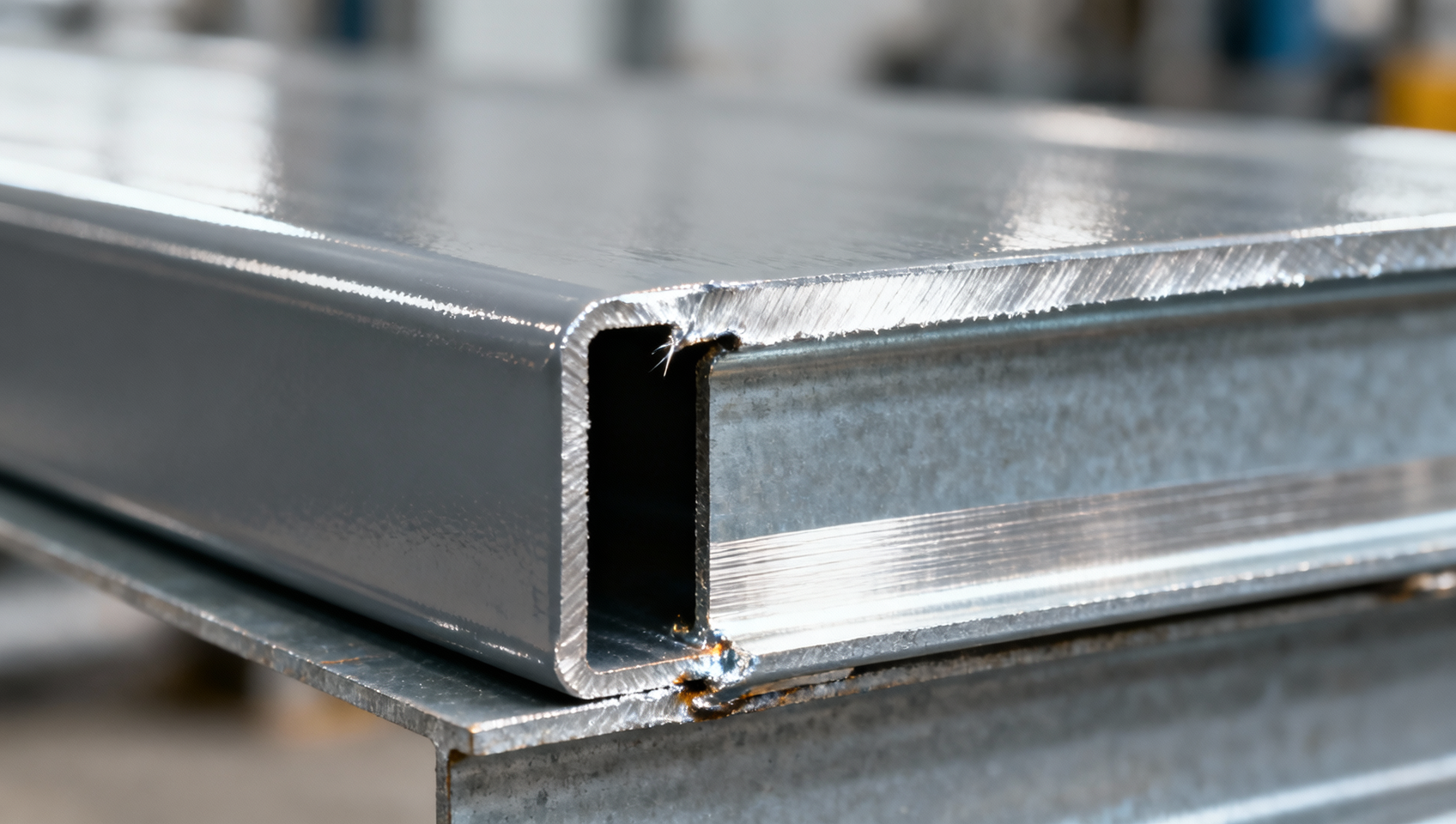
Welding inspection is one of the most critical steps before dispatching steel structural components. Poor joint fusion in a steel tube coil or plate SS assembly can lead to premature structural failure. Engineers should check for uniform bead width, proper penetration, and absence of porosity or undercut marks. Proper preheating and post-weld normalization are also crucial to control residual stress and avoid deformation, especially when dealing with thicker sections over 20mm.
To guarantee consistency, all welded joints must conform to AWS D1.1 or ISO 5817 standards. Random sampling of SST plate welds—paired with bend tests or fillet break tests—verifies mechanical soundness. Surface dye penetrant inspection for stainless steel metal plates can further reveal microcracks that ultrasonic probes might miss. This process reduces rework rates and improves reliability in end-use environments like industrial plants and heavy machinery bases.
Consistent training for welding teams and continuous monitoring of equipment conditions prevent fluctuating arc stability. Implementing a systematic QA/QC checklist improves both production efficiency and confidence among international clients outsourcing their structural requirements to manufacturers in China. This attention to structural integrity aligns perfectly with Hongteng Fengda’s commitment to trustworthy performance in every stainless square plate or steel tube coil they export.
5. Packaging, Marking, and Final Shipment Trails
Even the highest-quality materials can be compromised without proper handling and packaging. During the final stage, each steel square plate, stainless steel metal plate, or SST plate should be separated with anti-friction layers and packed on wooden skids or pallets. Export-grade wrapping—often using moisture-proof film—protects materials from salt spray and mechanical collision. Correct labeling includes product grade, batch number, and standard reference, ensuring traceability from mill to site installation.
Hongteng Fengda emphasizes this shipping discipline as part of its integrated supply chain reliability. Every crate or bundle comes with verification documents confirming mechanical and chemical test results. This transparent documentation supports procurement teams, quality inspectors, and project managers who rely on consistency to meet deadlines. Additionally, the customized design of components like the Z-beam allows adaptation to project-specific logistics, minimizing on-site adjustments and enhancing cost efficiency.
Lastly, shipment trails are recorded via digital tracking to ensure lead-time accountability. In global deliveries across North America, Europe, and the Middle East, maintaining such export documentation helps prevent disputes and facilitates efficient customs clearance. The entire process—from dimensional verification to labeling—forms a closed-loop system safeguarding client satisfaction and international compliance.
Conclusion and Call to Action
Ensuring that every SST plate, stainless metal plate, or steel tube coil complies with rigorous quality standards is far more than a procedural checkpoint—it is a core element of structural safety and brand credibility. From verifying raw material origins and dimensional accuracy to examining surface finish and weld quality, each step reinforces customer trust in the final product. Proper documentation and packaging further guarantee that materials arrive in pristine condition, ready to perform under demanding construction conditions.
As a professional structural steel manufacturer and exporter from China, Hongteng Fengda consistently delivers products adhering to global standards, including ASTM, EN, and JIS. With advanced facilities, experienced engineers, and precise quality management, we help partners reduce sourcing risks while ensuring performance reliability. Whether you require stainless square plates, stainless L channels, or customized structural profiles, our team offers comprehensive solutions tailored to your project’s technical and logistical requirements.
For detailed specifications, consultation, or to explore our full product lineup, connect with our technical sales team today. Discover how Hongteng Fengda’s quality assurance process for stainless steel metal plates and related products can elevate your project outcomes—contact us now to discuss your next order or request a quotation.
Related recommendations
 Is acero galvanizado para exterior vulnerable to white rust formation during monsoon storage?Acero galvanizado para exterior *is* vulnerable to white rust in monsoons — but it’s preventable. Discover proven storage & handling strategies that protect your structural steel.
 Does ASTM A 36 plate meet impact toughness requirements for low-temperature bridge girders?Does ASTM A 36 plate meet low-temp bridge requirements? Short answer: no—unless specially tested. Discover why toughness matters more than strength in cold climates.
 Does ASTM A653 certification cover both zinc-coated and zinc-iron alloy coated steels?ASTM A653 covers both zinc-coated and zinc-iron alloy coated steels—but they’re not interchangeable. Learn key differences in testing, performance & certification.
 Does acero prepintado require surface pretreatment before welding or cutting?Does acero prepintado require pretreatment before welding or cutting? Discover when grinding is essential—and when it’s not—for safety, weld integrity & corrosion resistance.
Please give us a message


Please enter what you want to find