Effective inventory planning is key to maintaining steady production and meeting project timelines in the steel industry. By leveraging stainless steel square bar supply data, manufacturers and buyers can predict demand trends, optimize stock levels, and reduce costs. For structural steel experts like Hongteng Fengda—specializing in SGCC, C-shaped steel, ASTM A106 Gr.B, cold rolled steel, and other alloys—data-driven strategies ensure efficient resource allocation, better project delivery, and stronger competitive advantage in the global market.

Understanding the Role of Supply Data in Modern Steel Inventory Planning
The steel industry operates within a fast-moving environment, where production timelines, order fluctuations, and raw material costs can shift unexpectedly. For global manufacturers and exporters such as Hongteng Fengda, understanding supply data—from stainless steel square bar batch output to steel tubing movement analytics—provides a crucial foundation for reliable planning. Every shipment, every coil of cold rolled steel, and every metric ton of SGCC grade material represents a data point that can inform forecasting models and procurement strategies.
By adopting advanced data collection methods such as IoT-enabled tracking and cloud-based ERP integration, structural steel producers can monitor real-time capacity utilization and delivery performance. Supply data analysis allows manufacturers to anticipate possible supply chain disruptions caused by logistics interruptions, quality variance in stainless steel round materials, or fluctuations in backing material prices. When demand surges for C-shaped steel or specialized ASTM A106 Gr.B pipes, companies with well-organized inventory management grounded in supply data can respond faster, mitigating project delays.
Beyond operational responsiveness, inventory optimization supported by accurate supply data contributes to cost reduction and capital efficiency. Overproduction leads to high storage costs, while understock creates missed sales opportunities and project interruptions. Integrating predictive analytics into planning tools ensures that decision-makers receive actionable insights before significant risks develop. This intelligent approach not only improves profit margins but also enhances supply reliability, especially for international buyers in the construction, energy, and manufacturing markets served by Hongteng Fengda.
Leveraging Stainless Steel Square Bar Supply Data for Predictive Demand Analysis
Predictive demand analysis is one of the most powerful applications of supply data. In structural steel production, patterns in historical demand for stainless steel square bar or hot rolled beams reveal cyclical consumption trends across industries such as oil & gas, transportation, and infrastructure. By studying multiple years of shipment volume, pricing indexes, and client order cycles, analysts can generate reliable short-term and long-term inventory forecasts. These predictions support smoother resource coordination and secure procurement processes for critical materials like SGCC and cold rolled steel.
Manufacturers and procurement professionals use machine learning tools to correlate demand for similar materials, such as comparing the movement of C-shaped steel with that of rectangular tubing or bar-shaped profiles. This correlation assists in determining substitution policies and maintaining flexible inventory structures. For example, when stainless steel square bar availability tightens, data-driven insights can recommend adjustments using appropriate steel round alternatives to balance production schedules without compromising mechanical performance or compliance with EN, ASTM, or JIS standards.
These predictive models also enhance collaboration between suppliers and buyers. By sharing live status dashboards and forecasts, Hongteng Fengda helps customers align purchasing windows with production timelines. This transparency nurtures trust, allowing project managers and quality inspectors to visualize supply resilience before committing to large-scale procurement. Ultimately, using stainless steel square bar supply data does more than optimize storage levels—it strengthens the overall responsiveness and competitiveness of companies navigating global steel markets.
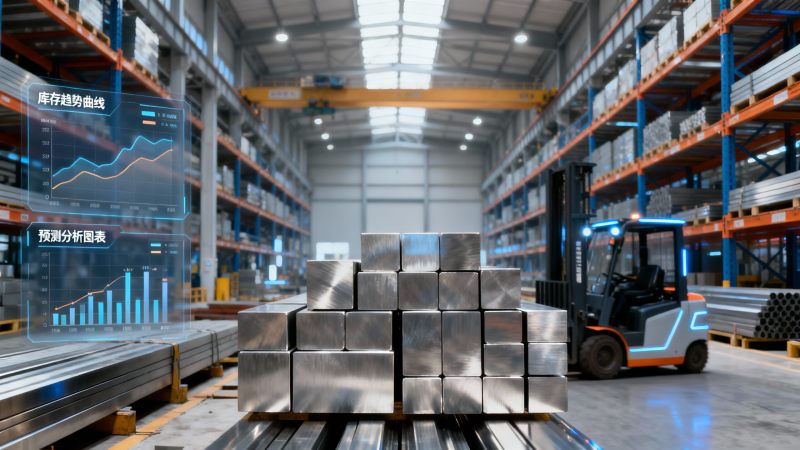
Integrating Inventory Optimization Systems with Quality and Production Parameters
Inventory optimization extends beyond counting products on racks; it interlinks with quality verification, production throughput, and project performance indicators. For a leading exporter like Hongteng Fengda, the accuracy of galvanised sheet and bar inventory reflects its commitment to ASTM A106 Gr.B and SGCC quality benchmarks. Real-time data flow from production lines to warehouse systems ensures that every lot of cold rolled steel and stainless steel square bar meets specified dimensions, tensile strength, and surface finish before being recorded as ready-to-ship.
As an example of the integration between production data and material planning, high-strength products such as Galvanised Steel Sheet Metal are traceable through each step of processing. With model grades like DX51D, S550GD, or SGCD4, and tensile strength ranging roughly from 260 MPa to over 550 MPa, these materials offer durability required for industries including construction, transportation, agriculture, and energy. Through data alignment with ERP systems, planners maintain ideal stock ratios across multiple hardness levels, ensuring the right sheet variant is always available when customers require specific corrosion resistance or elongation performance.
This integration process results in a digital twin environment that mirrors the shop floor, allowing maintenance teams to forecast equipment wear, assess zinc consumption rates, and evaluate yield performance in relation to material quality. When the data reveals abnormal consumption patterns, corrective actions can be triggered early, supporting product consistency and minimizing waste. Consequently, inventory optimization merges seamlessly with advanced manufacturing principles, achieving simultaneous improvements in cost control, lead time reduction, and long-term sustainability in structural steel operations.
Data-Driven Collaboration Across the Global Structural Steel Supply Chain
A data-centered planning culture also transforms how international supply networks operate. For a global manufacturer working with distributors and engineering firms across continents, coordination depends heavily on accurate, shared data. The ability to relay live stock visibility for components like stainless steel round bars, C-shaped steel channels, and steel tubing fosters smoother collaboration between stakeholders. Hongteng Fengda’s multi-regional footprint, stretching from North America to the Middle East and Southeast Asia, demonstrates how standardized datasets contribute to maintaining unified inventory principles despite differing market behaviors.
Shipping, customs, and logistical systems yield vast quantities of data that can inform strategic sourcing. When a partner in Europe forecasts higher seasonal demand for SGCC pipes or ASTM A106 Gr.B tubes, central analytics instantly adjust factory allocation and warehouse distribution plans in China. This rapid feedback loop prevents bottlenecks and maintains delivery reliability. Additionally, communicating certified compliance—whether AISI, EN, JIS, or GB—via digital records shortens verification procedures between buyers, inspectors, and port authorities.
Globally connected planning platforms also advance sustainability, minimizing carbon footprint through improved route optimization and energy-efficient transport scheduling. For buyers and contractors, access to supply data increases confidence in sourcing decisions, assuring that every batch of structural or stainless steel aligns with both technical and ethical expectations. Such transparency reinforces the industry’s trust foundation, positioning Hongteng Fengda and similar enterprises as preferred partners for long-term cooperation.
Enhancing Decision-Making with Analytics and Digital Transformation
The evolution of digital transformation in steel manufacturing makes data analytics not simply beneficial, but essential. Deploying AI-assisted algorithms to analyze stainless steel square bar supply fluctuations allows schedulers to track seasonal consumption while simulating future inventory scenarios. Decision-makers gain direct access to dashboards highlighting correlations among raw material procurement cost, production rate, and sales delivery intervals. Such visibility simplifies policy setting, helping finance departments streamline capital allocation while keeping warehouse managers informed about cycle stock movements.
One of the significant advantages of analytics implementation lies in risk reduction. Predictive maintenance modules warn users when deviations in cold rolled steel output or coating thickness appear, hinting at possible machine deviations or material inconsistencies. Furthermore, integrating logistics data into the analytical ecosystem ensures that exported goods—from Galvanised Steel Sheet Metal to custom C-shaped beams—are scheduled efficiently, thus reducing shipping idle time and aligning with just-in-time delivery objectives. Through such pathways, enterprises achieve holistic efficiency covering procurement, warehousing, production, and customer service altogether.
Ultimately, analytics transform complex steel supply chains into intelligent systems capable of self-regulation. Hongteng Fengda’s adoption of this practice exemplifies how structural steel manufacturers can merge domain expertise with technology innovation to sustain worldwide competitiveness. Future-focused investments in digital planning platforms will continue to define leaders from followers within the global steel market, reflecting the intersection of engineering precision, customer orientation, and digital intelligence.
Conclusion: Building Competitive Advantage Through Intelligent Steel Inventory Planning
Accurate and data-driven inventory planning based on stainless steel square bar supply data holds transformative potential for the entire steel ecosystem. When operators consolidate real-time information from production outputs, logistics routes, and market signals, they gain the agility to maintain optimal stock levels, minimize waste, and deliver projects punctually. Hongteng Fengda, as a professional structural steel manufacturer and exporter, demonstrates how integrating SGCC, ASTM A106 Gr.B, cold rolled steel, and C-shaped steel data streams enables seamless coordination across multiple regions and industries.
Whether supplying prime-quality stainless steel round materials for industrial applications or precision-engineered components for infrastructure development, Hongteng Fengda’s approach ensures reliability, transparency, and long-term client value. For technical evaluators, procurement specialists, and project managers seeking dependable partnership, adopting a data-centric inventory planning model is now imperative. It not only mitigates risk and improves consistency but also promotes sustainability in a globally interconnected marketplace.
Connect with Hongteng Fengda today to explore how advanced supply data systems, professional structural steel solutions, and tailored OEM services can elevate your operations. Learn more about our customized offerings and discover the competitive strength that precise inventory optimization can bring to your projects.
Related recommendations
 Is acero galvanizado para exterior vulnerable to white rust formation during monsoon storage?Acero galvanizado para exterior *is* vulnerable to white rust in monsoons — but it’s preventable. Discover proven storage & handling strategies that protect your structural steel.
 Does ASTM A 36 plate meet impact toughness requirements for low-temperature bridge girders?Does ASTM A 36 plate meet low-temp bridge requirements? Short answer: no—unless specially tested. Discover why toughness matters more than strength in cold climates.
 Does ASTM A653 certification cover both zinc-coated and zinc-iron alloy coated steels?ASTM A653 covers both zinc-coated and zinc-iron alloy coated steels—but they’re not interchangeable. Learn key differences in testing, performance & certification.
 Does acero prepintado require surface pretreatment before welding or cutting?Does acero prepintado require pretreatment before welding or cutting? Discover when grinding is essential—and when it’s not—for safety, weld integrity & corrosion resistance.



Please give us a message


Please enter what you want to find