Lead time and quality control play a decisive role in HRC coil procurement for large construction projects, directly influencing cost efficiency, structural safety, and delivery timelines. For buyers seeking reliable carbon coils, hot coil steel, coil rolled steel, or galvanized metal plate solutions, understanding these factors is crucial. As a professional structural steel manufacturer and exporter, Hongteng Fengda ensures stable quality and consistent supply of HRC coil, galvannealed coil, gal sheet, and related materials to meet diverse project demands worldwide. Timely supply is not just about meeting schedules; it’s about reducing storage costs, minimizing project downtime, and ensuring durability that complies with global standards. This article explores the dynamics between procurement efficiency, quality management, and technical standards, providing practical insights for engineers, procurement managers, and decision-makers across the construction, manufacturing, and infrastructure sectors.
Definition and Overview of HRC Coil Procurement
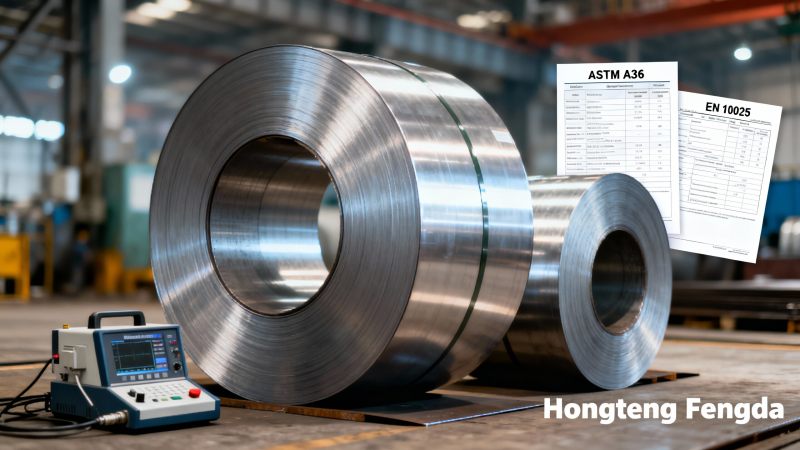
Hot rolled coil (HRC), also known as hot coil steel or coil rolled steel, is a fundamental raw material in structural construction, machinery production, and large-scale infrastructure projects. Its mechanical strength, thickness tolerance, and surface characteristics play critical roles in determining its end-use capability. In the steel procurement process, lead time refers to the interval between placing an order and receiving the material. For large construction projects involving thousands of tons of carbon coils, accurate lead time management ensures efficient resource planning, warehouse optimization, and uninterrupted progress at job sites. Quality control, on the other hand, encompasses every technical checkpoint, from raw billet examination to rolling temperature monitoring, coil flattening precision, and final inspection for thickness, hardness, and coating quality. A supplier with robust lead time control and advanced inspection technology can effectively reduce non-conformity risks, increase yield rate, and ensure compliance with international standards such as ASTM A36, EN 10025, and GB/T 3274. Incorporating modern inspection systems like ultrasonic testing and surface defect detection allows manufacturers like Hongteng Fengda to deliver consistent coil performance while meeting the project-specific requirements of global clients.
Market Overview and Industry Background
The global demand for HRC coil and related steel products continues to expand due to rapid urbanization, renewable energy projects, and infrastructure growth in developing and developed economies alike. According to recent industry reports, Asia-Pacific leads the market share, followed by Europe and North America, as nations invest heavily in transportation, housing, and industrial facilities. Project planners increasingly emphasize supply stability over mere price competitiveness. The volatility in raw material prices and shipping logistics over the past few years highlighted how unstable lead times can disrupt multi-million-dollar construction schedules. Consequently, procurement departments now prioritize vendor assessment systems that rate suppliers based on their average delivery performance, consistency in coil quality, adherence to galvanization standards, and ability to provide diverse materials such as galvannealed coil, gal steel sheet, and gi sheet coil. Hongteng Fengda, with its established network and production base in China, maintains a reliable production capacity that aligns with global steel demands, offering both standardized products and customized OEM solutions for international buyers.
Technical Performance and Quality Control Indicators
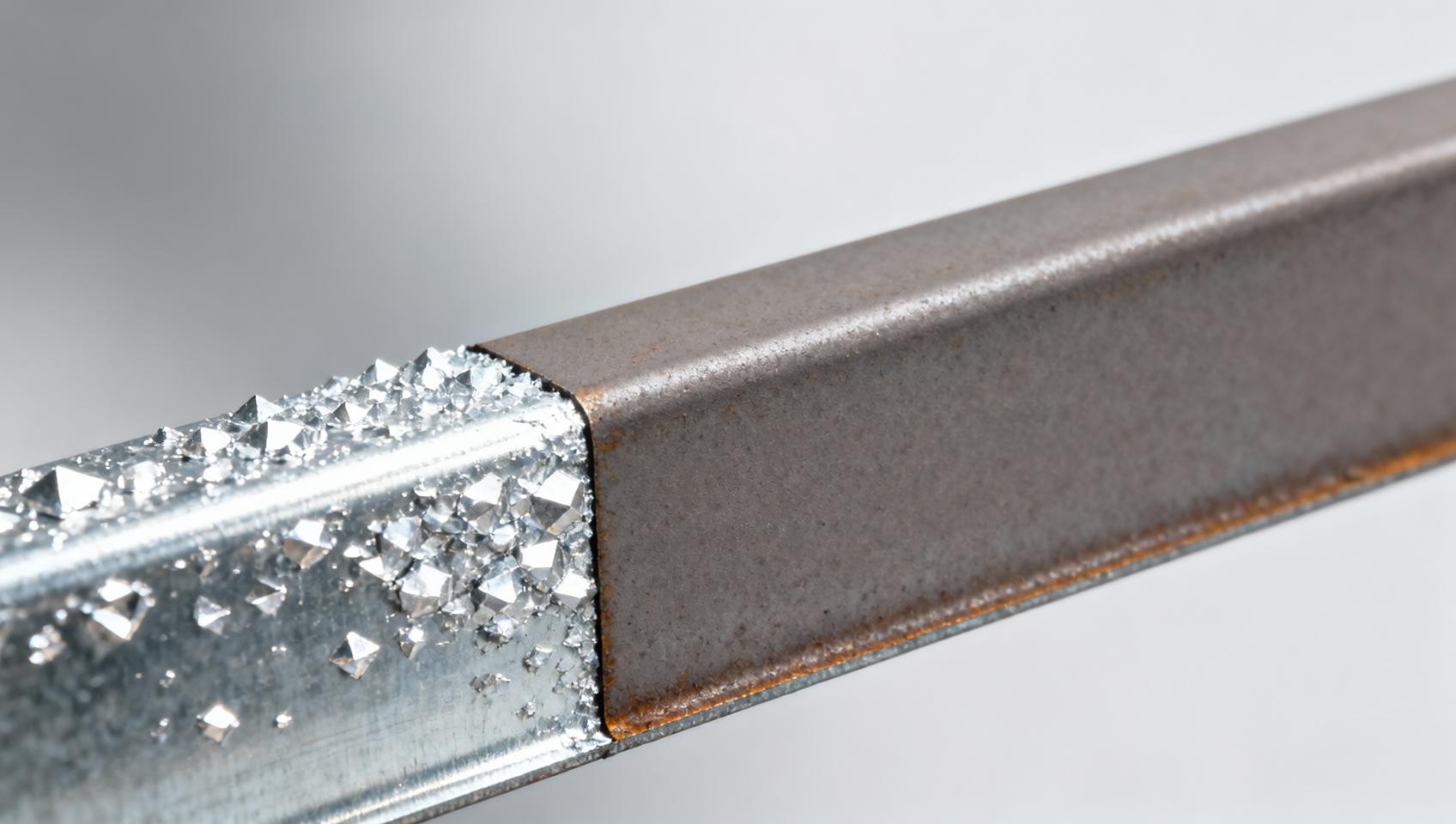
From a technical standpoint, the performance of an HRC coil depends on factors such as metallurgical uniformity, grain structure, tensile strength, and residual stress distribution. Quality control begins with material selection—ensuring low impurity content and proper deoxidation—and extends to temperature management during hot rolling. In high-precision structural applications, compliance with international standards such as EN 10204 or ISO 9001 is mandatory. Dimensional tolerance and surface flatness directly affect welding efficiency and assembly accuracy in construction. For galvanized steel products like gal sheet or galvanized metal mesh sheets, coating thickness plays a vital role in corrosion resistance. Testing procedures for coil rolled steel include mechanical tensile evaluation, hardness measurement, flattening and bending tests, and spectroscopic chemical analysis. Manufacturers like Hongteng Fengda integrate real-time monitoring systems and statistical process control (SPC) to ensure every ton of coil steel meets the required specifications. Advanced coating facilities also support products such as the Galvanized Steel Wire Rope, which applies zinc coating layers varying from 15 to 260 g/m² depending on corrosion conditions, ensuring durability in mining, marine, and construction environments. Each production step is meticulously inspected to guarantee conformity to GB/T 20116-2008, DIN, and ABS certification standards.
Procurement Guide and Lead Time Optimization
Effective procurement of HRC coil depends on strategic coordination between buyers and suppliers. Construction project managers and procurement planners must analyze production cycles, shipping transit times, and lot size configurations. A reliable supplier will provide transparent production updates, mill test certificates, and anticipated delivery windows. Hongteng Fengda utilizes digital tracking systems that link production status with logistic partners, allowing clients to view progress in real time. Lead time optimization not only reduces capital tied up in inventory but also enables better cash flow for downstream operations. When evaluating potential suppliers, procurement teams should consider the following criteria: production capacity, compliance with ASTM, JIS, and GB standards, test documentation availability, warehousing proximity to ports, and service response time. Additionally, communication efficiency—especially in handling emergency order modifications—becomes essential in large-scale construction projects where unforeseen changes often occur. The right balance of cost efficiency, coil quality, and delivery reliability defines long-term procurement success. Buyers should also review material traceability documentation that confirms the origin and thermomechanical properties of carbon coils, galvannealed coil, and similar materials to secure consistent quality assurance.
Comparison Analysis: Quality-Centric vs. Cost-Centric Procurement Approaches
A common dilemma in the construction industry involves choosing between cost-focused purchasing and quality-focused sourcing strategies. Cost-centric procurement often pursues lower prices at the expense of product lifecycle and mechanical stability. Conversely, quality-oriented sourcing may appear more expensive upfront but significantly reduces project maintenance costs and safety risks over time. For HRC coil procurement, prioritizing dependable supply chains and quality control processes ensures fewer structural issues, fewer welding defects, and extended service life. Hongteng Fengda demonstrates how manufacturing discipline and inspection protocols directly translate into lower rework ratios and stable tensile performance. Tables comparing mechanical performance across suppliers consistently show that consistent quality correlates with improved reliability and reduced project variance. For example, adopting consistent coating specifications such as those used for electro galvanized finishes on the Galvanized Steel Wire Rope enhances durability and load-bearing capacity in heavy crane and elevator systems, aligning with international safety benchmarks and engineering codes. Buyers who assess life-cycle cost rather than initial price typically experience higher project ROI and sustainability compliance.
Standards, Certification, and Compliance
Quality control frameworks rely heavily on internationally recognized standards that ensure product consistency across global markets. HRC coils, galvanized plates, and other steel components must often meet ASTM, EN, JIS, ISO, or GB criteria. Projects in Europe may demand CE marking, while North American projects emphasize compliance with ASTM A1011 or SAE standards. Certification not only confirms mechanical integrity but also builds trust between suppliers and end users. Hongteng Fengda’s production systems adhere to ISO 9001 quality management and undergo third-party audits to verify coating thickness, mechanical properties, and documentation accuracy. For project managers, insisting on certified materials helps eliminate procurement risks and simplifies inspection approval during construction supervision. Various inspection agencies and laboratories can provide verification reports that validate heat treatment, microstructure, and chemical balance of galvannealed coil or gal steel sheet. Coordinated documentation management ensures smoother customs clearance and regulatory acceptance for international infrastructure projects.
Case Studies and Real-world Applications
Recent infrastructure projects demonstrate how well-managed lead time and strict quality control have enabled large developments to achieve synchronized timelines. In one case, a high-rise development in the Middle East utilized high-grade coil rolled steel from Hongteng Fengda, achieving a zero-delay record in steel frame assembly due to the supplier’s reliable delivery schedule. In another example, European manufacturers sourcing carbon coils from China benefited from lean logistics coordination that reduced average delivery variance to less than 5%. Additionally, galvanized metal plate and gi sheet coil were adapted for bridge decking and solar mounting structures due to superior corrosion resistance in marine environments. These experiences underline the crucial role of technical documentation, precise scheduling, and supplier accountability. The integration of advanced manufacturing technology with standardized process control positions Hongteng Fengda as a dependable partner for global buyers seeking performance-driven HRC coil solutions in both commercial and industrial projects.
Trends and Future Insights in HRC Coil Supply Chain
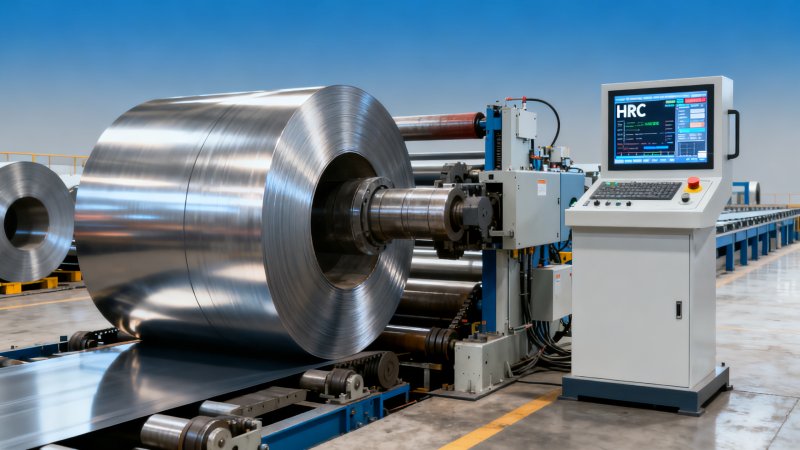
Looking ahead, the global HRC coil market is transitioning toward intelligent manufacturing and predictive logistics. Artificial intelligence and IoT are increasingly applied in quality data analysis, enabling real-time correction in hot rolling operations and coating applications. Sustainability also shapes procurement decisions, as environmental regulations push for low-carbon production and recyclable steel usage. Advanced galvanization techniques, energy-efficient furnaces, and reduced carbon emission certification are becoming standard requirements in project tendering. At the same time, digitalized procurement platforms now allow engineers and purchasing teams to compare product specifications, visualize mechanical performance, and track coating uniformity online. These innovations contribute to transparent, data-driven decision-making processes for large construction projects that use carbon coils, gal sheet, and hot coil steel as core materials. Hongteng Fengda’s integration of modern automation and data monitoring capabilities ensures alignment with these trends, offering clients stable quality assurance and adaptive production capabilities suited for evolving industry demands.
Why Choose Hongteng Fengda
Choosing the right structural steel partner means securing project reliability, reduced risk, and quality assurance. With decades of manufacturing experience, Hongteng Fengda combines advanced facilities, professional engineering teams, and modern management systems to deliver consistent quality and dependable lead times. The company’s portfolio includes a wide range of products—from HRC coil and galvannealed coil to carbon coils, gi sheet coil, and galvanized metal mesh sheets—all produced under strict compliance with ASTM, EN, JIS, and GB standards. Moreover, flexible OEM customization allows global clients to adapt steel specifications to niche construction, industrial, and mechanical applications. Through continuous improvement, precise process control, and reliable customer service, Hongteng Fengda remains committed to helping partners minimize procurement complications, manage project timelines, and meet international safety requirements. Whether supplying standard hot coil steel or specialized galvanized metals, their focus on quality, reliability, and trust forms the foundation of long-term collaboration.
- steel i
- galvanized metal plate
- gal steel sheet
- gal sheet
- galvanized metal mesh sheets
- gi sheet coil
- galvannealed coil
- coil rolled steel
- hot coil steel
- hrc coil
- carbon coils
- rolled coil
- galvanized steel wire
- Hot Rolled Coil
- HRC
- galvanized steel
- ASTM A36
- structural steel
- Structural Steel
- Galvanized Steel Wire Rope
- Galvanized
- Steel Wire
- steel sheet
- steel wire rope
Related recommendations
 Is acero galvanizado para exterior vulnerable to white rust formation during monsoon storage?Acero galvanizado para exterior *is* vulnerable to white rust in monsoons — but it’s preventable. Discover proven storage & handling strategies that protect your structural steel.
 Does ASTM A 36 plate meet impact toughness requirements for low-temperature bridge girders?Does ASTM A 36 plate meet low-temp bridge requirements? Short answer: no—unless specially tested. Discover why toughness matters more than strength in cold climates.
 Does ASTM A653 certification cover both zinc-coated and zinc-iron alloy coated steels?ASTM A653 covers both zinc-coated and zinc-iron alloy coated steels—but they’re not interchangeable. Learn key differences in testing, performance & certification.
 Does acero prepintado require surface pretreatment before welding or cutting?Does acero prepintado require pretreatment before welding or cutting? Discover when grinding is essential—and when it’s not—for safety, weld integrity & corrosion resistance.
Please give us a message


Please enter what you want to find