Steel strapping for the packaging industry plays a vital role in ensuring product security, stability, and compliance with safety standards. As a trusted SGS certified steel supplier in Europe and a leading coil stainless steel exporter in China, Hongteng Fengda provides high‑temperature steel for boiler applications, welded stainless tubing for oil and gas, and 304 coil for industrial applications. With proven expertise in structural steel manufacturing, we help buyers, operators, and project managers maintain quality, efficiency, and safety in every packaging and logistics operation. The use of durable strapping helps prevent accidents during transport, maintains pallet integrity, and supports a sustainable packaging supply chain. Through a careful selection of materials, coatings, and tensioning methods, companies can meet international standards and reduce both material loss and operational risk. Hongteng Fengda’s commitment to quality and compliance makes us a preferred partner for businesses requiring reliable support in steel sourcing and performance assurance.
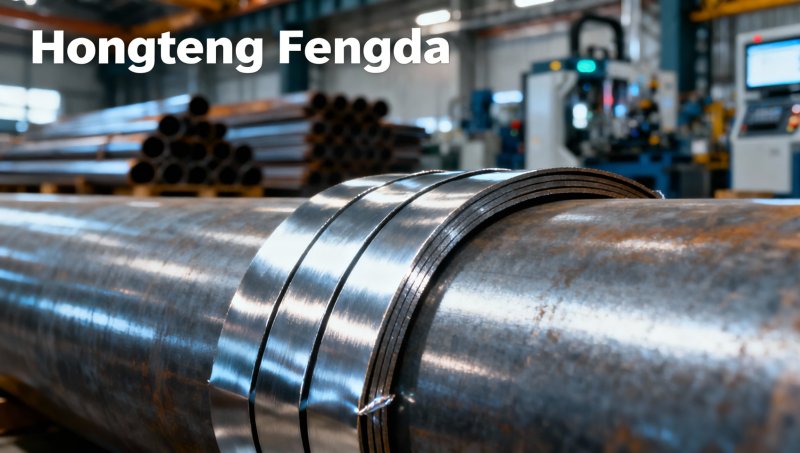
Definition and Overview of Steel Strapping in the Packaging Industry
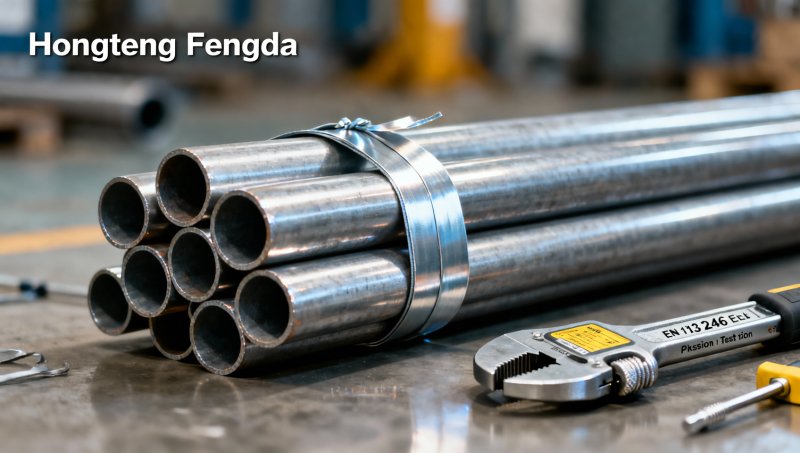
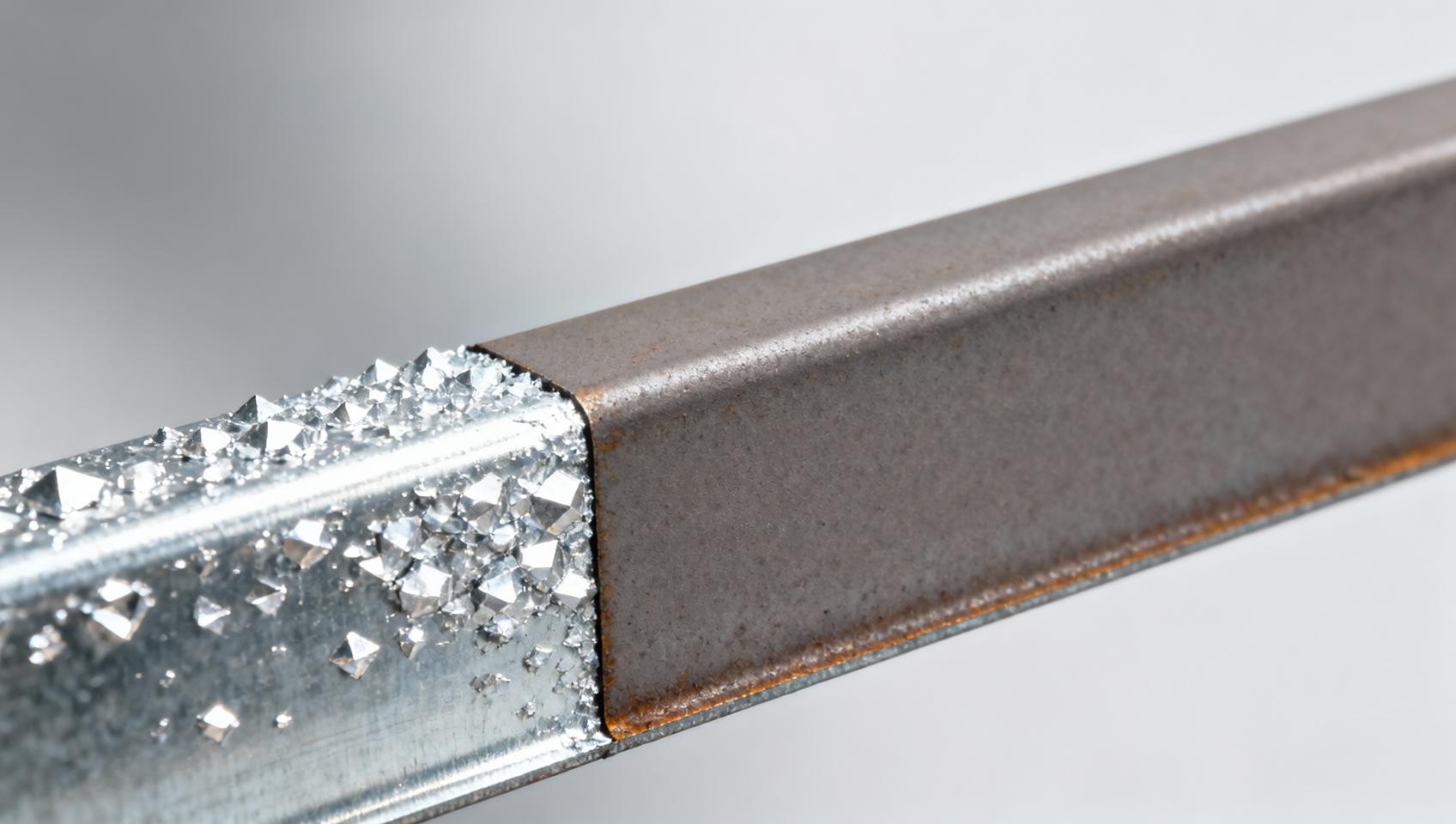
Steel strapping, sometimes called banding or metal strapping, refers to the process and materials used to secure heavy loads or large packages for industrial transport. The main objective is to safeguard goods from vibration, shifting, or damage during warehousing and shipping. Depending on application, manufacturers select from high-tensile steel, stainless steel coil materials, or coated products like galvanized variants that offer improved anti‑corrosion features. For instance, the use of hot dip galvanized iron or high temperature steel for boiler applications ensures extended service life even under severe weather exposure. Common sectors utilizing steel strapping include construction materials, coils, tubes, lumber, and oil and gas equipment packing. Safety regulations, such as EN 13246 or ASTM D3953, require proper tensioning and sealing devices. Operators must also ensure strapping tools comply with occupational health standards, thereby reducing the risk of injury. In packaging facilities, adherence to load securing protocols reflects a company’s commitment to operational reliability and global supply safety. Hongteng Fengda integrates these principles with its advanced production lines, developing coils and stainless steel rolls that fit stringent industrial specifications while offering recyclable, eco‑friendly alternatives to synthetic straps.
Market Overview and Industry Standards
The global market for steel strapping continues to grow with the steady expansion of the logistics, construction, and heavy manufacturing sectors. Europe’s emphasis on sustainable packaging, together with the increased demand for SGS certified steel suppliers in Europe, has accelerated the transition toward quality‑assured materials. In Asia, coil stainless steel exporter in China networks like Hongteng Fengda serve as key partners to distributors managing large-volume procurement. Global steel production technologies, including cold rolling and heat treatment, further improve precision and tensile consistency. International standards—ASTM, BS, JIS, EN, and GB—guide these operations by defining minimum yield strength, coating weight, edge quality, and resistance criteria. For safety management personnel, compliance ensures secure fastening of pallets and containers while mitigating metal fatigue or strap failure. The packaging industry’s collaboration with manufacturers helps establish traceable sourcing, aligning with ResponsibleSteel and ISO9001 requirements. Factors such as ss 316 coil price per ton, material recyclability, and tensile strength are closely monitored. Hongteng Fengda leverages this demand by combining precision cold‑forming with OEM customization, thereby providing clients cost‑effective yet standardized supply chains. As operators explore flat stainless steel supplier networks in the USA, they increasingly seek verified partners with transparent testing reports and documentation for import regulation conformance.
Application Scenarios and Safety Use Cases
Steel strapping applications are abundant across manufacturing and logistics industries. It secures coils, pipes, timber, and machinery components, enabling safe movement in warehouses, ports, or project sites. For instance, in oil and gas facilities, welded stainless tubing for oil and gas equipment must be held firmly with reliable strapping to avoid line distortion. Packaging for high temperature steel for boiler applications requires extra tension stability due to thermal expansion. In construction, securing structural beams or cold formed steel profiles during overseas transport is critical to maintain design integrity. Moreover, Hongteng Fengda’s engineering solutions accommodate client-specific load designs, providing robust packaging solutions even for delicate inox plate for construction projects. To demonstrate material adaptability, products such as Galvanized Round Steel are utilized for electric power tower, communication tower, railway, and marine components, benefiting from properties like anti‑corrosion and straightening control. From the perspective of project managers, using reliable strapping reduces downtime, prevents re‑packing, and improves overall delivery performance. The proper use of protective edge guards, safety gloves, and automatic strapping tools are recommended by industry safety standards. When performed correctly, steel strapping aligns durability, safety, and efficiency—providing strong assurance for packaging teams tasked with handling high‑value materials across supply networks.
Technical Performance and Material Considerations
From a technical standpoint, steel strapping possesses superior tensile strength compared with plastic or composite alternatives. The typical tensile range of 570‑820 MPa, observed in precision‑engineered products, ensures dependable resistance under load. Dimensional tolerances, such as ISO h8 or h9 specifications, maintain compatibility with industrial sealing machines. Depending on client needs, steel strapping can undergo surface treatments—polishing, hot dip galvanizing, cold drawing, or chamfering—to enhance structure and cleaning properties. Manufacturers implementing ultrasonic and antimixing control during production maintain uniform metallurgical characteristics, critical for safety and traceability. Another aspect worth noting is heat treatment flexibility, allowing annealing or stress relieving for extended resilience. For packaging heavy coils or stainless steel roll exporter operations in Germany, these attributes prove essential. Furthermore, stainless strapping materials resist UV degradation and provide excellent tension retention, especially around irregular load geometry. Within modern quality systems, engineering teams integrate spectrotest analyses to verify steel purity and compliance with EN and ASTM designations. The advantage for production or maintenance supervisors is measurable—consistent break strength, reliable elongation performance, and predictable friction factors. Hongteng Fengda’s process quality ensures repeatability, which is indispensable for quality control auditors validating load tests and performance certifications required by global distributors.
Procurement Guide and Cost Considerations
For procurement professionals, understanding options and price drivers behind steel strapping is crucial. Material selection often starts with comparing stainless grades—304 coil for industrial applications versus 316 coil where higher corrosion resistance is necessary. The ss 316 coil price per ton can vary depending on market trends, energy costs, and regional steel availability. Meanwhile, organizations may also seek local substitutes through verified stainless steel roll manufacturer networks in Germany or Southeast Asia to manage transportation expenses. When assessing cost, buyers should consider total lifecycle value instead of upfront pricing; durable strapping reduces re‑bundling costs and damage claims. Modern suppliers like Hongteng Fengda offer bundled solutions integrating both standard and customized dimensions for coil stainless steel exporter in China clients, ensuring fast procurement. Factors like surface finish (galvanized or glossy), mechanical testing reports, and adherence to SGS inspection increase confidence. Procurement guides generally emphasize evaluating technical specifications, guarantee periods, and after‑sales support, particularly for safety critical projects. Quality assurance personnel often prefer vendors with clear traceability codes, while distributors may prioritize consistent packaging density for efficient warehousing. The balance between quality, cost, and timely delivery determines sourcing success within this competitive sector where suppliers continuously innovate to maintain trust with both end‑users and distributors.
Standards, Certification, and Compliance
Compliance underpins every aspect of steel strapping. Packaging companies must adhere to standards such as ASTM A414 for strength evaluation, EN 10204 for material certification, and OSHA guidelines for strap handling safety. SGS or equivalent third‑party verification further demonstrates conformity and boosts buyer confidence. For European importers, REACH and RoHS documentation frequently form part of audit procedures. Hongteng Fengda’s production aligns tightly with AiSi, ASTM, BS, GB, JIS, EN, and AS certification frameworks, ensuring international compatibility. Advanced inspection systems like ultrasonic flaw detection and spectrochemical analysis confirm uniformity across manufactures. For companies involved in oil and gas or infrastructure development, maintaining verified quality documentation is essential to reduce liability and ensure regulatory clearance. Even the packaging process itself—from coil wrapping to seal verification—is audited. With a focus on total compliance, Hongteng Fengda integrates quality management and traceability throughout its supply chain. This approach helps industrial users and safety managers maintain their internal ISO 45001 systems, securing safe working conditions and sustainable procurement routines. By aligning engineering discipline, testing, and traceable sourcing, the company sets a benchmark for compliance excellence—serving customers seeking robust SGS certified steel supplier in Europe partnerships.
FAQ and Common Misconceptions
Frequently asked questions in the steel strapping industry often revolve around differences between stainless and carbon variants, appropriate tensioning force, and recyclability. One misconception is that plastic strapping can always replace steel; however, for heavy or irregular loads, metal remains unmatched in durability. Another common inquiry concerns surface corrosion—galvanized finishes mitigate this by providing a sacrificial zinc layer. Users also ask whether steel strapping can be reused. In high‑risk transport scenarios, most safety standards discourage reuse due to work‑hardening and microscopic fractures after tension release. Regarding operational safety, training on cutting and sealing procedures is essential; poor practices cause strap whipback accidents. Quality control personnel may wonder how certification affects product selection: recognition under SGS audit or CE marking ensures consistent performance for export compliance. For environmentally conscious companies, recycling channels exist where steel bands are cleaned, melted, and reintegrated into new production cycles. Distributors frequently question tensile consistency; technical datasheets, such as those available for Galvanized Round Steel, show how tightly controlled manufacturing tolerances help preserve load stability. Ensuring operators understand these details contributes to safer and more efficient packaging operations worldwide.
Trends and Future Insights
Sustainability and automation define the future of steel strapping within the packaging industry. The evolution toward circular manufacturing processes is transforming the way materials are sourced and reused. Smart tracking technologies that monitor strap tension and wear will soon become standard practice, reducing wastage and ensuring compliance across the lifecycle. In markets like Europe and North America, eco‑certification drives the preference for recyclable materials and reduced‑emission galvanizing. Artificial intelligence is also enhancing predictive maintenance for automatic strapping tools, helping packaging and project managers schedule operations more efficiently. For industries requiring high temperature steel for boiler applications or inox plate for construction projects, innovations in alloy design aim to raise creep resistance while keeping material weight manageable. The convergence of automation, IoT‑based inspection, and stricter global regulation will continue shaping customer expectations. As an established coil stainless steel exporter in China, Hongteng Fengda adopts intelligent manufacturing and cross‑standard compatibility to provide scalable supply solutions. These forward‑looking practices empower procurement officers and safety managers to adopt smarter, data‑driven sourcing frameworks—transforming steel strapping into a safer, greener, and more integrated component of tomorrow’s industrial packaging systems.
Why Choose Hongteng Fengda
As a professional structural steel manufacturer and exporter from China, Hongteng Fengda stands out for reliable quality, consistent delivery, and comprehensive customization capacity. We specialize in angle steel, channel steel, beams, cold‑formed profiles, and OEM‑grade parts built to ASTM, EN, JIS, and GB codes. Our technical team assists enterprises worldwide—from project engineers to procurement managers—in selecting the right grade, tensile profile, and surface treatment for every packaging and construction requirement. By maintaining close collaboration with SGS and ISO‑certified laboratories, Hongteng Fengda guarantees material conformity and provides transparent quality documentation across continents. For distributors and agents, our export experience ensures predictable lead times and competitive pricing of materials such as welded stainless tubing for oil and gas or flat stainless components for infrastructure assembly. Whether your business focuses on heavy packaging, industrial manufacturing, or logistics security, Hongteng Fengda delivers dependable structural steel solutions that combine efficiency, safety, and long‑term value. Contact us today to discuss standard and customized solutions, streamline your sourcing cycle, and strengthen your supply network through a partnership you can genuinely trust.
- channel steel
- angle steel
- steel supplier
- steel suppliers
- hot dip galvanized
- steel coil
- structural steel
- steel profiles
- Structural Steel
- Construction Materials
- high temperature steel
- SGS certified steel
- stainless steel supplier
- welded stainless tubing
- stainless steel coil
- coil stainless
- 304 coil
- ss 316 coil
- stainless steel roll
- steel strapping
- flat stainless steel
- inox plate
- Profile
- Galvanized
- steel profile
- inox plate for construction projects
- ss 316 coil price per ton
- 304 coil for industrial applications
- coil stainless steel exporter in China
- welded stainless tubing for oil and gas
- SGS certified steel supplier in Europe
- high temperature steel for boiler applications
Related recommendations
 Is acero galvanizado para exterior vulnerable to white rust formation during monsoon storage?Acero galvanizado para exterior *is* vulnerable to white rust in monsoons — but it’s preventable. Discover proven storage & handling strategies that protect your structural steel.
 Does ASTM A 36 plate meet impact toughness requirements for low-temperature bridge girders?Does ASTM A 36 plate meet low-temp bridge requirements? Short answer: no—unless specially tested. Discover why toughness matters more than strength in cold climates.
 Does ASTM A653 certification cover both zinc-coated and zinc-iron alloy coated steels?ASTM A653 covers both zinc-coated and zinc-iron alloy coated steels—but they’re not interchangeable. Learn key differences in testing, performance & certification.
 Does acero prepintado require surface pretreatment before welding or cutting?Does acero prepintado require pretreatment before welding or cutting? Discover when grinding is essential—and when it’s not—for safety, weld integrity & corrosion resistance.
Please give us a message


Please enter what you want to find