Choosing between C-shaped steel and H-beam can significantly influence the ROI and long-term performance of industrial construction projects. As a leading structural steel manufacturer and exporter from China, Hongteng Fengda provides various options—from cold rolled steel and stainless steel square bar to steel tubing and ASTM A106 Gr.B materials—helping engineers and decision-makers choose cost-efficient structures that meet international standards such as SGCC and EN. Discover how material selection drives durability, safety, and overall project value with Hanwu Steel expertise. For global buyers seeking to balance cost and reliability, evaluating structural steel types is no longer just a technical question—it’s a strategic one that determines the economic outcome of the entire industrial development cycle.
Understanding Structural Profiles: C-shaped Steel vs. H-beam
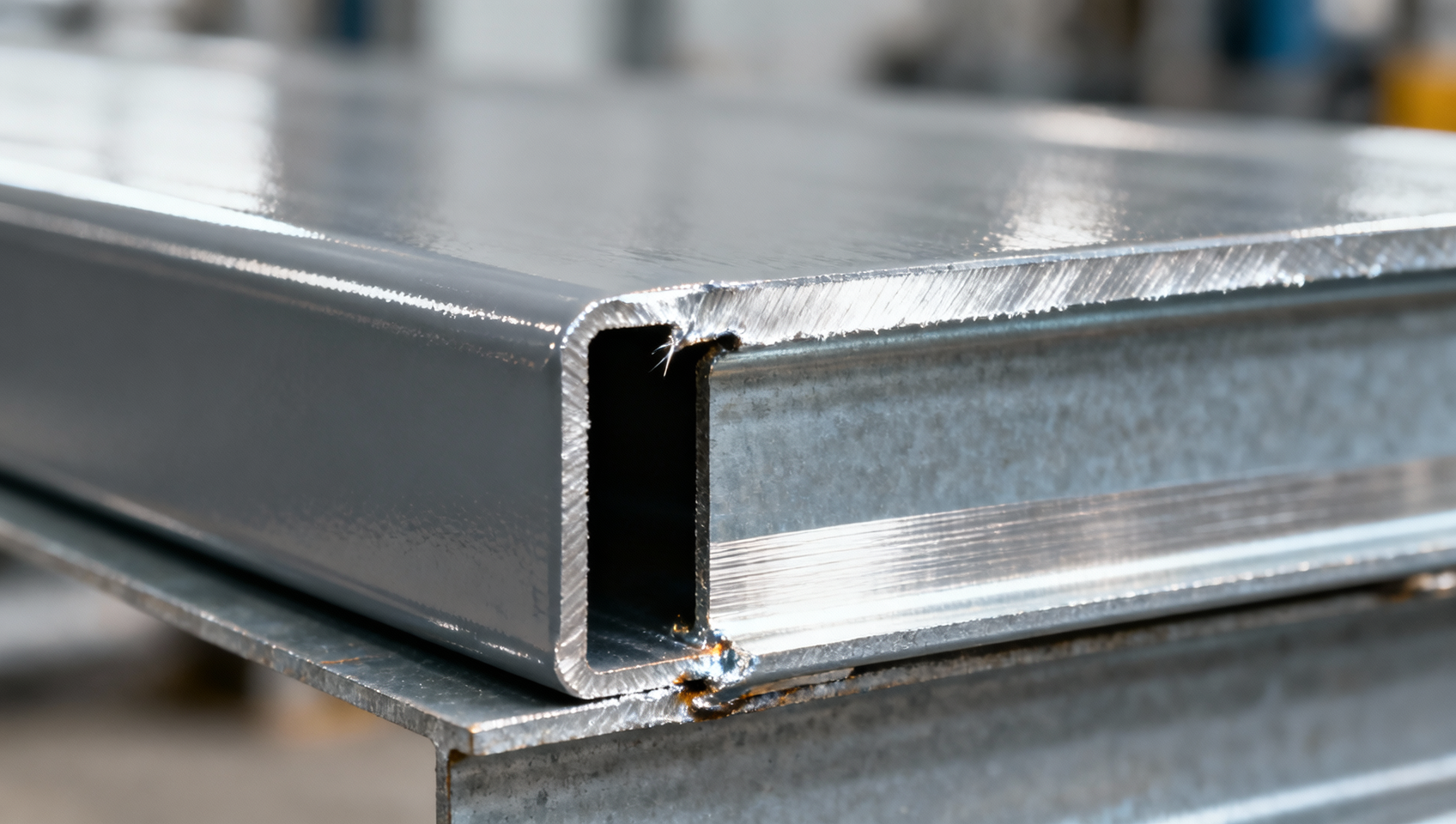
C-shaped steel and H-beam are the two primary structural elements widely applied in modern industrial construction. Each type has specific structural geometries, strength characteristics, and cost behavioral patterns that determine project performance and ROI. C-shaped steel, often manufactured in SGCC or cold rolled steel categories, offers a lighter structure ideal for secondary framing, purlins, and wall systems. Its U-type cross-section provides exceptional bending capability along one plane while reducing material weight. This enables engineers to design flexible, modular systems that minimize waste and enhance construction speed.
In contrast, the H-beam features a symmetrical I-shaped section that provides superior load-bearing performance and high torsional resistance, which is crucial for heavy-duty industrial buildings, bridges, and high-rise frames. With a uniform flange and web thickness, H-beams ensure better distribution of stress and deflection across structural joints. While they generally demand a higher upfront investment due to their weight and fabrication cost, the long-term stability and lower maintenance requirements translate into competitive ROI when lifecycle costs are considered. Hongteng Fengda produces such profiles according to ASTM, EN, JIS, and GB standards, allowing global customers to easily integrate locally certified steel materials without compromising compliance or quality assurance.
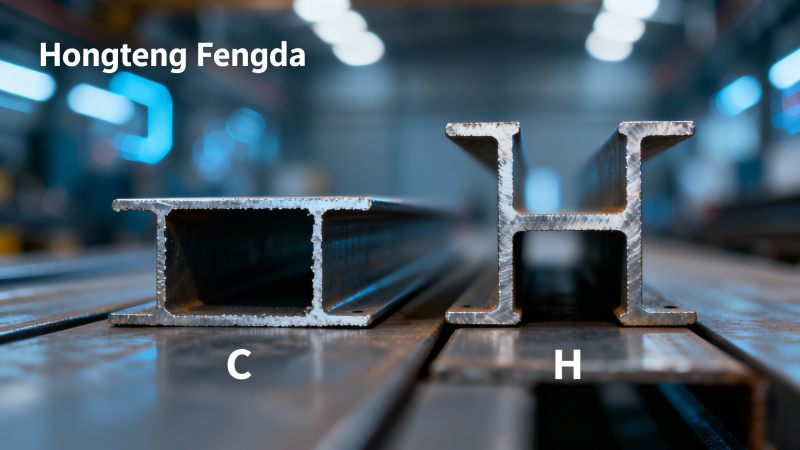
Engineers evaluating these materials must also account for factors beyond geometry—such as manufacturing form (hot-rolled vs. cold-formed), surface treatment (galvanized SGCC or painting black), and associated components like Carbon Seamless Pipe. The pipe’s API A106 Gr.B or ASTM A53 Gr.B composition demonstrates moderate carbon content and balanced mechanical properties, making it synergistic with both C-shaped steel and H-beam structures in industrial piping frameworks. This versatile combination offers strength, reliability, and compatibility across petroleum, chemical, mechanical, and construction sectors, reinforcing the project’s overall structural coherence.
Comparative ROI Analysis in Industrial Applications
ROI evaluation for industrial construction using C-shaped steel versus H-beam should factor in direct and indirect costs, installation time, and operational longevity. From a purely financial standpoint, C-shaped steel offers lower procurement and transportation expenses due to reduced weight, which directly benefits short-term project budgets. These profiles can be customized from SGCC or other cold rolled steel materials, which deliver good corrosion resistance and maintain favorable strength-to-weight ratios. They fit well within light- to medium-load applications such as mezzanine floors, conveyor stands, and mechanical equipment supports.
H-beam configurations, fabricated primarily in ASTM A106 Gr.B standards or welded from premium-grade steel plates, exhibit higher moment capacity and bending resistance. They prove essential in high-span or load-intensive environments where fatigue and vibration control are critical factors. For long-term ROI, H-beams outperform lighter profiles by reducing structural failure risks, insurance liabilities, and downtime. Hanwu Steel’s advanced milling and heat-treatment processes optimize the metallurgical uniformity of H-beams, enhancing weldability and fatigue resistance, which is a decisive contributor to industrial durability and safety—a major consideration for managers and safety inspectors.
However, ROI extends beyond strength and cost. It includes logistical efficiency, installation speed, and lifecycle impact. For instance, Hongteng Fengda integrates supply-chain strategies enabling synchronized delivery of steel tubing, stainless steel round bars, and pre-cut beam segments. This eliminates delays, shortens construction cycles, and ensures assembly reliability, essential for EPC contractors seeking on-time handovers. In such integrated approaches, material optimization between H-beam backbones and C-shaped steel auxiliary framing achieves superior cost return without compromising performance.
Performance Metrics and Engineering Standards
The performance of both C-shaped steel and H-beam systems is holistically evaluated based on key engineering metrics: yield strength, tensile resistance, modulus of elasticity, deflection ratio, and corrosion endurance. C-shaped steel produced from SGCC coated coils maintains reliable ductility alongside protective galvanization, ideal for outdoor or semi-exposed environments. Its cold forming process refines dimensional accuracy, enabling tighter tolerance in prefabricated systems—a major advantage in modular industrial facilities.
Meanwhile, H-beam standards such as ASTM A106 Gr.B and EN 10025 ensure a uniform grain structure for structural stability under dynamic load conditions. The superior web-to-flange ratio ensures rigidity and optimal moment distribution, especially in warehouse cranes, refinery frames, and offshore rigs. When combined with durable elements like Carbon Seamless Pipe—offering outer diameter range from 17 mm to 914 mm and customizable wall thickness from SCH10 to SCH160—the system delivers unrivaled mechanical integration. The pipe’s consistent chemical composition of A106 Gr.B or A53 Gr.B materials further ensures compatibility with welded or bolted assemblies, supporting seamless energy transfer across structural nodes.
The corrosion protection and surface treatment of both forms are also pivotal. Hongteng Fengda offers galvanization, painting black, varnished, and epoxy-coated options, ensuring extended service life in humid or chemically aggressive conditions. Compliance with ASTM, EN, and JIS certifications gives global buyers the confidence that performance and safety requirements are met. Essentially, material engineering backed by consistent quality control allows each project to achieve superior performance metrics while maintaining global traceability standards.
Market Trends and Sustainable Material Innovation
Global industrial construction is rapidly evolving toward efficiency, sustainability, and smart material utilization. Within this trend, both C-shaped steel and H-beam play essential yet complementary roles. The market demand is shifting toward lighter yet stronger structures that reduce embodied carbon and accelerate modular installation. Manufacturers like Hongteng Fengda and Hanwu Steel are investing in digitalized production lines and precision cold forming to minimize energy consumption while maintaining compliance with global sustainability benchmarks.
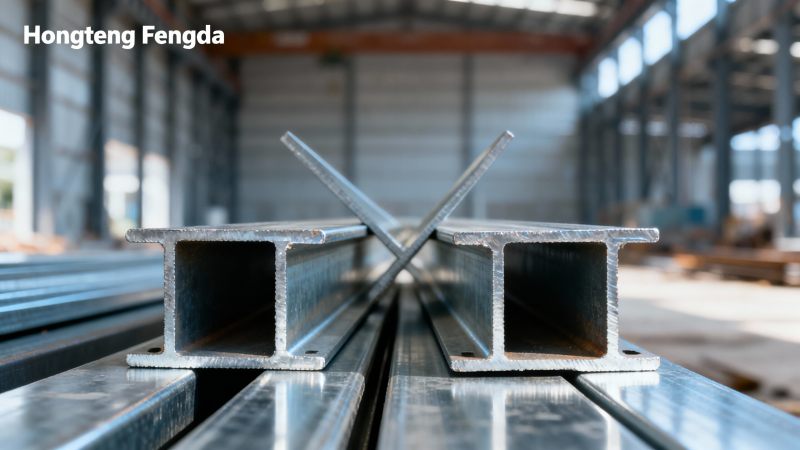
Recent statistical data indicate that projects selecting the right grade of cold rolled steel and properly dimensioned H-beams achieve on average 12% higher ROI due to reduced maintenance and rework costs. Furthermore, the integration of quality assurance platforms—where every beam, channel, and stainless steel square bar is coded with digital batch traceability—significantly enhances the transparency and reliability of supply operations. This evolution not only increases buyers’ confidence but also supports global engineers in verifying specifications like ASTM A106 Gr.B and SGCC from remote project offices.
In addition, sustainability-driven initiatives are propelling demand for recyclable structural materials. Both C-shaped steel and H-beam structures are nearly 100% recyclable, ensuring reduced environmental impact and satisfying international green building certifications. Coupled with optimized logistics and material recovery during dismantling, the full lifecycle ROI of these materials extends beyond pure economics—representing responsible industrial development aligned with contemporary ESG criteria. Suppliers capable of maintaining such standards while delivering customized OEM structural components hold a substantial advantage in the global marketplace.
Practical Application Case and Strategic Implications
Consider a recent petrochemical project where Hanwu Steel supplied a hybrid system combining primary H-beam supports with secondary C-shaped steel elements. The configuration reduced structural cost by 15%, while improving material utilization by leveraging ASTM-compliant steel tubing and welded stainless steel rounds for corrosion-resistant pipelines. The design harmonized with project objectives requiring lightweight assembly and compliant safety design under API standards. Furthermore, procurement teams benefited from the unified sourcing capacity of Hongteng Fengda, which ensured consistent delivery lead time and minimized cross-supplier deviation.
In mechanical workshops and automated assembly facilities, where equipment vibration control and dynamic load management matter, H-beam’s stiffness paired with flexible C-shaped members achieves stability without unnecessary overdesign. Quality controllers value this balanced system for its predictable stress behavior verified under SGCC and ASTM A106 Gr.B testing frameworks. With modular adaptability and cost alignment, these solutions reinforce why selecting an appropriate steel profile contributes directly to enhanced ROI rather than being an isolated design choice.
For distributors and resellers, understanding these differentiations allows strategic inventory management. Stocking compatible profiles—whether C-channels, steel beams, or associated components—streamlines client order fulfillment across diverse industrial markets in North America, Europe, Southeast Asia, and the Middle East. Structured cooperation with experienced exporters like Hongteng Fengda facilitates technical documentation support, customized cutting, and third-party inspection arrangements, empowering industrial buyers with predictable performance and financial efficiency.
Conclusion and Call to Action
In summary, both C-shaped steel and H-beam offer unique advantages in industrial construction depending on load requirements, design complexity, and lifecycle expectations. For light framing, cost-effective installations, and modular assemblies, C-shaped steel demonstrates an immediate ROI advantage due to its ease of handling and low material consumption. Alternatively, for heavy load-bearing structures requiring superior span capacity, fatigue resistance, and durability, H-beam remains the ideal investment that repays through resilience and reduced long-term maintenance. By combining these profiles intelligently within project design, industrial stakeholders can maximize efficiency and sustainability simultaneously.
As a professional structural steel manufacturer and exporter, Hongteng Fengda delivers not only products but full engineering assurance—from manufacturing to certification, covering C-shaped steel, H-beams, cold rolled steel, and supportive materials including stainless steel square bars and ASTM A106 Gr.B pipelines. By providing international-standard solutions across the construction, mechanical, and energy sectors, the company ensures global partners receive optimized ROI through quality consistency and technical excellence. For project owners, engineers, and procurement specialists seeking enhanced performance and economic efficiency, now is the time to engage an experienced partner. Contact Hongteng Fengda today to learn more about customized structural solutions that transform design efficiency into measurable business value.
- stainless steel round
- carbon seamless pipe
- carbon seamless
- cold rolled steel
- seamless pipe
- steel tubing
- SGCC
- corrosion-resistant pipe
- structural steel
- steel beams
- C-shaped steel
- Structural Steel
- Steel Beams
- steel plate
- ss pipe
- Profile
- H-beam
- Galvanized
- Steel Beam
- stainless steel square bar
- steel profile
- steel round bar
Related recommendations
 Is acero galvanizado para exterior vulnerable to white rust formation during monsoon storage?Acero galvanizado para exterior *is* vulnerable to white rust in monsoons — but it’s preventable. Discover proven storage & handling strategies that protect your structural steel.
 Does ASTM A 36 plate meet impact toughness requirements for low-temperature bridge girders?Does ASTM A 36 plate meet low-temp bridge requirements? Short answer: no—unless specially tested. Discover why toughness matters more than strength in cold climates.
 Does ASTM A653 certification cover both zinc-coated and zinc-iron alloy coated steels?ASTM A653 covers both zinc-coated and zinc-iron alloy coated steels—but they’re not interchangeable. Learn key differences in testing, performance & certification.
 Does acero prepintado require surface pretreatment before welding or cutting?Does acero prepintado require pretreatment before welding or cutting? Discover when grinding is essential—and when it’s not—for safety, weld integrity & corrosion resistance.
Please give us a message


Please enter what you want to find