Introduction
C-shaped steel framing is widely used in modern construction, yet even SGCC and cold rolled steel materials can face challenges such as deformation, corrosion, or surface defects. In this article, we explore the five most common quality issues associated with C-shaped steel and how Hanwu Steel, a trusted manufacturer working with ASTM A106 Gr.B, stainless steel square bar, and steel tubing solutions, ensures consistent performance and compliance with international standards. For engineering professionals, structural designers, and procurement managers seeking both performance and budget control, understanding these nuances is essential. As global infrastructure expands, the reliability of C-shaped steel—especially those made under certified quality control systems—plays an irreplaceable role in ensuring safety, efficiency, and sustainability. Hanwu Steel’s continuous efforts in research, manufacturing innovation, and quality assurance demonstrate what excellence looks like in the steel industry.
1. Common Issue #1: Dimensional Deformation Under Load
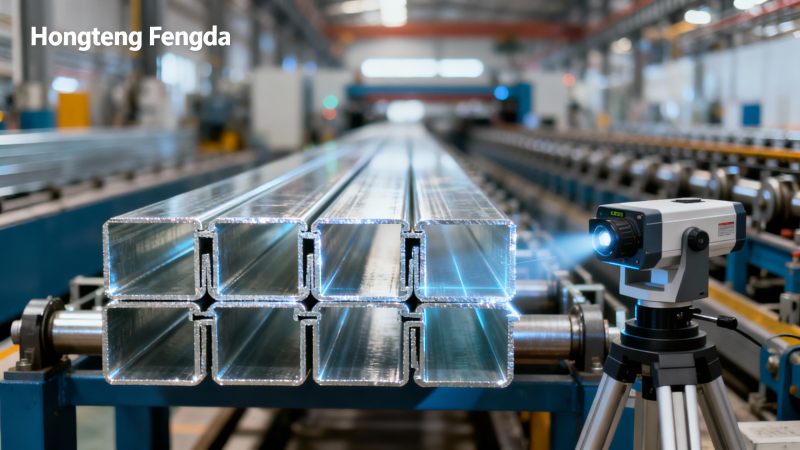
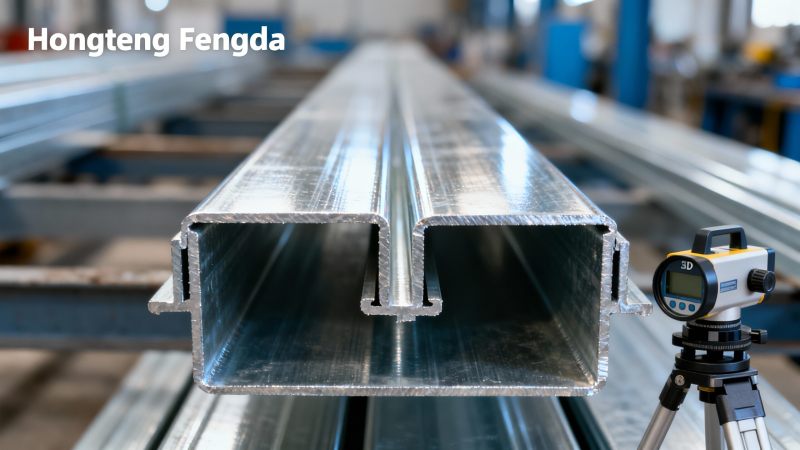
Dimensional deformation remains one of the most frequent concerns in C-shaped steel framing. When C-shaped profiles are used as load-bearing members, even a minor deviation in dimensional tolerance can compromise load distribution, leading to misalignment or increased structural stress. The causes often include uneven cooling during cold forming, suboptimal rolling pressure, or improper coil tension adjustment during production. Materials such as SGCC and cold rolled steel are particularly sensitive to these factors. Hanwu Steel addresses this issue by implementing advanced roll-forming systems and introducing digital dimensional monitoring, ensuring that every piece of C-section steel maintains strict conformity to ASTM, EN, and JIS standards. The company’s in-line inspection, supported by 3D laser measurement, ensures that each section meets customer-specific requirements. For project teams that demand superior straightness and uniformity—especially in large-span frameworks—Hanwu Steel’s C-shaped profiles provide lasting stability. Additionally, the integration of high-grade raw materials and refined annealing procedures ensures elasticity recovery, preventing warping even during long-term industrial applications.
2. Common Issue #2: Surface Corrosion and Oxidation
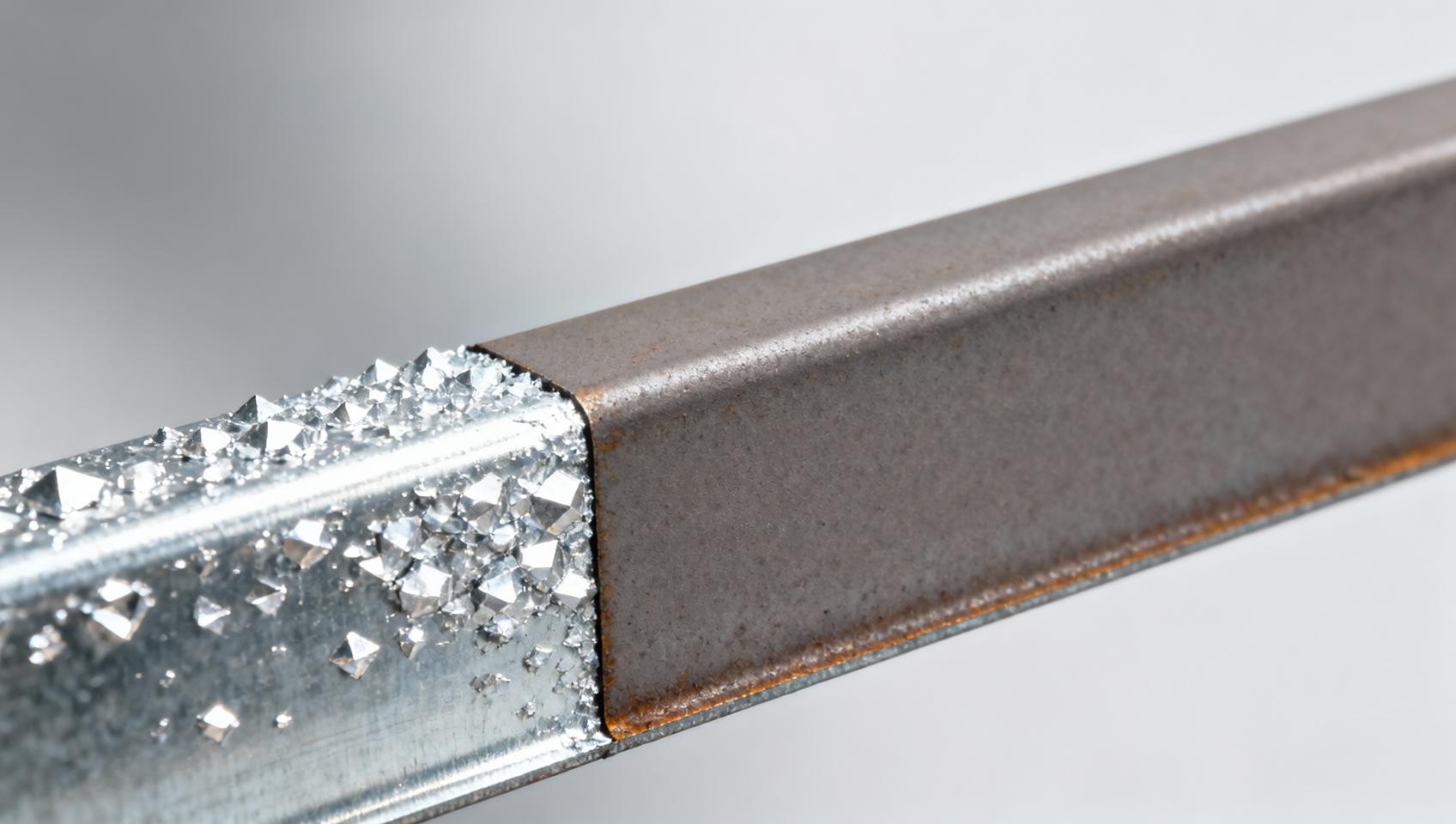
Corrosion is a persistent threat to steel components, particularly in humid or coastal regions. Even high-quality SGCC materials may experience oxidation if protective coatings are insufficient or unevenly distributed. Many manufacturers overlook the consistency of galvanization thickness or ignore microcracks that occur during bending. Hanwu Steel takes a proactive approach by enhancing coating adhesion and optimizing zinc-aluminum ratios to boost anti-corrosive properties. The production of galvanized steel based on ASTM A106 Gr.B and equivalent specifications ensures not only compliance but also performance longevity. In cooperation with trusted coating suppliers, Hanwu Steel maintains a double-layer galvanic protection system, minimizing exposure to airborne salts and acids. The zinc layer is applied uniformly to resist both atmospheric and chemical corrosion over time. When integrated with construction applications, this coating process reduces maintenance costs and extends service life—crucial for developers and contractors focusing on long-term asset stability. For clients seeking high-grade solutions, the company also introduces advanced products such as Galvanised Sheet Steel Suppliers, offering models from DX51D to S550GD. These products are ideal for various sectors including industry, transportation, and energy, and come with superior resistance to atmospheric corrosion and easy welding performance.
3. Common Issue #3: Welding Defects and Connection Integrity
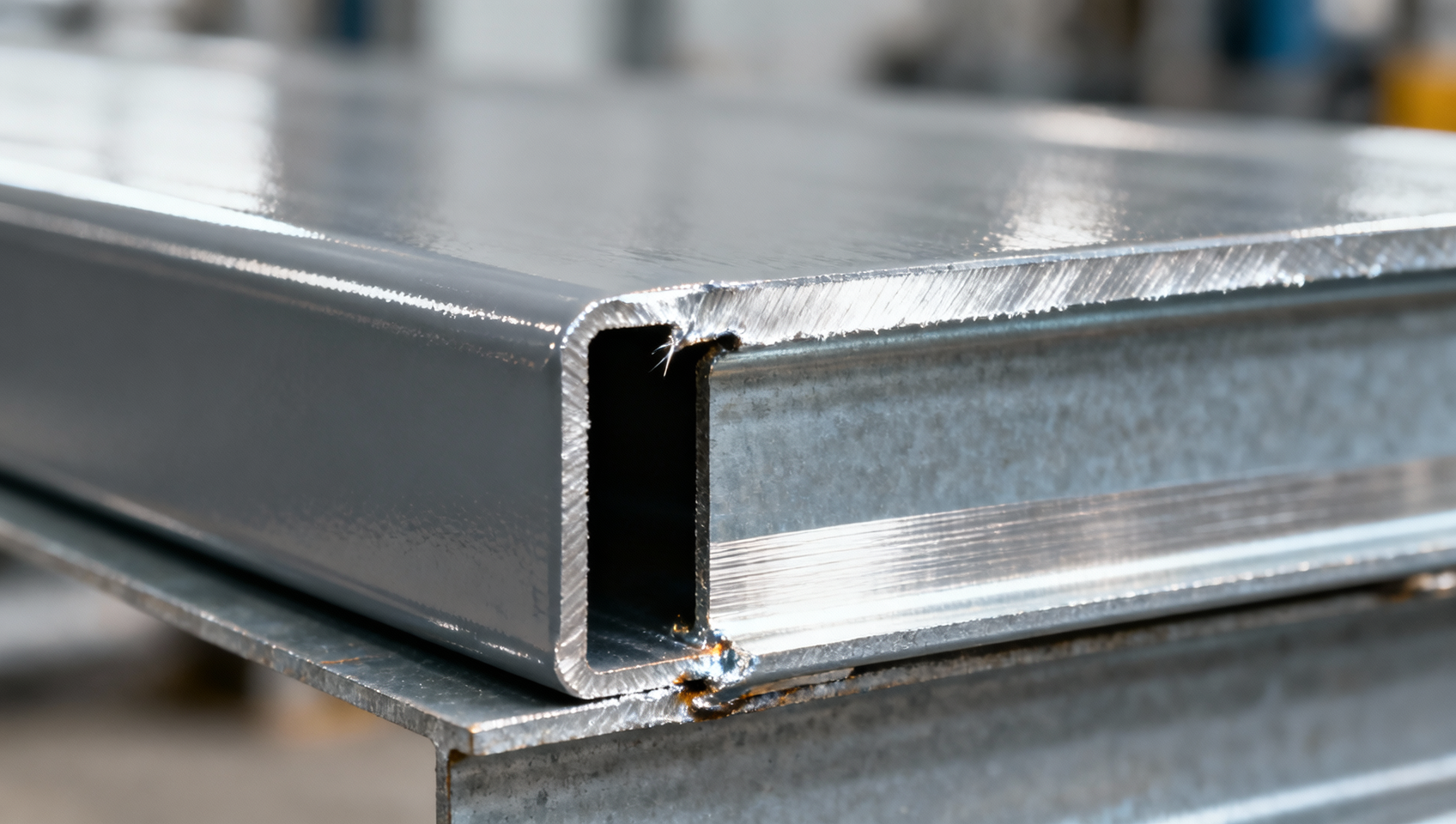
Welding remains a vital element in assembling C-shaped steel components. If operators rely on inconsistent heat input or use incompatible filler materials, cracks and poor fusion zones can form. Hanwu Steel sets a high standard by controlling welding parameters strictly and using certified filler rods compatible with stainless steel square bar and steel tubing. For large-scale projects involving prefabricated sections, the company adopts automatic welding robots to ensure stable bead formation and deep penetration. The process control meets both EN ISO 15614 and AWS D1.1 standards for structural welding. To eliminate residual stress, post-weld heat treatment is applied, maintaining mechanical properties while reducing brittleness. Customers who require reliable assembly—especially in seismic zones—benefit greatly from such precision. Furthermore, Hanwu Steel’s engineering team performs ultrasonic and magnetic particle inspection, guaranteeing zero internal defects. This rigorous quality discipline not only enhances joint efficiency but also supports longer fatigue life, directly contributing to safe architecture. Combined with meticulous material selection, whether ASTM A106 Gr.B tubing or cold rolled sections, these efforts ensure every frame achieves excellent long-term structural performance in diverse projects like bridges, workshops, or modular buildings.
4. Common Issue #4: Inconsistent Mechanical Properties Across Batches
Batch inconsistency often results from variations in raw material composition or temperature deviations during cold rolling. It can lead to unbalanced yield strength and ductility within C-shaped steel products, causing uncertainty in performance predictions. Hanwu Steel’s metallurgical control system eliminates such uncertainty through strict traceability. Each coil of steel is tagged with full chemical composition records and mechanical property data. Cold forming is executed under controlled temperature and speed to guarantee that mechanical properties stay within target ranges — yield strength between 240–380 MPa and tensile strength above 270 MPa for SGCC equivalents. By integrating micro-alloying with niobium and titanium, Hanwu Steel optimizes grain refinement, enabling increased toughness without sacrificing formability. For purchasers who require absolute uniformity across large orders, this approach ensures stable behavior during fabrication and installation. Additionally, Hanwu Steel’s partnership with global mills facilitates the sourcing of stainless steel round and square materials with guaranteed isotropic performance. Ensuring mechanical consistency translates into fewer rejections, lower project risk, and reliable milestone delivery—critical metrics for project management personnel and supply chain planners operating worldwide.
5. Common Issue #5: Surface Defects and Coating Peeling
Surface integrity directly impacts both appearance and durability. Scratches, pits, or coating detachment usually originate from poor handling, contamination during coating, or inappropriate rolling oils. Such aesthetic and functional flaws can lead to early rust formation and decreased adhesion. Hanwu Steel deploys multi-stage surface purification, including high-pressure water descaling and electrostatic dust removal, ensuring each C-section surface is impeccably clean before the galvanizing process. The finished coating adheres firmly even under mechanical stress or transportation vibration. When combined with galvanization technologies similar to those used by Galvanised Sheet Steel Suppliers, Hanwu Steel’s surfaces deliver premium smoothness and consistent brightness. Technical parameters indicate tensile strength exceeding 500 MPa for advanced grades such as S550GD. This tight process control extends to packaging and logistics, where padded separators and humidity-control wrappers prevent scratching or moisture accumulation. For industrial buyers, a flawless finish signifies lower downstream preparation costs like sandblasting or repainting, ultimately improving cost efficiency and credibility in client-facing projects. With certification systems such as ASTM, DIN, JIS, and GB, buyers can trust that every lot meets international expectations for both form and function.
6. Market Trend and Quality Improvement Practices
The increasing adoption of prefabricated structures worldwide amplifies the need for uniform, lightweight, and corrosion-resistant steel components. C-shaped steel made with cold rolled technology positions itself as a foundational element in this transition. Market analyses show that sustainable frameworks depend on materials that deliver strength-to-weight efficiency. Hanwu Steel continuously invests in R&D to refine its production processes in this direction. The company employs predictive maintenance and data analytics to minimize process variance, while also aligning output with ISO 9001 and environmental standards. With tighter global competition, differentiation comes from reliability and documentation integrity. Hanwu Steel’s thorough product certifications and traceable batch records make compliance verification simple for quality managers and safety supervisors. For distributors and agents operating across North America, Europe, or the Middle East, partnering with Hanwu Steel ensures confidence in both performance and after-sales support. The brand’s consistent export capacity also reflects its adaptability to new specifications like advanced galvanic coatings or hybrid alloy modifications, maintaining a balance between strength, cost efficiency, and environmental care.
Conclusion and Call to Action
In summary, the five key quality challenges in C-shaped steel framing—dimensional deformation, corrosion, welding defects, batch inconsistency, and surface issues—can critically influence structural safety and lifecycle performance. Through innovative manufacturing practices, precise chemical control, and comprehensive testing, Hanwu Steel transforms these challenges into competitive advantages. Its diversified portfolio, covering ASTM A106 Gr.B, stainless steel square bar, steel tubing, and cold rolled steel, offers a holistic resource for builders and industrial producers worldwide. Whether your project involves high-rise frameworks, transportation infrastructure, or energy applications, choosing a reliable partner like Hanwu Steel translates into measurable peace of mind. For those requiring premium galvanized materials compliant with international systems such as AISI, JIS, or EN, trust in the quality solutions inspired by leading suppliers in China’s steel industry. Contact Hanwu Steel today to discuss specifications or request customized product support, and experience how professional quality management builds lasting value for your next construction or engineering project.
Related recommendations
 Is acero galvanizado para exterior vulnerable to white rust formation during monsoon storage?Acero galvanizado para exterior *is* vulnerable to white rust in monsoons — but it’s preventable. Discover proven storage & handling strategies that protect your structural steel.
 Does ASTM A 36 plate meet impact toughness requirements for low-temperature bridge girders?Does ASTM A 36 plate meet low-temp bridge requirements? Short answer: no—unless specially tested. Discover why toughness matters more than strength in cold climates.
 Does ASTM A653 certification cover both zinc-coated and zinc-iron alloy coated steels?ASTM A653 covers both zinc-coated and zinc-iron alloy coated steels—but they’re not interchangeable. Learn key differences in testing, performance & certification.
 Does acero prepintado require surface pretreatment before welding or cutting?Does acero prepintado require pretreatment before welding or cutting? Discover when grinding is essential—and when it’s not—for safety, weld integrity & corrosion resistance.
Please give us a message


Please enter what you want to find