Understanding the difference between angle and channel steel is crucial for engineers comparing structural performance and project costs. This guide explores angle vs channel in terms of material efficiency, load capacity, and fabrication suitability, helping you select the right option for your design needs. As a professional structural steel manufacturer and exporter, Hongteng Fengda also introduces related products such as steel square rod, steel girder, steel rail, steel tube, steel roof sheet, and steel conduit for comprehensive project solutions. Both angle and channel profiles are essential components in construction and manufacturing projects, influencing overall structural performance, procurement strategies, and lifecycle costs. When evaluating project choices, engineers must account for weight optimization, welding efficiency, surface treatment, and long-term durability. Hongteng Fengda’s expertise ensures that every piece of steel—be it an angle, channel, or cold-formed profile—meets international standards for high-load industrial applications.
Definition and Basic Understanding of Angle vs Channel
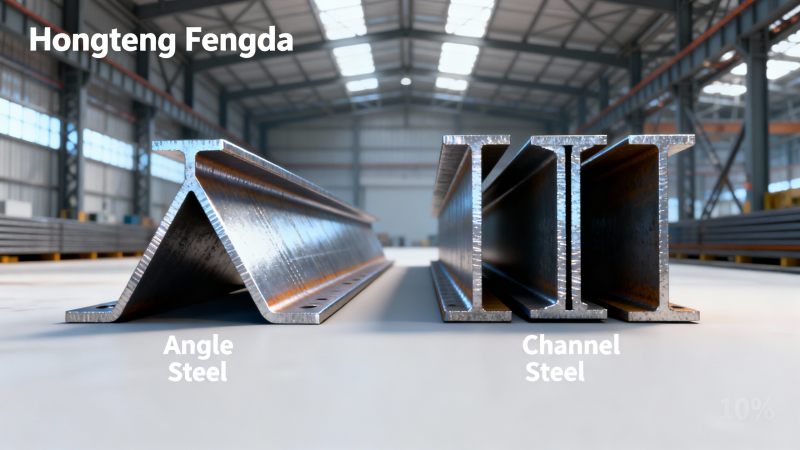
Angle steel, often known as L-section, features two equal or unequal legs forming a 90-degree intersection. It provides excellent support at corners and connections. Channel steel, on the other hand, forms a “C” or “U” shape, providing better resistance to bending forces along one axis. Engineers distinguish them not only by geometry but also by application context. In structural frameworks, an angle steel component is ideal for bracing and reinforcement, whereas a channel steel profile is suitable for long-span beams and load-bearing assemblies. The “angle vs channel” comparison becomes a central factor in design calculations for structures like steel roofs, mechanical bases, and conveyor systems. Generally, the selection depends on expected load direction, design aesthetics, and connection techniques. This basic understanding is essential for sourcing professionals and quality managers who need to specify the correct steel section for performance and safety compliance in industrial and commercial projects.
Market Overview and Industry Background
In the global structural steel market, the demand for angle and channel sections continues to expand alongside infrastructure and industrial manufacturing growth. China remains the largest steel producer globally, leading in metallurgical technology and export volume. Manufacturers like Hongteng Fengda serve customers across North America, Europe, the Middle East, and Southeast Asia with consistent quality and controlled costs. Rising attention toward green and recyclable materials further increases the use of steel angle and channel products due to their recyclability and high reuse rate. Government investments in transportation, renewable energy, and commercial construction drive strong demand for durable profiles such as steel rails, steel girders, and steel tubes. Moreover, the construction of prefabricated buildings and modular structures enhances market opportunities for both angles and channels. With Hongteng Fengda’s rich export experience and adherence to ASTM, EN, JIS, and GB standards, clients achieve both engineering excellence and long-term supply security. For engineers evaluating sourcing regions, China offers a mature supply chain with competitive pricing without compromising technical rigor.
Technical Performance and Material Parameters
The technical performance of angle and channel steel depends on geometry, chemical composition, and manufacturing processes. Angle steel provides isotropic strength along its two axes, resisting both bending and twisting, while channel steel performs better under unidirectional loading because of its deeper web section. The selection between an angle and a channel profile should correspond with structural load paths and fabrication convenience. Typical mechanical properties range from yield strength of 240–500 MPa and elongation above 20%, depending on material grade. Add-on surface finishes, such as galvanization, enhance resistance to atmospheric corrosion. A notable example of high-performance coating integration can be found in Galvanized Steel Sheet, which features zinc-aluminum-copper-magnesium alloy for improved corrosion resistance and weldability. Its yield strength of ≥240–380 MPa and zinc coating up to 275 g/m² make it an ideal partner product for steel frameworks, roofing, and exterior panels. Engineers integrating angles or channels with such components can achieve comprehensive structural stability while maintaining aesthetic uniformity and environmental endurance across industrial and commercial projects.
Application Scenarios and Engineering Use Cases
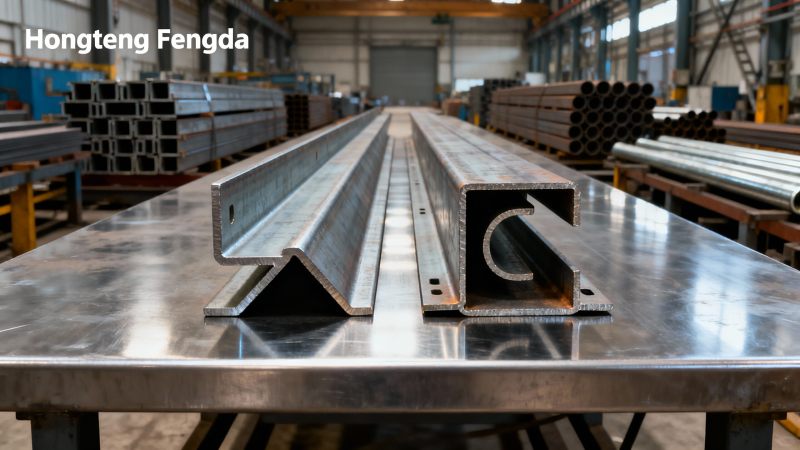
Both angle and channel steel sections play versatile roles in a wide range of engineering applications. Angle steel, owing to its geometric simplicity, is widely used for steel roof sheet frames, reinforcement brackets, and structural supports in machinery, bridges, and building corners. It’s also used in lattice towers and racks where multi-directional load capacity is essential. Channel steel, conversely, is preferred in heavy-load areas such as bridges, cranes, truck chassis, and conveyor systems. It offers enhanced stiffness in one direction, reducing deflection under concentrated loads. Engineers in technical assessment positions often evaluate these factors alongside project cost to determine efficiency per kilogram of steel. For instance, when supporting long horizontal beams, channel profiles outperform angle sections due to their web depth. In scenarios prioritizing lightweight structures with multiple connections, angle steel reduces fabrication complexity. Quality inspectors consider both mechanical consistency and surface uniformity to ensure compliance with standards such as ASTM A36 or EN 10025. Hongteng Fengda supports such project customization through advanced rolling and cutting facilities, offering both standard and OEM configurations compatible with diverse project demands worldwide.
Comparison Analysis: Strength, Cost, and Fabrication Efficiency
Cost comparison between angle and channel steel involves evaluating purchase price, weight-to-strength ratio, and fabrication complexity. Angle sections usually cost less per ton due to lower material volume but can require additional welding or bolting points to achieve equivalent strength in long spans. Channel sections, while heavier, reduce fabrication time and labor costs by offering greater rigidity and fewer connection joints. From a life-cycle perspective, channels exhibit better buckling resistance in one direction, reducing deformation in dynamic loads, while angles perform better in mixed-stress conditions. Engineers often perform finite element simulations to assess the strength-to-weight balance and optimize section usage. Pricing also varies depending on raw material thickness, coating, and production process. Integrating products like Galvanized Steel Sheet can reduce maintenance costs by providing superior anti-corrosion protection in outdoor or marine environments. When comparing “angle vs channel,” it’s not purely a material cost issue but a total project efficiency equation involving procurement, installation, and lifecycle safety. For procurement teams and project managers, understanding such trade-offs ensures long-term competitiveness and operational stability of structures.
Procurement Guide and Selection Criteria
Selecting the appropriate steel section involves evaluating performance, certification, and supplier reliability. Key decision criteria include load type (tension, compression, bending), environmental exposure, cost constraints, and fabrication resources. Engineers and procurement professionals must verify that the steel supplier adheres to certifications like ASTM, EN, JIS, and GB for structural integrity assurance. Hongteng Fengda guarantees traceable material origins, mill test reports, and mechanical consistency across all shipments. When selecting between angle and channel sections, engineers should also consider compatibility with companion components—the steel square rod, steel girder, and steel conduit often interact within the same assembly. Comprehensive evaluation ensures interconnectivity and minimizes dimensional mismatch during installation. Projects operating in high-humidity or coastal areas should prioritize galvanized or alloy-coated versions to resist atmospheric corrosion. Procurement managers can also request OEM customization to optimize dimensions and reduce waste. Cost-conscious buyers benefit from bulk-supply strategies supported by consistent logistics and dependable delivery schedules, attributes that Hongteng Fengda consistently delivers to its global clients.
Case Studies: Structural Efficiency and Global Projects
In multiple international projects, Hongteng Fengda has supported customers with reliable angle and channel steel solutions tailored to different industries. In a Southeast Asian industrial park, engineers used heavy channel profiles to construct conveyor systems requiring high bending resistance under continuous mechanical loads. The project achieved a 20% reduction in reinforcement cost compared to conventional beam designs. In Europe, a bridge restoration program employed lightweight angle steel sections to strengthen aging truss components without adding significant dead weight. The combination of precision cutting and superior welding quality improved fatigue resistance and extended service life by several decades. Another example includes the construction of prefabricated housing units in the Middle East, where corrosion-resistant surfaces were mandatory due to desert conditions. Here, Hongteng Fengda’s galvanized and alloy-coated products maintained performance under thermal stress and sand abrasion. These successful cases highlight how correct selection between angle and channel profiles directly influences cost efficiency, safety, and longevity—three pillars that engineers and decision-makers highly value in global structural steel procurement.
Standards, Compliance, and Quality Control
Compliance with international standards is fundamental in structural steel manufacturing and trading. Angle and channel steels must meet the specifications of organizations such as ASTM International (ASTM A36, A572), the European Committee for Standardization (EN 10025), the Japanese Industrial Standards (JIS G3101), and the Chinese GB/T Standards. Hongteng Fengda maintains a rigorous quality management system supported by chemical composition analysis, mechanical testing, dimensional tolerance checks, and surface inspection protocols. Each batch of steel products undergoes serial number tracking and third-party verification when required. Modern laboratories and precise measurement instruments guarantee the repeatability of results, ensuring the steel meets required yield and tensile strengths. Such strict control processes assure engineers, project managers, and quality auditors that every supplied section is fully compliant. In many international tenders, adherence to these certifications becomes a decisive factor in supplier qualification, providing procurement transparency and reinforcing trust. Maintaining consistent conformance strengthens business partnerships and enhances risk control throughout large-scale engineering ventures.
Future Trends and Technological Insights
The structural steel industry is rapidly evolving toward intelligent production, digital traceability, and sustainable manufacturing. The integration of data-driven quality control, robotics-based rolling systems, and AI-assisted inspection technologies improves product precision while reducing human errors. Engineers in the next decade will likely rely on smart material databases when comparing “angle vs channel” options, enabling real-time cost and performance evaluation. Sustainability has also become a defining driver; low-carbon steel production, recycling strategies, and eco-friendly coatings expand global competitiveness. Hongteng Fengda actively invests in green metallurgy and predictive maintenance capabilities to ensure energy-efficient manufacturing and longer product life cycles. Additionally, collaboration across international engineering consortia encourages unified specifications for multi-market compatibility. As building codes evolve to prioritize resilience against natural events like earthquakes and typhoons, demand for optimized structural profiles will deepen. The future of structural steel lies not only in physical performance but also in process transparency, quality predictability, and integration with digital design systems shaping modern infrastructure worldwide.
Why Choose Hongteng Fengda as Your Structural Steel Partner
Choosing Hongteng Fengda means partnering with a dependable structural steel manufacturer capable of delivering angle steel, channel steel, steel square rod, and other specialized components under strict quality assurance. Our production facilities operate under modern automated controls, ensuring consistent yield and reliable performance for every shipment. We support international clients with engineering consultation, design optimization, and flexible export packaging. From construction and industrial machinery to heavy transportation and renewable energy, our steel solutions empower projects with strength and efficiency. Whether you are a technical evaluator verifying specifications, a procurement officer handling bulk purchases, or a project manager coordinating large-scale construction, Hongteng Fengda provides the experience and technical depth needed for global operations. We aim to build lasting partnerships based on quality, transparency, and service excellence. Contact us today to discuss your upcoming project needs and explore how tailored structural steel solutions from Hongteng Fengda can enhance your engineering success worldwide.
- channel steel
- steel i
- l angle
- angle steel
- galvanized steel sheet
- steel supplier
- galvanized steel
- ASTM A36
- structural steel
- Structural Steel
- Profile
- Galvanized
- carbon steel
- steel sheet
- steel profile
- steel conduit
- steel roof sheet
- steel tube
- steel rail
- steel girder
- steel angle
- steel square rod
- angle vs channel
Related recommendations
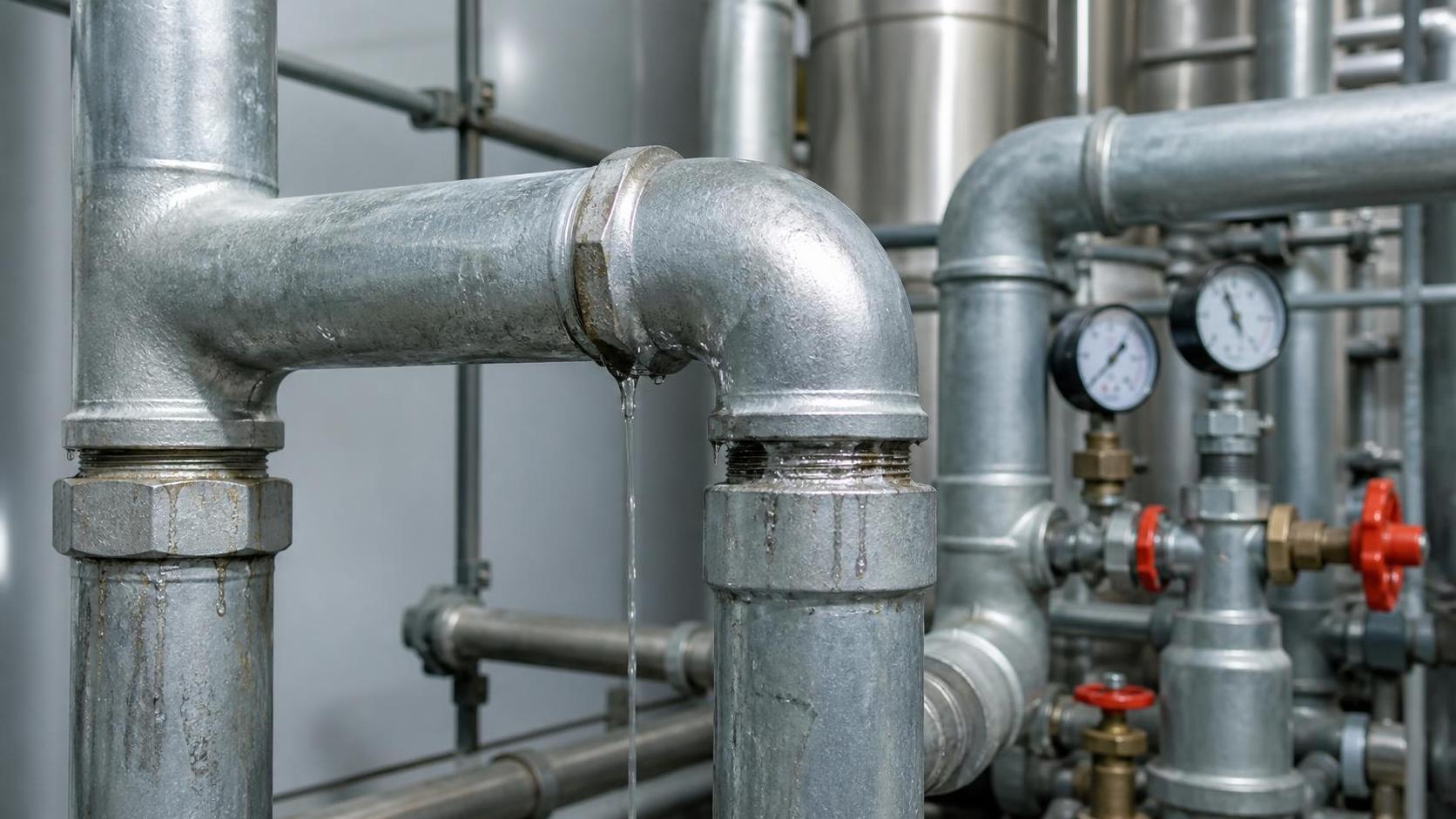
 Common Leak Risks When Using Galvanized Pipe for Plumbing SystemsGalvanized pipe for plumbing can hide corrosion, joint wear, and pressure-related leak risks. Learn the key warning signs, causes, and smart maintenance actions to prevent costly failures.
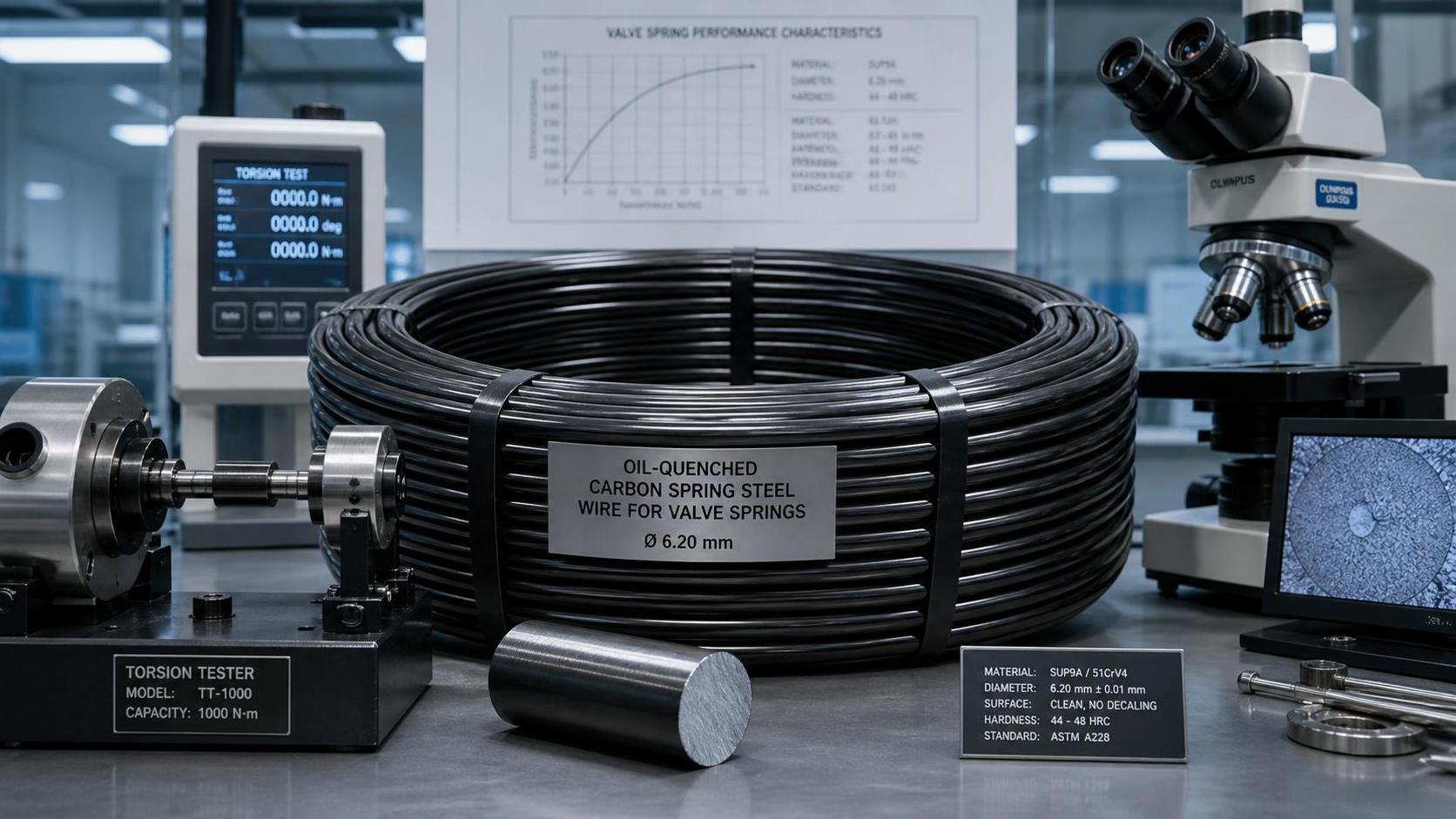
 Oil Tempered Carbon Steel Wire for Valve Spring: What Standards and Tests Matter?Oil tempered carbon steel wire for valve spring: learn which JIS, EN, and ASTM standards, decarburization checks, surface inspections, and fatigue-related tests truly protect spring life.
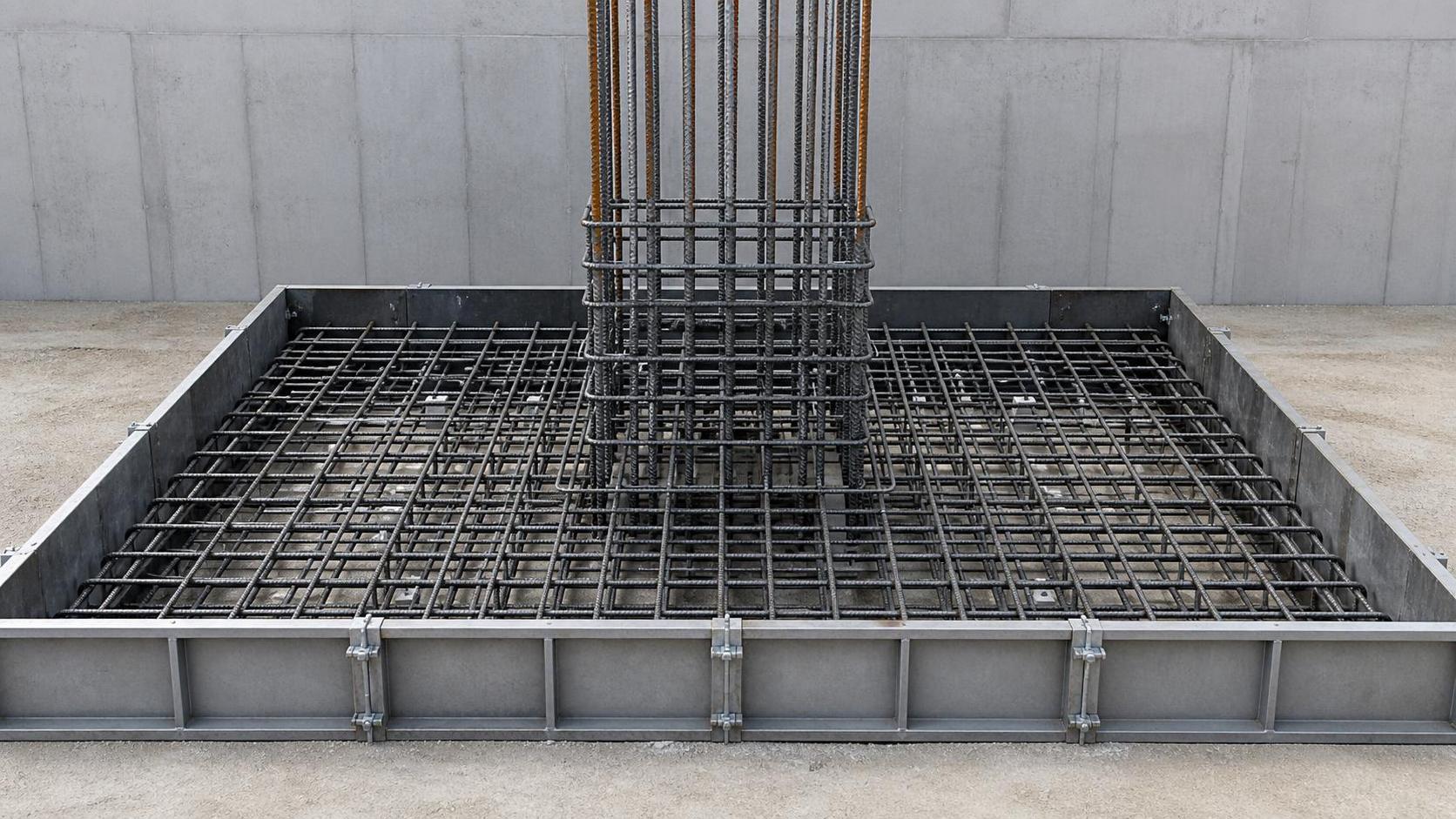
 Rebar for Foundation: Grade, Cover, and Spacing Mistakes to AvoidRebar for foundation guide: avoid costly grade, cover, and spacing mistakes that weaken durability, bonding, and concrete flow. Learn practical checks before the pour.
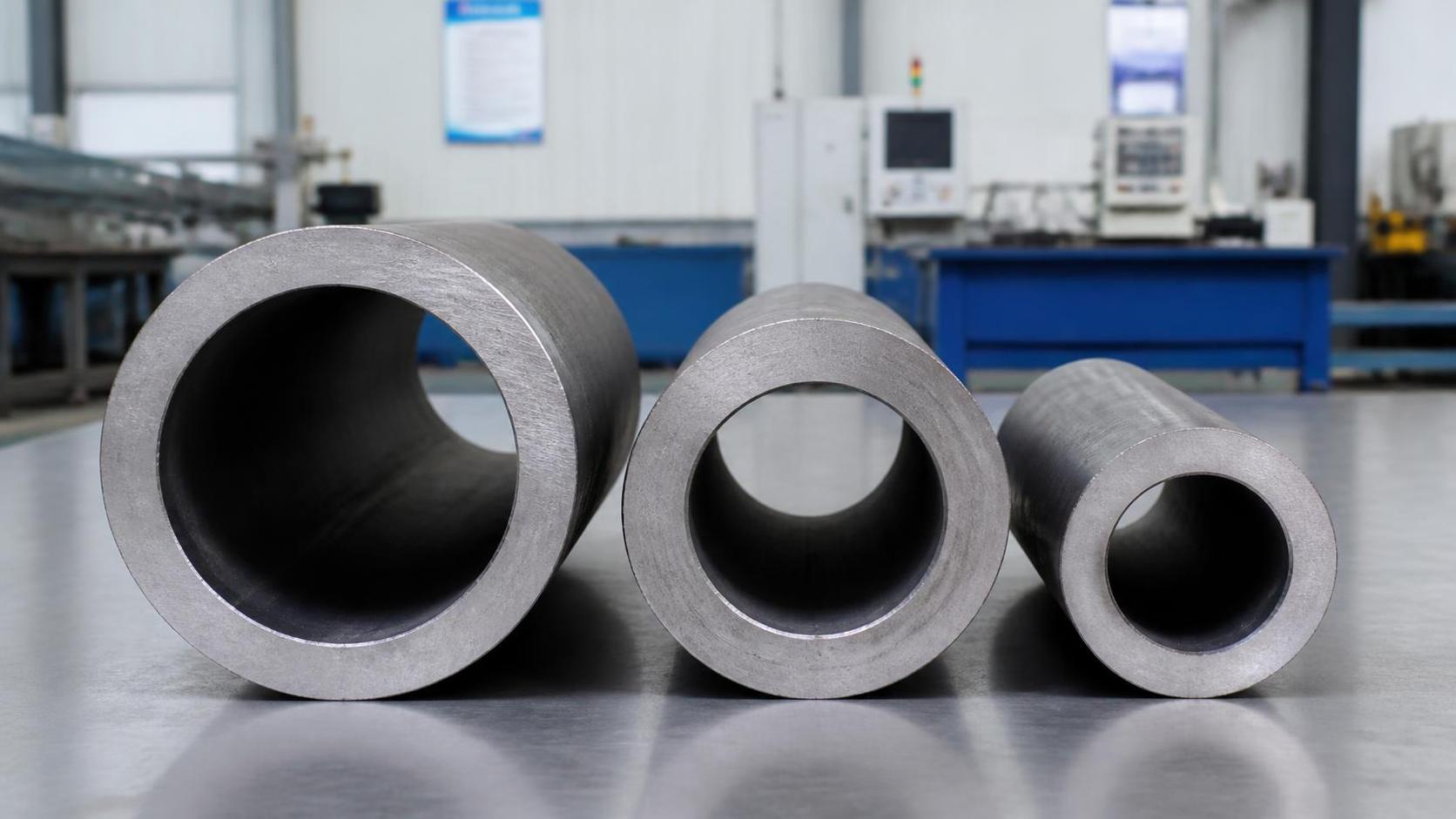
 Steel Tubing Dimensions: OD, Wall Thickness, and Gauge DifferencesSteel tubing dimensions explained clearly: compare OD, wall thickness, and gauge differences to avoid sizing mistakes, improve fit, and choose the right steel tube with confidence.
Please give us a message


Please enter what you want to find