When comparing ASTM A106 Gr.B and A53 steel tubing, understanding their composition, mechanical properties, and applications is essential for accurate procurement decisions. As a structural steel manufacturer and exporter, Hongteng Fengda provides high‑quality solutions across SGCC, C‑shaped steel, cold rolled steel, stainless steel square bar, and stainless steel round products. This overview helps technical evaluators and procurement professionals distinguish key differences, ensuring optimal material selection for reliable performance and cost control.
1. Understanding the Core Standards: ASTM A106 Gr.B and A53 Explained
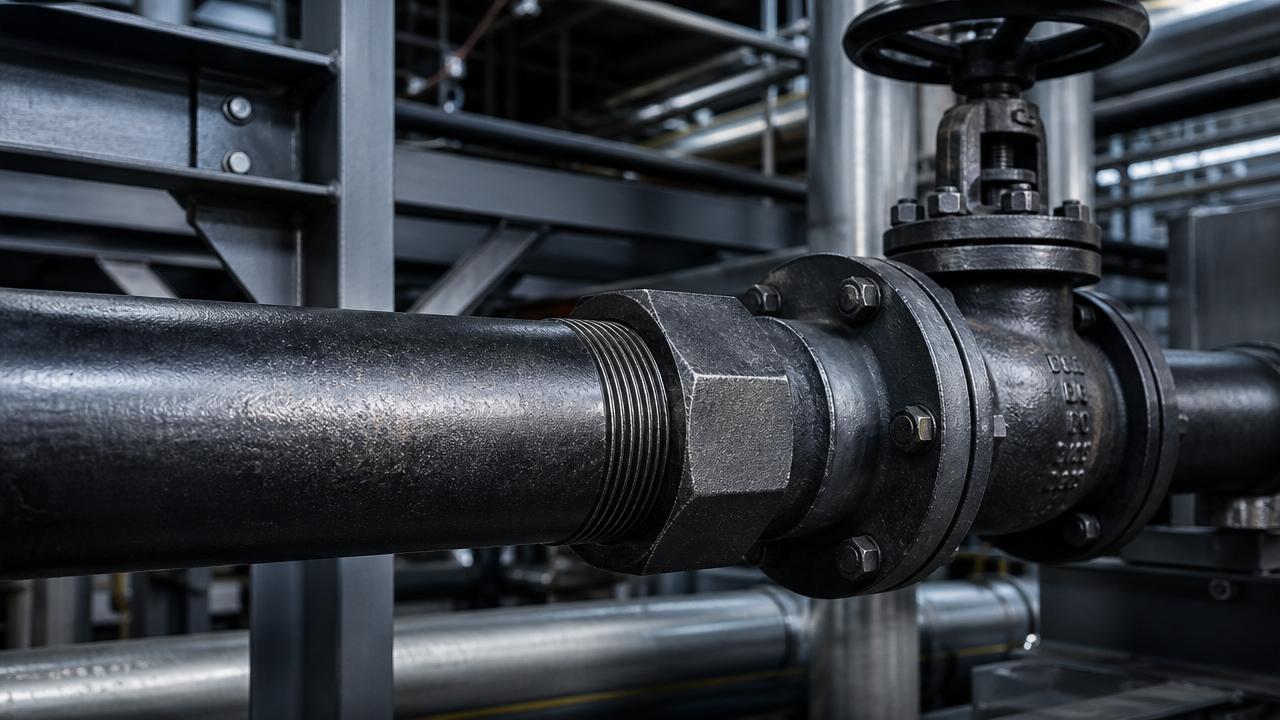
For procurement officers working in the global steel industry, distinguishing between ASTM A106 Gr.B and ASTM A53 is vital to ensure appropriate sourcing and compliance with engineering requirements. Both specifications define carbon steel pipes used primarily for high-temperature and low-pressure applications, but they are governed by separate structural principles and manufacturing processes. ASTM A106 Gr.B is typically used for seamless pressure pipes intended for high-temperature services, conforming to stringent chemical composition and tensile strength parameters. Meanwhile, ASTM A53 covers both seamless and welded black and hot-dipped galvanized steel tubing, designed for mechanical and pressure applications as well as for ordinary uses in steam, water, gas, and air lines.
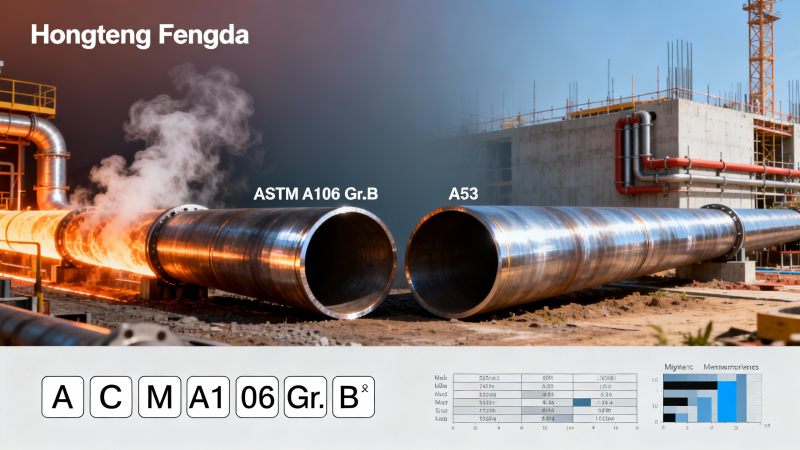
This fundamental distinction affects not only the performance capabilities but also the pricing, welding behavior, and end-use selection. For example, ASTM A106 Gr.B steel tubing must satisfy conditions related to carbon equivalence and elongation consistency, making it suitable for power plants, refineries, and heat-exchanger systems. By contrast, ASTM A53 is often chosen for general fabrication, infrastructure piping, and construction frameworks. Companies like Hongteng Fengda rely on advanced cold rolled steel technology and strict dimensional tolerances to ensure both standards achieve uniform wall thickness, reliable ductility, and safe operational lifespan. When considering alternatives such as SGCC galvanized coatings or specialized C-shaped steel configurations, decision-makers can align their choices with project specifications while maintaining cost efficiency and compliance.
2. Chemical and Mechanical Properties Comparison
From a technical perspective, the composition of ASTM A106 Gr.B and A53 demonstrates meaningful differences in carbon, manganese, and phosphorus levels. ASTM A106 Gr.B typically allows higher carbon content to enhance high-temperature strength, while ASTM A53 includes balanced alloying elements to improve weldability and resistance to atmospheric corrosion. The mechanical properties reflect this divergence: A106 Gr.B has a minimum tensile strength of around 415 MPa and yield strength of 240 MPa, while A53 requirements may vary by Type E (electric resistance welded) and Type S (seamless) with slightly lower performance in high-pressure environments.
Procurement analysts must consider these technical nuances together with heat treatment options and production routes. A106 Gr.B pipes undergo normalization or controlled cooling to ensure stable microstructural development, whereas A53 often utilizes cold expansion to fine-tune internal dimensional accuracy. In high-spec industrial projects requiring superior toughness, selecting A106 Gr.B may minimize deformation risk under stress loads and temperature cycling. Conversely, for cost-sensitive construction or fluid transport pipelines, A53 provides sufficient durability combined with easier welding processes and reduced maintenance. These property distinctions mirror how reputable manufacturers like Hongteng Fengda apply stringent inspection based on CE, SGS, BV, and ISO certifications—providing confidence in end-to-end material traceability for clients across North America and Europe.
3. Practical Applications and Industry Adaptation
The practical use of these steels extends widely across industries such as energy, petrochemical, mechanical manufacturing, and construction engineering. In large-scale builds, decision-makers focus on not just tensile properties but also product form—evaluating options like rectangular sections, C-shaped steel, or specialized profiles including the Z-beam. These Z-shaped steel profiles, available in materials such as Q235B, S275, and A36, are widely applied in steel structure construction purlin, wall beams, and lightweight roof frameworks. Their technical parameters—thickness from 6–25mm and lengths customizable up to 12m—allow integration into high-load construction environments, while galvanizing enhances surface durability. Compliance with GB50018-2002 and optional ancillary products like color steel tiles or floor decks makes these structural members adaptable for both civil and industrial applications.
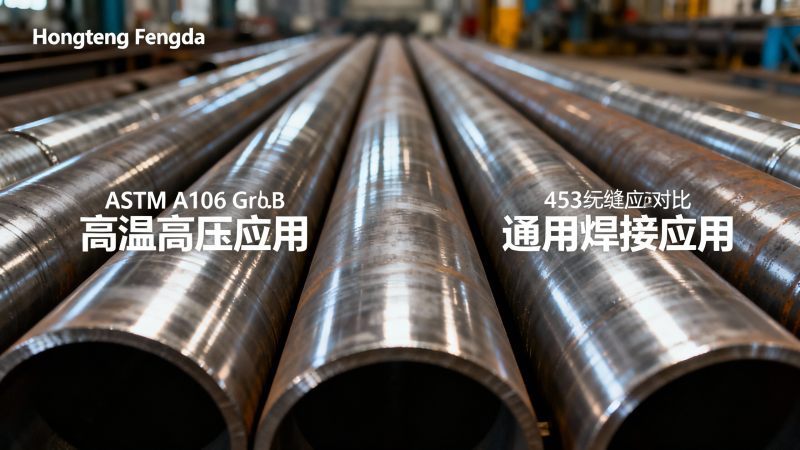
In comparison, ASTM A106 Gr.B is more dominant in critical pipeline systems where pressure endurance and heat resistance are mandatory, such as steam conveying, boiler tubing, or oil transmission. ASTM A53, on the other hand, is seen more frequently in water lines, fire sprinkler systems, or wire casing structures. Both grades may incorporate external coatings or galvanizing to prolong life cycles and minimize corrosion. Combined with SGCC alkaline galvanized coatings and the precision of cold rolled steel forming, structural systems attain enhanced uniformity, reducing leakage probabilities and fatigue failures during lifecycle operations. Therefore, strategic procurement goes beyond compliance; it represents a multidimensional decision to balance performance, budget, and sustainability objectives in long-term facility management frameworks.
4. Market Insights, Sourcing Strategies, and Cost Optimization
Across the global steel market, demand for ASTM A106 Gr.B and A53 steel tubing is influenced by infrastructure investments, oil & gas pipeline expansions, and sustainability missions emphasizing longevity and recyclability. Procurement officers face challenges in managing supply chain stability and raw material fluctuations. Firms like Hanwu Steel and Hongteng Fengda adapt by maintaining flexible production capacities, cross-certification capabilities, and smart logistics systems that secure steady supply for clients in Europe, the Middle East, and Southeast Asia. Additionally, differentiation through customized processing—such as producing stainless steel round or stainless steel square bar configurations—delivers tailored solutions for mechanical fabricators and construction engineers.
When evaluating cost structures, the price disparity between A106 Gr.B and A53 is generally attributed to their production procedures: seamless pipes involve more intensive manufacturing and quality control, while welded variants under A53 standards leverage efficient assembly lines to minimize waste. Decision-makers should also consider post-processing requirements, including threading, beveling, and hydrotesting, as these add layers of expense and time. Integrating components like the Z-beam or cold rolled steel sections within a project portfolio helps streamline sourcing and reduce inventory complexity. Hongteng Fengda supports partners through digital order management, consistent batch testing, and transparent documentation, enabling smoother procurement workflows aligned with international trade best practices.
5. Trend Outlook and Emerging Technologies
Looking forward, the global shift toward automation and green construction will reshape how ASTM A106 Gr.B and A53 are applied across projects. The introduction of sensor-based quality monitoring and artificial vision inspection ensures real-time defect detection, improving yield rates and reducing wastage. Additionally, innovations in alloy design are driving hybrid steel grades that combine the mechanical resilience of A106 with the fabrication ease of A53, offering an intermediate solution especially relevant to industrial modernization in Asia-Pacific markets. Demand for SGCC galvanized structural profiles and C-shaped steel continues to grow, particularly in prefabricated housing and renewable energy infrastructure.
On the sustainability front, automation-compatible steel tubing with controlled carbon footprints is gaining traction. Manufacturers now adopt closed-loop recycling systems to reclaim offcuts and utilize high-efficiency furnace technology for stable microstructures. Procurement teams will increasingly value traceable production datasets and environmental compliance documentation. As the market shifts, reliable exporters such as Hongteng Fengda will play an essential role in offering integrated solutions—from precision-engineered stainless steel square bar to cold rolled steel products—helping global partners achieve enhanced structural integrity, environmental stewardship, and cost predictability.
6. Key Takeaways and Procurement Guidance
Ultimately, the choice between ASTM A106 Gr.B and A53 should be determined by in-service conditions, pressure grade, temperature exposure, and cost parameters. A106 Gr.B provides superior strength for heat-intensive operations, while A53 balances functionality with economy for general and low-pressure construction. From a strategic viewpoint, integrating materials such as SGCC coated or stainless steel round products can expand performance potential across diverse engineering segments. In large production facilities, coordinating mechanical components, like Z- or C-shaped elements, alongside seamless tubing ensures structural continuity and efficient load transfer.
As Hongteng Fengda continues to support global projects with dependable quality and on-time delivery, its expertise in manufacturing cold rolled steel, stainless steel square bar, and structural accessories underlines a long-standing commitment to quality assurance. The company’s adherence to ASTM, EN, JIS, and GB standards, coupled with its advanced facilities and international certifications, empowers clients to meet rigorous project deadlines and compliance demands. Whether you are a technical evaluator, quality control manager, or corporate buyer, partnering with Hongteng Fengda means accessing comprehensive solutions backed by engineering integrity and responsive service support. Contact us today to learn more about specification guides, customized steel profiles, and cost-optimized supply programs tailored for your next infrastructure or industrial application.
- steel i
- stainless steel round
- carbon steel pipe
- cold rolled steel
- ASTM A106 Gr.B
- seamless pipe
- steel tubing
- SGCC
- steel pipe
- galvanized steel
- Hanwu Steel
- structural steel
- steel profiles
- C-shaped steel
- Steel structure construction
- Structural Steel
- ss pipe
- Profile
- Z-beam
- Galvanized
- stainless steel square bar
- carbon steel
- steel profile
Related recommendations
 Why Does Galvanized Pipe Corrode Over Time and When Should It Be Replaced?Galvanized pipe corrodes as its zinc coating wears away from moisture, chemicals, and age. Learn the warning signs, repair limits, and the right time to replace it.
 Common SS Pipe Welding Problems and How to Prevent ThemSS pipe welding problems can lead to leaks, corrosion, and costly repairs. Learn the main defects, warning signs, and practical prevention tips to improve weld quality and service life.
 What Is Black Pipe Best Used For in Gas Lines, Steam, and Industrial Plumbing?Black pipe is ideal for gas lines, steam, and industrial plumbing where strength and heat resistance matter. Learn when it fits best, where it fails, and how to choose wisely.
 Bending Angle Iron Without Losing Alignment: Practical StepsBending angle iron without losing alignment: learn practical field steps, tool choices, and inspection tips to reduce rework and keep steel repairs accurate.
Please give us a message


Please enter what you want to find