In 2026, sustainability has become a defining force in the steel sector, driving innovation across carbon coils, hot coil steel, and gal sheet production. As global industries prioritize low‑carbon manufacturing, structural steel producers like Hongteng Fengda are adopting green technologies to enhance efficiency and reduce emissions. This report explores how advanced processes in hrc coil, coil rolled steel, and galvanized metal plate production are shaping a more sustainable future for the carbon coils and gal steel sheet market worldwide. Low‑carbon trends are no longer limited to theoretical models; they are now tangible industrial practices reshaping global supply chains and material science. Manufacturers and exporters are focusing on the integration of clean energy, smarter logistics, and circular economy principles to create measurable environmental advantages, positioning themselves at the forefront of the green transformation sweeping across the steel value network.
Definition & Overview of the Low‑Carbon Steel Market
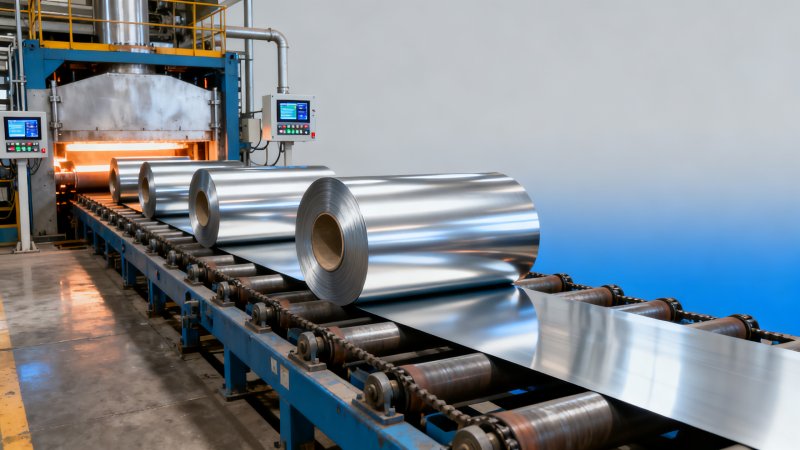
Low‑carbon manufacturing refers to the strategic reduction of greenhouse gas emissions at every stage of production, from raw material extraction to final product delivery. In the context of carbon coils, hrc coil, and gal sheet fabrication, this entails minimized fossil fuel dependence, cleaner metallurgical processes, and more efficient thermal management. The transition has accelerated over recent years as international regulations and corporate carbon disclosure frameworks demand measurable performance. Carbon coil steel and galvanized metal mesh sheets are now being produced using electric arc furnaces, waste heat recovery, and smart digital monitoring systems that optimize energy flow in real time. Companies are investing in technologies that pair energy‑saving furnaces with data-driven production control. For instance, coil rolled steel mills are integrating AI-based predictive maintenance to reduce downtime and waste. Hongteng Fengda, as a structural steel manufacturer and exporter from China, aligns with these innovations by keeping its angle steel, channel steel, and steel beam production within optimized efficiency parameters aided by digital analytics and ISO‑compliant environmental management systems. This defines a new paradigm where production efficiency equals carbon reduction, ensuring that every ton of coil or sheet contributes to a lower global footprint.
Market Overview and Global Demand Dynamics
The global market for low‑carbon steel, especially within carbon coils and gal sheet products, is undergoing a significant transformation. Data projections show that by 2026, over 60% of steel demand in developed markets will be linked to environmental credentials such as recycled content and traceable carbon intensity scores. Buyers from North America, Europe, and Southeast Asia actively prioritize suppliers that can verify low‑emission performance. For producers like Hongteng Fengda, this has created opportunities to deliver value‑added coil rolled steel solutions while aligning with the procurement goals of multinational clients seeking stable quality and sustainability credentials. In regions like the Middle East and Eastern Europe, infrastructure development is paired with carbon‑accountability policies, encouraging contractors to adopt gal steel sheet and gi sheet coil with sustainability certificates. Government and financial institutions also incentivize carbon transparency, creating a dual pressure—market pull and policy push—that keeps the industry on an upward low‑carbon trajectory. Meanwhile, technological crossovers from the automotive and renewable energy sectors continue to influence the evolution of hot coil steel and galvanized metal plate engineering. Many OEMs now demand structural components that not only meet strength and corrosion standards but also satisfy life‑cycle emission benchmarks verified through third‑party inspection agencies. This integration of economics, environment, and engineering defines the new industrial logic for coil production in 2026.
Technical Performance and Process Optimization
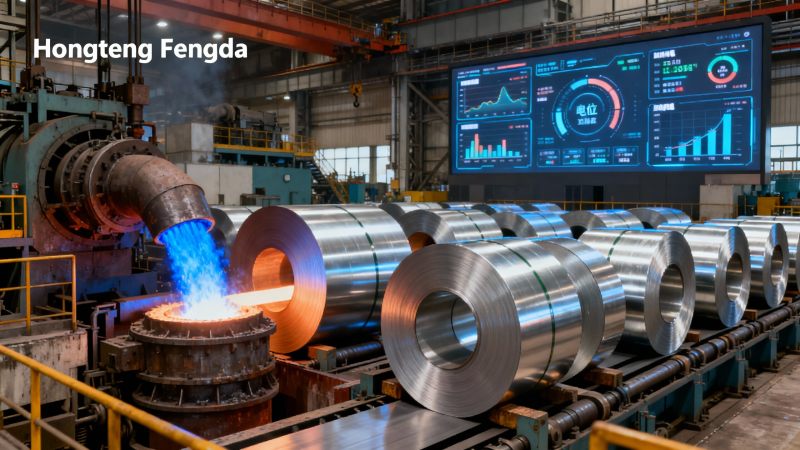
The performance of modern carbon coils, galvannealed coil, and gal sheet products has improved dramatically with the rise of cleaner smelting and advanced coating processes. High‑efficiency intelligence furnaces, recalibrated annealing lines, and dynamic tension‑leveling units enable uniform mechanical performance even under low‑temperature alloying conditions. Galvanized metal plate lines are now operated using bio‑based flux, while emissions from pickling and coating baths are captured through closed‑loop filtration. For procurement engineers, such improvements mean consistent mechanical modulus, tighter dimensional tolerance, and longer corrosion life cycles. Hongteng Fengda, leveraging its global supply network, achieves these results by merging traditional craftsmanship with AI-controlled inspection systems that monitor coil surface micro‑defects in real time. The adoption of low-carbon electrical power within its production facilities further enhances its sustainability profile. In addition, material innovations in related products such as the 316L stainless steel pipe demonstrate how alloy enhancement with molybdenum delivers improved corrosion resistance and thermal stability—an approach that parallels advancements within galvanized sheet technology. Such metallurgical synergies reinforce how low‑carbon and high‑performance goals can harmoniously exist in modern steel manufacturing, providing construction and industrial clients with durable yet eco‑compliant materials suitable for demanding environments.
Application Scenarios and Industry Integration
The usage of carbon coils, hr coil steel, and galvannealed sheet has expanded beyond standard structural frameworks. The automotive sector increasingly specifies ultra‑thin, high‑strength coil rolled steel for lightweight yet crash‑resistant body components. Infrastructure projects employ gal sheet for roofing, cladding, and façade elements where reflectivity and corrosion control are essential, particularly in coastal regions. Energy and petrochemical facilities utilize galvanized metal mesh sheets in platforms and containment systems requiring both mechanical durability and minimal maintenance. Hongteng Fengda supplies such diverse sectors through flexible OEM and standard design manufacturing. Its products, compliant with ASTM, EN, JIS, and GB standards, easily integrate into global engineering workflows. Furthermore, products like the 316L stainless steel pipe complement these applications in joint installations, mechanical systems, and chemical processing pipelines, due to their high-temperature stability and adaptability to harsh media. Each of these applications underscores an increasing convergence between form, function, and environmental accountability. Decision‑makers in procurement and project management emphasize not only mechanical strength but also lifecycle cost savings achieved via longer durability and lower embodied carbon. Consequently, low‑carbon production is now seen as both a compliance measure and a key performance enhancer in industrial design strategies worldwide.
Standards, Certification & Compliance Frameworks
Compliance within the carbon coils and gal sheet industry is now a complex interplay of international frameworks and third‑party verification systems. Regulatory expectations under ASTM A653, EN 10346, and JIS G3302 dictate coating thickness, mechanical properties, and corrosion performance for galvanized metal plate and gi sheet coil products. As low‑carbon criteria evolve, producers must also provide Environmental Product Declarations (EPDs) and verify energy consumption through certified bodies. Hongteng Fengda ensures full conformity by adhering to both mechanical tolerances and eco-metrics, implementing ISO 14001 environmental management and ISO 50001 energy performance frameworks within its facilities. This dual compliance approach allows the company to meet tender requirements across North America and Europe that increasingly specify quantified CO₂ reduction. For procurement managers, verified documentation not only minimizes supply chain risk but also enables transparent comparison when selecting suppliers for projects aiming for LEED or BREEAM certification. Moreover, digital traceability ensures that each batch of hot coil steel or gal steel sheet carries production lineage records, communicating exact emission data per ton. These developments embody a broader principle of accountability, enabling clients to align material choices with corporate sustainability declarations and public ESG reporting requirements, thus reinforcing brand reputation and regulatory resilience in an increasingly carbon-watchful marketplace.
Cost, Alternatives & Procurement Guidance
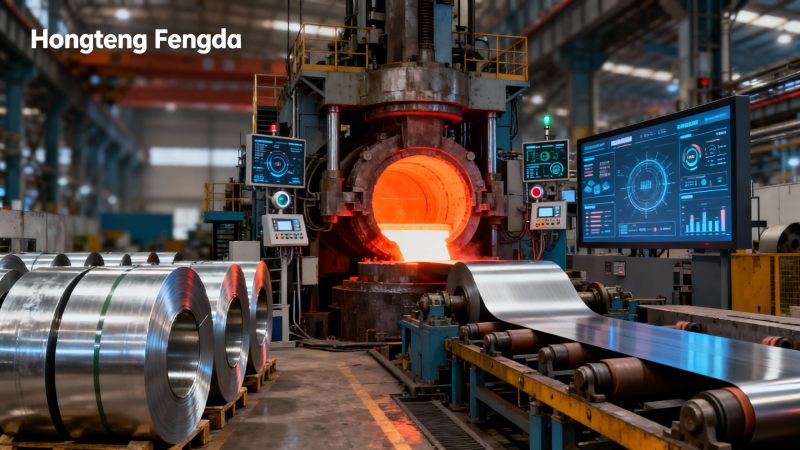
Adopting low‑carbon coil or gal sheet technology raises frequent questions regarding capital expenses and long‑term value. While upfront costs for eco‑optimized furnaces or renewable energy integration may appear higher, lifecycle assessments confirm that reduced energy consumption, lower maintenance, and enhanced brand trust offset initial investments. Procurement professionals therefore evaluate not only the ex‑works price but also total cost of ownership over a project’s lifetime. When comparing hot coil steel and coil rolled steel options, buyers must assess coating durability, weldability, and recyclability performance indicators. The alignment of sustainability objectives with costing strategies helps organizations achieve dual outcomes—economic efficiency and environmental compliance. In practice, using high‑integrity galvanized metal mesh sheets or galvannealed coil minimizes replacement frequency and waste material handling, enhancing return on investment. Advisory teams at Hongteng Fengda often guide customers through material optimization—matching specifications like thickness and tensile strength with project climate data—to select the most efficient configuration. This consultative procurement approach demonstrates how sustainability and cost‑effectiveness can complement each other, especially when backed by steady production capacity and consistent delivery performance. As global carbon trading systems expand, organizations that prioritize low‑carbon coils today may secure not just material savings but also future credits and tax advantages, confirming sustainability as a core financial lever rather than a peripheral responsibility.
Trend Insights and Future Outlook
Looking beyond 2026, low‑carbon innovation within carbon coils and gal steel sheet manufacturing is expected to integrate deeper with digitalization and renewable energy sourcing. The next phase of industrial transformation includes hydrogen‑based reduction and closed‑loop steel recycling systems capable of near‑zero emission profiles. Predictive manufacturing enabled by machine learning will further enhance precision in hrc coil and hot coil steel forming, drastically minimizing defective outputs. At the same time, market segmentation based on carbon intensity labeling will allow buyers to select material grades verified for their sustainability rating, much like existing quality standards. Hongteng Fengda’s long‑term strategy reflects this evolution, investing in cleaner processes and digital connectivity across production lines, maintaining supply reliability while progressively reducing environmental impact. Moreover, collaboration across industries—from automotive to renewable energy—will drive the need for special alloys and surface treatments that reinforce corrosion protection without adding carbon footprint. In this context, every gal sheet or coil rolled steel unit produced represents not just a component but a contribution toward circular economy goals. As adoption accelerates, the combination of regulatory incentives, technological progress, and market competition ensures that the steel industry continues its shift from carbon‑intensive to carbon‑intelligent production, forging a balanced pathway between industrial progress and climate stewardship.
Why Choose Hongteng Fengda
Selecting a trusted partner in structural steel and low‑carbon innovation requires proven capacity, international compliance, and professional support. Hongteng Fengda meets these expectations through integrated manufacturing, strict quality control, and a global export network. The company’s expertise spans angle steel, channel steel, beams, and cold‑formed profiles, ensuring comprehensive supply for large‑scale construction and industrial applications. By combining advanced technology with environmental responsibility, it helps clients reduce sourcing risks, optimize cost, and maintain strict compliance with ASTM, EN, JIS, and GB standards. Supporting customers in North America, Europe, the Middle East, and Southeast Asia, Hongteng Fengda stands as a reliable long‑term partner committed to both quality and sustainability. For those planning infrastructure or industrial projects seeking certified low‑carbon materials like carbon coils, gal steel sheets, or high‑grade stainless components, collaboration with a manufacturer that prioritizes efficiency and environmental stewardship delivers measurable results. To explore tailored sourcing solutions or request technical consultation, contact Hongteng Fengda today and experience how advanced steel innovation can empower the sustainable growth of your business.
- channel steel
- steel i
- angle steel
- galvanized sheet
- galvanized metal plate
- gal steel sheet
- gal sheet
- galvanized metal mesh sheets
- gi sheet coil
- galvannealed coil
- coil rolled steel
- hot coil steel
- hrc coil
- carbon coils
- HRC
- steel pipe
- structural steel
- Structural Steel
- 316L stainless steel pipe
- stainless steel pipe
- Profile
- Galvanized
- Steel Beam
- carbon steel
- steel sheet
Related recommendations
 What is an H-Beam and How Does it Differ from an I-Beam?Discover what an H-beam is and how it differs from an I-beam. Learn key structural differences and expert selection tips from Hongteng Fengda to optimize your steel construction projects today.
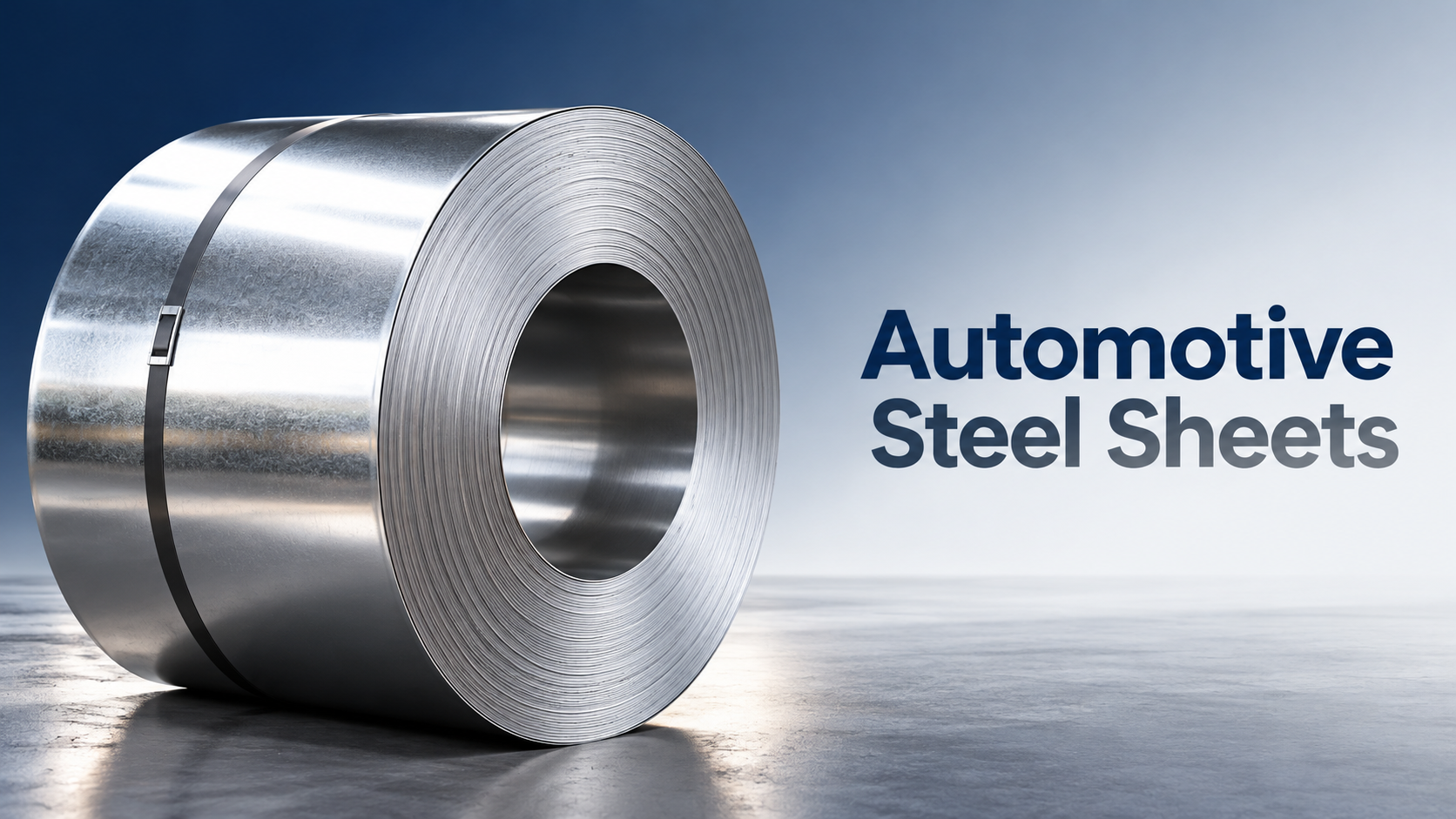
 How to Select the Correct Steel Sheet Grade for Auto PartsSelect the ideal steel sheet for auto parts by balancing performance and cost. Discover expert sourcing strategies to avoid manufacturing traps and optimize procurement. Read our guide now!
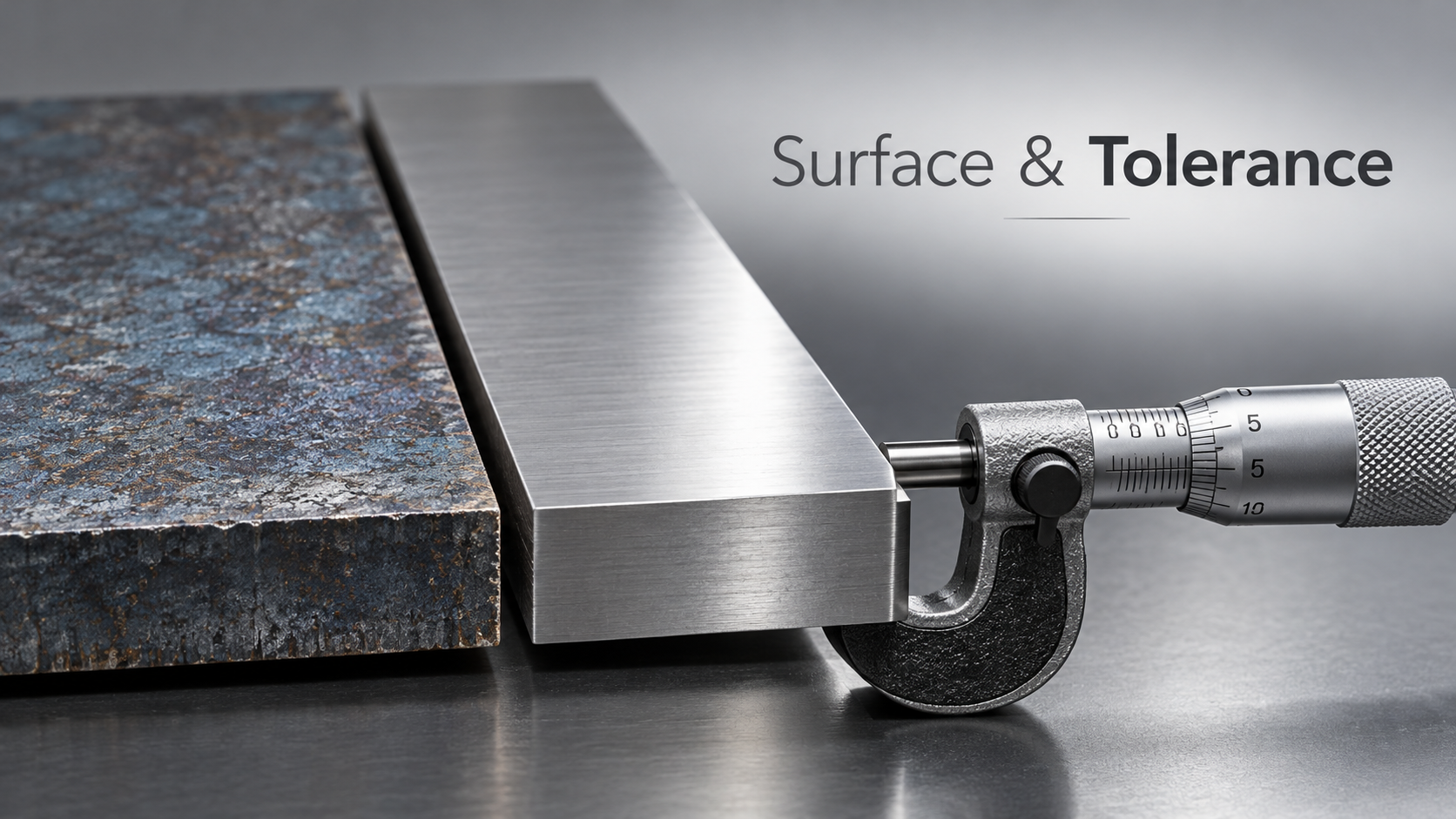
 Hot Rolled vs. Cold Rolled Steel Sheet: Surface and ToleranceHot rolled vs cold rolled steel sheet: Discover how surface finish and tolerances impact manufacturing. Optimize material selection, reduce costs, and ensure quality. Read our expert guide today!
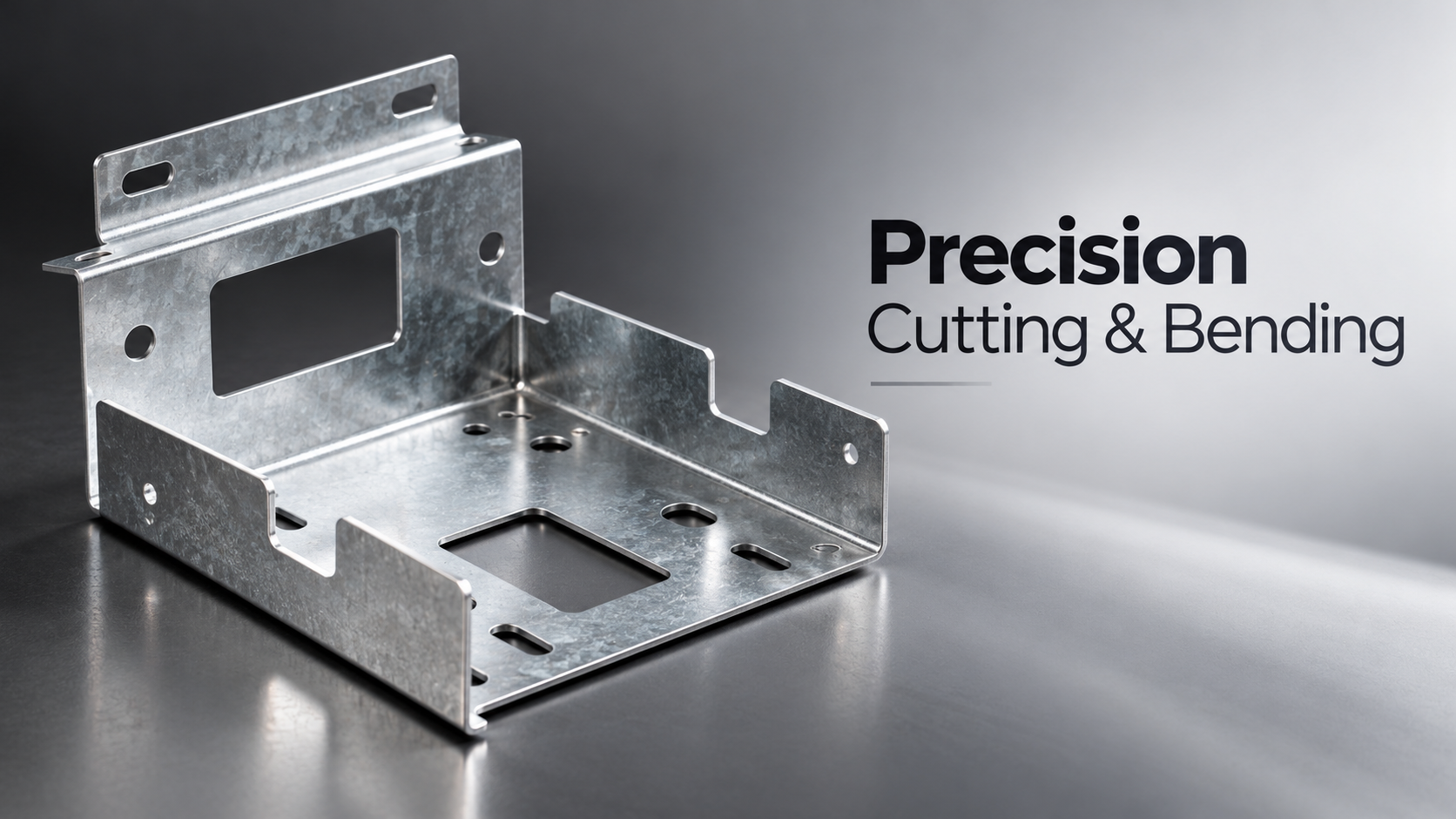
 Best Cutting and Bending Practices for Galvanized Sheet MetalDiscover the best cutting and bending practices for galvanized sheet to prevent zinc flaking. Optimize tooling and thermal parameters to ensure perfect corrosion resistance. Read the full guide!
Please give us a message


Please enter what you want to find