Zinc coated wire is more than just a corrosion-resistant fastener—it’s a critical enabler of structural integrity, safety, and longevity in global steel projects. As infrastructure demands intensify and environmental regulations tighten heading into 2026, understanding how zinc coating works—and why its performance matters—has become essential for engineers, procurement teams, and project managers alike. At Hongteng Fengda, a leading Chinese structural steel manufacturer and exporter, we integrate high-performance zinc coated wire into custom solutions—from cold-formed profiles to heavy-duty beams—ensuring compliance with ASTM, EN, and GB standards. Discover what sets premium zinc coated wire apart, and why it’s indispensable for risk-aware sourcing and resilient construction.
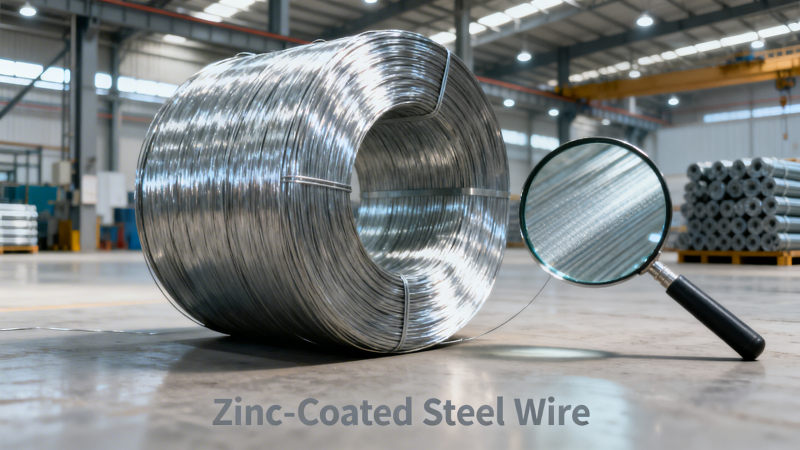
What Is Zinc Coated Wire — And Why Does It Matter for Structural Steel?
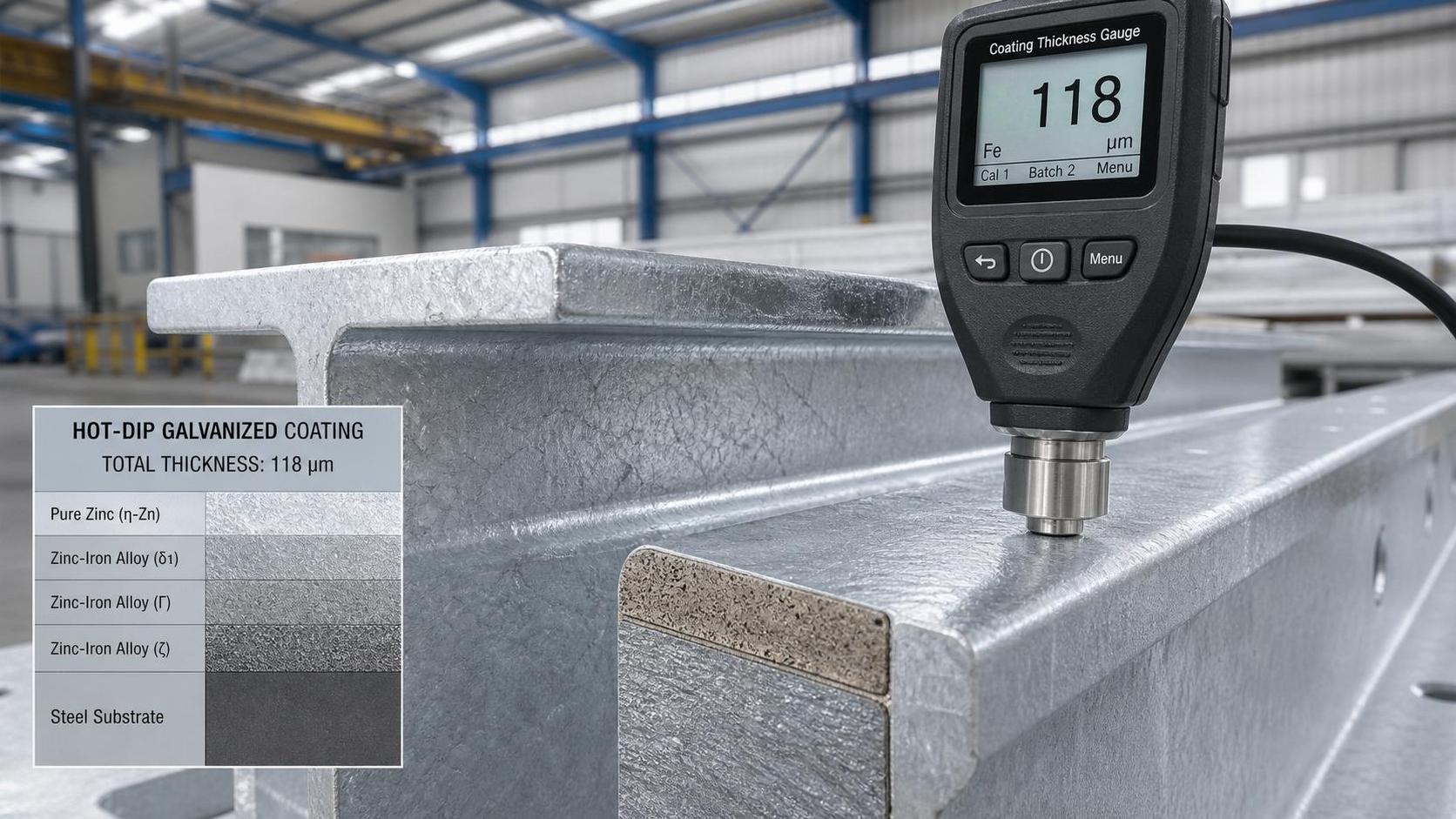
Zinc coated wire is low-carbon or alloy steel wire subjected to hot-dip galvanizing or electro-galvanizing processes, forming a metallurgically bonded zinc layer that acts as both a physical barrier and electrochemical sacrificial anode. Unlike paint or polymer coatings, zinc continues protecting exposed steel even at cut edges or minor scratches—a vital advantage in dynamic construction environments where mechanical damage is common.
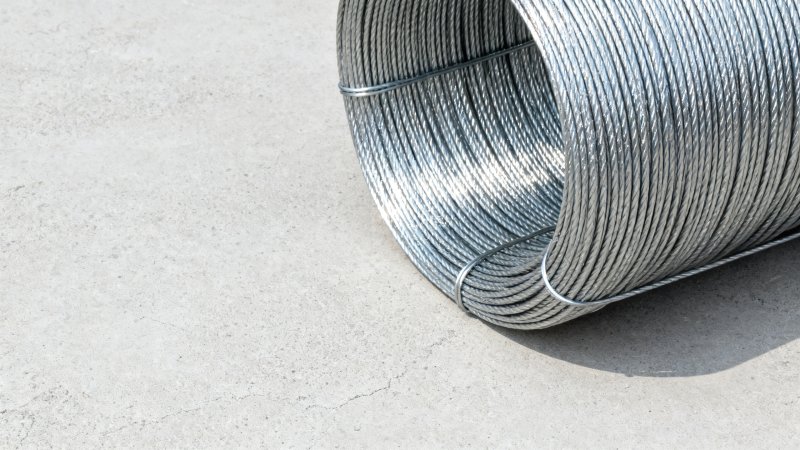
For structural steel manufacturers like Hongteng Fengda, zinc coated wire isn’t an afterthought—it’s embedded in component design. We use it in tie wires for rebar cages, mesh reinforcements in precast elements, and anchoring systems for cold-formed steel framing. Its minimum coating mass typically ranges from 40–60 g/m² (ASTM A641) for light-duty applications to over 275 g/m² (ASTM A123) for marine-grade exposure—directly impacting service life across 15–30 years depending on environment.
Critically, zinc’s effectiveness scales with thickness—but only up to a point. Excessive coating can cause embrittlement during bending or welding. That’s why our quality control includes strict adherence to EN ISO 1461 tolerances (±10% on nominal thickness) and real-time bath chemistry monitoring during galvanizing—ensuring uniformity across every coil batch.
How Zinc Coating Performs Under Real-World Conditions
- Urban industrial zones: With SO₂ and chloride levels averaging 50–120 mg/m²/day, zinc-coated wire retains ≥85% coating integrity after 5 years (per ISO 9223 classification C3–C4).
- Coastal infrastructure: In salt-laden atmospheres (≥70 µg/m³ NaCl), hot-dip galvanized wire outperforms bare steel by 10× in time-to-first-rust—delaying maintenance cycles from 2–3 years to 20+ years.
- Interior structural assemblies: Even in controlled indoor settings, humidity fluctuations (40–80% RH) accelerate crevice corrosion on uncoated fasteners—making zinc coating a cost-effective insurance against long-term joint degradation.
Where Zinc Coated Wire Meets Stainless Steel Mesh: Complementary Roles in Corrosion Defense
While zinc coated wire delivers economical, field-proven protection for load-bearing connections, stainless steel components handle extreme chemical and thermal stress where galvanizing falls short. This synergy is evident in multi-layered structural systems—e.g., zinc-coated tie wires securing stainless steel welded mesh panels used in chemical plant filtration housings or architectural façade cladding supports.
Our Stainless Steel Welded Mesh leverages the same material science rigor: SS 304L and 316L grades offer pitting resistance up to 250°C and chloride thresholds of 100–200 ppm—far exceeding zinc’s operational ceiling. Mesh aperture precision (2–635 mesh) and absolute micron retention (32–360 μm) ensure consistent flow control in aggressive media, while cloth thickness (0.06–1.21 mm) and weight (0.3–10.5 kg/m²) are calibrated per application load and vibration profile.
This dual-material strategy reduces total cost of ownership: zinc handles bulk structural anchoring (cost: $0.85–$1.40/kg), while stainless mesh provides targeted, long-life surface integrity (cost: $4.20–$12.80/kg). For clients managing mixed-environment projects—from Middle Eastern desalination plants to Southeast Asian pharmaceutical facilities—we engineer hybrid specifications that balance lifecycle value and upfront budget constraints.
Procurement Checklist: 5 Non-Negotiables for Zinc Coated Wire in 2026
Global supply chain volatility and tightening environmental legislation mean procurement decisions now carry longer-term consequences. Here’s what forward-looking buyers verify before placing orders:
Beyond specs, traceability matters: Every coil carries laser-etched lot numbers linked to galvanizing bath logs, tensile reports, and third-party lab certificates (SGS, Bureau Veritas). This enables full audit trails for projects requiring ISO 9001/EN 1090 compliance—especially critical for EU CE-marked structural components.
Why Partner With Hongteng Fengda for Corrosion-Resistant Steel Solutions?
As a structural steel manufacturer exporting to 30+ countries, we don’t just supply zinc coated wire—we embed corrosion resilience into your entire system. Our integrated approach includes:
- Custom coating optimization: Adjusting zinc thickness (40–275 g/m²), alloy composition (Al, Ni additions), and post-treatment (chromate passivation) based on your climate zone and assembly method.
- Cross-material engineering: Seamless integration of zinc coated wire with stainless steel components like Stainless Steel Welded Mesh, ensuring thermal expansion compatibility and galvanic isolation.
- Logistics-aligned delivery: Standard coils (15–30 kg) for on-site flexibility; jumbo spools (500–1,200 kg) for automated fabrication lines—with guaranteed lead times of 7–15 days for standard orders and 21 days for OEM configurations.
- Compliance assurance: Pre-shipment documentation covering ASTM A641/A123, EN 10244-2, GB/T 1539, plus RoHS/REACH declarations for all export destinations.
Whether you’re specifying for a North American bridge deck, a UAE data center substructure, or a Vietnamese industrial park, our team provides direct technical support—from initial parameter review to on-site installation guidance. Contact us today to request coating test reports, mesh specification sheets, or a customized corrosion mitigation plan aligned with your 2026 project timeline.
Related recommendations
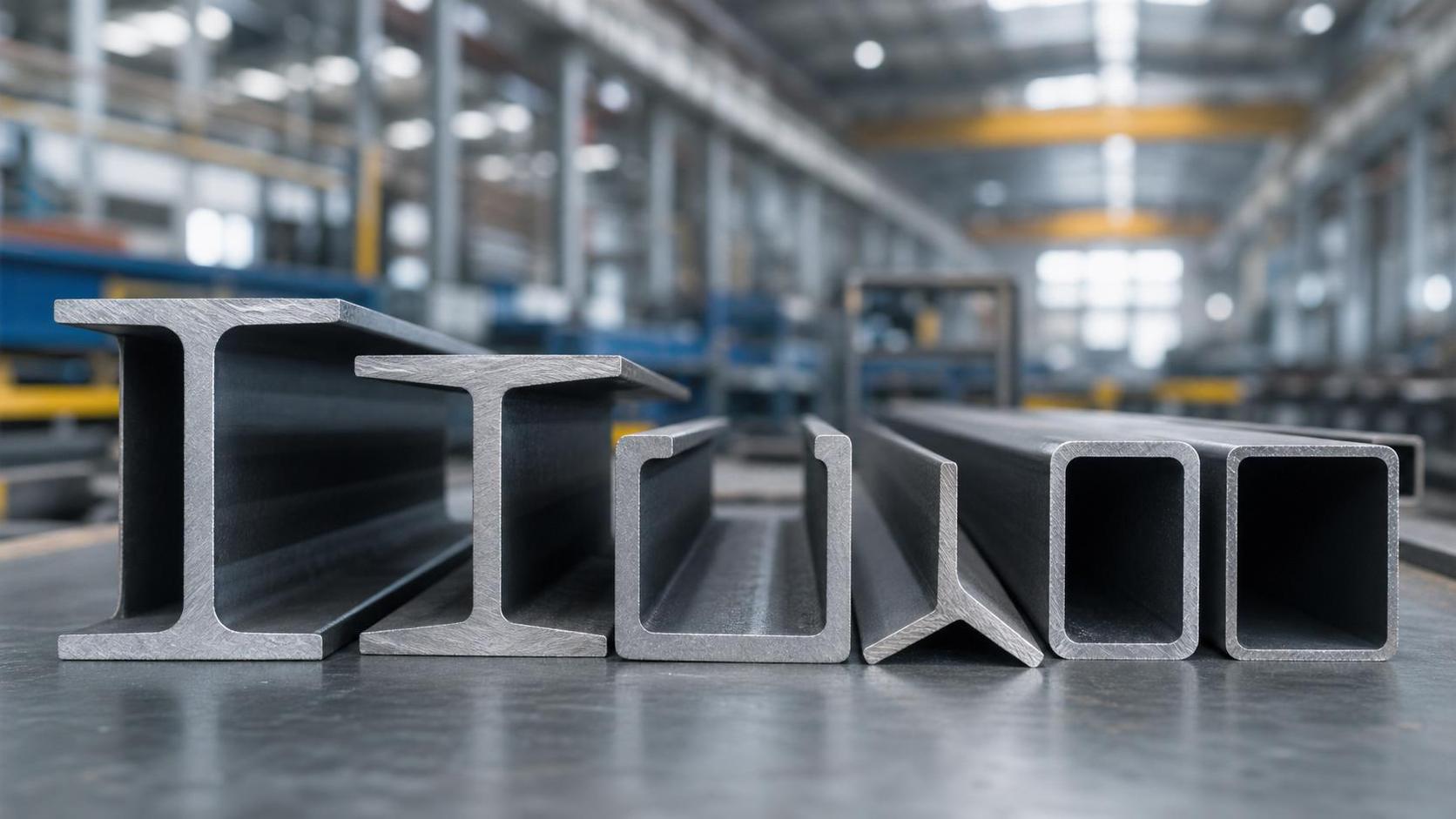
 What Is a Steel Profile? Common Shapes, Uses, and Selection BasicsProfile selection starts with shape, but performance depends on load, fabrication, and standards. Learn common steel profile types, uses, and smart selection basics.
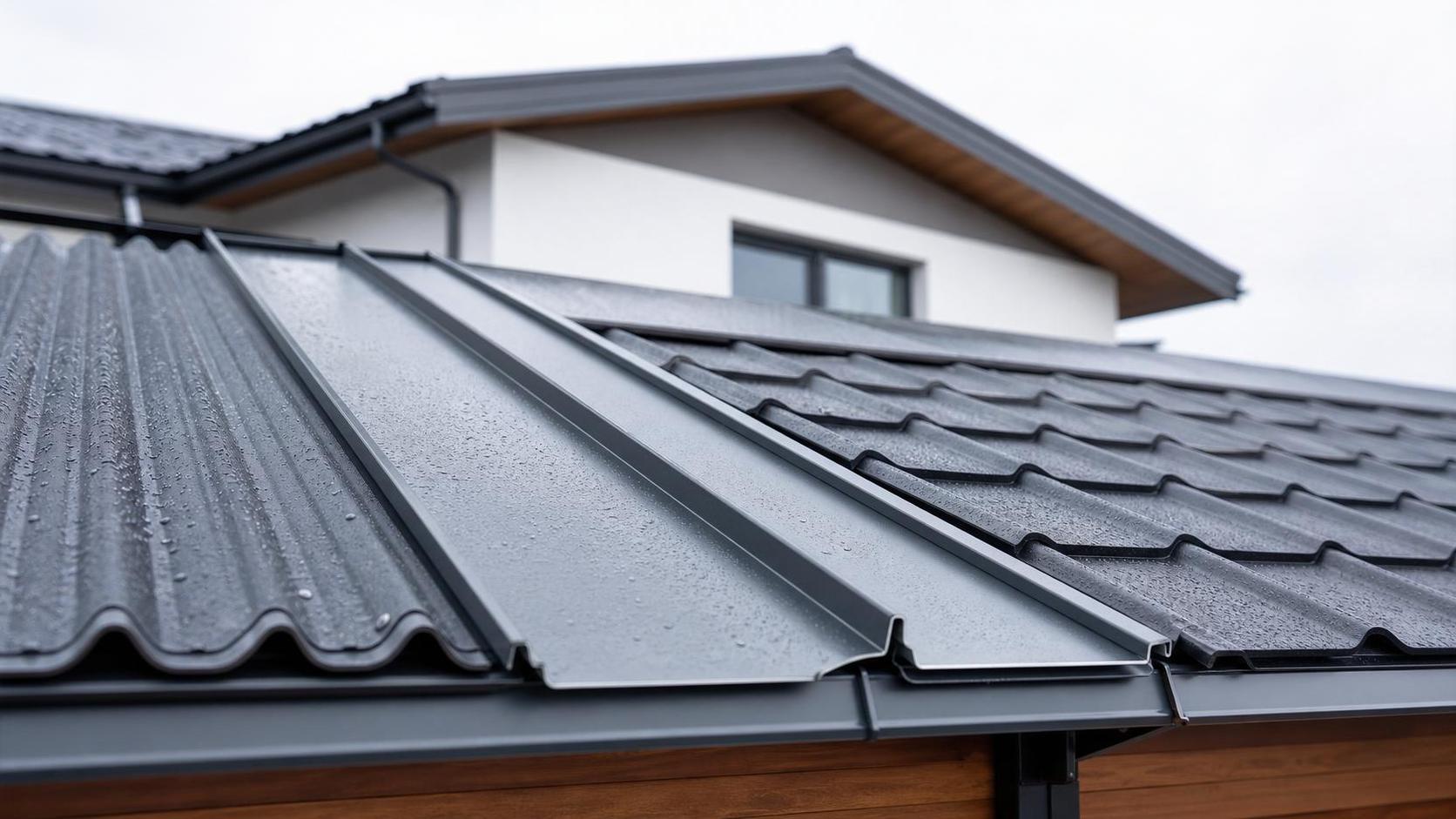
 Steel Roofing Types Explained: Corrugated, Standing Seam, and Metal ShinglesSteel Roofing guide comparing corrugated panels, standing seam, and metal shingles. Discover costs, durability, weather performance, and how to choose the best roof for your home.
 How Hot-Dip Galvanized Coating Thickness Affects Service LifeHot-dip galvanized coating thickness directly affects steel service life. Learn how the right zinc layer improves corrosion protection, controls cost, and supports smarter project decisions.
 Pipe Stainless Grades Explained: 304 vs 316 for Corrosion ResistancePipe stainless grades explained: compare 304 vs 316 for corrosion resistance, cost, and service life. Learn which stainless pipe grade fits marine, chemical, and water system applications.

Please give us a message


Please enter what you want to find