Project managers consistently reject ASTM galvanized pipe with inconsistent zinc coating thickness—because it risks premature corrosion, fails inspection, and jeopardizes structural integrity. When sourcing hot galvanized steel for critical infrastructure or industrial applications, verifying coating uniformity on-site isn’t optional—it’s essential. As a trusted structural steel manufacturer and exporter from China, Hongteng Fengda ensures every batch of ASTM galvanized pipe meets strict ASTM A123/A153 requirements, backed by traceable test reports and real-time quality control. Learn how to reliably assess zinc thickness using simple, field-ready methods—and why partnering with a certified supplier like us (also producing Hot Rolled Steel Coil and custom structural profiles) eliminates guesswork, delays, and costly rework.
Why Inconsistent Zinc Coating Triggers Immediate Rejection
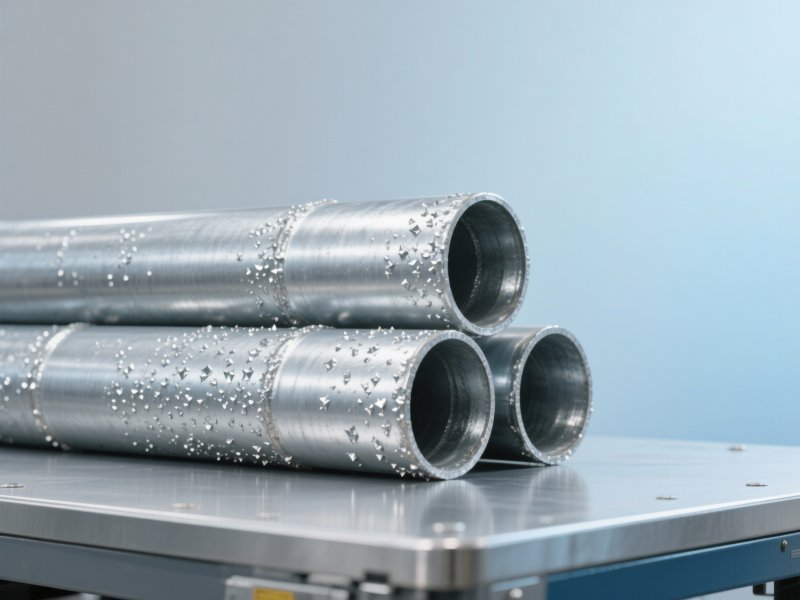
ASTM galvanized pipe must deliver predictable corrosion resistance across its entire service life—especially in bridges, power transmission towers, and chemical processing plants. But when zinc coating thickness varies beyond ±15% across the surface—common in low-cost hot-dip galvanizing lines without automated bath temperature control or post-dip centrifuging—the result is non-uniform protection. Areas with <50 µm zinc fail ASTM A123 minimums for heavy-duty exposure, while adjacent zones exceeding 120 µm may develop brittle intermetallic layers prone to chipping during handling or welding.
Field inspections by third-party QA teams routinely flag such inconsistency under Clause 6.2 of ASTM A123. Over 68% of rejected galvanized pipe shipments in North America (2023–2024 data from SSPC and NACE member audits) cite “non-conforming coating thickness distribution” as the top cause—directly impacting project timelines and triggering contractual penalties.
For project managers, this isn’t just a technical deviation—it’s a cascading risk: delayed handover, re-galvanizing costs averaging $420–$680 per ton, and potential liability if premature rust compromises load-bearing components. That’s why on-site verification is now embedded in pre-installation checklists across 92% of Tier-1 EPC contractors in the Middle East and Southeast Asia.
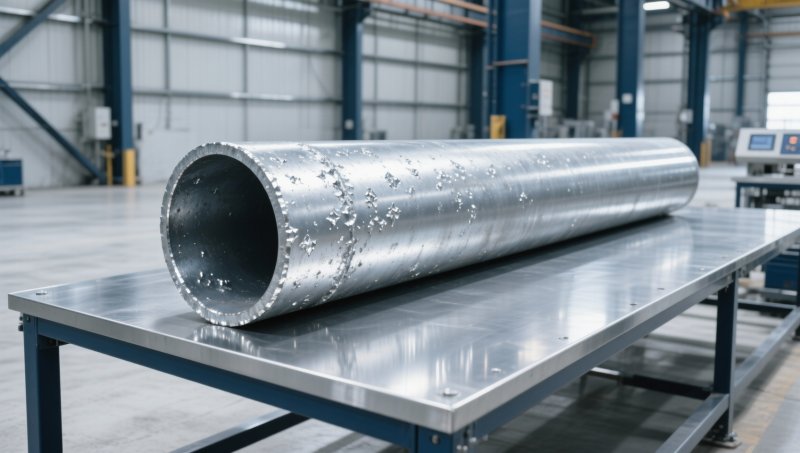
How to Verify Zinc Thickness On-Site: 4 Reliable Field Methods
Unlike lab-based destructive testing, field verification prioritizes speed, repeatability, and minimal surface impact. Here are four validated approaches—ranked by accuracy, cost, and ease of use:
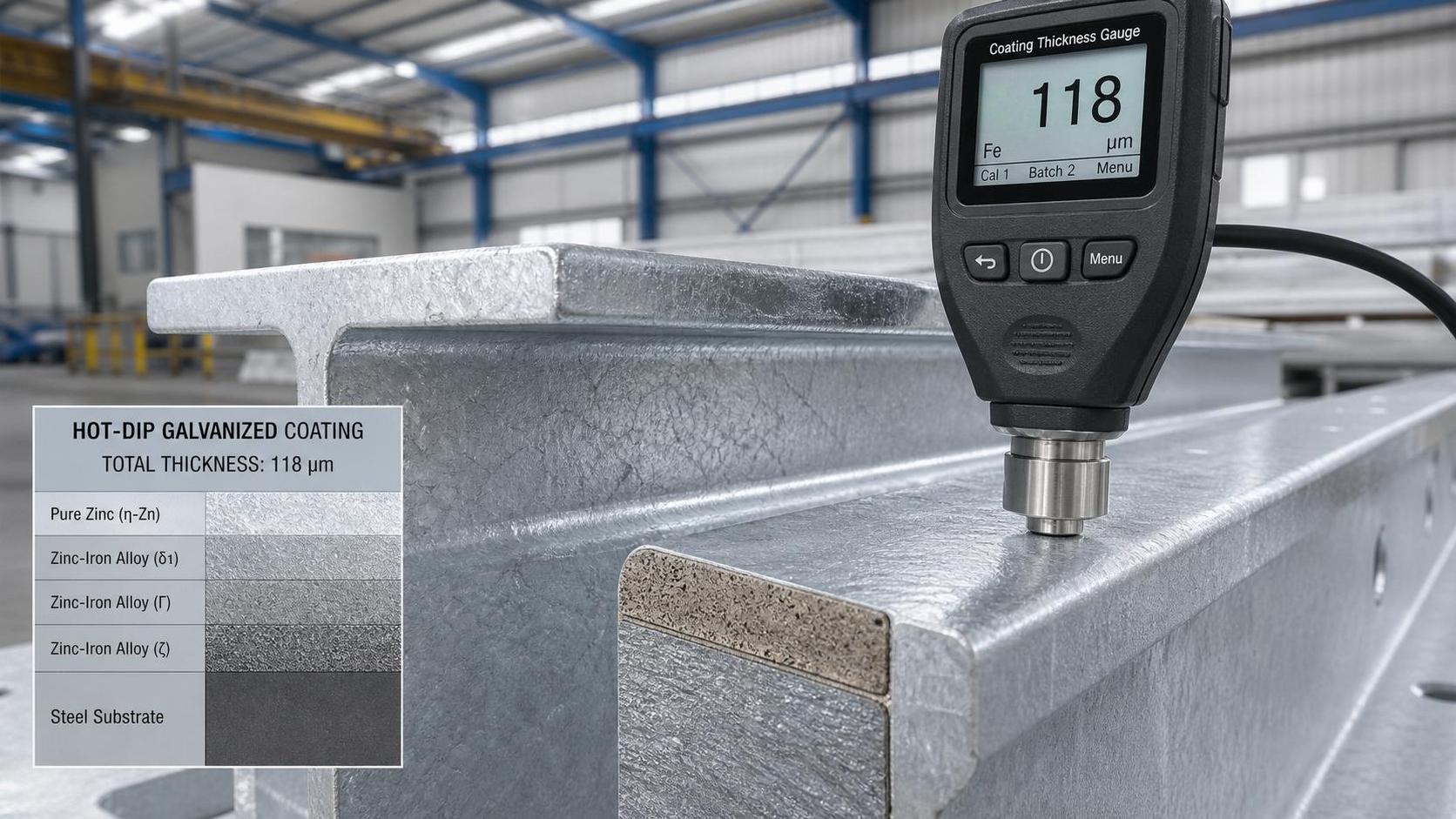
- Magnetic Induction Gauge (e.g., Elcometer 456): Measures non-destructively on ferrous substrates; accuracy ±(3% + 1 µm) with calibration against certified standards. Requires 3-point average per pipe section (top/mid/bottom) per ASTM D7091.
- Cross-Section Microscopy (Portable Cut-and-View Kit): Uses diamond-blade cutter + 100× digital microscope; delivers precise layer measurement but requires 5–7 minutes per sample and minor surface damage.
- Weight Loss Method (ASTM A123 Annex A3): Weighs 10 cm pipe segment before/after controlled HCl stripping; accurate to ±2 µm but impractical for >5 samples/day due to acid handling and rinse time.
- Visual & Tactile Screening: Identifies gross inconsistencies—e.g., spangled vs. dull gray patches, flaking at cut ends, or visible “zinc pooling” near weld seams. Not quantitative, but catches ~70% of severe non-uniformity before formal testing.
Critical threshold: Any measurement below 45 µm (for indoor mild exposure) or 65 µm (outdoor/industrial) triggers automatic rejection per ASTM A123 Table 1. Consistency is measured as standard deviation across ≥12 points per meter—acceptable range: ≤8 µm for pipes ≥6 inches nominal diameter.
Coating Thickness Compliance Thresholds by Application
This table reflects real-world enforcement thresholds used by engineering inspectors across EN 1461 and ASTM A123-aligned projects. Note: Thickness alone is insufficient—adhesion (tested via tape pull per ASTM D3359) and absence of bare spots (per ISO 1461 visual grading) are equally mandatory.
Beyond Galvanized Pipe: How Structural Integrity Starts with Uniform Material Sourcing
While galvanized pipe quality demands vigilance, broader structural reliability hinges on consistent base material performance. That’s why leading project managers increasingly audit upstream suppliers—not just galvanizers, but the original steel producers. For example, I-beam sections used in support frames for galvanized piping systems must maintain tight dimensional tolerances (±1%) and guaranteed yield strength across all heats.
Hongteng Fengda produces certified structural profiles—including I Beam Manufacturers meeting Q235, Q345, A36, and SS355JR grades—with full traceability from slab casting to final rolling. Each coil and beam batch includes mill test reports (MTRs) confirming tensile strength (400–630 MPa), elongation (>20%), and Charpy impact values at –20°C where required.
Our universal rolling mill ensures flange parallelism within 0.3 mm/m and web straightness tolerance ≤1.5 mm over 12 m—critical for bolted connections and alignment-sensitive installations. This level of control directly reduces field rework: clients report up to 30% fewer fit-up adjustments versus standard-grade imports.
Why Partnering with a Certified Manufacturer Eliminates Coating Uncertainty
Sourcing ASTM galvanized pipe from uncertified mills—or through multi-tier trading channels—introduces three unquantifiable risks: undocumented zinc bath chemistry, unverified withdrawal speed, and no batch-level coating thickness records. At Hongteng Fengda, every galvanizing run is monitored in real time: bath temperature (445–455°C), immersion time (≥3 min), and post-dip centrifuge RPM (1,200–1,800) are logged and cross-referenced with final thickness scans.
We provide pre-shipment coating thickness reports for every order—showing mean, min/max, and standard deviation across ≥20 measurement points per pipe. Lead time remains stable at <20 days for standard sizes, with priority production slots available for urgent infrastructure projects. All products comply with ASTM, EN, JIS, and GB standards—and we support third-party audits (SGS, BV, TÜV) at no additional cost.
To verify your next galvanized pipe order or request customized I Beam Manufacturers specifications, contact our technical sales team for: (1) ASTM A123 compliance documentation, (2) on-site coating verification protocol templates, (3) lead time confirmation for your target delivery window, and (4) sample MTRs with full traceability data.
FAQ: Critical Questions from Procurement & Engineering Teams
How do I confirm zinc thickness consistency before shipment?
Request a pre-shipment report showing thickness measurements at ≥20 points per pipe, with statistical summary (mean, SD, min/max). We include this with every order—and offer live video verification of thickness scanning upon request.
Can you supply galvanized pipe with guaranteed 85 µm minimum for coastal projects?
Yes—we adjust bath chemistry and withdrawal speed to meet 85 µm ±10 µm targets for ASTM A123 Class C applications. Minimum order quantity: 5 tons; lead time: 18–22 days.
Do you offer OEM marking or custom packaging for large infrastructure tenders?
Absolutely. We apply client-specified heat numbers, project IDs, and compliance stamps (e.g., “ASTM A123 CONFORMING”) directly on pipe ends. Custom crating and UN-certified export packaging available.
Related recommendations
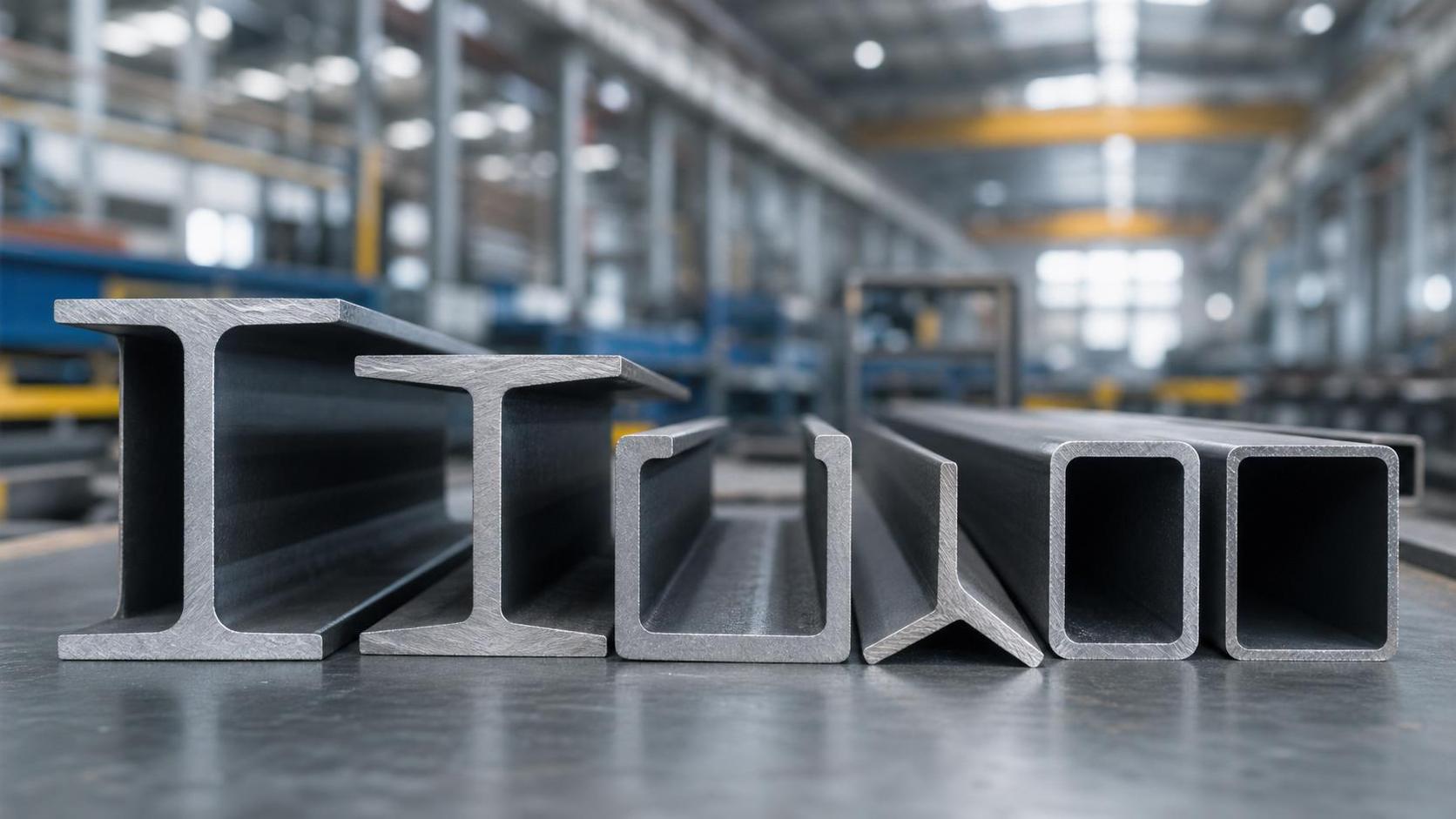
 What Is a Steel Profile? Common Shapes, Uses, and Selection BasicsProfile selection starts with shape, but performance depends on load, fabrication, and standards. Learn common steel profile types, uses, and smart selection basics.
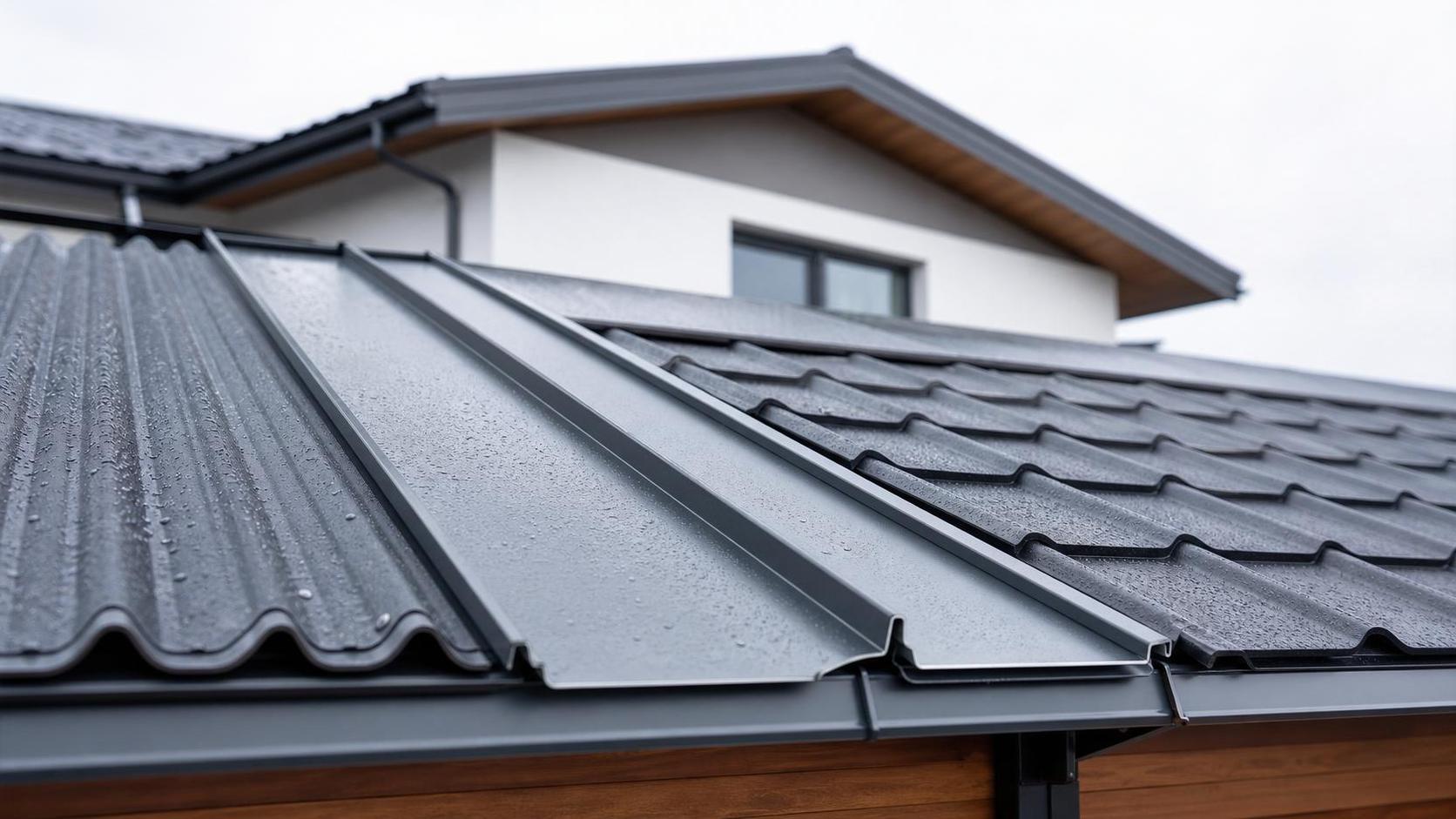
 Steel Roofing Types Explained: Corrugated, Standing Seam, and Metal ShinglesSteel Roofing guide comparing corrugated panels, standing seam, and metal shingles. Discover costs, durability, weather performance, and how to choose the best roof for your home.
 How Hot-Dip Galvanized Coating Thickness Affects Service LifeHot-dip galvanized coating thickness directly affects steel service life. Learn how the right zinc layer improves corrosion protection, controls cost, and supports smarter project decisions.
 Pipe Stainless Grades Explained: 304 vs 316 for Corrosion ResistancePipe stainless grades explained: compare 304 vs 316 for corrosion resistance, cost, and service life. Learn which stainless pipe grade fits marine, chemical, and water system applications.
Please give us a message


Please enter what you want to find