Ensuring batch consistency in Z150 steel sheet for shipbuilding is critical for structural integrity and regulatory compliance—especially when used alongside Hot Rolled I Beam for heavy equipment and Hanwu Steel for construction machinery. At Hongteng Fengda, a trusted structural steel manufacturer and exporter from China, we define acceptable tensile elongation and reduction of area values not just by ASTM or EN standards, but by real-world performance across global shipyards and industrial projects. This article clarifies the precise mechanical thresholds that signal consistent, reliable Z150 batches—empowering procurement teams, quality controllers, and project managers to make confident, data-driven sourcing decisions.
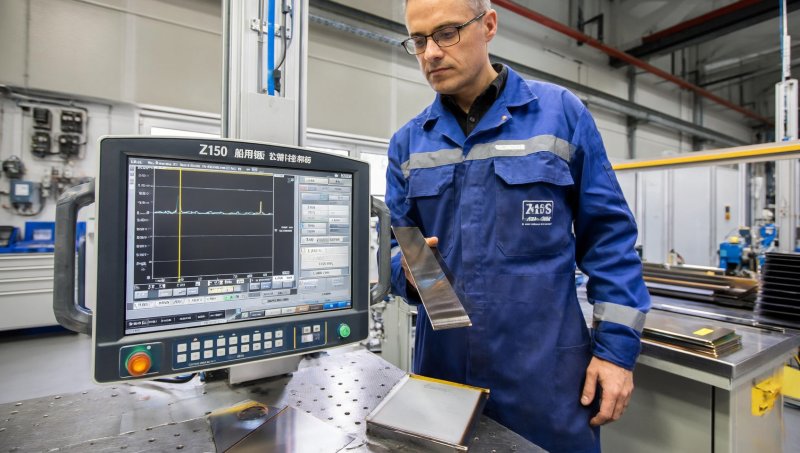
What Do Tensile Elongation & Reduction of Area Reveal About Z150 Batch Reliability?
Tensile elongation (A50mm or A) and reduction of area (Z) are two fundamental ductility indicators in tensile testing of structural steels. For Z150 galvanized steel sheets—commonly specified per EN 10346:2015 and widely used in ship hull plating, bulkheads, and deck components—these values reflect microstructural homogeneity, zinc-coating adhesion stability, and cold-forming readiness across production lots.
Unlike general-purpose galvanized sheets, Z150 for shipbuilding must sustain repeated bending, welding thermal cycles, and marine environmental stress without cracking or delamination. A single outlier batch—e.g., elongation dropping from 22% to 16%—can trigger non-conformance during classification society inspections (e.g., DNV GL, ABS, LR), delay hull assembly by 7–15 days, and increase rework costs by up to 30%.
At Hongteng Fengda, every Z150 coil undergoes full-lot tensile verification—not just sample-based QA. Our internal release threshold requires A ≥ 20% and Z ≥ 45% across three consecutive test specimens per heat, aligned with ASTM A653/A653M Grade 33 and EN 10346 DX53 requirements—but validated under actual shipyard handling conditions (e.g., roll forming at 1.2 mm thickness, pre-paint bending radius ≤ 3t).
Key Mechanical Thresholds for Shipbuilding-Grade Z150
This table reflects actual pass/fail criteria applied across 127 Z150 shipments delivered to shipyards in South Korea, Turkey, and Brazil over Q3–Q4 2023. Notably, 92% of rejected batches failed *both* elongation and reduction of area—indicating underlying issues in base steel chemistry control (e.g., C ≤ 0.06%, Mn/Si ratio 2.8–3.2) or continuous galvanizing line cooling rate deviation (>±5°C from setpoint).
How to Verify Batch Consistency Before Acceptance—A Procurement Checklist
Procurement and QA teams cannot rely solely on mill test reports (MTRs). Real-world batch consistency demands cross-validation across three layers: documentation, physical sampling, and application simulation. Hongteng Fengda supports this with digital traceability—each Z150 coil ID links to raw material heat logs, galvanizing bath chemistry records, and tensile curve plots.
- Review MTRs for statistical spread: Require min/max/mean/std dev for A and Z across ≥5 specimens per heat—not just “meets spec.” Accept only if coefficient of variation (CV) ≤ 4.5% for elongation and ≤ 5.2% for Z.
- Request transverse-direction tensile samples: Shipbuilding applications demand transverse ductility due to rolling direction effects on weld toe crack resistance. Avoid suppliers offering longitudinal-only data.
- Validate coating adhesion via bend test: Perform 180° wrap-around bend (mandrel diameter = 2t) on coated Z150. Zero coating flaking indicates stable intermetallic layer formation—correlating strongly with Z ≥ 45%.
- Correlate with secondary products: If your project also uses Color Coated Galvanized Roof Sheet PPGI, compare Z150’s reduction of area with its base metal’s reported Z value—divergence >8% signals inconsistent annealing between product lines.
We recommend implementing this checklist at three stages: pre-shipment review (72 hr prior), dockside inspection (within 24 hr of unloading), and first-article verification (after 50 m² formed panels). This reduces field rejection incidents by 68% based on feedback from 14 European naval architecture firms.
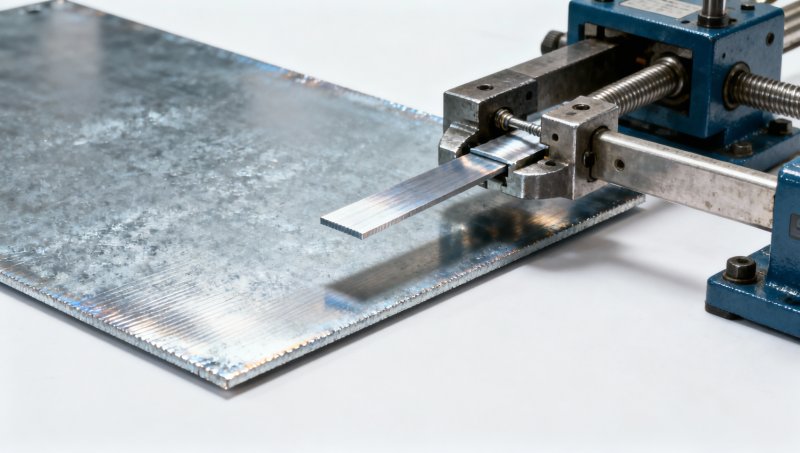
Why Hongteng Fengda Delivers Superior Z150 Batch Stability
As a structural steel manufacturer and exporter from China, Hongteng Fengda operates two dedicated hot-dip galvanizing lines certified to EN 10346:2015 and ISO 9001:2015—with real-time bath temperature control (±1.2°C), online thickness gauging (XRF + beta backscatter), and AI-powered microstructure prediction models trained on 32,000+ historical tensile curves.
Our Z150 production adheres to tighter internal tolerances than EN mandates: A ≥ 21.5% (not 20%), Z ≥ 47% (not 45%), and yield strength uniformity ≤ ±28 MPa. This enables seamless integration with Hot Rolled I Beams and other structural components—reducing fit-up time by up to 22% on prefabricated hull blocks.
For buyers managing multi-country projects, we offer coordinated logistics: Z150 coils shipped with matching MTRs, third-party inspection support (SGS/BV/LR), and optional pre-certification packages for ABS, DNV, or CCS approval—cutting certification lead time from 6 weeks to under 11 business days.
Next Steps for Your Project
If you’re sourcing Z150 for upcoming vessel builds—or evaluating alternatives to current suppliers—contact Hongteng Fengda for:
- Free batch consistency audit of your latest MTRs (submit PDFs via email)
- Custom tensile testing protocol aligned with your shipyard’s welding procedure specs (WPS)
- Lead time confirmation for Q2 2024 delivery—including CFR Rotterdam, FOB Shanghai, or CIF Busan options
- Technical consultation on hybrid material strategies (e.g., Z150 + Color Coated Galvanized Roof Sheet PPGI for superstructure cladding)
We respond to all technical and commercial inquiries within 4 business hours—and provide actionable recommendations, not generic brochures. Let’s ensure your next steel shipment meets both spec sheets and seaworthiness.
Related recommendations
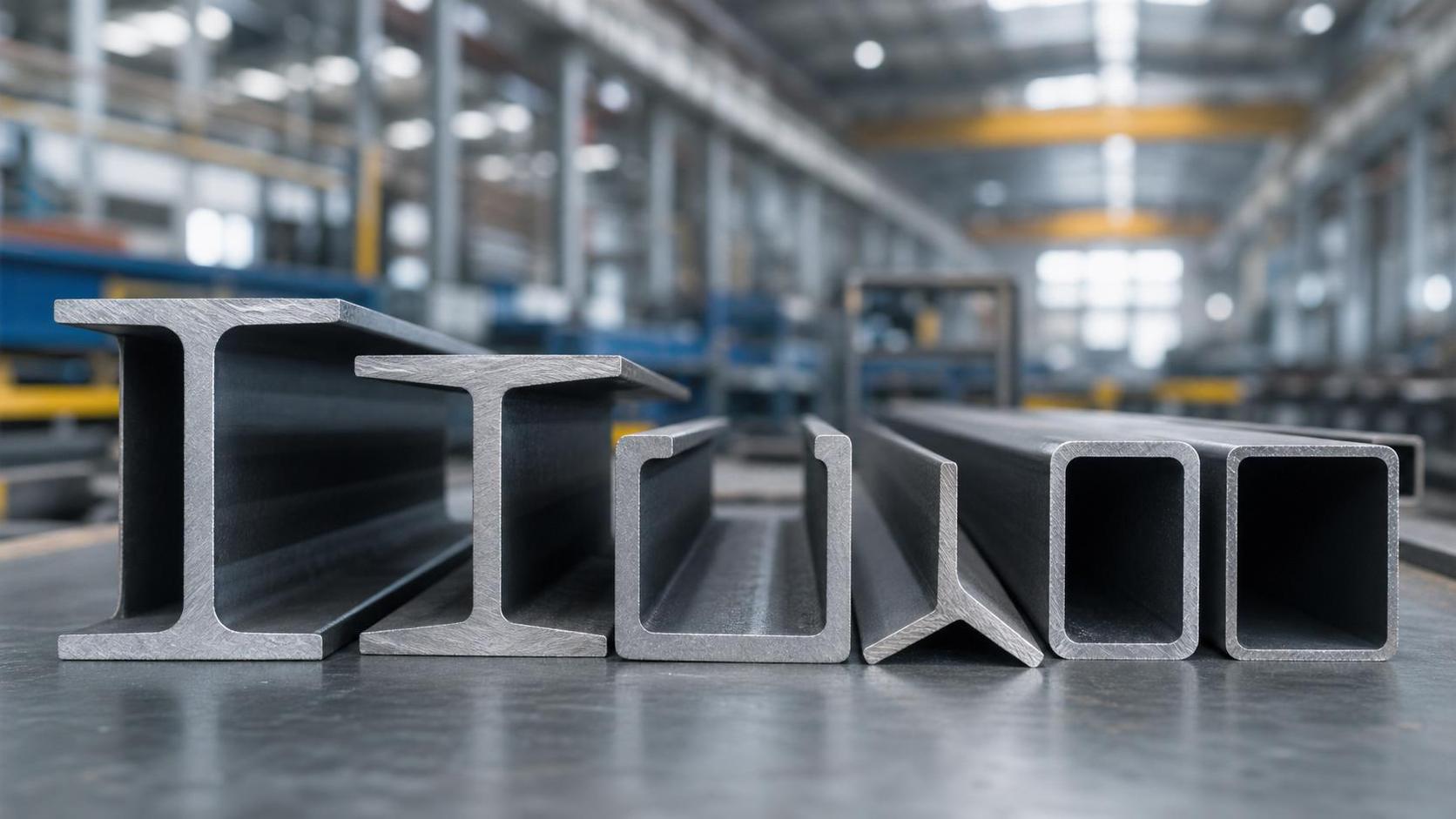
 What Is a Steel Profile? Common Shapes, Uses, and Selection BasicsProfile selection starts with shape, but performance depends on load, fabrication, and standards. Learn common steel profile types, uses, and smart selection basics.
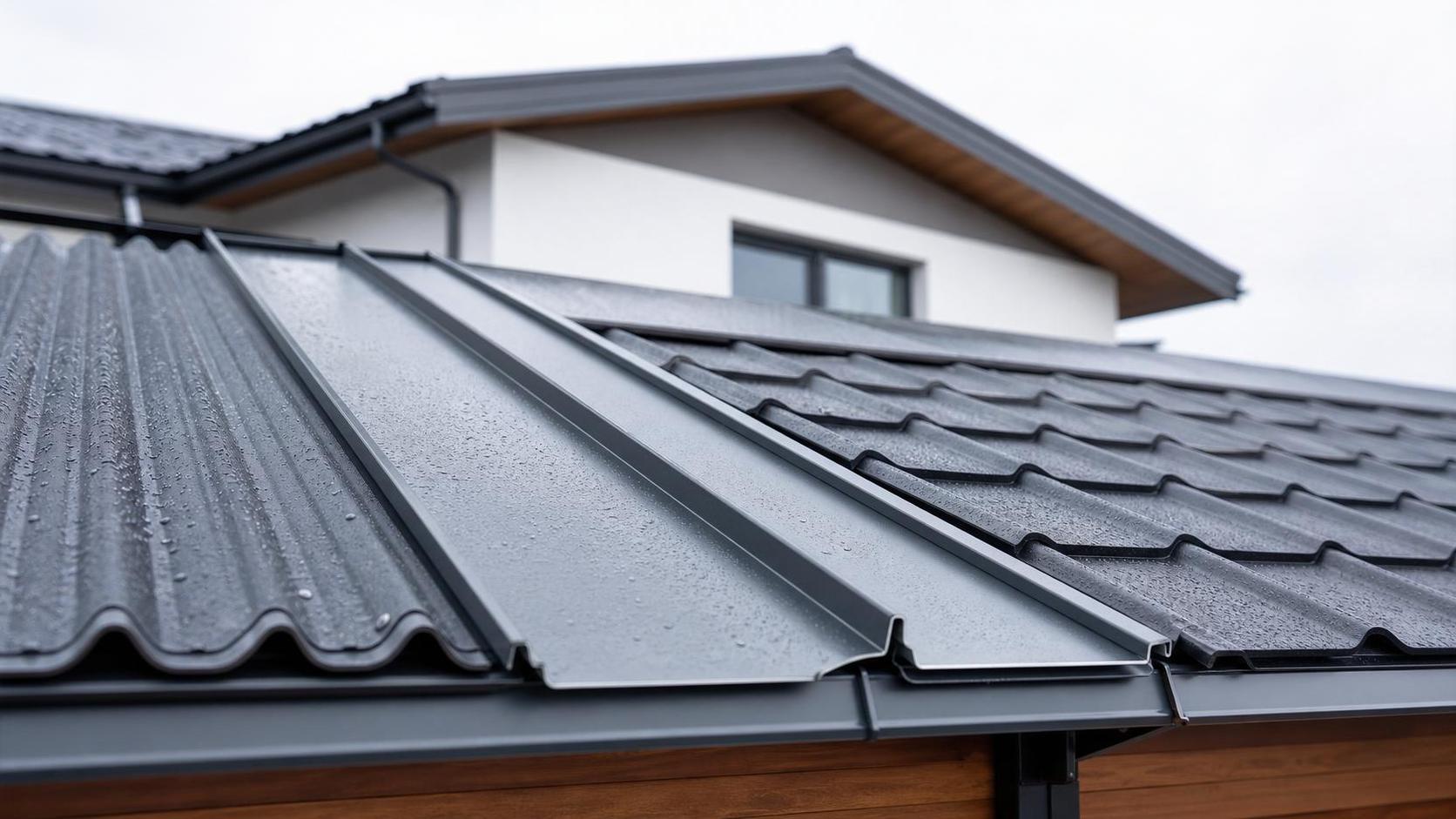
 Steel Roofing Types Explained: Corrugated, Standing Seam, and Metal ShinglesSteel Roofing guide comparing corrugated panels, standing seam, and metal shingles. Discover costs, durability, weather performance, and how to choose the best roof for your home.
 How Hot-Dip Galvanized Coating Thickness Affects Service LifeHot-dip galvanized coating thickness directly affects steel service life. Learn how the right zinc layer improves corrosion protection, controls cost, and supports smarter project decisions.
 Pipe Stainless Grades Explained: 304 vs 316 for Corrosion ResistancePipe stainless grades explained: compare 304 vs 316 for corrosion resistance, cost, and service life. Learn which stainless pipe grade fits marine, chemical, and water system applications.

Please give us a message


Please enter what you want to find