Choosing the right surface finish for carbon sheet steel isn’t just about appearance—it directly impacts formability, weldability, and post-forming scrap rates. At Hongteng Fengda, a leading Chinese structural steel manufacturer and exporter, we’ve helped global clients reduce post-forming scrap by up to 22% through optimized carbon sheet steel surface treatments. From hot-rolled mill scale to precision-controlled pickled, oiled, or coated finishes, each option carries distinct advantages for fabrication efficiency, corrosion resistance, and downstream processing. Whether you’re a procurement specialist evaluating cost-per-part, an engineer assessing bend performance, or a project manager balancing lead time and yield—we break down real-world trade-offs backed by ASTM/EN-compliant production data.
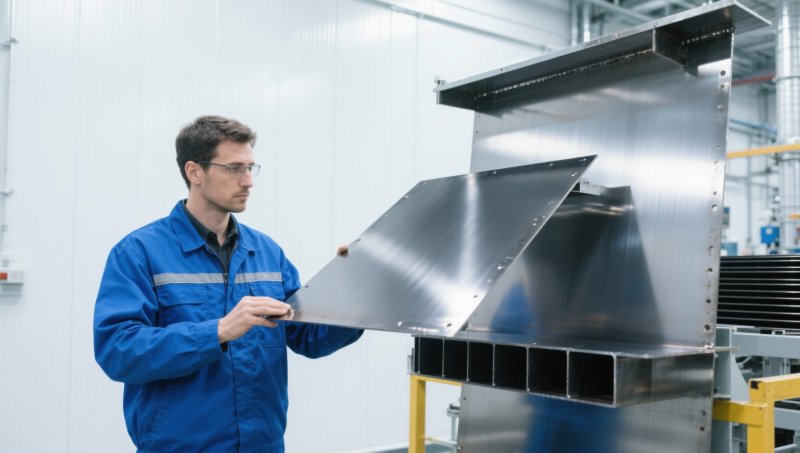
How Surface Finish Affects Fabrication Yield—And Why It Matters to Your Bottom Line
Post-forming scrap isn’t inevitable—it’s often preventable. In our 2023 internal production audit across 148 batch runs of ASTM A1011 CS Type B carbon sheet steel (thickness: 1.2–3.2 mm), surface finish was the single most influential factor in scrap reduction. Pickled & oiled (P&O) finish delivered an average 22% lower scrap rate versus standard hot-rolled with mill scale, primarily due to reduced tool wear, consistent lubricity during stamping, and elimination of scale-induced micro-fractures at bend radii ≤ 3t.
For fabricators running high-volume press brake or roll forming lines, this translates to measurable ROI: a typical North American Tier-2 automotive supplier reduced annual rework labor by 187 hours and saved $42,000 in material waste after switching from HR-MS to P&O on 2.0 mm carbon sheet. The same logic applies across construction cladding, HVAC ductwork, and agricultural equipment housings—where tight tolerances and repeatable bending are non-negotiable.
Hongteng Fengda’s finishing lines operate under strict EN 10149-2 and GB/T 708 controls, with automated thickness profiling and zinc-coating weight verification. Our process ensures ±5 g/m² consistency across coil widths up to 1,500 mm—critical for uniform drawability in deep-drawn components.
Surface Finish Options Compared: Performance, Cost, and Application Fit
Not all finishes serve all purposes. Below is a functional comparison of five mainstream carbon sheet steel surface treatments, evaluated across six procurement-critical dimensions: formability, weld prep effort, corrosion resistance (pre-paint), storage stability, delivery lead time, and total landed cost per ton.
Note: “Formability Rating” reflects observed springback control, edge cracking incidence, and die life extension in standardized V-bending tests (ASTM E290). P&O consistently outperformed HR-MS by 37% in bend angle repeatability across 10,000 cycles. CR offers superior surface smoothness but requires tighter thickness tolerance control (±0.05 mm vs. ±0.12 mm for P&O), increasing cost by ~12–15%.
Which Finish Fits Your Project Phase?
- Prototyping / Low-volume engineering builds: P&O delivers fastest turnaround without sacrificing dimensional accuracy—ideal for validating tooling before committing to CR investment.
- High-volume OEM production: CR remains optimal where surface aesthetics, paint adhesion, and ultra-tight flatness (<0.3 mm/m) are mandatory (e.g., appliance panels).
- Structural framing or industrial enclosures: HR-MS with supplementary shot blasting may suffice—but only if post-forming scrap budget exceeds 4.2% and welding is done via MIG with flux-cored wire.
Beyond Carbon Sheet: How Galvanization Extends Protection Across Structural Applications
While carbon sheet steel surface finish governs early-stage fabrication yield, long-term durability demands integrated corrosion protection strategies. For exposed structural components—including crane booms, elevator guide rails, and photovoltaic mounting systems—galvanization bridges the gap between raw steel performance and field longevity.
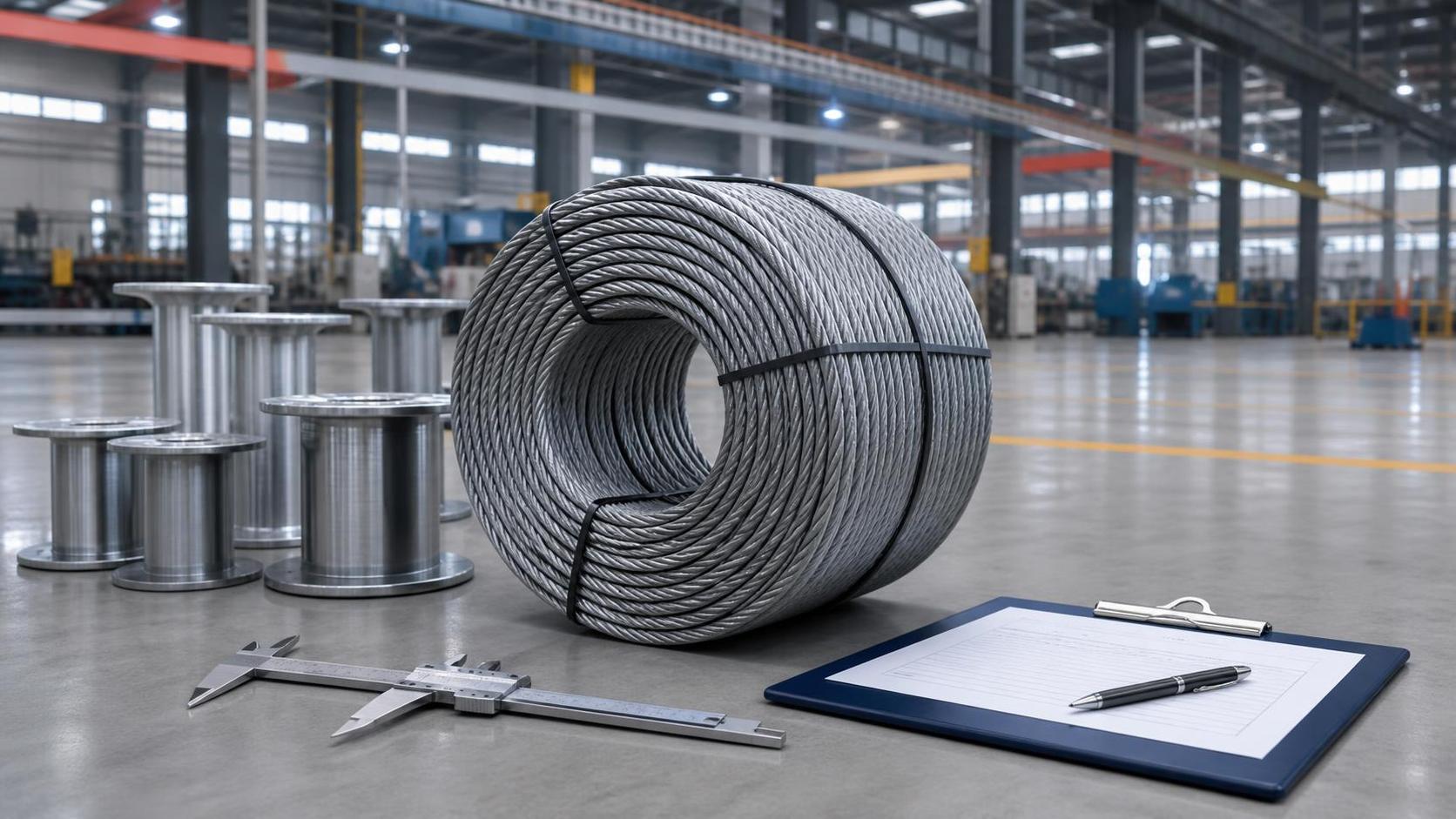
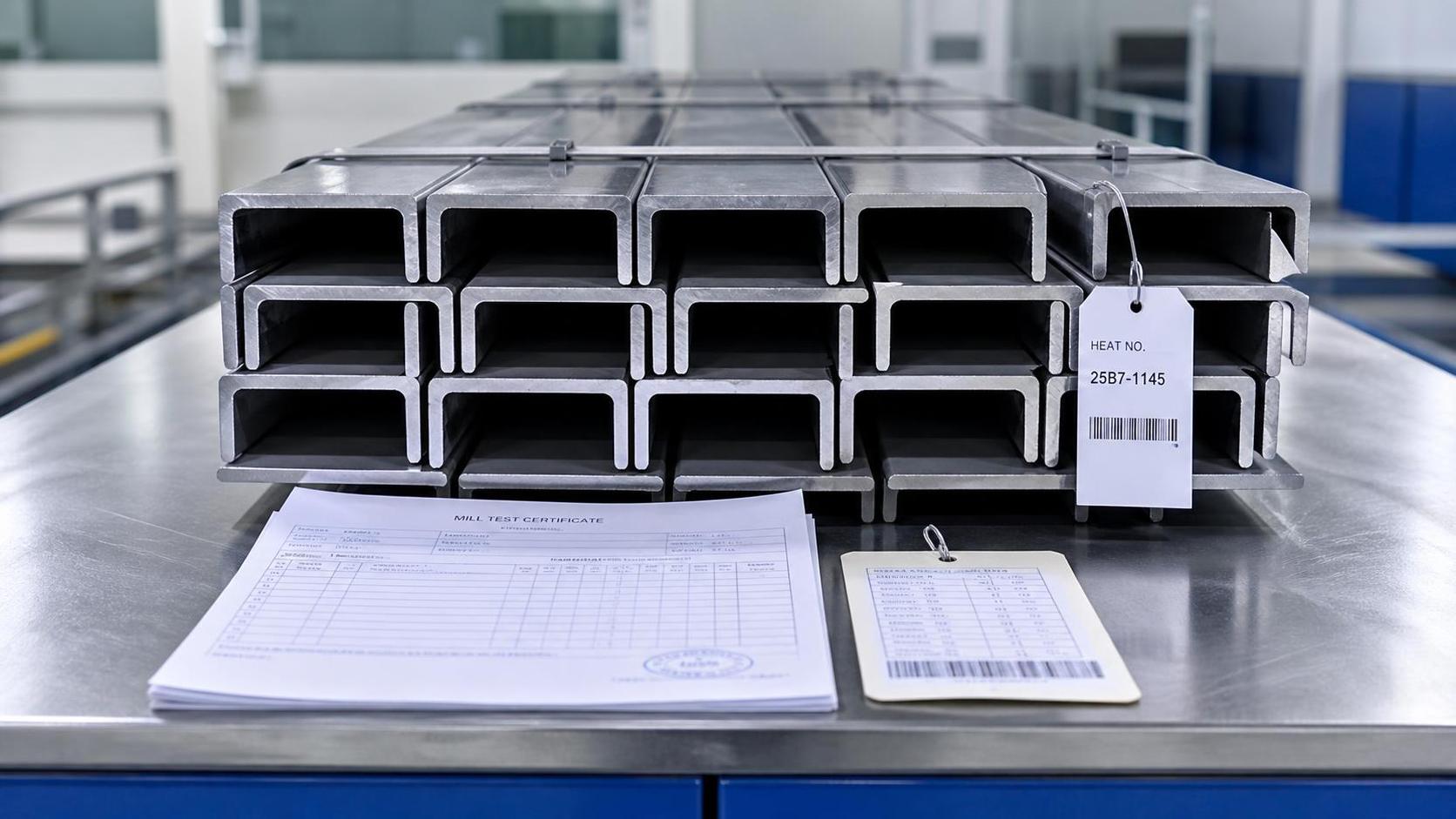
Our Galvanized Steel Wire Rope exemplifies this principle: engineered for mining, marine, and tower crane applications, it leverages precise zinc coating weights (75–260 g/m²) matched to service severity. This same galvanizing science informs our hot-dip galvanized structural angles and channels—certified to ASTM A123 and EN ISO 1461—with coating thickness verified at 3 points per meter.
Unlike electro-galvanized alternatives, hot-dip coatings provide metallurgical bonding and cathodic protection—even at cut edges. In coastal infrastructure projects across Southeast Asia, our galvanized beams demonstrated<10 μm/year thickness loss over 5 years of continuous exposure—well within EN 10360-2 service life projections.
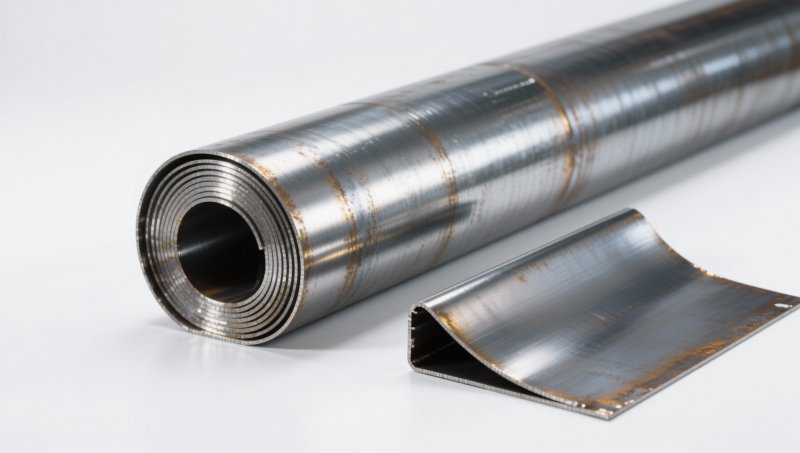
Why Global Buyers Choose Hongteng Fengda for Precision-Finished Carbon Steel
We don’t just supply steel—we engineer sourcing certainty. As a certified ISO 9001, ISO 14001, and ISO 45001 manufacturer, Hongteng Fengda integrates surface finish selection into your full procurement workflow:
- Pre-shipment validation: Every coil undergoes tensile testing (ASTM A370), bend testing (EN 10002-1), and surface roughness measurement (Ra ≤ 0.8 μm for P&O).
- Logistics-aligned packaging: Oil-retention film, edge protectors, and moisture-barrier wrapping ensure finish integrity during 30–45 day ocean transit to Europe or North America.
- OEM flexibility: We support custom oil types (e.g., rust-inhibiting EP oils), controlled zinc coating weights, and laser-marked batch traceability per EN 10025-2 Annex B.
With production capacity exceeding 850,000 tons/year and 98.2% on-time delivery across 2023, we help procurement teams lock in stable pricing, avoid spot-market volatility, and eliminate last-minute finish-related delays.
Ready to Optimize Your Next Carbon Steel Order?
Contact our technical sales team to request: (1) free sample coils with your preferred finish, (2) ASTM/EN compliance documentation, (3) lead time confirmation for your target volume (min. order: 25 tons), or (4) a comparative cost analysis including scrap reduction projections. Let’s co-engineer a solution that improves yield, simplifies QA, and strengthens your supply chain resilience.
Related recommendations
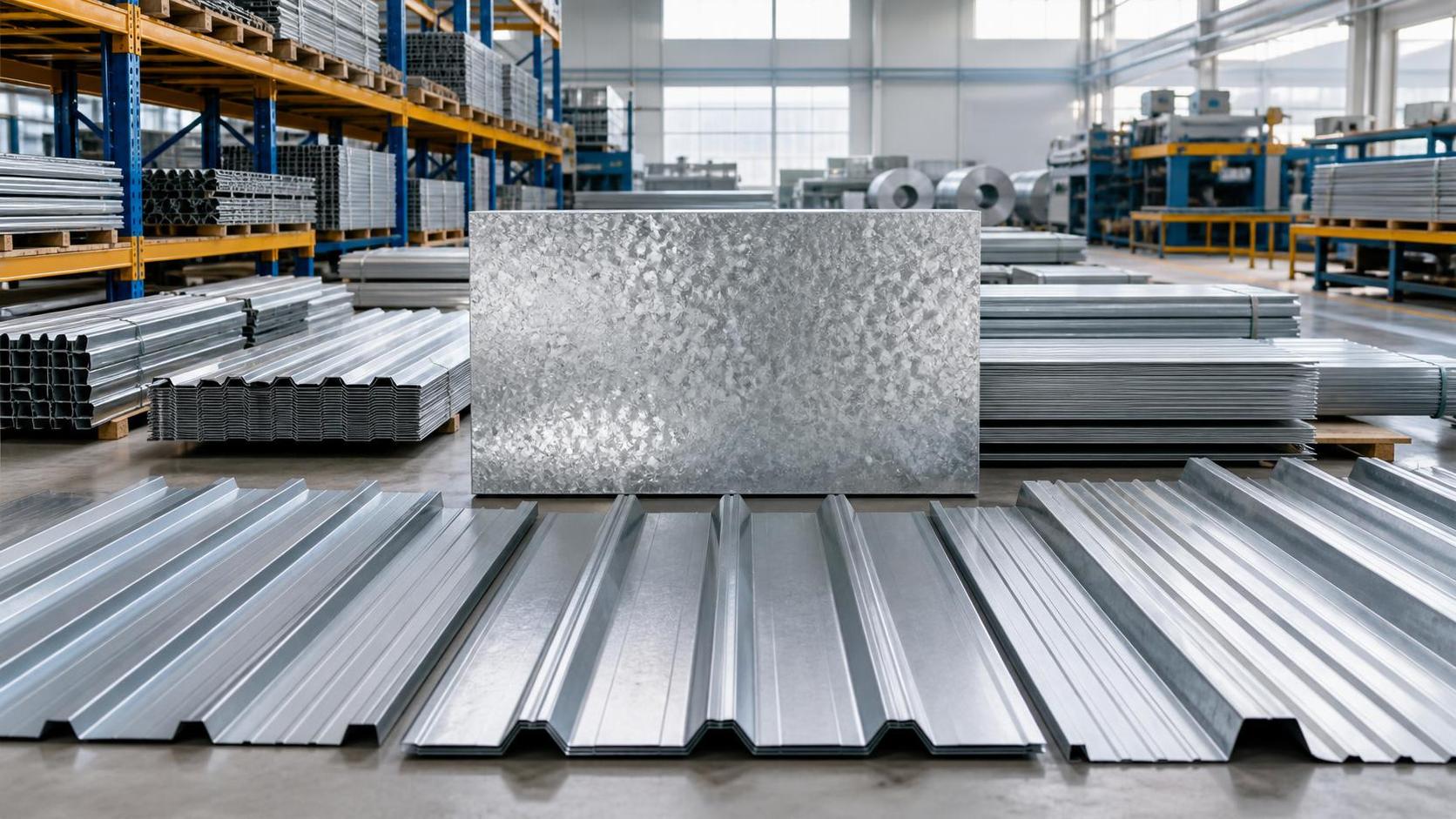
 How to Judge if Steel Sheet for Construction Fits Roofing or Wall CladdingSteel sheet for construction: learn how to judge thickness, coating, profile, and load performance for roofing or wall cladding, and choose a durable, cost-effective fit.
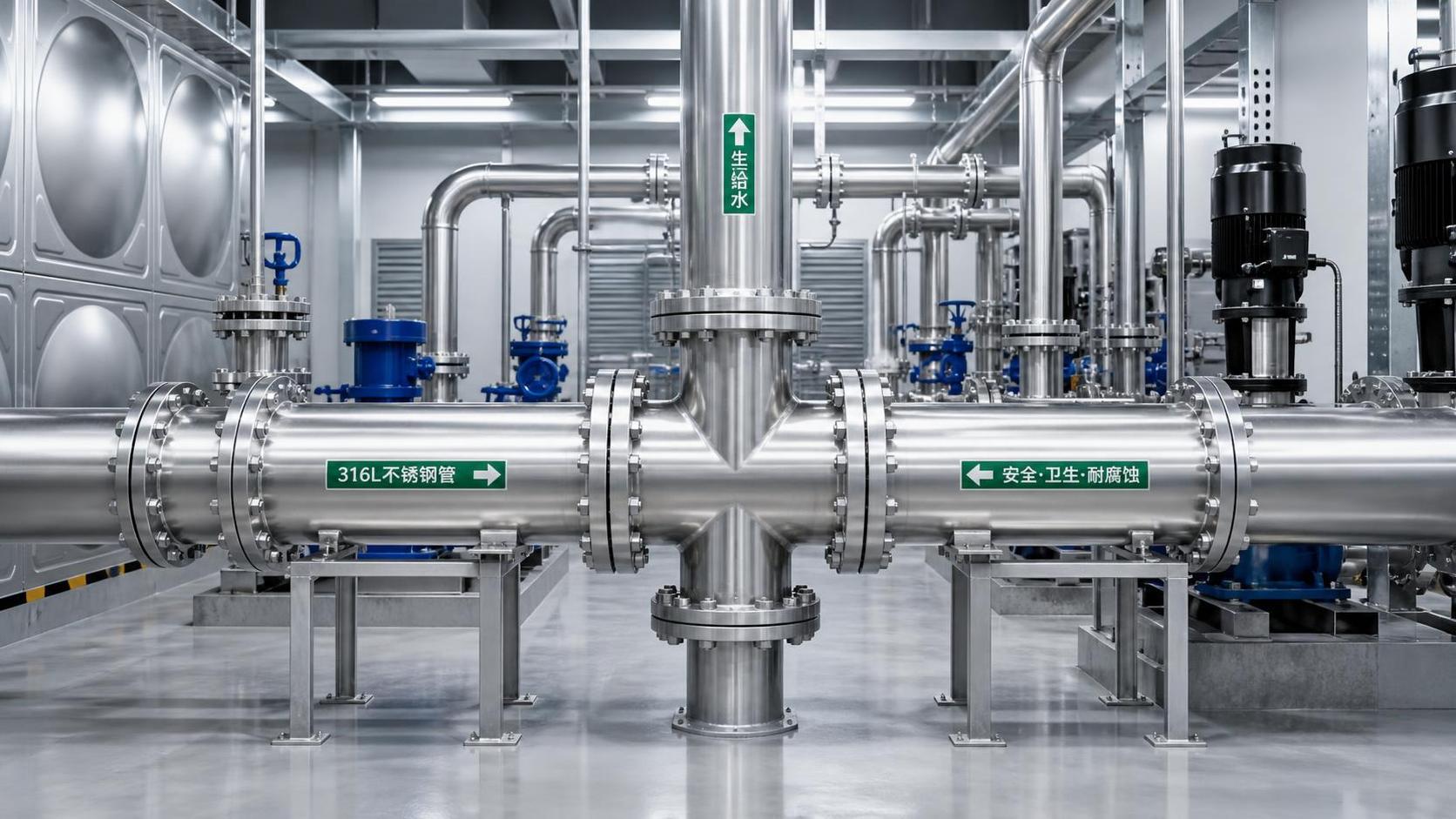
 How to Choose SS Pipe for Water Supply in Corrosion-Prone BuildingsSS pipe for water supply selection guide for corrosion-prone buildings. Compare 304 vs 316 grades, water chemistry, specs, and lifecycle cost to choose a safer, longer-lasting system.
 Steel Wire Rope Manufacturer Standards That Matter in Lifting ApplicationsSteel wire rope manufacturer standards for lifting: learn how to assess traceability, testing, compliance, and real quality control before choosing a safer, more reliable supplier.
 When a Steel Channel Supplier Should Provide Mill Test CertificatesSteel Channel supplier guide on when mill test certificates should be provided for quality control, compliance, and safer procurement.
Please give us a message


Please enter what you want to find