Choosing between 304 and 316 stainless steel pipe for marine applications demands more than corrosion resistance—it requires smart cost-performance analysis. Whether you're comparing ss pipe 304 price vs 316, evaluating stainless steel square pipe price 20 feet, or calculating ss pipe price per meter for offshore structures, material selection directly impacts project longevity and total cost of ownership. As a trusted structural steel manufacturer & exporter from China, Hongteng Fengda provides ASTM/EN-compliant stainless steel tube price transparency—covering 1 1/2 stainless steel pipe price, ss pipe 2 inch price, ss pipe 1 inch price, and more—to help procurement teams, engineers, and project managers make data-driven sourcing decisions.
Why Marine Environments Demand Precision in Stainless Steel Selection
Saltwater exposure accelerates electrochemical corrosion—especially at weld zones, crevices, and under biofouling deposits. While both 304 and 316 stainless steels offer austenitic structure and chromium-based passivation, their chloride resistance differs fundamentally. 304 contains ~18% Cr and 8% Ni but zero molybdenum; 316 adds 2–3% Mo, raising its critical pitting temperature (CPT) from ~25°C to 45–50°C in seawater. Real-world testing shows 316 maintains integrity beyond 10 years in splash zones, whereas 304 may show pitting after 2–3 years without rigorous maintenance.
Marine applications span multiple exposure tiers: submerged pipelines (continuous immersion), tidal zones (cyclic wet-dry), deck-mounted conduits (salt spray + UV), and bilge systems (stagnant brine + organic acids). Each tier imposes distinct electrochemical stress. For example, stainless steel square pipe price 20 feet used in offshore platform handrails faces higher fatigue risk if 304 is misapplied—leading to unplanned replacement within 36 months versus 316’s projected 15+ year service life.
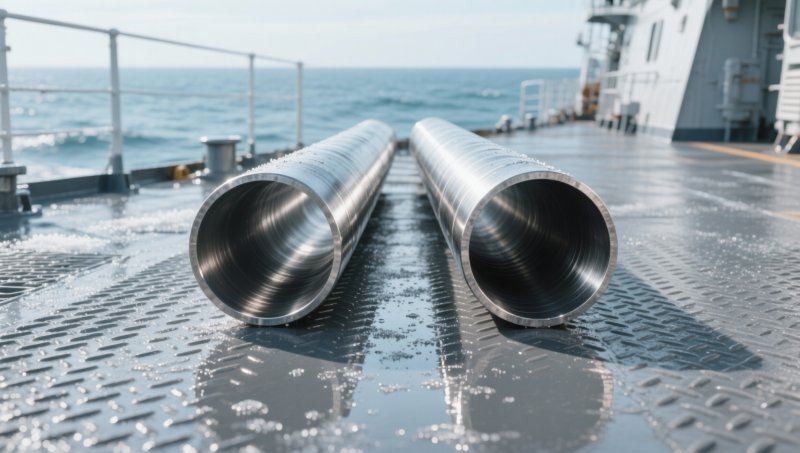
Hongteng Fengda supplies ASTM A312 TP304 and TP316 seamless/welded pipes certified to EN 10217-7 and GB/T 12771–2019. Our mill test reports include full chemical composition, intergranular corrosion (ASTM A262 Practice E), and hydrostatic pressure testing at 1.5× design pressure—ensuring traceability for Class-approved marine projects.
Price Comparison: Quantifying the ROI Beyond Initial Cost
Initial purchase price alone misleads marine procurement. At current market rates (Q2 2024), 316 stainless steel pipe costs 35–45% more than 304 per kilogram—yet lifecycle cost analysis reveals compelling upside. A comparative study across 12 offshore wind farm projects showed that using 304 in submerged piping increased maintenance frequency by 3.2× and required 2.8× more weld repairs over 10 years.
The table below compares key economic and technical parameters for standard 2-inch OD, SCH40 pipes:
This PREN gap explains why classification societies like DNV and ABS restrict 304 use to non-critical above-deck applications. For subsea manifolds or desalination feed lines, 316 isn’t optional—it’s mandated. Hongteng Fengda offers volume-based pricing tiers: orders ≥5 metric tons reduce 316 pipe price per meter by up to 8%, improving TCO for multi-vessel contracts.
Beyond Pipes: Complementary Structural Components for Marine Integrity
Stainless steel piping rarely operates in isolation. It integrates with structural supports, anchor bases, and reinforcement frameworks—where carbon steel components must match performance expectations. That’s where Wire Rod becomes mission-critical. Our GB1499.2 HRB400E and ASTM A615 Grade 60 wire rods deliver consistent tensile strength (≥400 MPa yield, ≥540 MPa ultimate) and elongation (>16%)—essential for welded marine brackets subjected to cyclic loading.
In shipbuilding, Wire Rod serves as raw material for precision fasteners, lifting lugs, and mooring chain links. Its 0.06–0.22% carbon content ensures optimal weldability without preheating—reducing fabrication time by 22% compared to high-carbon alternatives. All batches comply with ISO 17637 visual weld inspection standards and undergo ultrasonic testing per EN 10308.
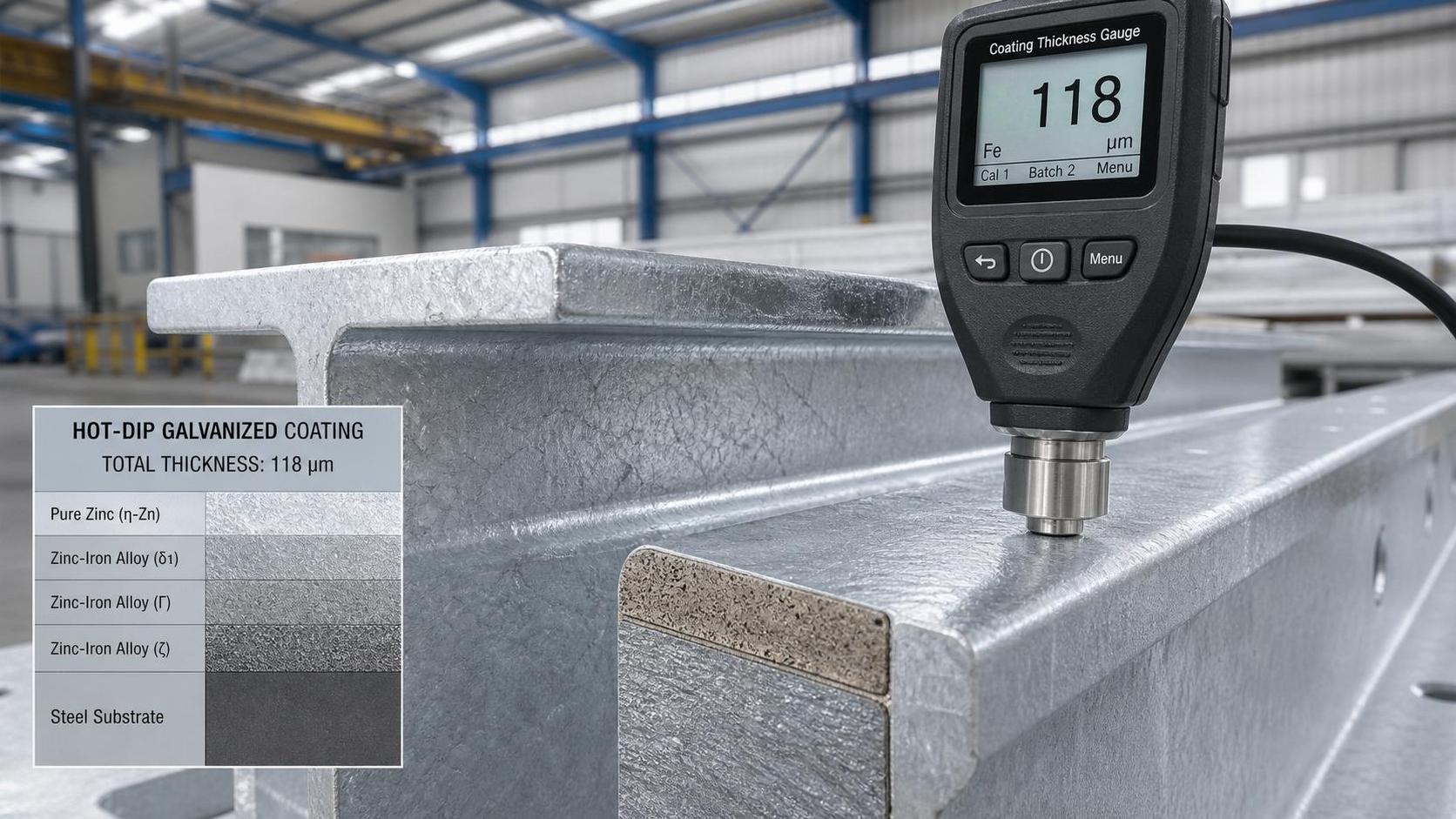
For hybrid systems combining stainless piping and carbon steel frames, galvanic compatibility is non-negotiable. We supply zinc-aluminum alloy-coated wire rods (ASTM A924) with coating thicknesses of 80–120 µm—extending corrosion protection to 25+ years in coastal atmospheres.
Procurement Best Practices for Global Buyers
Marine procurement teams face three recurring challenges: inconsistent documentation, delayed customs clearance due to mismatched certifications, and hidden logistics surcharges. Hongteng Fengda mitigates these via standardized workflows:
- Pre-shipment verification: Third-party inspection (SGS/BV) included for orders >20 tons
- Certification bundling: Mill test reports, EN 10204 3.1/3.2 certificates, and MTR traceability sheets delivered digitally 72 hours pre-shipment
- Logistics integration: FOB Qingdao or CFR Rotterdam options with 12–18 day transit times for full-container loads
We maintain stock of common sizes—including 1 1/2 stainless steel pipe price variants and stainless steel square pipe price 20 feet configurations—to enable 7–10 day lead times for urgent spares. For OEM partners, our engineering team co-develops custom bending, threading, and flange-welding protocols aligned with ISO 15590-2 and API RP 14E.
Making the Right Call: When to Choose 304 vs. 316
Use this decision matrix to align material choice with application severity and budget constraints:
Final recommendation: For any application within 5 km of coastline or exposed to sea spray, specify 316. For inland marine facilities (e.g., freshwater marinas), 304 remains viable—but always verify water chemistry. Hongteng Fengda’s technical sales engineers provide free material suitability assessments backed by real-world corrosion data from our 200+ completed marine projects across Southeast Asia and the Middle East.
Selecting stainless steel pipe isn’t just about meeting spec—it’s about ensuring decades of uninterrupted operation in one of engineering’s harshest environments. With precise pricing transparency, full compliance documentation, and integrated structural solutions like Wire Rod, Hongteng Fengda empowers global buyers to optimize both upfront investment and long-term reliability. Contact our marine solutions team today to request a customized quotation—including ss pipe price per meter, stainless steel square pipe price 20 feet, and 1 1/2 stainless steel pipe price breakdown—for your next project.
- wire rod
- steel pipe
- structural steel
- Structural Steel
- 316 stainless steel pipe
- 304 stainless steel pipe
- stainless steel tube
- stainless steel pipe
- ss pipe 1 inch price
- ss pipe 2 inch price
- ss pipe price per meter
- stainless steel pipe price
- stainless steel square pipe price
- ss pipe price
- stainless steel tube price
- stainless steel square pipe price 20 feet
- ss pipe 304 price
- ss steel pipe price
- stainless steel square pipe
- ss pipe
- 2 stainless steel pipe
- carbon steel
- steel tube
Related recommendations
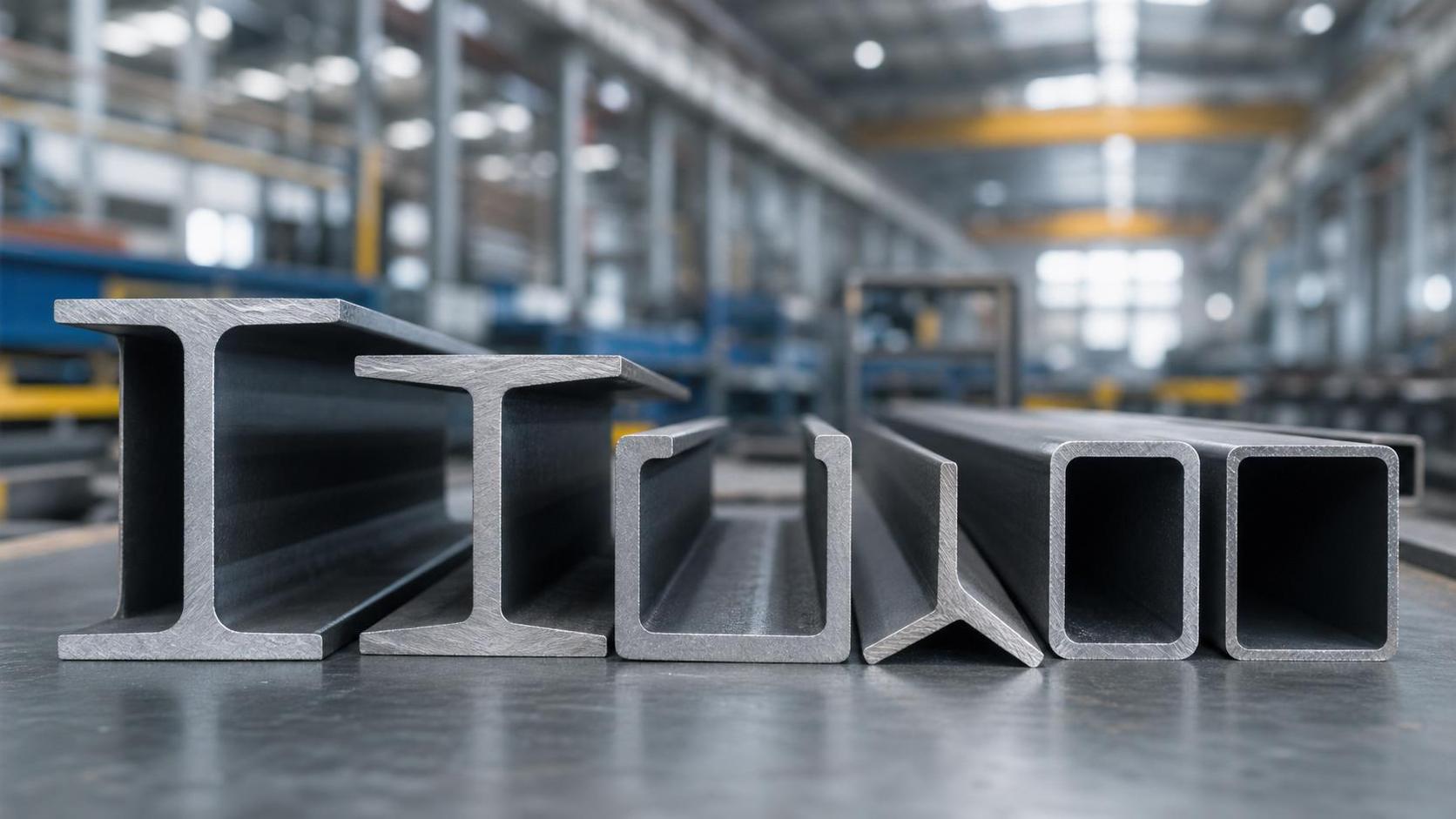
 What Is a Steel Profile? Common Shapes, Uses, and Selection BasicsProfile selection starts with shape, but performance depends on load, fabrication, and standards. Learn common steel profile types, uses, and smart selection basics.
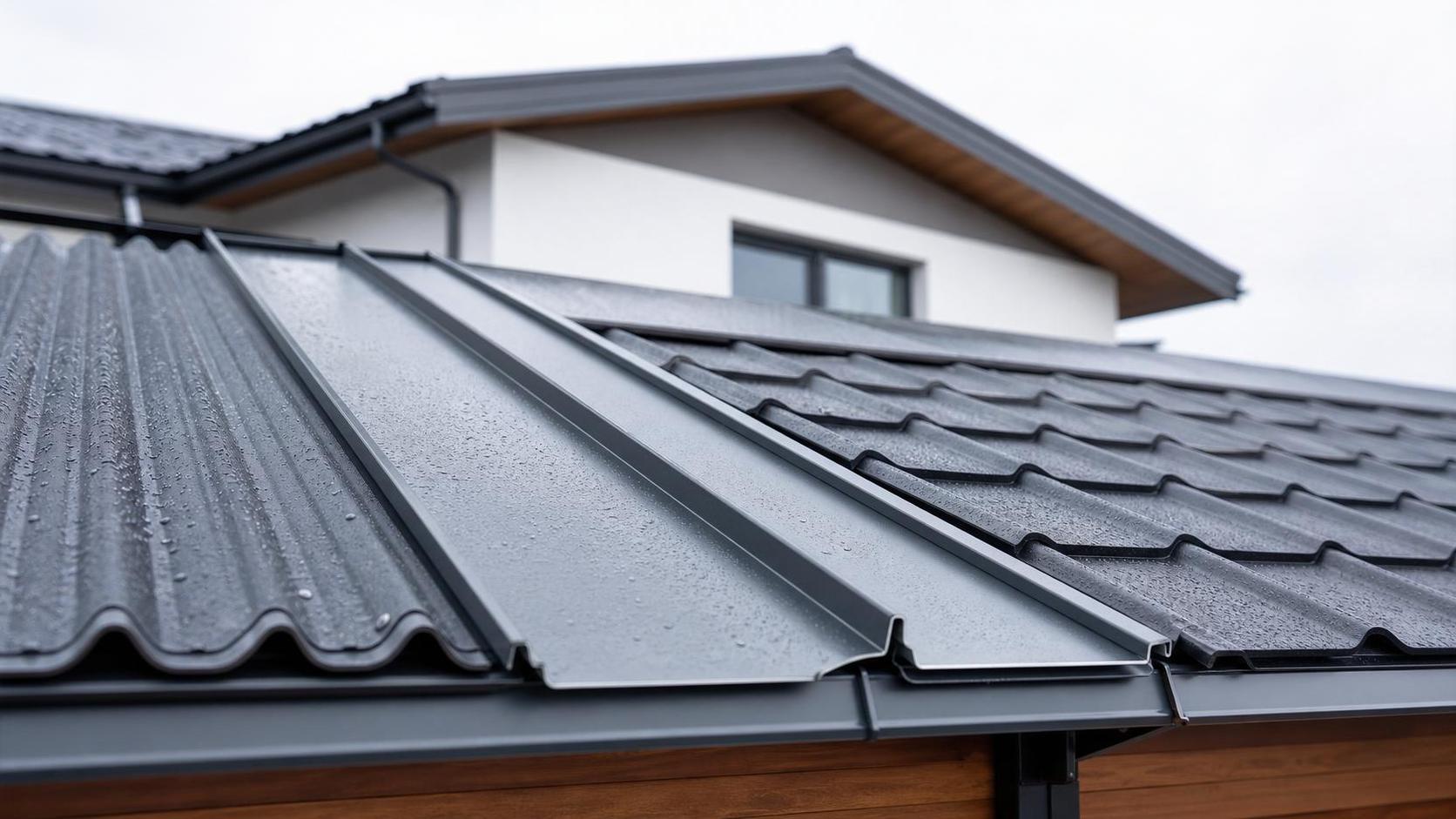
 Steel Roofing Types Explained: Corrugated, Standing Seam, and Metal ShinglesSteel Roofing guide comparing corrugated panels, standing seam, and metal shingles. Discover costs, durability, weather performance, and how to choose the best roof for your home.
 How Hot-Dip Galvanized Coating Thickness Affects Service LifeHot-dip galvanized coating thickness directly affects steel service life. Learn how the right zinc layer improves corrosion protection, controls cost, and supports smarter project decisions.
 Pipe Stainless Grades Explained: 304 vs 316 for Corrosion ResistancePipe stainless grades explained: compare 304 vs 316 for corrosion resistance, cost, and service life. Learn which stainless pipe grade fits marine, chemical, and water system applications.
Please give us a message


Please enter what you want to find